The Leprosy Museum is housed in St. Jørgen’s Hospital on Kong Oscars gate, in central Bergen. Its preserved 18th-century rooms show where people with leprosy lived, while personal biographies, photographs and displays trace the disease’s history in Norway and the research carried out in Bergen. You can explore the main building independently or join a guided tour for more context. The church, bedrooms, kitchen and herb garden make this a place to understand both the hospital’s daily life and the people who spent years there.
A hospital preserved as a museum
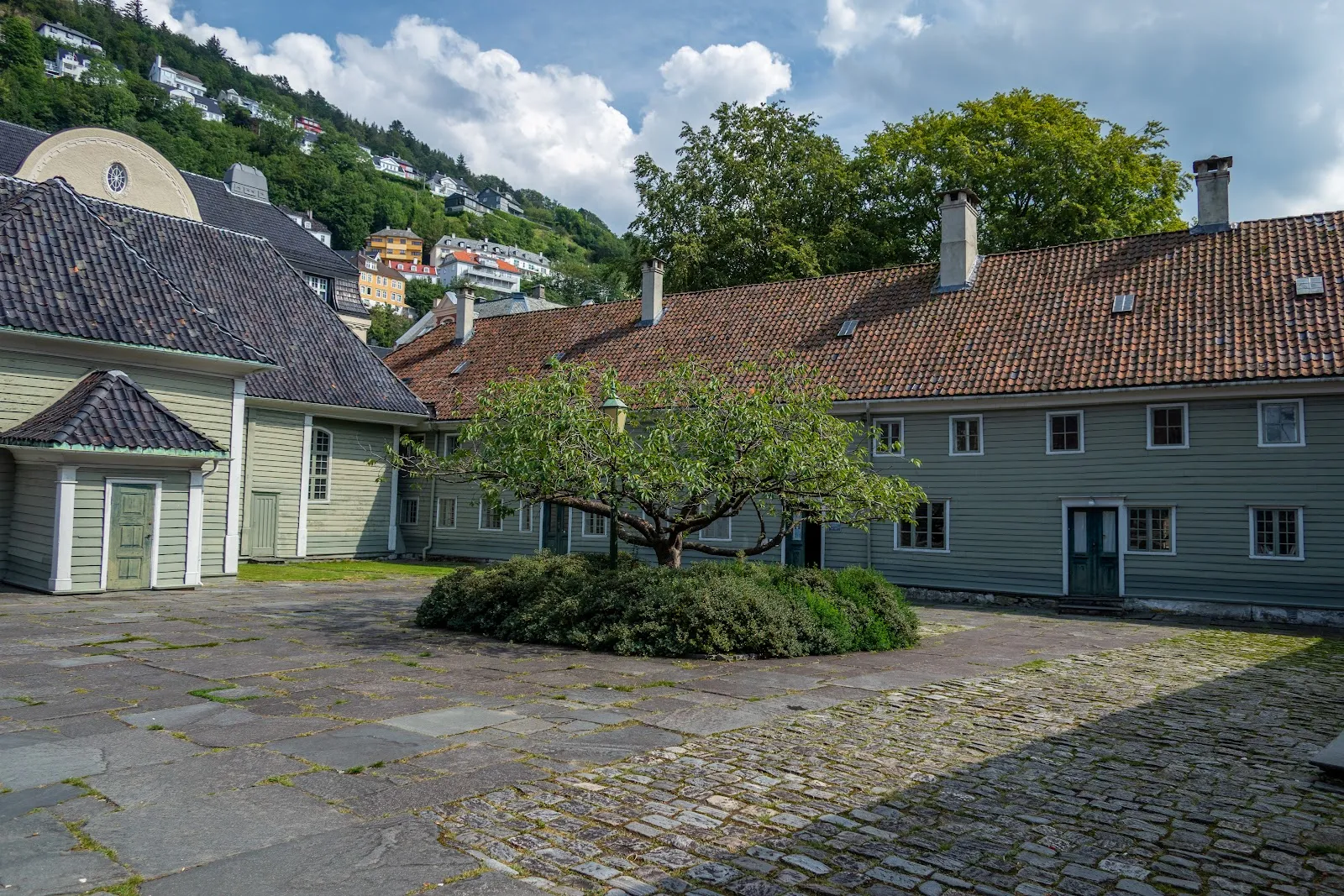
St. Jørgen’s Hospital has been associated with Bergen since the early 15th century. Fires destroyed the medieval buildings, and the hospital environment that survives today dates largely from the 18th century. The listed main building and church retain much of their former character, giving the museum a setting closely tied to its subject.
The hospital was home to people with leprosy, some of whom lived there for decades. The last two residents died in 1946 after spending more than 50 years at the institution. Their rooms and the surrounding buildings make the history tangible without separating it from the place where it unfolded.
Patients’ lives and the history of the disease
The museum addresses leprosy in Norway through the experiences of people who lived at the hospital, as well as the disease’s spread and the research undertaken in Bergen. Displays include photographs and individual biographies. Take time with these short accounts: they offer a closer view of the people behind the medical history.
Bergen became a major centre for leprosy research. Gerhard Armauer Hansen identified the bacterium that causes the disease in the city in 1873. The museum places that scientific history alongside the experience of isolation and the stigma attached to leprosy.
Rooms, church and garden
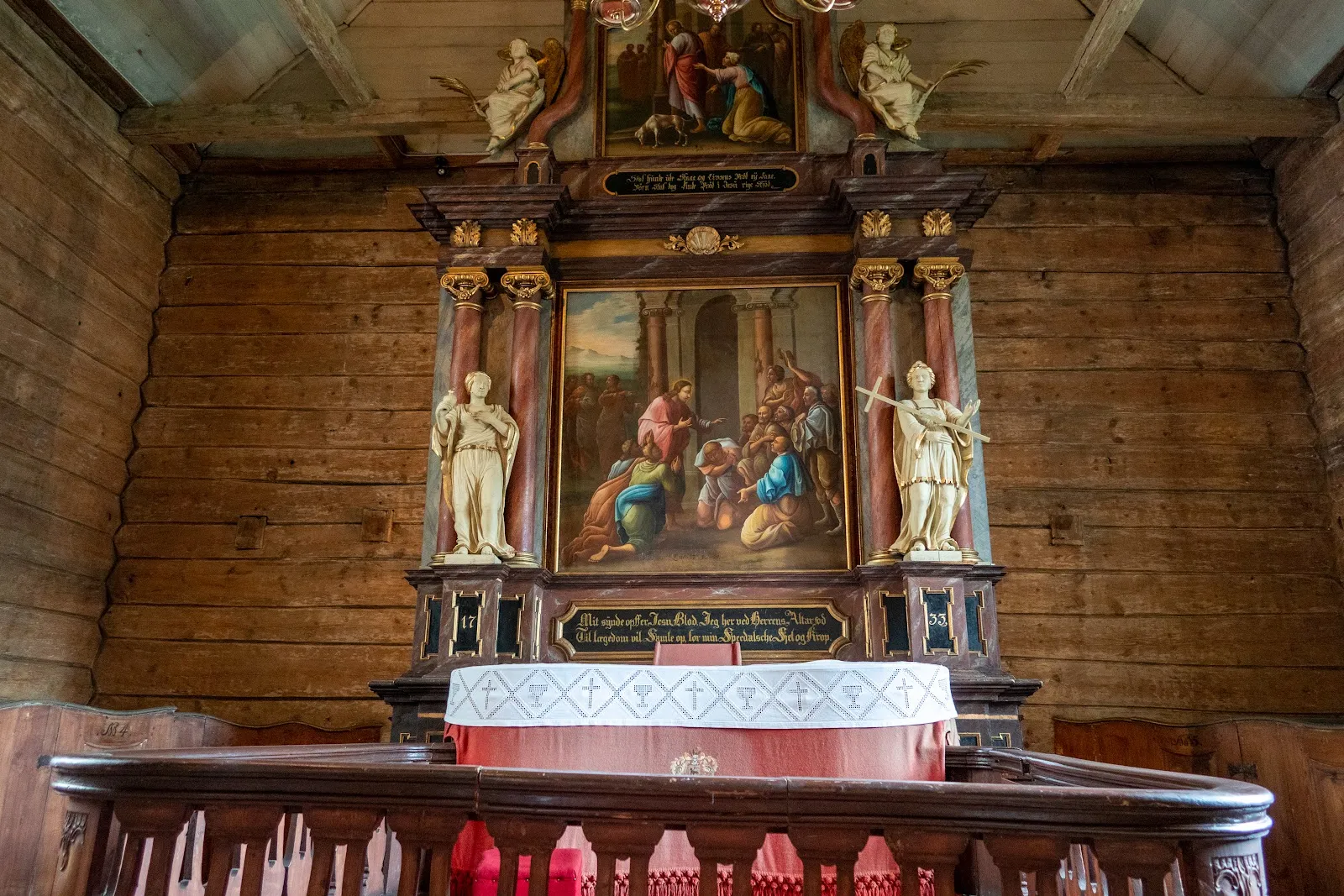
The main building includes bedrooms and a kitchen, with rooms that preserve the hospital’s domestic scale. The site also has a small wooden church and a herb garden. The church was used by both patients and the wider public, with separate areas for each. Put on the shoe covers supplied before going inside.
You can walk through the permanent exhibition independently or take a guided tour that covers the hospital and its living quarters. Some written material is in Norwegian, so an English-language tour can be useful if you want more explanation as you move between rooms.
Perguntas frequentes
When is the Leprosy Museum open?
The museum is open during May through August. Check its current visitor information before planning a visit.
How long does a visit take?
The guided tour lasts about 50 minutes. Allow additional time if you want to read the displays and biographies independently.
Is there a guided tour?
Yes. A guided tour gives more context about the hospital, its residents and the history of leprosy in Norway.
Is the museum accessible?
The listed facilities include a wheelchair-accessible entrance and restroom, as well as accessible parking.