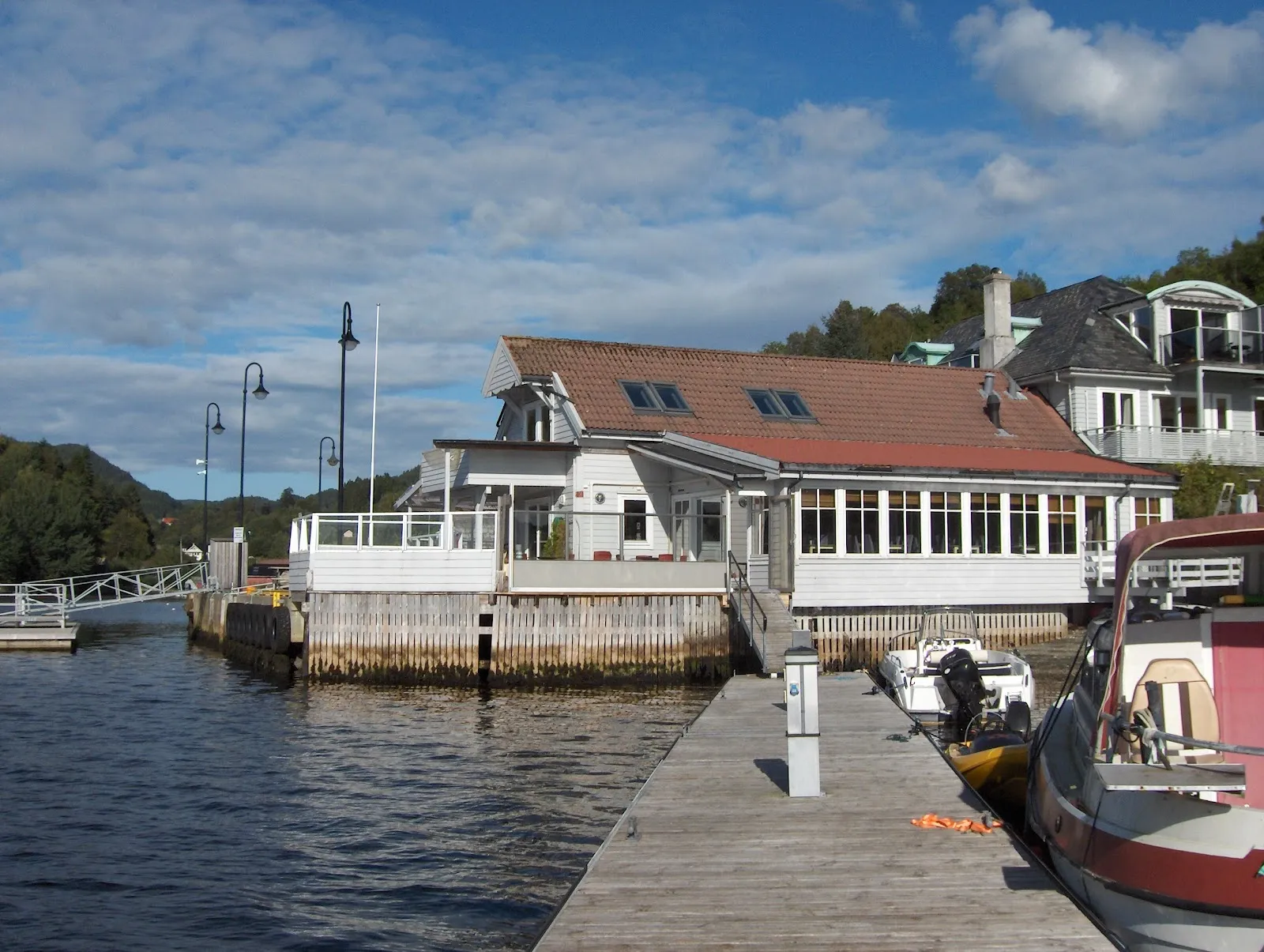
Bryggens Museum sits beside Bergen’s historic Bryggen wharf, above archaeological remains that reveal how people lived and traded in the medieval city. Inside, you can walk among old building foundations and see finds such as shoes, combs, coins, pottery and wooden sticks inscribed with runes. Exhibits explain everyday life, commerce and the repeated fires that shaped Bergen. Interactive displays and changing exhibitions add variety, while a café and gift shop make it easy to pause. Go early if you want to explore when the museum is quieter.
Built over Bergen’s medieval remains
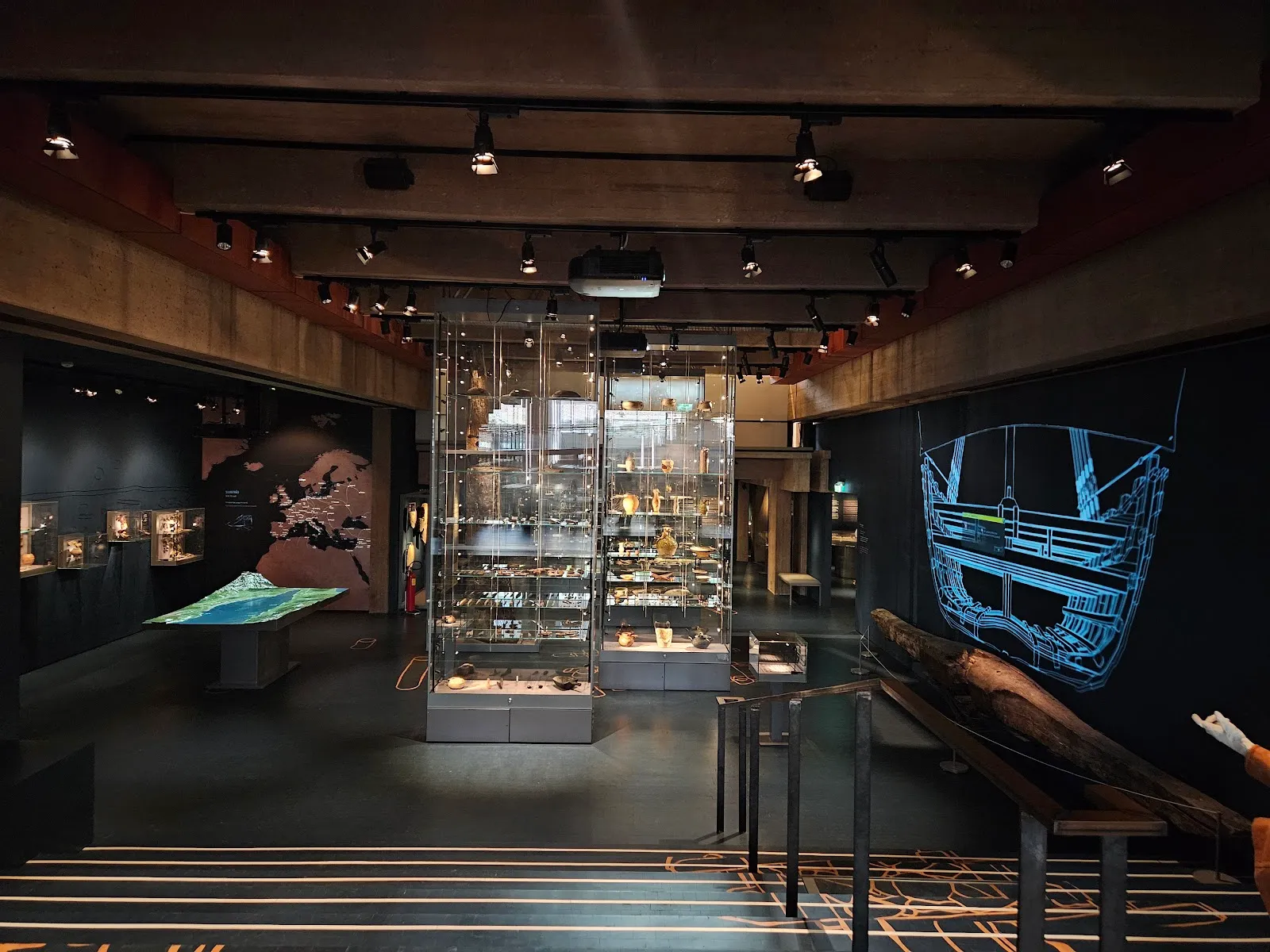
Bryggens Museum stands above archaeological remains uncovered after a fire damaged the Bryggen district in 1955. The excavations revealed layers of buildings and objects from the medieval town. The museum was built around the foundations of an early structure, bringing the remains into the visit rather than separating them from the exhibits.
The site gives you a view of Bergen’s history below ground. The oldest surviving buildings in Bryggen date to the 12th century, and the finds from the area help trace life in the wharf district over time. As you move through the museum, the foundations connect the objects on display with the place where they were found.
Objects from work and daily life
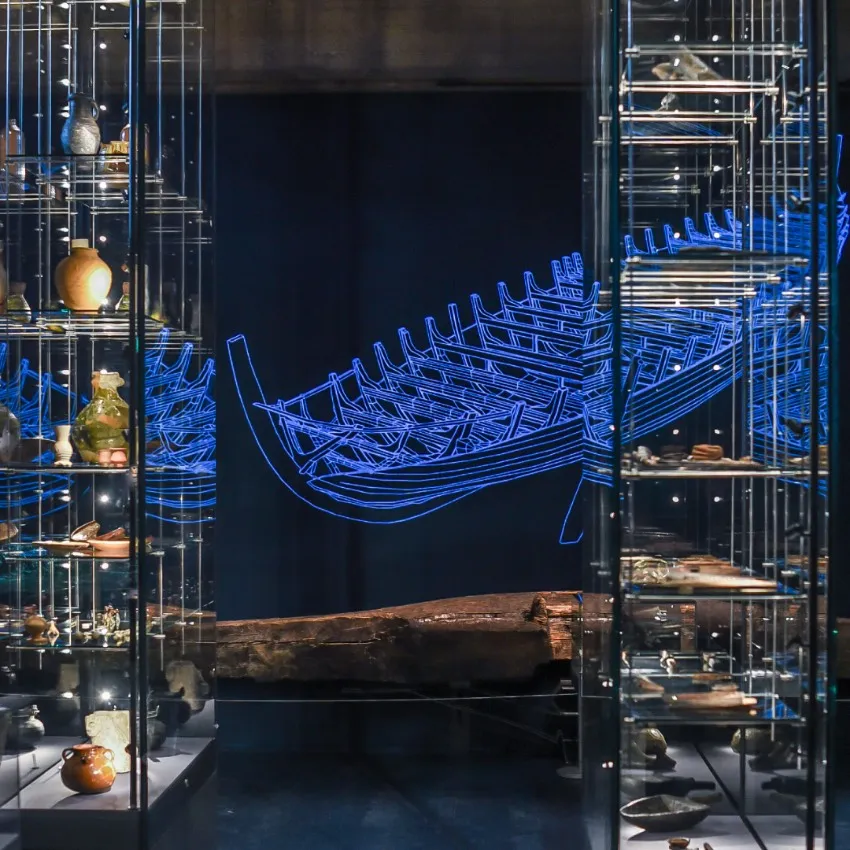
The collection brings together things people used, wore and traded. Look for shoes, combs made from reindeer antler, coins, jewellery, pottery, tools and games. Wooden sticks bearing runic writing offer another kind of evidence: their inscriptions include poems, expressions of faith and personal messages.
Goods from elsewhere also point to Bergen’s trading links. Ceramics from Europe and the Middle East are among the finds associated with the wharf’s commercial life. Exhibits place these objects alongside explanations of medieval work, household routines and the city’s role as a trading centre. A display about Bergen around 1300 includes reconstructed living spaces and objects such as old shoes and tools.
History told through fire and changing displays
Repeated fires altered the lives and buildings of Bergen’s residents. The museum uses illustrations to show how these events affected the city, while its archaeological displays focus on the people who lived and worked there. Viking ship imagery based on remains found beneath Bryggen adds another view of the area’s earlier history.
The permanent displays are joined by temporary exhibitions on Bergen, Norway and wider historical subjects. Past exhibits have included tapestries and cultural heritage in relation to Palmyra. Check what is showing during your visit if you want to include a changing exhibition in your route.
Interactive elements include rune-stick translations and a simulation involving Viking longships. Families can also look for the museum’s activity booklet, which includes puzzles and a treasure hunt in the Below Ground exhibition. The museum has a café and gift shop for a pause before or after the galleries.
Perguntas frequentes
What can you see at Bryggens Museum?
The museum displays medieval building foundations and archaeological finds such as shoes, combs, coins, pottery and rune-inscribed wooden sticks. Exhibits cover daily life, trade and Bergen’s history.
How long does a visit to Bryggens Museum take?
Allow about 1 to 1.5 hours. A guided tour mentioned in the available information lasts around 1.5 hours.
Is Bryggens Museum suitable for children?
Yes. The museum has interactive displays, and children can use an activity booklet with puzzles and a treasure hunt in the Below Ground exhibition.