Inside Ueno Park, the Tokyo National Museum brings Japanese art and history together across a large museum complex. Japan’s oldest and largest museum, it was founded in 1872. Start in the Honkan, where galleries trace Japanese art and culture through works such as samurai armor, swords, kimono, ceramics, paintings and Buddhist sculpture. The Toyokan adds art and archaeology from across Asia. English translations help you follow the displays, and the traditional architecture, pond and garden paths offer a quieter pause between galleries.
A museum founded in 1872
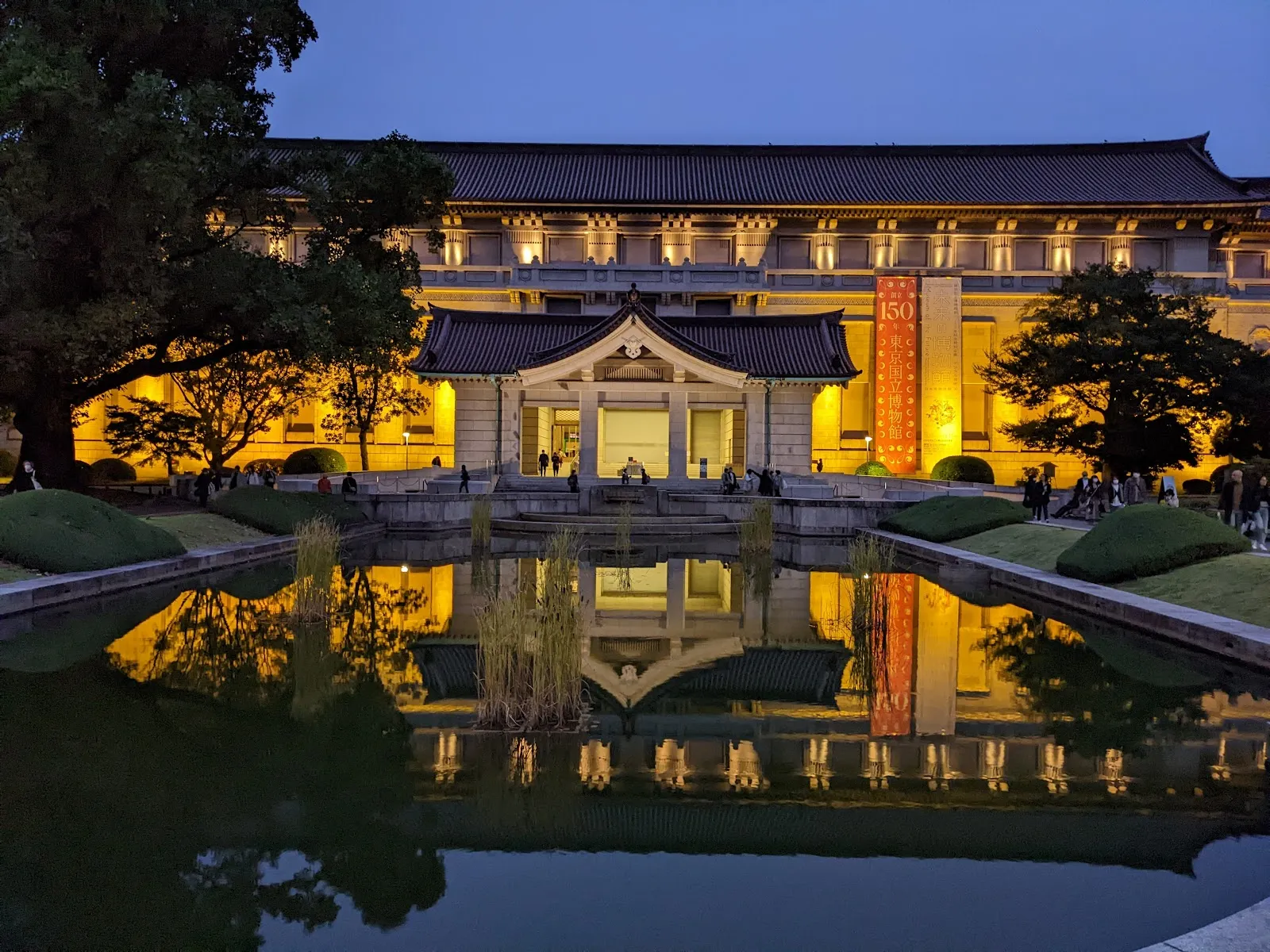
The Tokyo National Museum began in 1872, first holding an exhibition at Yushima Seido. In 1882, it moved to its present site in Ueno Park. It is Japan’s oldest museum and its largest, with collections devoted to art and archaeological objects from Japan and other parts of Asia.
The museum is a group of buildings rather than a single gallery. Each has a different focus, so you can shape your visit around the periods or kinds of art that interest you. The Honkan is the Japanese Gallery, while the Toyokan covers art from across Asia. The Heiseikan includes Japanese archaeological displays and hosts special exhibitions. The Gallery of Horyuji Treasures displays objects associated with Horyuji Temple in Nara. Other buildings include the Hyokeikan and the Kuroda Memorial Hall, which is off-site.
Choosing galleries to visit
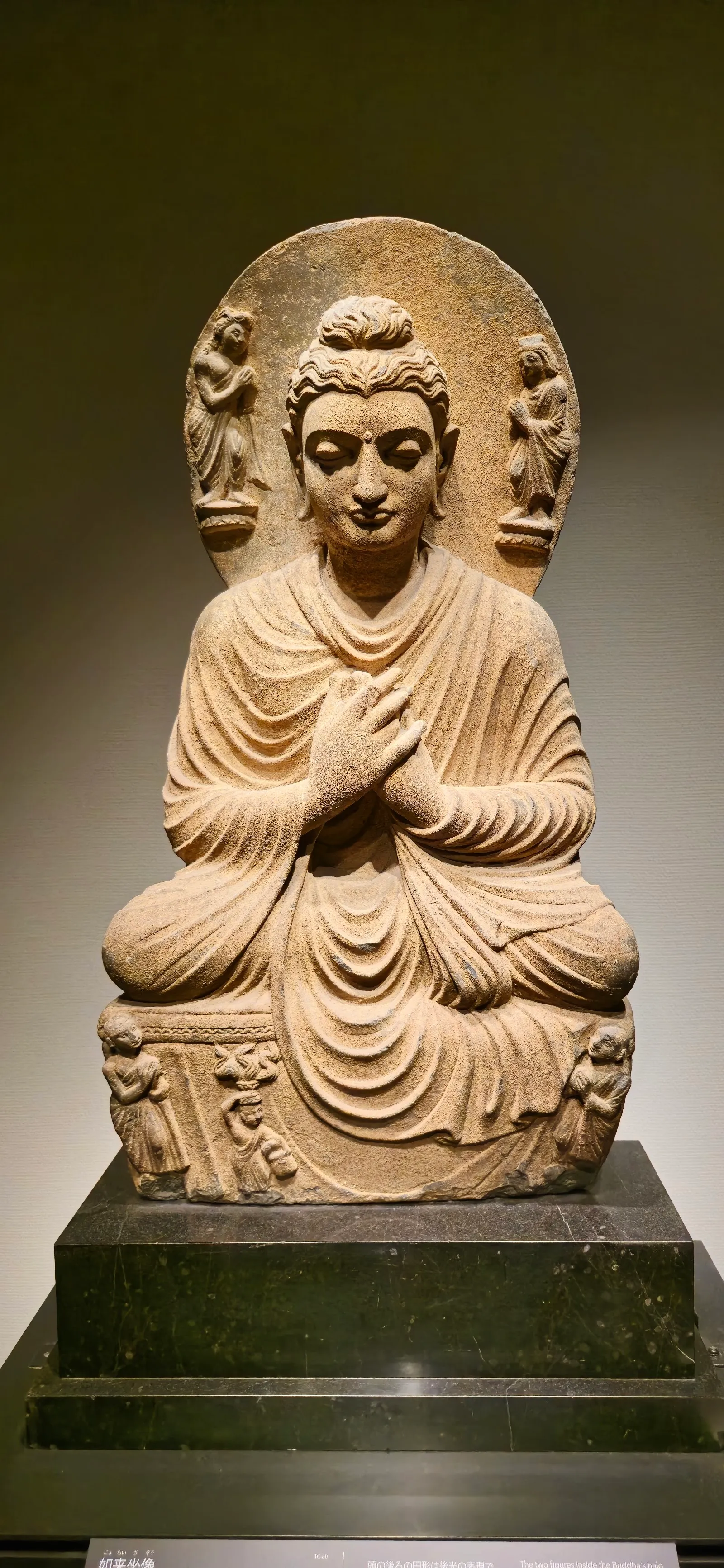
The Honkan is a useful starting point for Japanese art and history. Its collection includes paintings, ceramics, textiles, sculpture and historical objects, among them samurai armor and swords, elaborate kimono and woodblock prints. The displays move through different periods and include English translations, giving you context as you look around.
The Toyokan shifts attention beyond Japan to art and archaeological material from other Asian countries. Its quieter galleries make a good counterpoint to the Japanese collection. At the Gallery of Horyuji Treasures, objects from the temple collection include Buddhist art and works dating to the sixth and seventh centuries. The Heiseikan is the place to look for Japanese archaeology as well as temporary exhibitions.
Not every object in the collection is on display at once, and galleries change their exhibits regularly. A return visit can therefore bring different works into view. Check the current exhibition schedule before you go, especially if a particular special exhibition is part of your plan.
Architecture and the garden
The buildings give the museum visit a visual dimension beyond the galleries. The Honkan, at the center of the complex, has a traditional Japanese appearance. The Gallery of Horyuji Treasures takes a more modern architectural approach, while the Hyokeikan, built in a Western style, opens to the public for special exhibitions and events.
North of the Honkan, a garden includes five historic tea houses. The garden opens to the public for limited periods during the year, including times associated with spring blossoms and autumn foliage. The tea houses can be booked for tea ceremonies and other events. Check access dates before planning a visit around the garden.
The grounds also include a pond and paths where you can take a break from the galleries. Cafés and rest areas provide places to sit during a longer visit. Ueno Park surrounds the museum, with other museums and Ueno Zoo nearby, so you can combine the collection with a wider park walk.
Planning your visit
For a first visit, choose the Honkan and one or two other buildings instead of trying to cover the entire complex. The museum’s scale and the amount of material on display can easily fill several hours. If you want more context while viewing the objects, audio guides are available in Japanese, English, Chinese and Korean.
Special exhibitions change over time and can feature selected themes or works not usually on display. Some require a separate ticket, so check the exhibition details before setting out. Photography rules also differ by area; follow the signs in each gallery.
The museum is at 13-9 Uenokoen, Taito City, within Ueno Park. Its location makes it practical to pair with nearby museums or the zoo, but allow enough time for walking between buildings and around the park. If you have only a short window, prioritize the Honkan rather than rushing through every gallery.
Perguntas frequentes
How long should I spend at Tokyo National Museum?
Set aside at least two to three hours. The complex has several large buildings, so a full visit can take longer.
Which building should I visit first?
Start with the Honkan for Japanese art and history. The Toyokan is a good next choice for art and archaeology from across Asia.
Are special exhibitions included?
Some special exhibitions may require a separate ticket. Check the current exhibition information before your visit.
Is photography allowed inside the museum?
Photography rules vary by area. Follow the signs in each gallery.
Where is Tokyo National Museum?
It is at 13-9 Uenokoen, Taito City, inside Ueno Park in Tokyo.