Roppongi Hills is a large complex in Tokyo’s Minato district, built around the 238-metre Mori Tower. Offices, shops, restaurants, a cinema, a hotel and cultural spaces sit alongside public art and Mori Garden. Head to Tokyo City View on the tower’s 52nd floor for a broad look over the city; on clear days, Mount Fuji is visible. The Mori Art Museum is on the floor above, and the garden gives you a quieter stop between galleries and shops. It suits a visit focused on art, views and city life, though shopping and dining can be costly.
A complex built around Mori Tower
Roppongi Hills opened in 2003 as a large mixed-use development in Tokyo’s Minato district. Its central landmark is the 238-metre Mori Tower. Offices and residences share the complex with shops, restaurants, a hotel, a cinema, an art museum and public spaces.
The development was planned as a place where people could live, work and spend leisure time in one area. That mix is still apparent as you move between the commercial buildings, cultural venues and outdoor spaces.
Tokyo City View and the Mori Art Museum
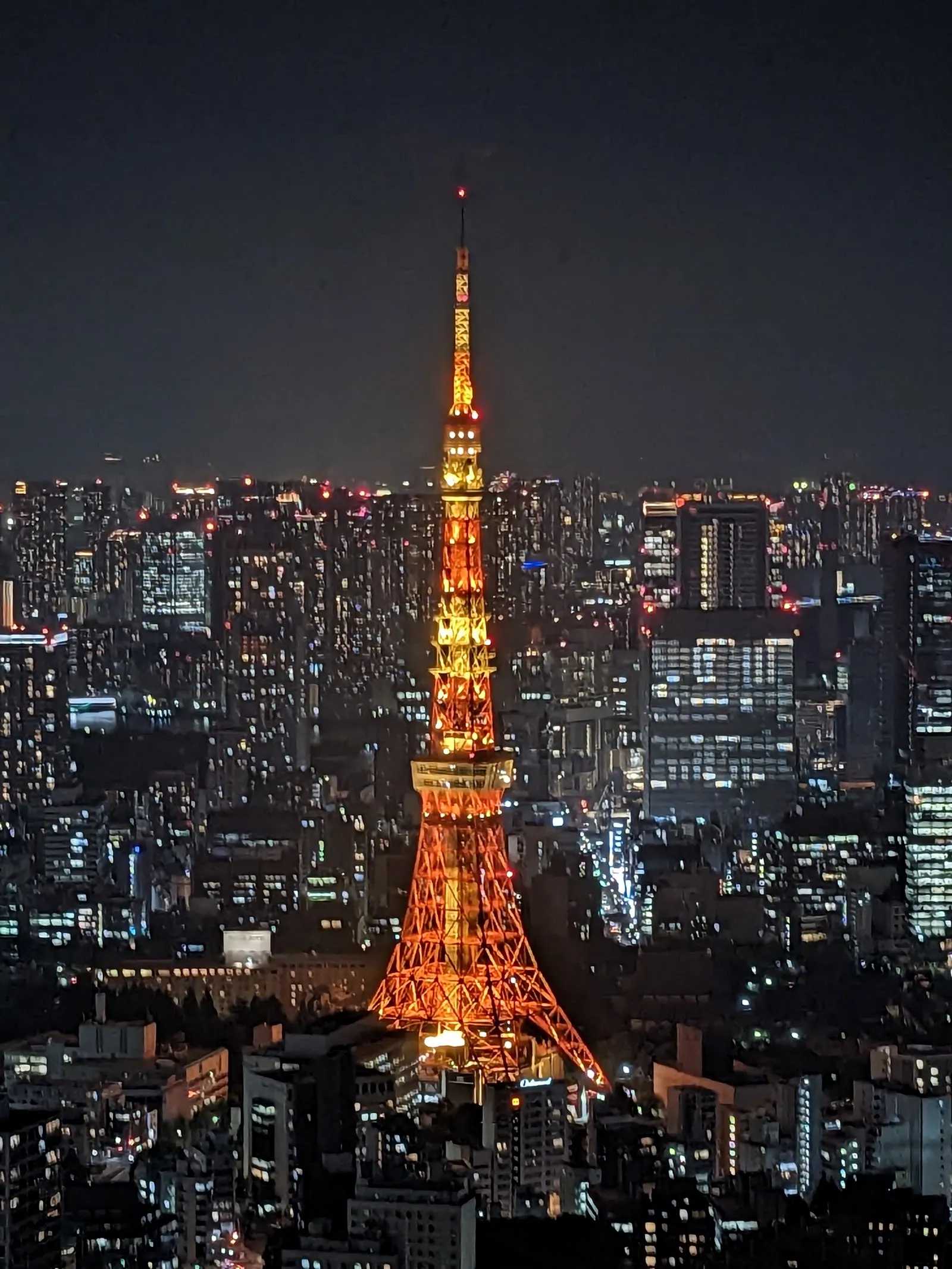
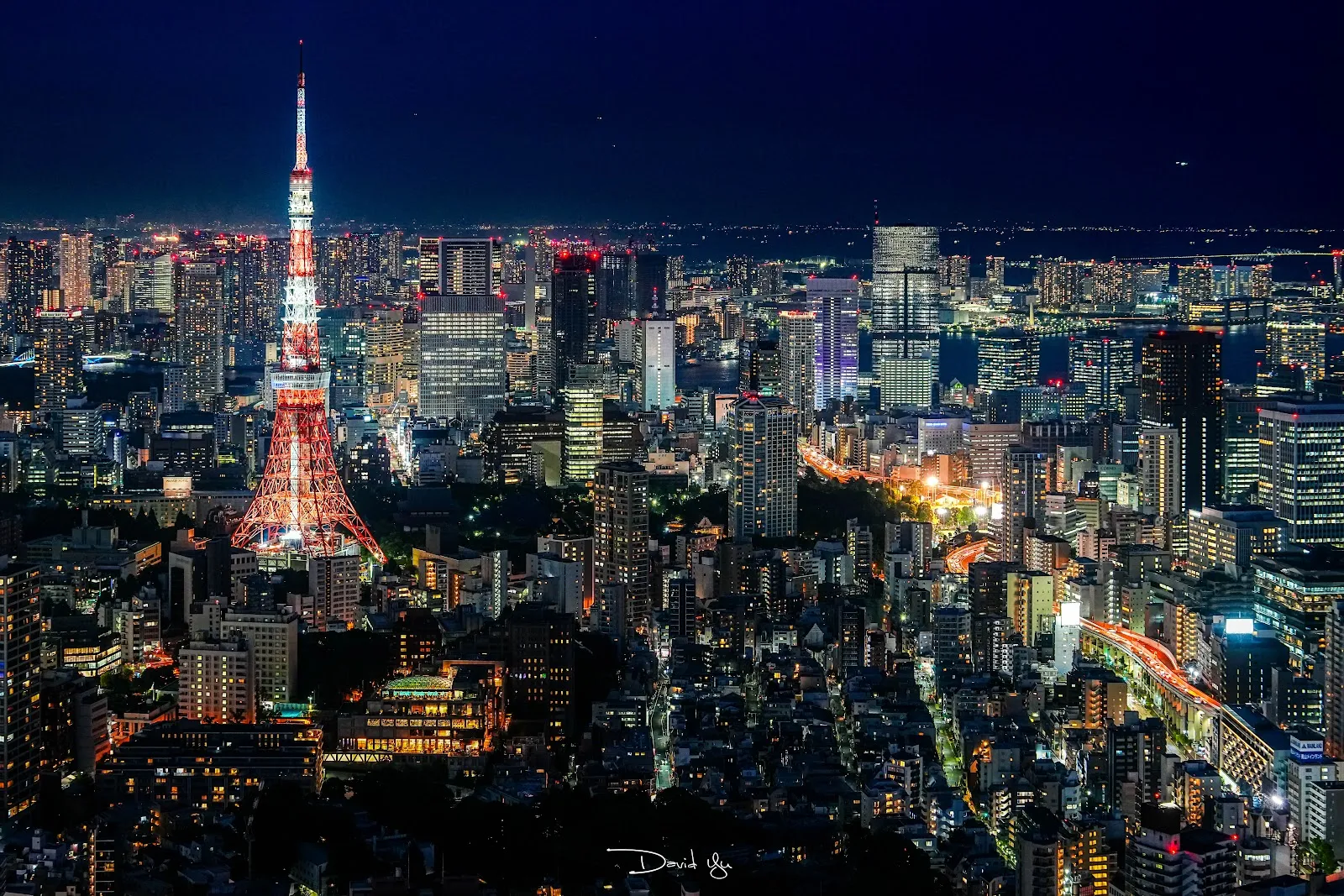
Tokyo City View occupies the 52nd floor of Mori Tower. Its windows look across Tokyo, with views that can include Tokyo Tower, Tokyo Skytree, Rainbow Bridge and, in clear weather, Mount Fuji. The view changes with the light, so a visit near sunset can take in both the fading daylight and the city after dark.
The Mori Art Museum is on the floor above and presents contemporary art exhibitions. Check access arrangements for the observation areas before setting out, as reported closures have affected some viewing spaces. The indoor Tokyo City View and the outdoor Sky Deck have had different access, so confirm what is open for your visit.
Garden and public art
Mori Garden offers a quieter change of pace from the tower and shopping areas. Its Japanese-style design includes seasonal cherry blossoms, making spring a notable time to visit. Entry is free.
Public art is also part of the complex. One prominent work is Maman, Louise Bourgeois’s large spider sculpture. Look out for it as you walk through the outdoor areas.
Finding your way around
The development spreads across several zones, and its connected buildings, passages and escalators can make individual shops hard to locate. The information center has an English floor guide with color-coded maps; pick one up if you have a particular store or venue in mind.
Roppongi Station is the nearest train station. Once inside the complex, you can combine a museum visit or city view with shopping, dining or a film. The range of luxury brands and restaurants makes this a convenient place to spend several hours, but it is less suited to travelers looking for a low-cost shopping or dining stop.
Perguntas frequentes
What can you see at Roppongi Hills?
The complex includes Tokyo City View, the Mori Art Museum, Mori Garden, shops, restaurants and a cinema. Public art, including Louise Bourgeois’s Maman sculpture, is set around the development.
How long should you spend at Roppongi Hills?
Allow around 2 to 3 hours for the observation deck, museum or garden and a walk through the complex. Shopping, a meal or a film can extend the visit.
Is Mori Garden free to enter?
Yes. Entry to Mori Garden is free.
Can you see Mount Fuji from Tokyo City View?
Mount Fuji can be visible from the 52nd-floor observation deck on clear days.