Mori Art Museum occupies the 52nd and 53rd floors of Roppongi Hills Mori Tower in Tokyo, with rotating exhibitions of contemporary art, architecture and design by Japanese and international artists. The changing programme can include sculpture, photography, fashion and video, so the focus depends on what is showing during your visit. Gallery spaces are arranged along a clear route, and the tower puts you high above the city. For a dedicated panorama, pair the museum with Tokyo City View; access requires a separate or combined ticket.
A changing programme of contemporary art
Mori Art Museum opened in 2003 and focuses on temporary exhibitions rather than a permanent display. Shows bring together artists from Japan and elsewhere, with a particular interest in contemporary work from Japan and the Asia-Pacific region. The programme also reaches beyond fine art to architecture, design, fashion and photography.
Because exhibitions change, the works and themes you encounter depend on your travel dates. Past programmes have included architecture displays and exhibitions built around video and interactive ideas. Check the museum’s website before your visit to see what is currently on view and whether it matches your interests.
Finding your way through the galleries
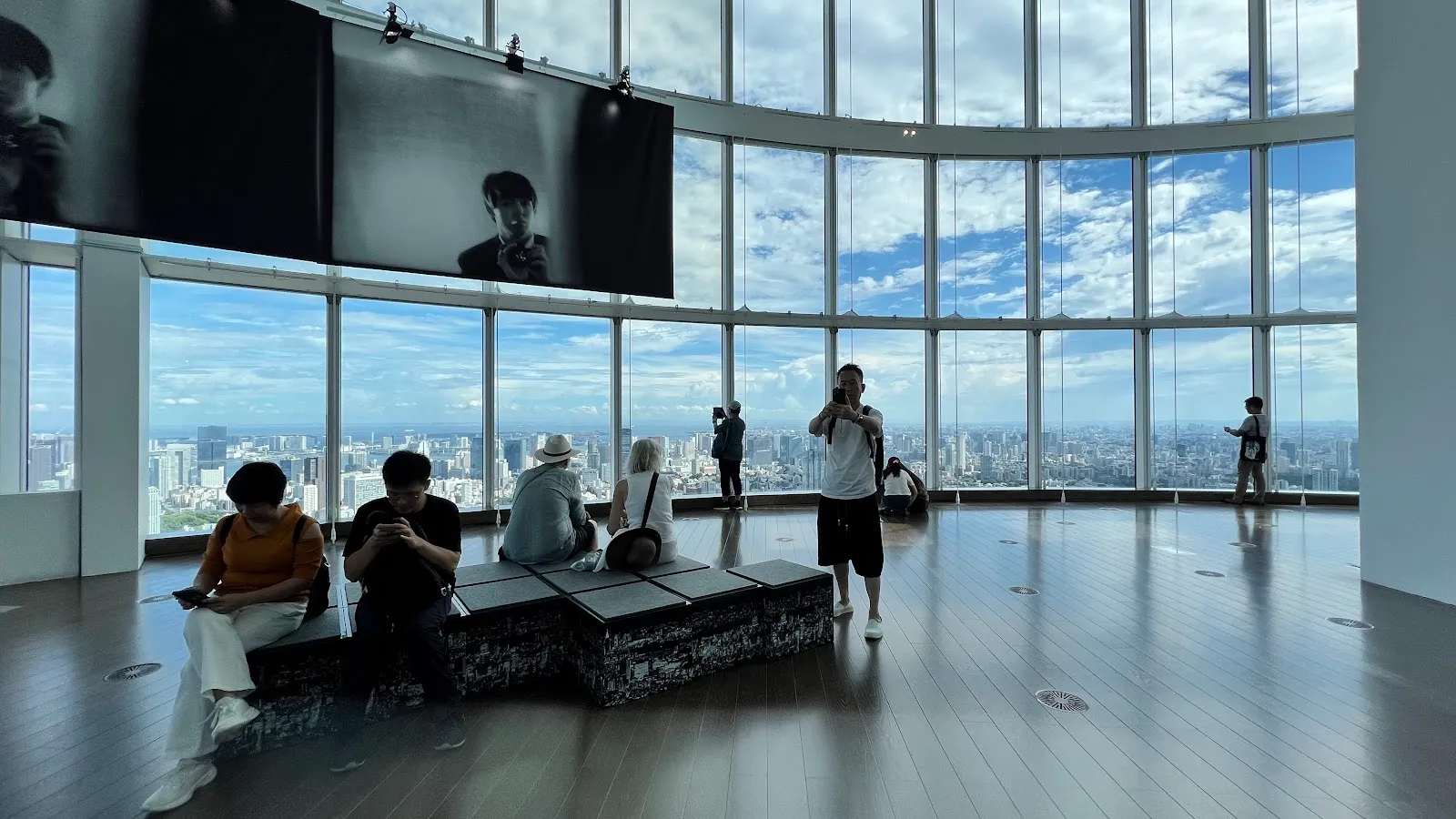
The museum is on the 52nd and 53rd floors of Roppongi Hills Mori Tower. Its exhibition spaces follow a clear route, which makes it straightforward to move from one installation to the next. Depending on the show, you might encounter sculpture, photography, fashion, architecture or video works.
The museum also presents screening programmes and collection displays. Some exhibitions invite more interpretation than others, so take time with the wall text if you want context for an unfamiliar work. The museum has a shop on the 53rd floor; a second museum shop is on the third floor of Roppongi Hills West Walk.
Adding Tokyo City View
Tokyo City View is the tower’s observatory, separate from the museum galleries. Museum admission does not automatically include observatory access, so check your ticket before entering. You can buy a ticket for the observatory alone or choose a combined ticket when that option is available.
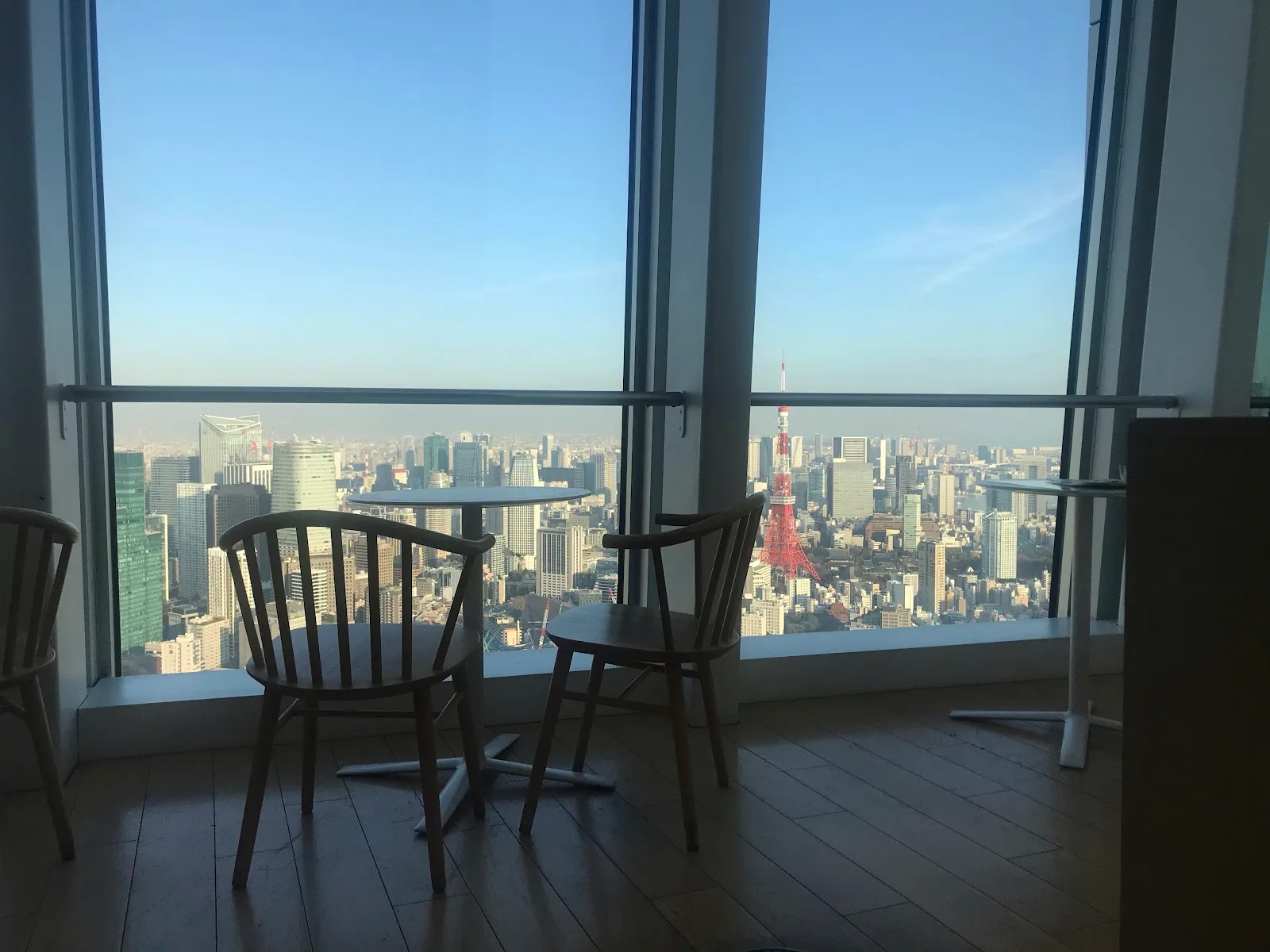
The Sky Deck is an open-air rooftop viewing area, with its own access conditions. If the city panorama is your main reason for coming, plan around the observatory rather than expecting broad skyline views from inside the exhibition spaces. Sunset and evening visits are suggested for the observatory, when the city lights begin to show.
Planning a visit in Roppongi
Mori Art Museum is inside Roppongi Hills, a complex with shops and restaurants as well as cultural venues. The museum is close to Roppongi Station, and its late opening on some days can make an evening exhibition visit possible. Opening days and hours can differ, so check the official website for the schedule that applies to your date.
Admission prices depend on the exhibition, and advance booking is recommended. If you want both art and a city view, compare the available museum and observatory tickets before you travel to the tower.
Perguntas frequentes
Does Mori Art Museum have a permanent collection?
The museum focuses on temporary exhibitions rather than a permanent display. Its programme changes over time and covers contemporary art, architecture, design and other media.
Does a museum ticket include Tokyo City View?
Not necessarily. Observatory admission is separate unless you buy a combined ticket, so check what your ticket covers.
Should I book Mori Art Museum tickets in advance?
Advance booking is recommended, particularly for popular exhibitions. Check the museum website for current ticket options and exhibition details.
How do I get to Mori Art Museum?
The museum is on the 52nd and 53rd floors of Roppongi Hills Mori Tower, near Roppongi Station.