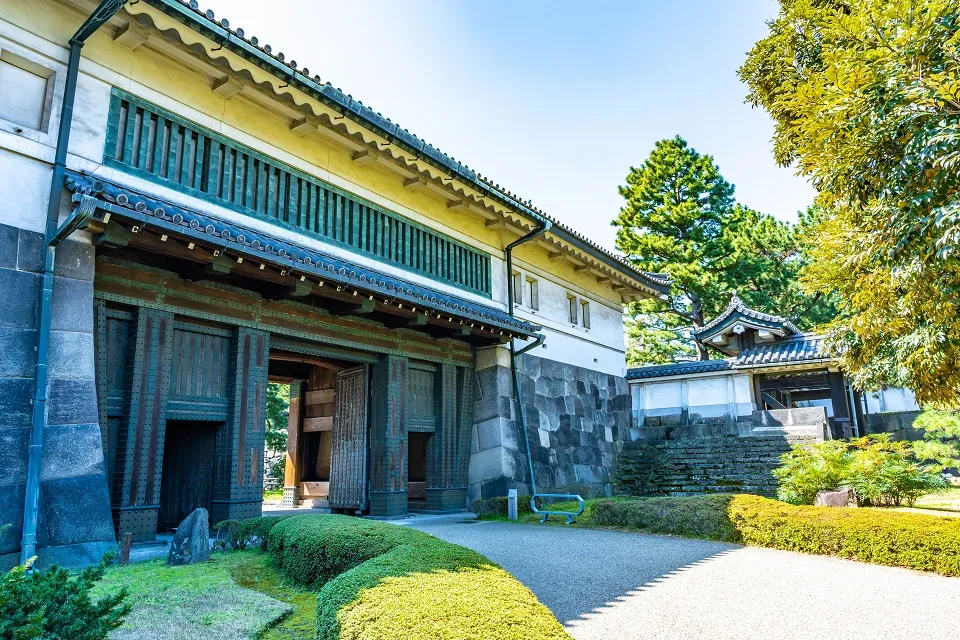
In Tokyo’s Ryogoku district, the Edo-Tokyo Museum traces the city’s story from the Edo period to modern times through original objects, interactive displays and detailed reconstructions. Cross a life-size replica of Nihonbashi, the bridge that once led into Edo, then look down over models of historic streets and neighbourhoods. Full-scale recreations of homes, shops and a kabuki theatre bring everyday life into view, while changing special exhibitions add another reason to visit. Plan for several hours if you want to explore the exhibits at an unhurried pace.
A building made for the city’s history
The museum stands in Ryogoku, across from the Ryogoku Kokugikan sumo arena. Its elevated form takes inspiration from a traditional raised-floor storehouse associated with the Edo period. The museum opened in 1993 and is devoted to preserving and presenting the history and culture of Edo, the former name for Tokyo.
Inside, the permanent exhibition follows the city’s development across roughly four centuries. Its displays combine original objects with replicas, models and interactive elements. Together, they bring political and cultural change into focus alongside the routines of people who lived and worked in the city.
From Nihonbashi to the old streets
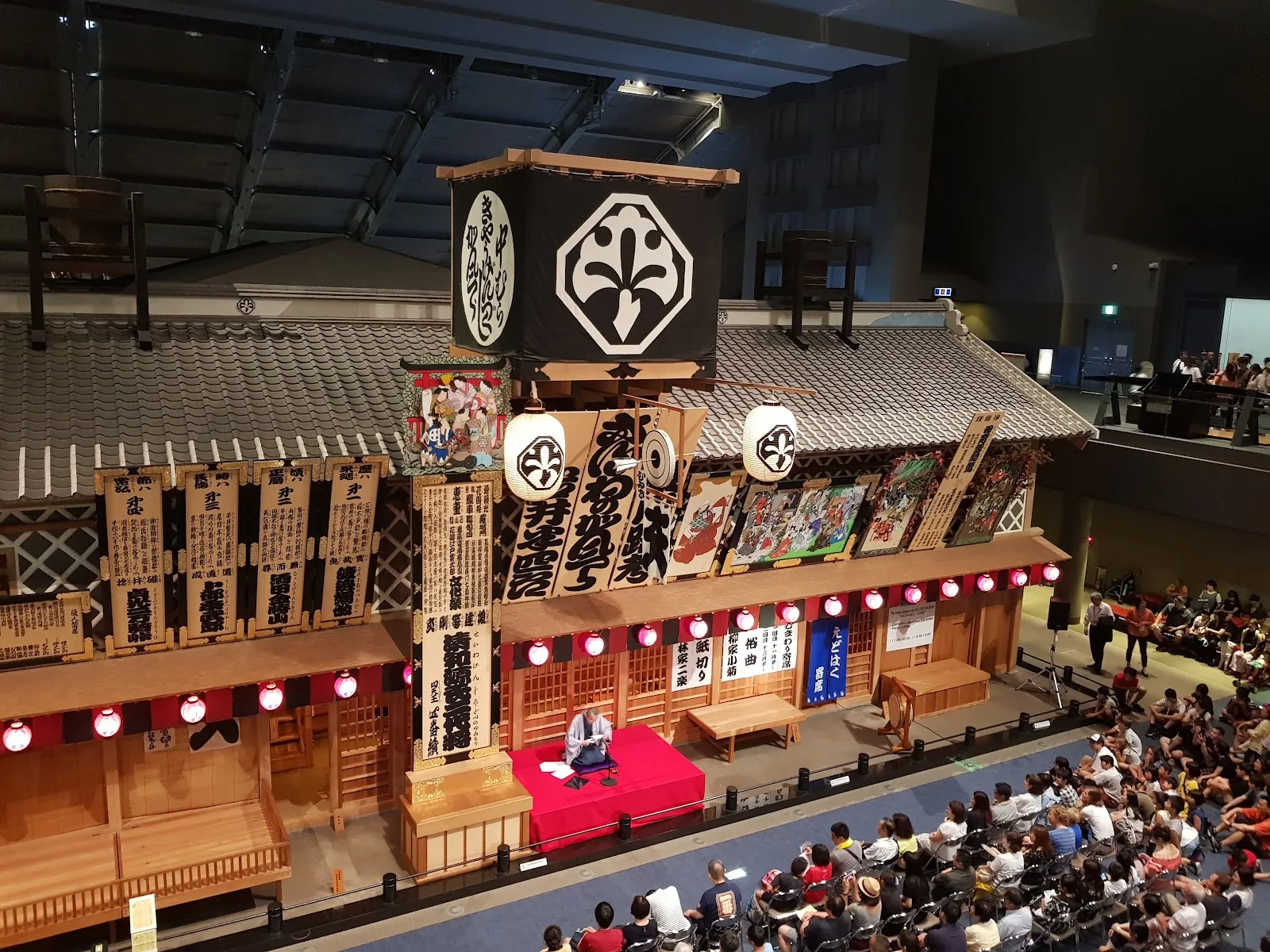
One of the exhibition’s central landmarks is a life-size replica of Nihonbashi, the bridge that connected Edo with routes to other parts of Japan. The scale gives you a sense of how the bridge shaped movement into and out of the city. Nearby, a large-scale facade recreates the Nakamura-za kabuki theatre.
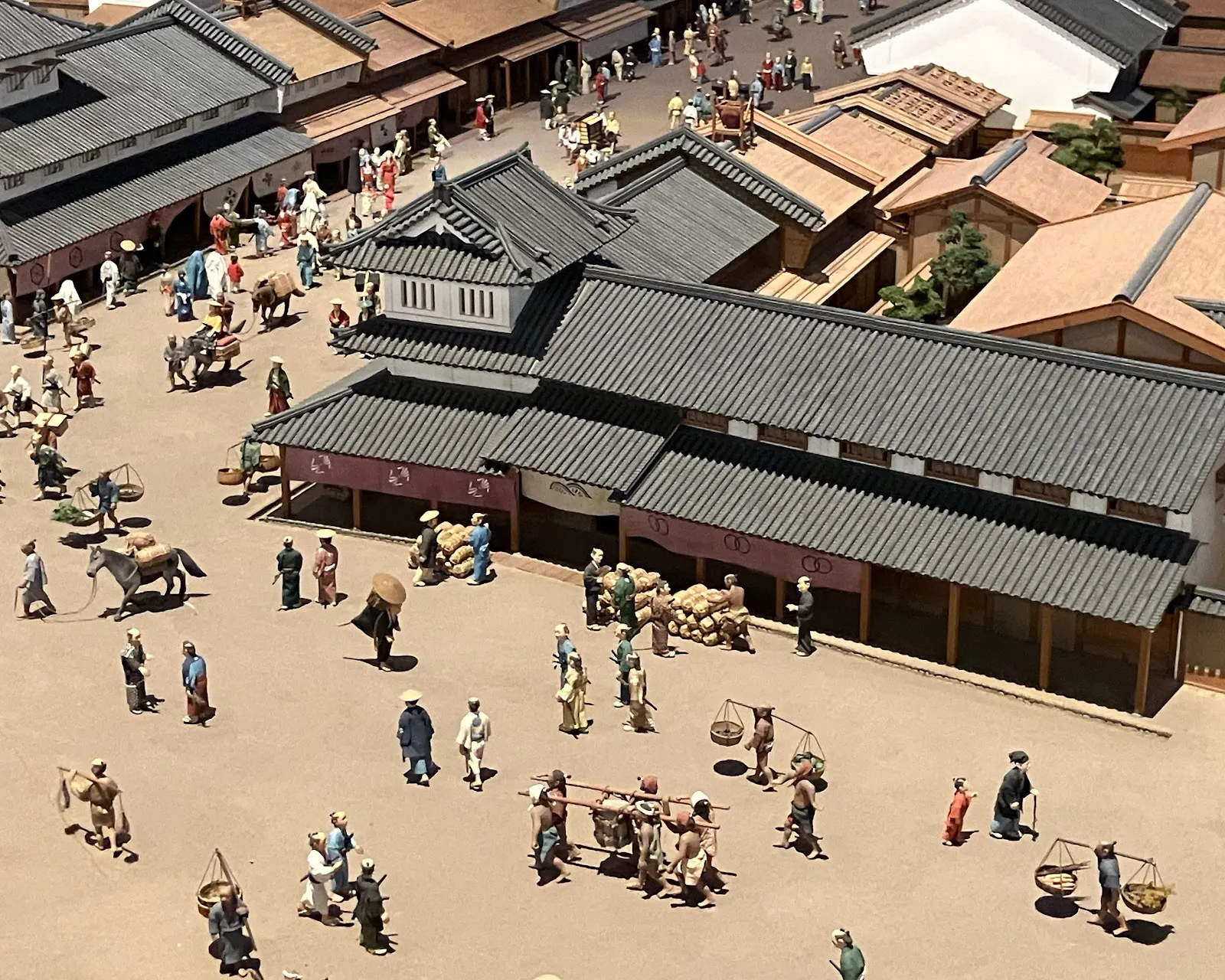
The Edo displays include reconstructed shops and homes, with household objects such as furniture and tableware shown close up. Detailed models depict streets, canals and rows of houses, while larger dioramas let you take in whole neighbourhoods from above. Look for displays of maps and ukiyo-e woodblock prints as well as objects linked to work, transport and everyday life. The mix of full-size settings and small-scale scenes helps connect individual belongings to the larger shape of the city.
The story continues into modern Tokyo
The museum’s Tokyo displays follow changes after the Edo period, including the spread of Western culture and the city’s later growth. Across the galleries, exhibits cover architecture, commerce, politics and social life, giving context to the shift from a shogunal capital to a modern metropolis.
Alongside the permanent exhibition, the museum holds special exhibitions on changing Tokyo-related themes. Check the museum’s official website for current exhibition information before your visit. Interactive displays and multilingual touch-screen panels provide additional ways to explore the material. English audio guides and guided tours can help if you want more explanation, since many exhibit labels are in Japanese.
Perguntas frequentes
How long do you need at the Edo-Tokyo Museum?
Allow around 3 to 4 hours to explore the displays and reconstructions.
What can you see at the Edo-Tokyo Museum?
Exhibits cover Tokyo’s history from the Edo period onward, including a life-size Nihonbashi replica, a kabuki theatre facade, reconstructed homes and shops, models, maps and ukiyo-e prints.
Are there English explanations at the Edo-Tokyo Museum?
English audio guides and guided tours are available. Many exhibit labels are in Japanese.
When is the Edo-Tokyo Museum closed?
It is closed on Mondays. Check the official website for current visitor information before you go.