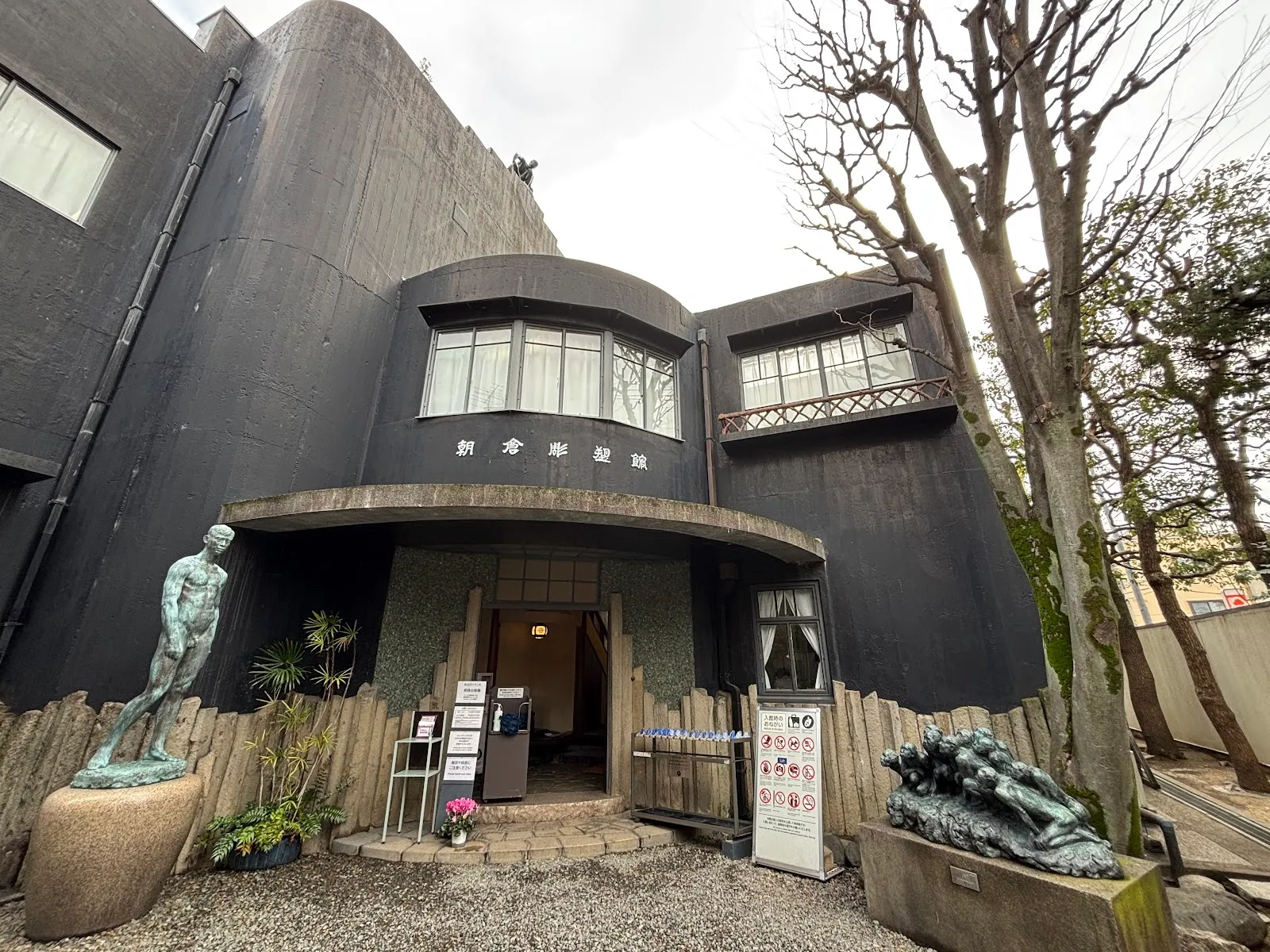
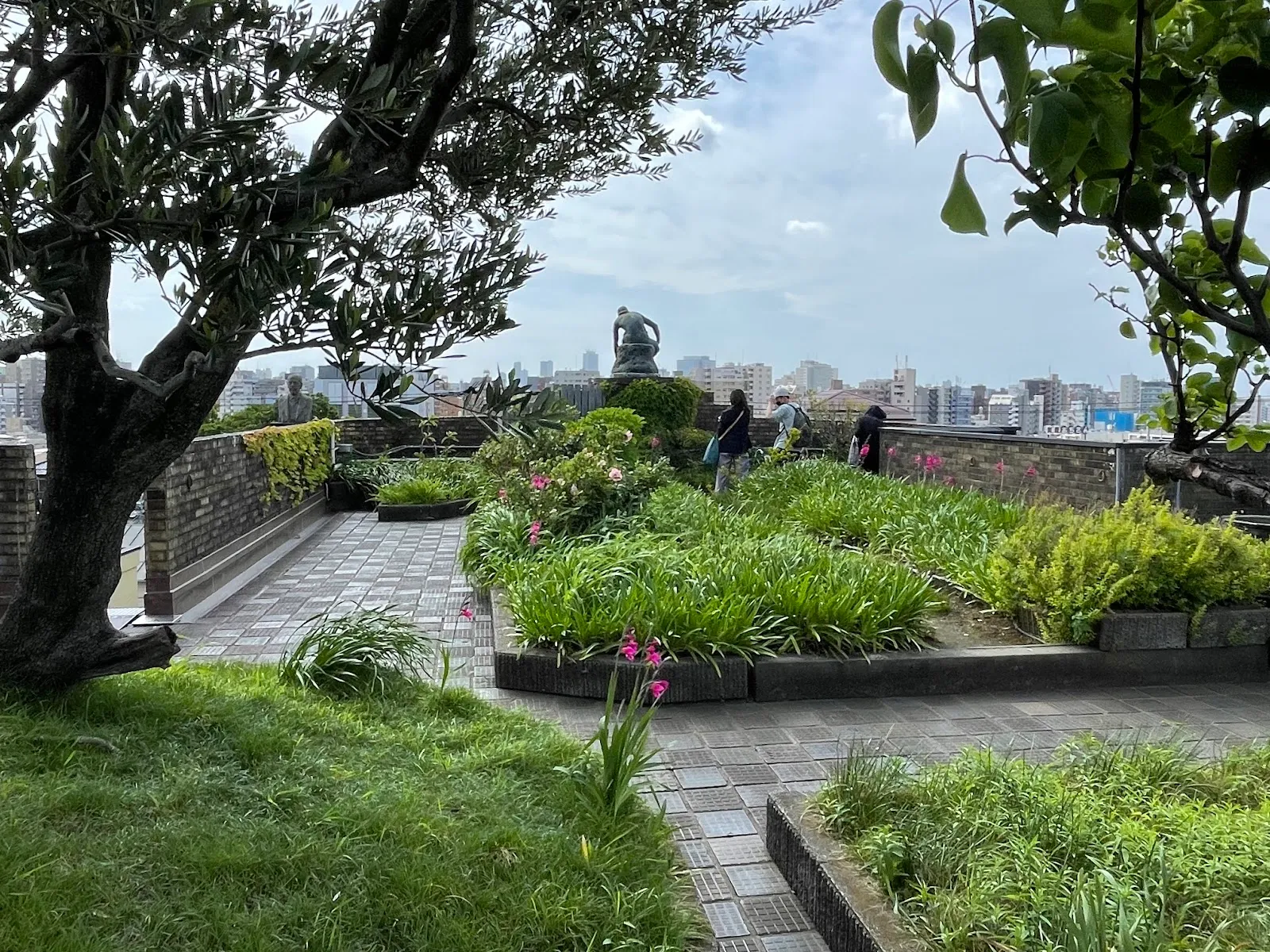
The Asakura Museum of Sculpture preserves the Tokyo home and studio of sculptor Fumio Asakura in Yanaka. The building is as much a part of the visit as the sculptures: Japanese-style rooms, carefully worked wood, a courtyard garden and pond lead to a large studio and rooftop garden. Inside, look for Asakura’s works, including the well-known Grave Keeper sculpture, and notice how the rooms frame the garden. You’ll remove your shoes and follow a set route through the house, so allow time to explore at an unhurried pace.
A home designed as a place to work
The museum was the home and studio of Fumio Asakura, a leading figure in modern Japanese sculpture. He designed the building himself and used it as both his residence and workplace. Its rooms preserve the close relationship between daily life and making art: the house includes Japanese-style interiors as well as a large studio built for sculpting.
Asakura also used the property to teach. Known as Asakura Choso Juku, or Asakura Sculpture School, it was a place where he welcomed students and trained disciples. The building therefore served as more than a private home; it was also a working studio and school.
Rooms, garden and studio
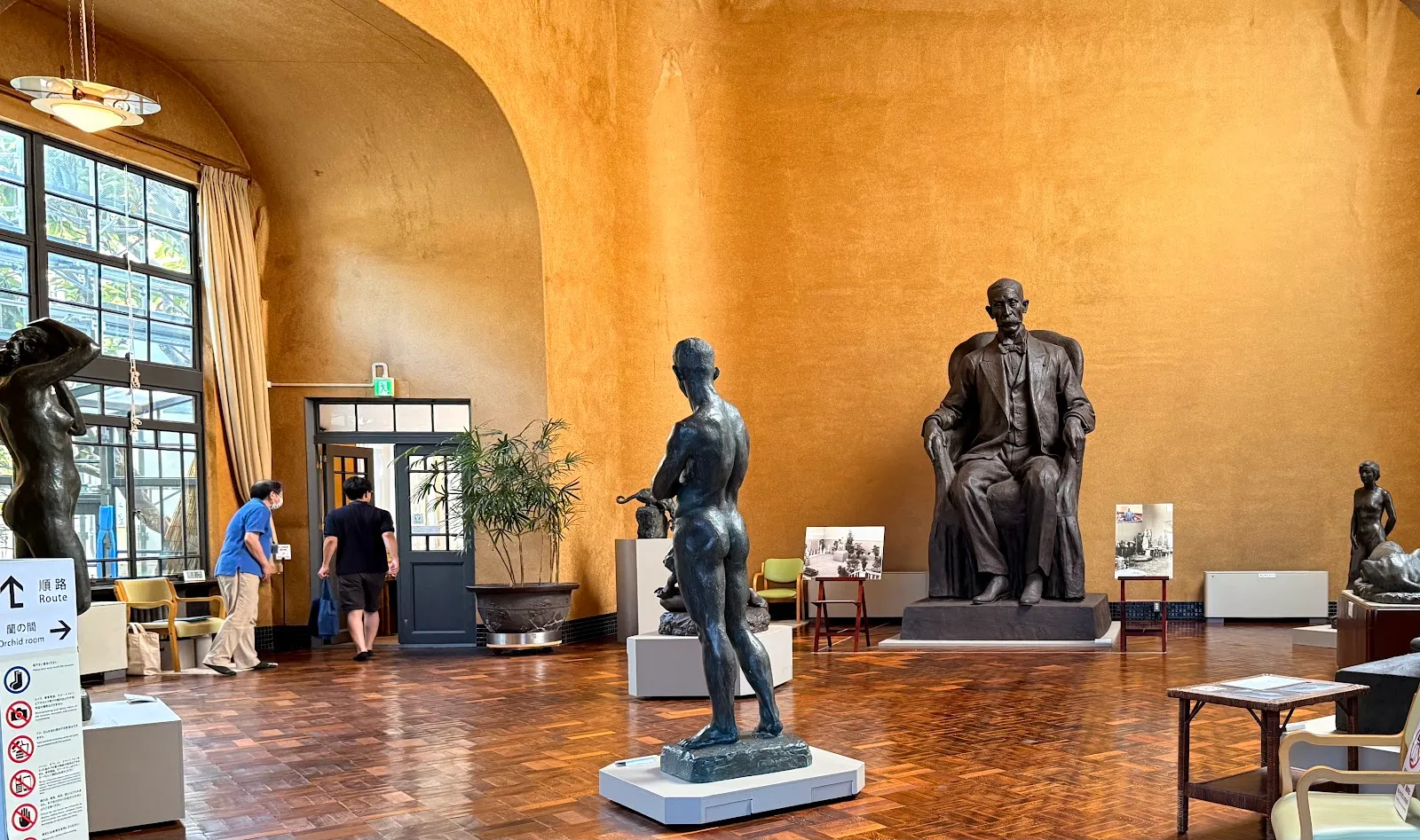
As you move through the house, look at the woodwork, furniture and details that shape each room. The Japanese-style spaces face the inner garden, where a pond forms part of the view. The arrangement makes the garden visible from inside the residence, while the studio offers a different scale, with its high, vaulted ceiling and room for large works.
The studio includes a mechanical lift beneath a large sculpture. Other spaces include the sunrise room and an orchid room. The rooftop garden adds another outdoor space to the visit and looks over the surrounding neighbourhood when open. Together, the rooms and gardens show how Asakura planned his working environment, not just where he displayed his art.
Sculptures and a respectful visit
The collection includes Asakura’s realist sculpture, with works depicting people and cats. Grave Keeper is among his best-known pieces. Asakura was an avid cat lover, and his sculptures are noted for conveying a sense of movement. The works are shown within the former home and studio, so the setting provides context for the art and for the sculptor’s creative life.
The visit follows a set route through the house. You must remove your shoes at the entrance and carry them in a bag provided there; wearing socks makes the visit more comfortable. Photography is limited to designated areas, including the orchid room and marked spots in the studio and sunrise room. The building is not wheelchair accessible. Leaflets are available in several languages, and English-speaking guides may be available; check with the museum if you need one.
Perguntas frequentes
How long should I spend at the Asakura Museum of Sculpture?
Allow around 1.5 hours to see the house, studio, garden and sculptures at a comfortable pace.
Do I need to remove my shoes?
Yes. Shoes come off at the entrance, and you carry them in a bag provided by the museum. Wear socks.
Can I take photographs inside?
Photography is restricted to designated places, including the orchid room and marked areas in the studio and sunrise room.
Is the museum wheelchair accessible?
No. The building is not wheelchair accessible.