Planeje uma viagem
Idioma: Português (BR)
Planejador de viagensPlaneje sua viagem em um mapa

Principais destinos

EnglishDeutschFrançaisEspañolPortuguêsPortuguês (BR)Italiano
Alerta de viagem · EgitoAlguns governos recomendam evitar viagens a partes de Egito.Os alertas cobrem apenas estas áreas: Strish 50 km a-hed ar frontier Libia, Strish Gaza, Frontier Libia (heb donder termenet), Rannvro Sinai An Norzh, Frontier Sudan (heb donder termenet), Desert ar C'hornôg, Rannvro Ismailia (a-zehou kanol Suez), Norzh Rannvro Sinai Su (a-viskoazh hent Santez Katell–Nuweiba).As recomendações dependem do seu passaporte. Leia a recomendação do governo do seu país antes de reservar.Recomendação oficial
Áreas com alertas
  • Strish 50 km a-hed ar frontier Libia · evitar todas as viagens · Canadá, Nova Zelândia
  • Strish Gaza · evitar todas as viagens · Canadá, França, Nova Zelândia
  • Frontier Libia (heb donder termenet) · evitar todas as viagens · Alemanha, Espanha, França, Itália
  • Rannvro Sinai An Norzh · evitar todas as viagens · Canadá, Espanha, França, Irlanda, Nova Zelândia, Reino Unido
  • Frontier Sudan (heb donder termenet) · evitar todas as viagens · Alemanha, Espanha, França, Itália
  • Desert ar C'hornôg · evitar todas as viagens · Canadá, Nova Zelândia, Reino Unido, EUA
  • Rannvro Ismailia (a-zehou kanol Suez) · evitar viagens não essenciais · Canadá, Reino Unido
  • Norzh Rannvro Sinai Su (a-viskoazh hent Santez Katell–Nuweiba) · evitar viagens não essenciais · Canadá, Nova Zelândia, Reino Unido

Também indicado por um governo: Strish 20 km a-hed ar frontier Libia (Reino Unido), Takadoù ar frontier (zonennoù milourel) (EUA), Takad ar frontier etre Egipt ha Israel (Alemanha), Penn-enez Sinai an norzh hag ar greiz (EUA), Rannvro Port Said (a-zehou kanol Suez) (Canadá), Takad frontier Rafah (Espanha), Rannvro Suez (a-zehou kanol Suez) (Canadá), Hent Bahariya–Siwa (Reino Unido), Trapez Bir Tawil (Reino Unido), Desert a-gornôg da Versa Matruh, Faiyum ha Abu Simbel (França), Rannvro Gebel Uweinat hag ar Gilf el-Kebir (Itália), Triangl Halaib (Reino Unido), Takadoù desert n'int ket touristel (Itália), Lec'h tremen ar frontier Rafah (Irlanda), Penn-enez Sinai Su (Alemanha)

GovernoRecomendaçõesAtualizadoLeia a recomendação
Reino Unido (FCDO)No advice against the whole country (regional advisories)–Leia a recomendação
Estados Unidos (Departamento de Estado)Exercise increased caution (regional advisories)15 de jul. de 2025Leia a recomendação
Canadá (Global Affairs)Exercise a high degree of caution (regional advisories)–Leia a recomendação
Alemanha (Auswärtiges Amt)Besondere Vorsicht walten lassen (keine Gesamtwarnung) (regional advisories)13 de out. de 2026Leia a recomendação
Nova Zelândia (SafeTravel)Exercise increased caution elsewhere in Egypt (regional advisories)–Leia a recomendação
Irlanda (Departamento de Relações Exteriores)High degree of caution (regional advisories)–Leia a recomendação
França (Ministério da Europa e Relações Exteriores)Increased vigilance for the rest of the country (regional advisories)–Leia a recomendação

Verificado diariamente com base nas recomendações publicadas pelos governos; última verificação em 3 de nov. de 2026.RoamLedger resume recomendações oficiais; não são recomendações de nenhum governo.

Al-Rifa'i Mosque
Mesquita

Al-Rifa'i Mosque

Al-Rifa’i Mosque stands opposite Sultan Hassan Mosque in Cairo’s historic Al-Darb al-Ahmar district.

Al-Rifa’i Mosque stands opposite Sultan Hassan Mosque in Cairo’s historic Al-Darb al-Ahmar district. Completed in 1912 after construction began in 1869, it combines Mamluk-inspired forms with details from a later period. Inside, look up to the high skylight ceilings and notice the decorated royal tombs, including those of Egyptian rulers and Mohammad Reza Pahlavi, Iran’s last shah. The enclosed prayer hall has a different feel from the neighboring mosque’s courtyard. Visit both if you want to compare their architecture and interiors.

A royal mosque beside Sultan Hassan
Al-Rifa'i Mosque
Al-Rifa'i Mosque

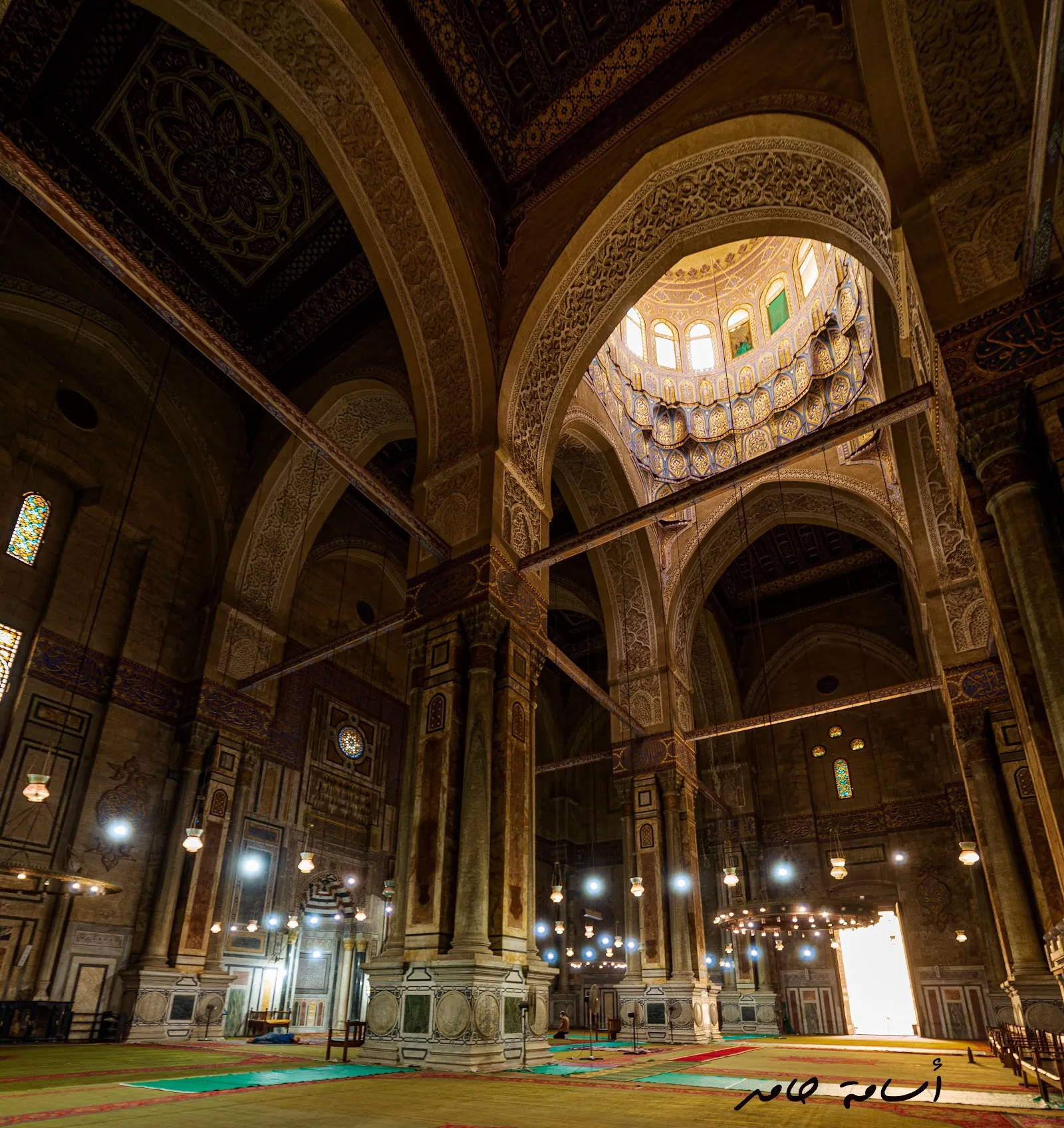
Al-Rifa’i Mosque stands opposite the Mosque-Madrassa of Sultan Hassan in Cairo’s Al-Darb al-Ahmar district. The two buildings sit side by side, but their interiors differ: Sultan Hassan has a courtyard, while Al-Rifa’i’s main prayer space is enclosed beneath a high ceiling.

The mosque was commissioned by Khushyar Hanim, mother of Khedive Isma'il. Construction began in 1869 and the building was completed in 1912. Its design draws on Mamluk forms while incorporating elements associated with later architecture. The central dome and tall minarets give the exterior a formal, monumental profile.

Inside the mosque
Al-Rifa'i Mosque
Al-Rifa'i Mosque

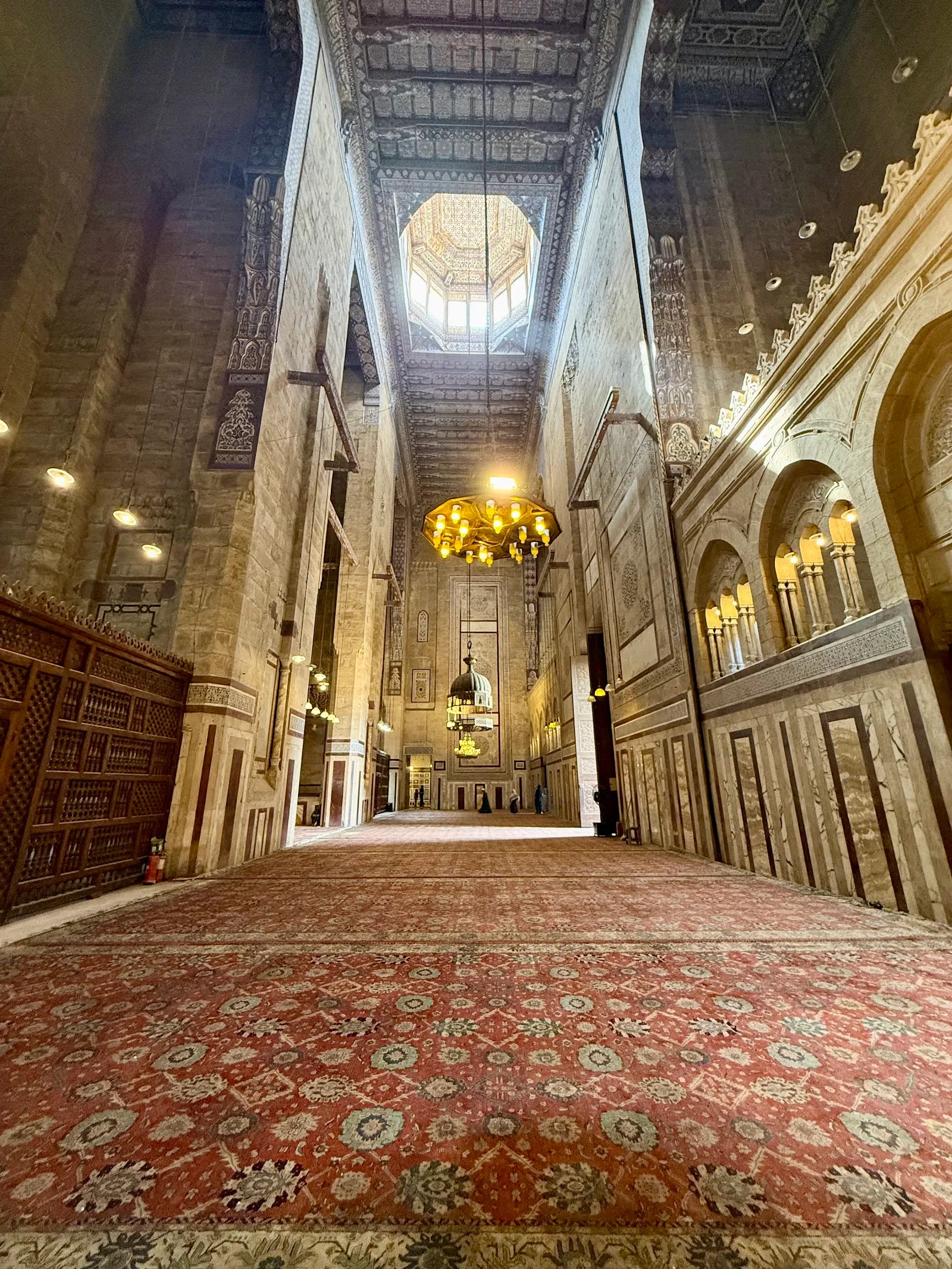
The enclosed interior feels spacious, with high skylight ceilings and detailed decoration across the walls. Take time to look upward and notice how the light enters the hall. The building is also known for its acoustics, another detail an attendant may point out during a visit.

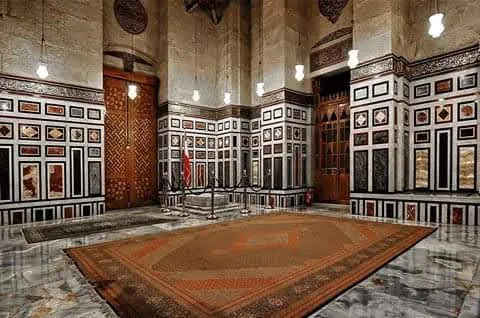
The royal tombs are among the main reasons to come inside. They include the resting places of members of Egypt’s royal family, among them Khedive Isma'il and King Fuad I. Mohammad Reza Pahlavi, the last shah of Iran, is also buried here. Access to the tomb area may depend on an attendant, so ask if you would like to see it.

Planning a visit with Sultan Hassan Mosque

The two mosques face one another, so visiting them in the same outing makes it easy to compare their architecture. Al-Rifa’i’s decorated interior and enclosed prayer hall contrast with the courtyard layout of Sultan Hassan. Some visitors report that a shared ticket covers both sites, but ticket arrangements are not specified here; check at the entrance before planning around that option.

Remove your shoes before entering. If you leave them with an attendant, bring a little cash for the service. A guide can add context to the building’s history and royal burials, while an attendant may also show you details such as the mosque’s acoustics.

Perguntas frequentes

Where is Al-Rifa’i Mosque?

It is in Cairo’s Al-Darb al-Ahmar district, directly opposite Sultan Hassan Mosque.

Who is buried at Al-Rifa’i Mosque?

The mosque contains tombs of members of Egypt’s royal family, including Khedive Isma'il and King Fuad I. Mohammad Reza Pahlavi, Iran’s last shah, is also buried there.

Can you visit the royal tombs?

Ask an attendant about access to the tombs. Entry may require the attendant’s assistance.

Do you need to remove your shoes?

Yes. Remove your shoes before entering the mosque; bring a little cash if you leave them with an attendant.


Mais atrações imperdíveis em Cairo

Explorar tudo