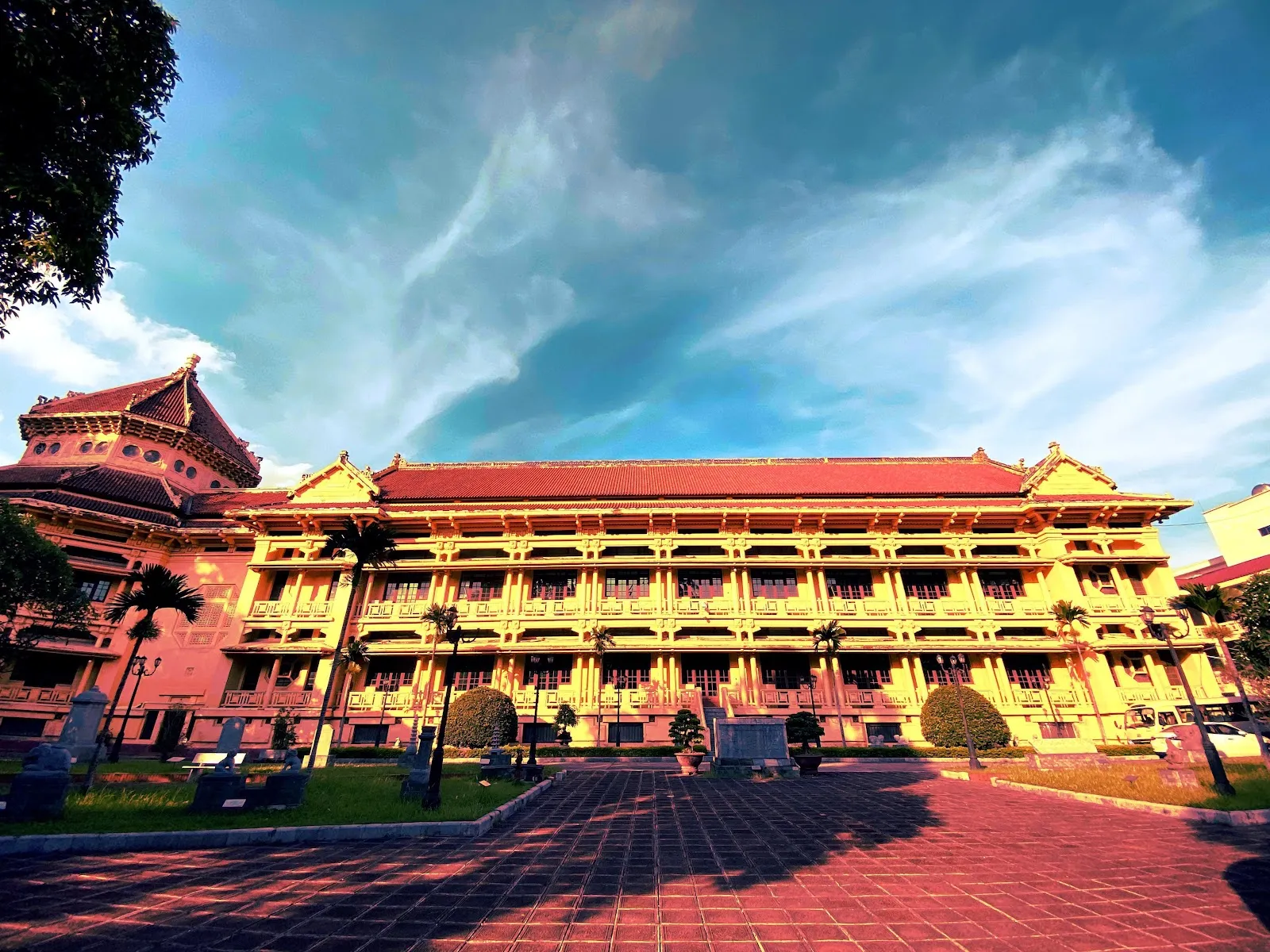
The Vietnam National Museum of History traces Vietnam’s past through archaeological finds, artworks and documents, from prehistoric times to modern history. Its main exhibition building at 1 Tràng Tiền Street is near the Hanoi Opera House, and a second site at 216 Trần Quang Khải Street covers more recent history. Look for Dong Son bronze drums, Cham sculpture and objects from the Nguyễn dynasty. The bilingual labels help you follow the displays, while the French and Vietnamese-influenced architecture adds another reason to pause between galleries.
Two sites, different periods
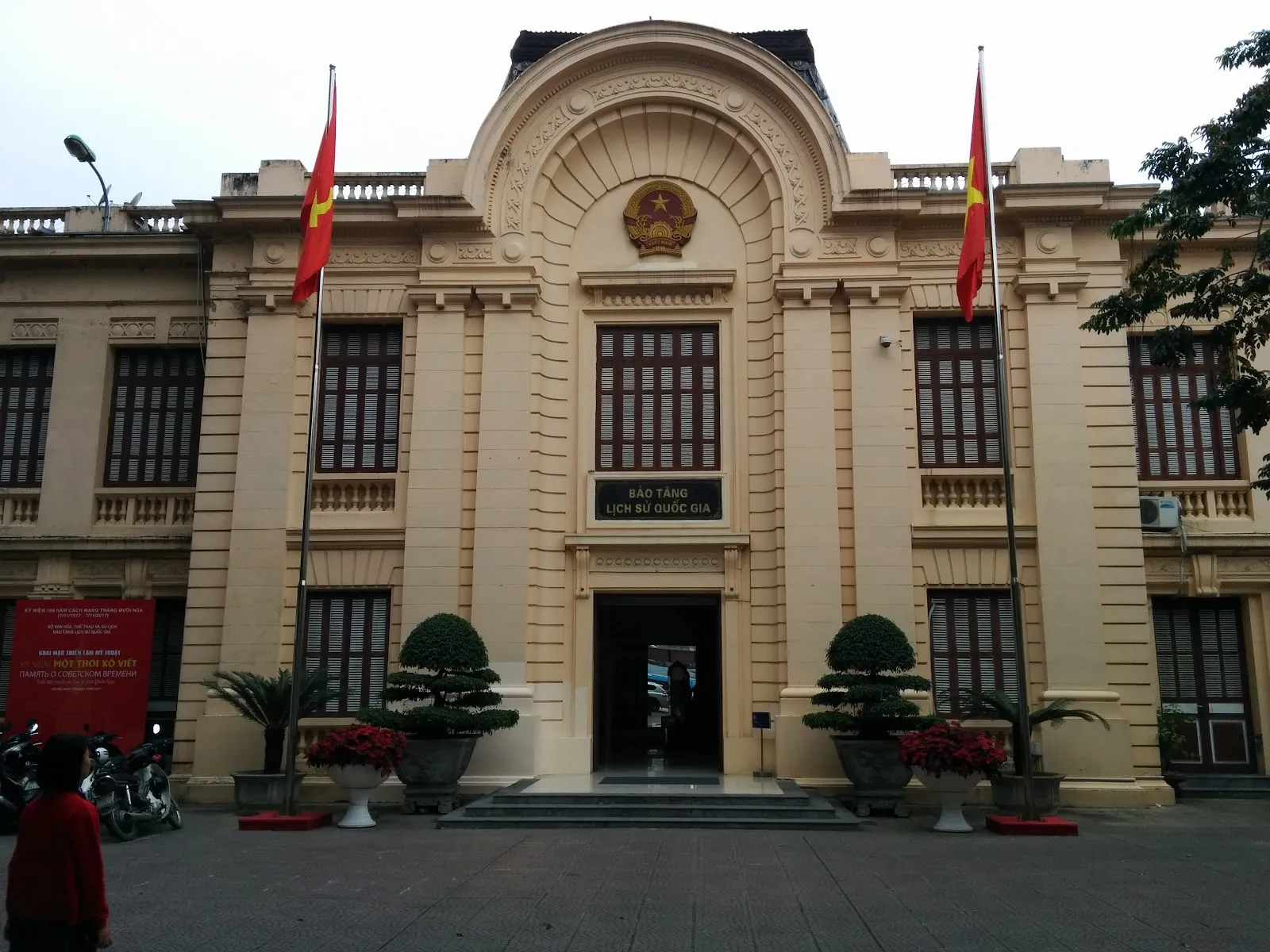
The museum’s collections are displayed at two locations. The main site at 1 Tràng Tiền Street covers Vietnamese history from prehistoric times through the Nguyễn dynasty and 1945. The site at 216 Trần Quang Khải Street focuses on the mid-19th century to the present, including the revolutionary period and later conflicts. The two buildings are close to each other, but they cover different material, so check which periods interest you before setting out.
The galleries at Tràng Tiền are arranged chronologically. That gives the visit a clear route through archaeological finds, ancient cultures and successive dynasties. At the second site, displays turn to more recent political and social history. English and Vietnamese descriptions accompany many objects. An audio guide or a guide can add narration if you want more context as you move through the rooms.
Objects to look for
The collection spans prehistoric finds through modern history. Early galleries include archaeological objects such as pottery, jewelry and carvings, as well as material connected with Vietnam’s Bronze Age. Dong Son culture is represented by bronze drums, among the collection’s notable objects.
Other displays include ceramics, artifacts from the Lê and Nguyễn dynasties, and stone sculpture associated with Cham culture. A separate section is devoted to Cham objects. At the Trần Quang Khải site, exhibits address Vietnam’s more recent past, including the period of French colonial rule and the country’s revolutionary history. Documents and personal objects help give these chapters a material focus beyond dates and events.
The museum building
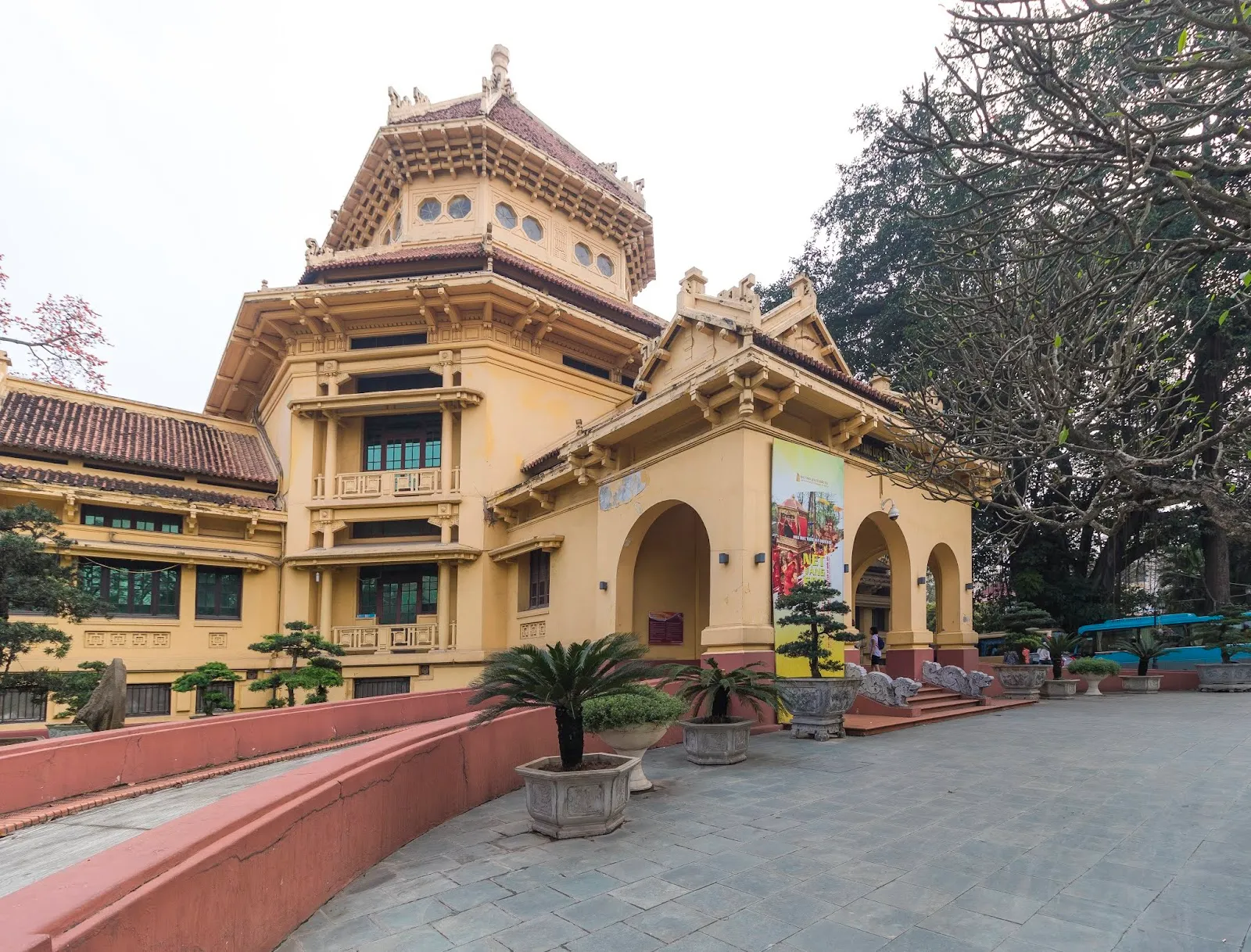
The Tràng Tiền building was designed by Ernest Hébrard and completed in 1932. Its architecture brings together French and Vietnamese influences, and the exterior is part of the visit: look at the building as well as the objects inside. Before it became a museum, it was associated with the French School of the Far East. The government took over the institution in 1958 and adapted it to present Vietnamese history.
The museum was formed in 2011 through the merger of the National Museum of Vietnamese History and the Museum of the Vietnamese Revolution. Its two exhibition sites reflect that combined scope, from early archaeological material to modern historical records. Some areas have been affected by renovation, so the galleries accessible during a visit may not always be the same.
Häufige Fragen
How long should I spend at the Vietnam National Museum of History?
Allow one to two hours for a visit. Exploring both sites and reading the displays can take longer.
What is shown at the two museum sites?
The site at 1 Tràng Tiền covers history from prehistoric times to 1945. The site at 216 Trần Quang Khải focuses on the mid-19th century to the present.
Is the museum closed on Mondays?
Yes. The museum is closed on Mondays.
What are some highlights of the collection?
Look for Dong Son bronze drums, Cham stone sculpture, ceramics and objects from the Lê and Nguyễn dynasties.