Ho Chi Minh’s Mausoleum stands on Ba Dinh Square in Hanoi, where Ho Chi Minh declared Vietnam’s independence in 1945. The granite building holds his preserved body, and the quiet, closely guided visit gives the site a distinctly ceremonial feel. The surrounding complex also includes the Ho Chi Minh Museum, his stilt house and the One Pillar Pagoda, so you can see several places connected with his life and Vietnam’s modern history in one stop. Entry to the mausoleum is free; the museum requires a separate ticket.
Ba Dinh Square and the mausoleum
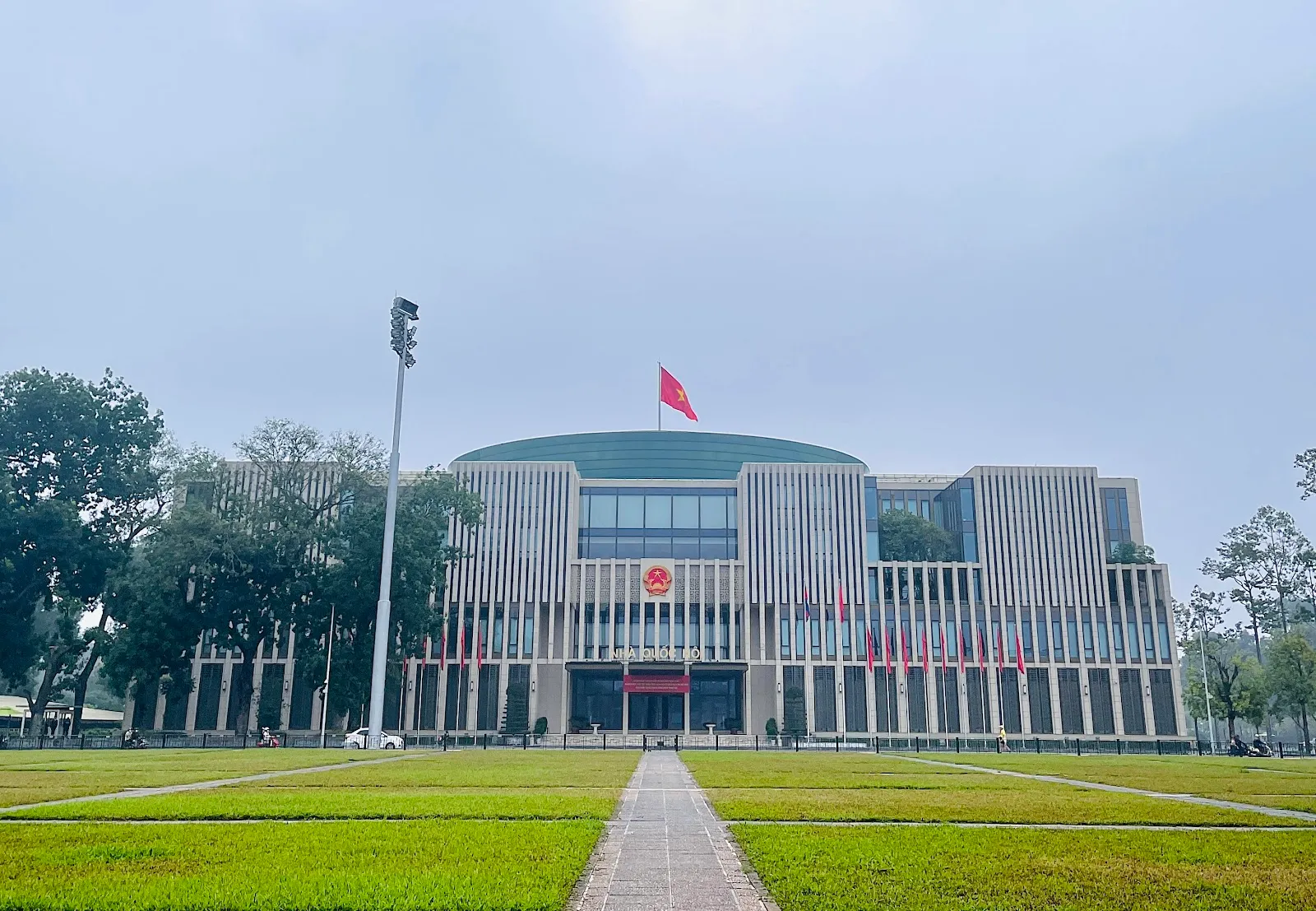
The mausoleum occupies the centre of Ba Dinh Square, the place where Ho Chi Minh declared Vietnam’s independence on 2 September 1945. His remains are preserved inside the granite building, which was completed in 1975. The square and the mausoleum are important national sites, and many Vietnamese visitors come to pay their respects.
Ho Chi Minh was a revolutionary leader who helped lead Vietnam’s independence movement against French colonial rule. He became president of the Democratic Republic of Vietnam. His name is also familiar well beyond Hanoi: the southern city once called Saigon was later renamed Ho Chi Minh City in his honour. The mausoleum gives a direct, solemn connection to this part of the country’s history.
What to expect inside
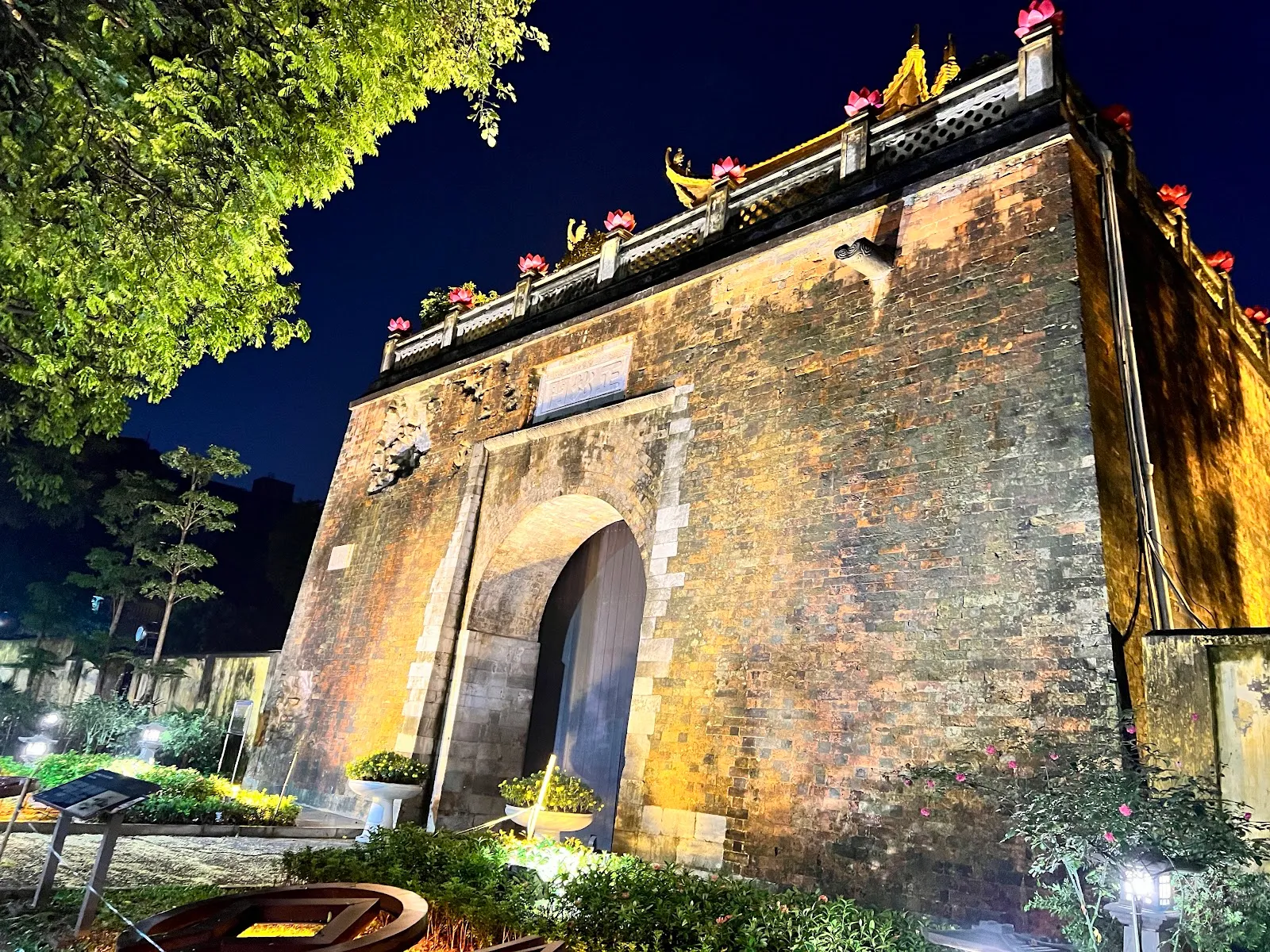
Visitors move through the mausoleum in a quiet, controlled procession. The preserved body is displayed in a glass case, guarded by military honour guards. The visit is brief, and you keep moving rather than stopping inside. Phones and cameras are not permitted in the mausoleum, so put them away before entering and follow the staff’s directions.
The formal atmosphere is part of the visit. Dress modestly, with knees and shoulders covered, and maintain silence inside. Security checks take place before entry. Queues can form, particularly when many local groups arrive, but visitors move through in an orderly line. The morning opening window makes an early start useful if you want time to see more of the complex.
Other sites in the complex
The mausoleum is one part of a larger area devoted to Ho Chi Minh and Vietnam’s political history. The Ho Chi Minh Museum presents documents and objects related to his life and the country’s revolutionary history. It has a separate admission charge, so check the arrangements if you plan to include it.
The grounds also contain Ho Chi Minh’s stilt house, where he lived and worked, and the One Pillar Pagoda. These nearby stops add context to the mausoleum visit and can be combined on foot within the complex. Ba Dinh Square itself is worth taking time to see: it is the setting for major national events and the place where the 1945 declaration was delivered.
Planning your visit
The mausoleum is open in the morning on Tuesday, Wednesday, Thursday, Saturday and Sunday, and closed on Monday and Friday. Opening days and arrangements matter here, so check the official website before setting out, especially if your Hanoi schedule is tight. The mausoleum does not charge an entry fee; the museum is separate.
Allow extra time for the security check and queue, even though the viewing itself is short. If you are not comfortable seeing preserved human remains, you can skip the interior and visit the square and surrounding sites instead. The grounds and nearby buildings still offer a way to understand the site’s place in Hanoi’s public life and history.
Häufige Fragen
Is entry to Ho Chi Minh’s Mausoleum free?
Yes. Entry to the mausoleum is free. The Ho Chi Minh Museum requires a separate ticket.
Which days is the mausoleum open?
It is open Tuesday, Wednesday, Thursday, Saturday and Sunday mornings. It is closed on Mondays and Fridays.
What should I wear to the mausoleum?
Wear clothing that covers your knees and shoulders. Visitors are expected to dress modestly.
Can you take photos inside Ho Chi Minh’s Mausoleum?
No. Photography is not allowed inside the mausoleum.
How long does a visit take?
Allow about 40 to 60 minutes for the mausoleum visit, including the queue and security check. Add more time if you plan to visit the museum or other sites in the complex.