At 415 Barren Springs Drive in Houston, the National Museum of Funeral History examines how people have commemorated and cared for the dead. Its exhibits cover funeral customs across cultures, embalming, coffins and caskets, and the history of hearses. Look for displays on American presidential funerals and papal rites, including wax figures depicting parts of papal ceremonies. The subject is approached as history and cultural practice, with plenty to read and see. Plan at least two hours; older children can take part in a scavenger hunt, while the material may hold less interest for younger ones.
What the museum covers
The National Museum of Funeral History is at 415 Barren Springs Drive in Houston. It opened in 1992 and is devoted to funeral practices, artifacts and the history of death care. Its exhibits approach funerals through the objects, customs and work associated with them, giving the subject a cultural and historical context.
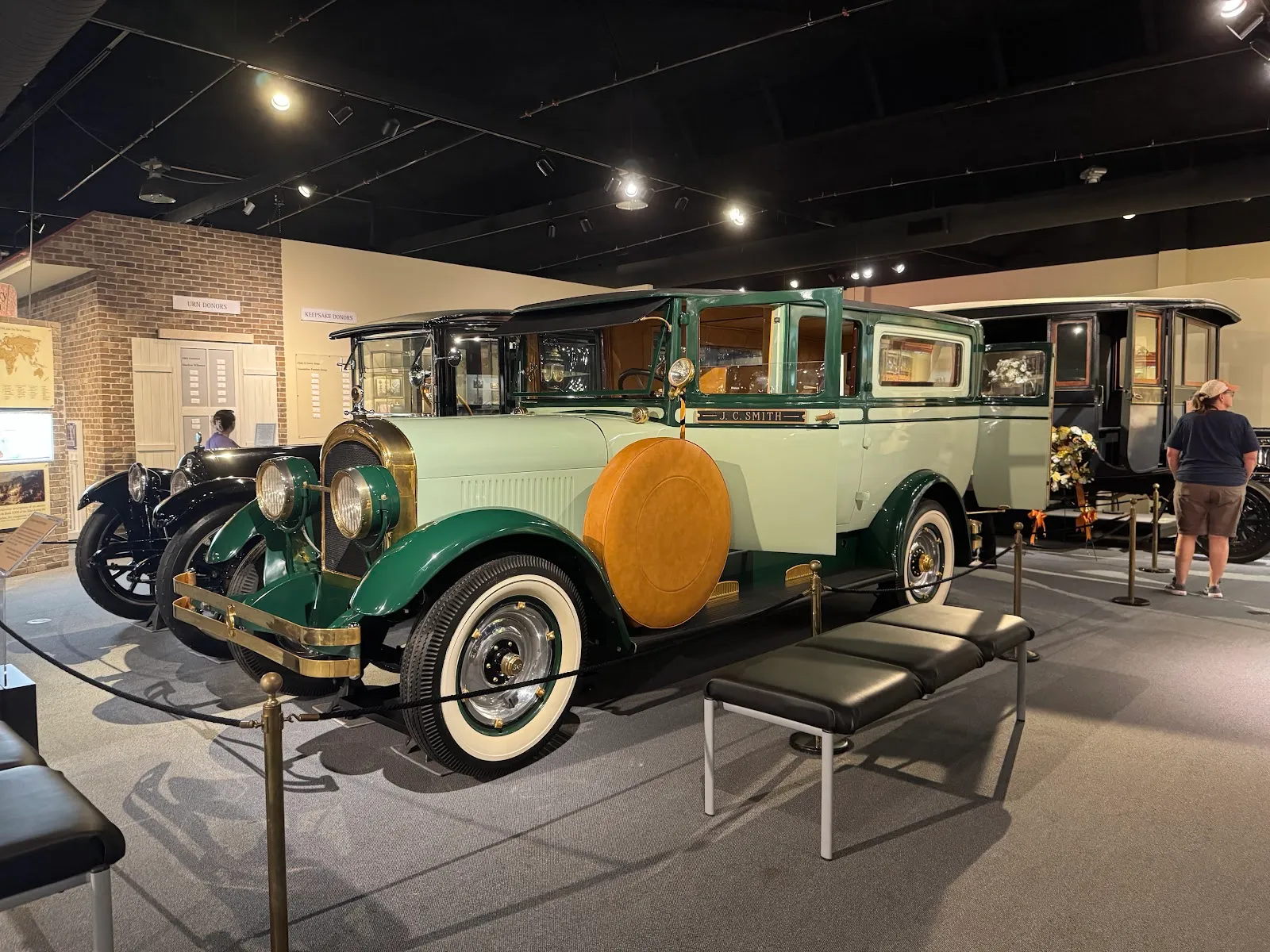
The displays span different traditions and periods. You can find material on embalming, cremation, coffins and caskets, as well as the tools and objects used in funeral services. The collection includes historic hearses and funeral memorabilia. Some exhibits focus on specific cultures or ceremonies; others look at the funerals of notable people and events.
Horses, hearses and notable funerals
Historic hearses and carriages are among the museum’s most distinctive displays. Their changing forms give a close look at the vehicles used in funeral processions. Exhibits on American presidents’ funerals bring together artifacts connected with those services, while displays on famous figures include funeral memorabilia associated with people such as Michael Jackson and Janis Joplin.
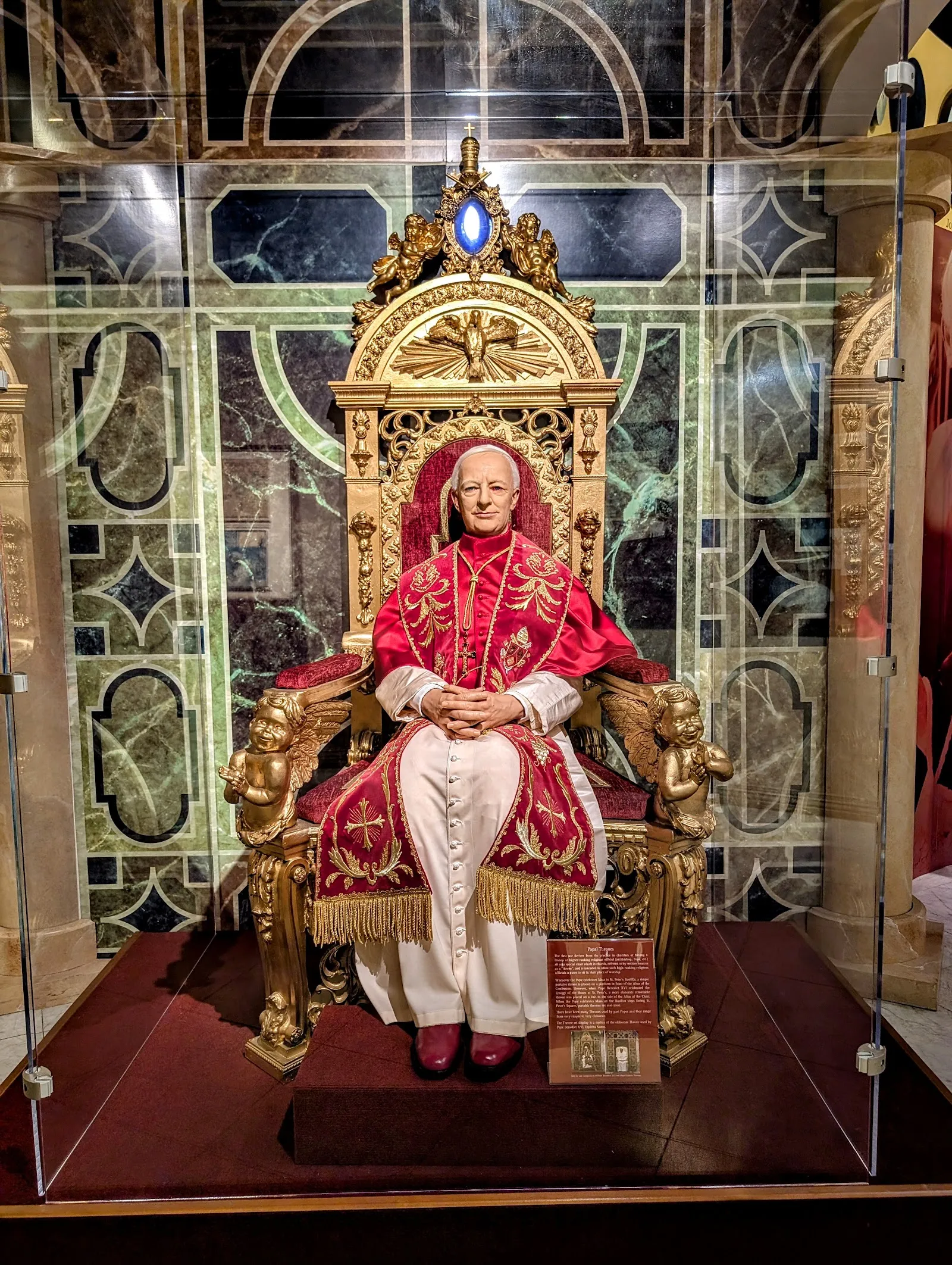
The museum also examines papal funerals. Wax figures recreate parts of papal ceremonies, presenting the objects and rituals involved. Other exhibits look at practices beyond the United States, including funeral customs around the world and coffins from different places. The range gives you several ways to follow the subject, whether you are drawn to vehicles, ceremonial traditions or the history of funeral work.
Planning your visit
The museum is a substantial visit, especially if you read the information accompanying each display. Set aside at least two hours, and leave more time if you want to examine the exhibits in detail. A counter-clockwise route is suggested as a way to move through the museum smoothly.
Families with older children can ask about the scavenger hunt. The museum’s subject and exhibits are likely to suit adults and older children better than younger visitors. There is a themed gift shop at the museum, and parking is available on site. The building has a wheelchair-accessible entrance, elevator, restrooms, seating and parking.
Häufige Fragen
How long should I plan for the museum?
Allow at least two hours. If you like to read the exhibit information closely, plan for longer.
What can I see at the National Museum of Funeral History?
Exhibits cover historic hearses, embalming, coffins and caskets, funeral traditions around the world, and presidential and papal funerals.
Is the museum suitable for children?
Older children may enjoy the scavenger hunt. Younger children may find less to interest them.
Is parking available at the museum?
Yes. The museum has on-site parking.