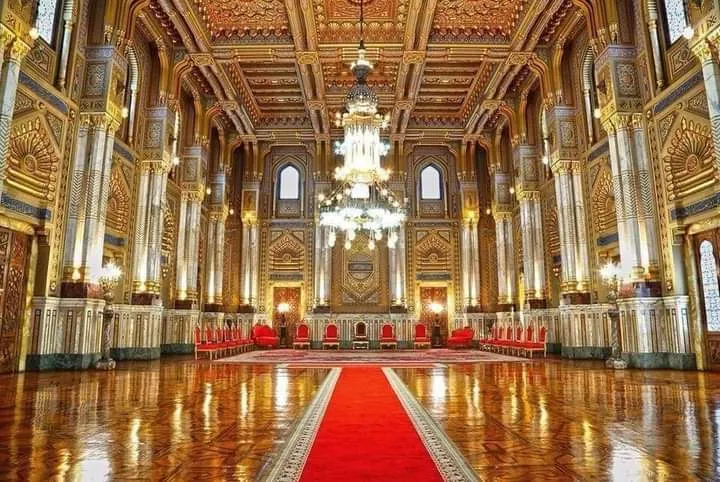
Al-Hussein Mosque stands beside Khan el-Khalili in Cairo’s Islamic quarter and is an important place of worship associated with Husayn ibn Ali, the Prophet Muhammad’s grandson. Some traditions hold that his head is buried at the shrine; accounts of its resting place differ. Inside, look for the shrine and the mosque’s layered architectural details, shaped by successive renovations. The mosque remains an active prayer site, so plan your visit with care and dress modestly. Wekalet El Ghouri and Al-Azhar market are nearby.
A shrine with different traditions
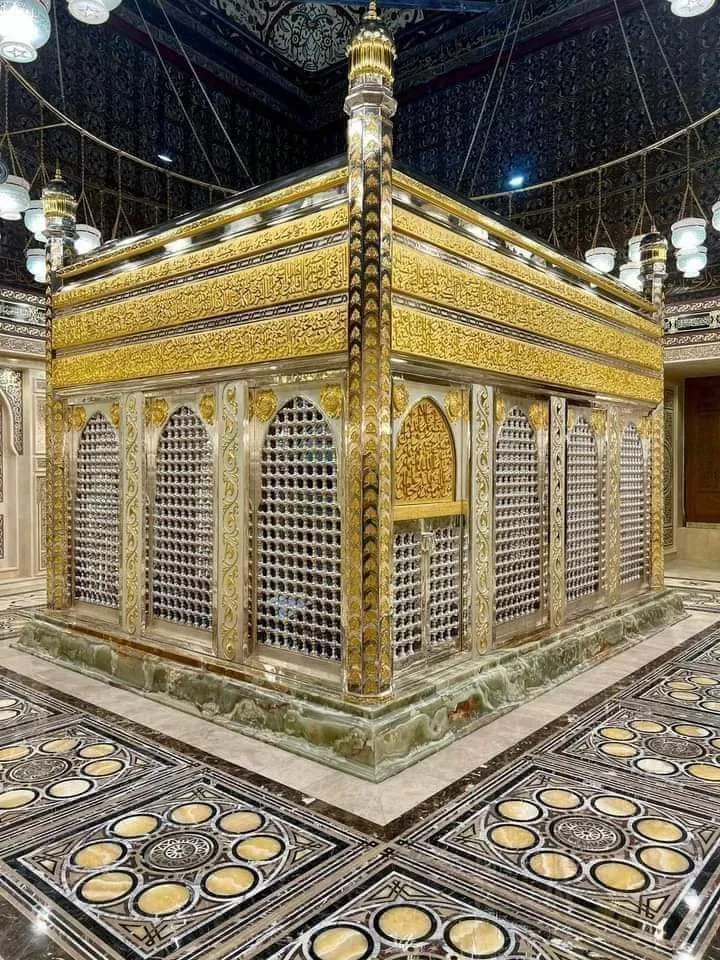
Al-Hussein Mosque is associated with Husayn ibn Ali, the grandson of the Prophet Muhammad. Some Muslims believe his head is buried at the mosque, where a shrine marks the site. Other traditions place it elsewhere, including Karbala. The mosque is an important place of worship and pilgrimage, and the shrine holds particular significance for many visitors.
Accounts of the shrine’s history differ. One tradition links its location in Cairo to the Fatimids, who established a mosque and memorial shrine there. The building has been altered and rebuilt over time, so its present form reflects more than one period.
Changes to the building
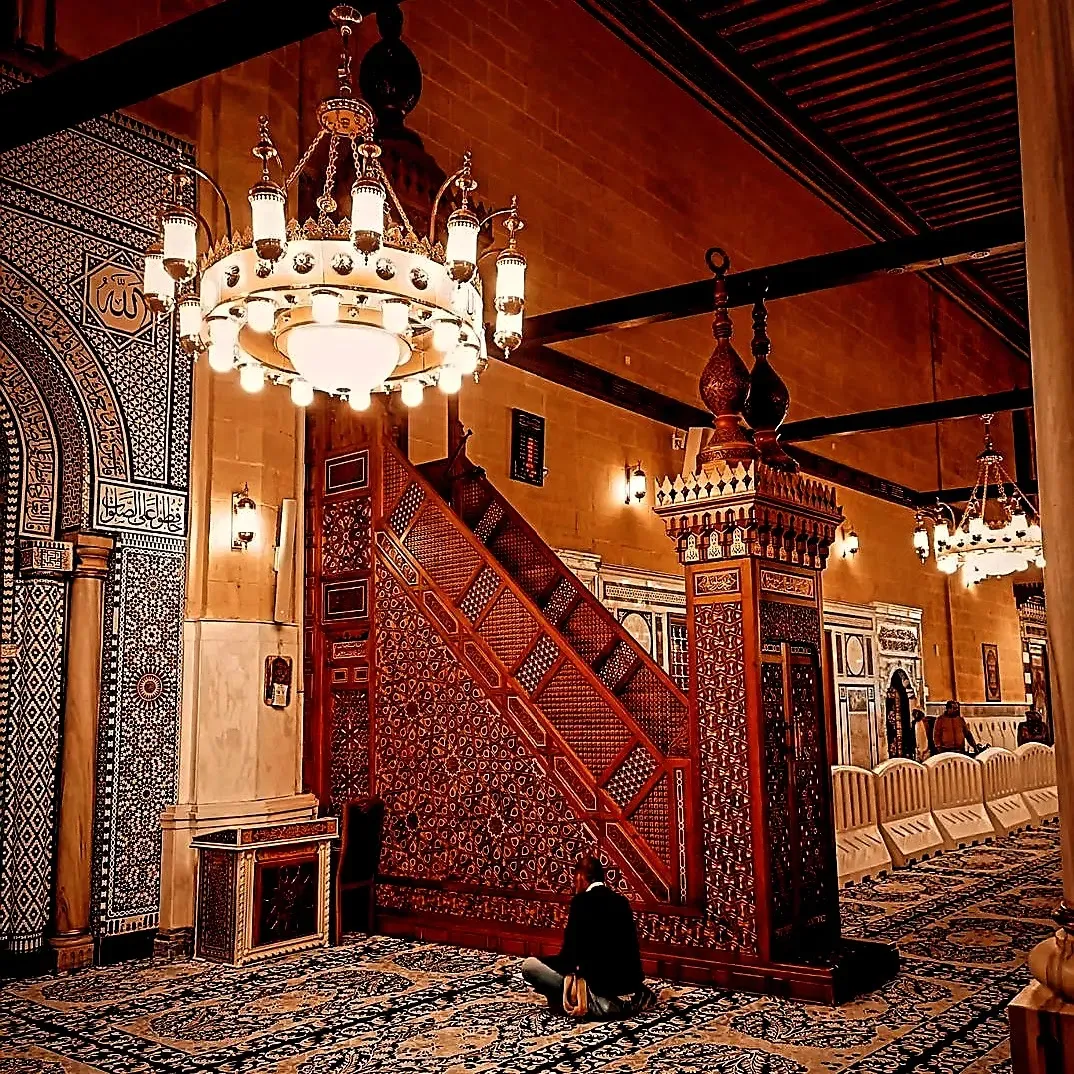
The mosque was rebuilt under the Ayyubids in 1237, and the building was later destroyed by fire. The minaret above the Bab al-Akhdar gate is identified as the surviving part of the Ayyubid mosque. In the 19th century, Isma'il Pasha commissioned a reconstruction. Further changes followed under later governments and religious communities.
A zarih, an ornate structure marking the shrine, was made in Mumbai and installed at the mosque in 1965. The mosque’s architecture also reflects later Ottoman, Fatimid and modern influences. Look closely at the interior and the shrine area to see how successive additions shaped this active religious site.
Visiting the mosque and its surroundings
Al-Hussein Mosque sits beside Khan el-Khalili, within a district of historic streets, markets and religious landmarks. Nearby stops include Wekalet El Ghouri and Al-Azhar market, making it easy to include the mosque in a walk through Islamic Cairo.
Mulid El Hussein brings Sufi gatherings to the streets around the mosque. The event lasts about a month, with participants carrying banners and musical instruments. For a quieter visit, avoid the festival period and remember that the mosque continues to serve worshippers throughout the day.
Häufige Fragen
Is there an entry fee for Al-Hussein Mosque?
No ticket is needed, and entry is free.
What should I wear to Al-Hussein Mosque?
Dress modestly and cover your arms, legs and head out of respect for the religious site.
Where is Al-Hussein Mosque?
It is in Islamic Cairo, beside Khan el-Khalili.
What happens during Mulid El Hussein?
Sufi gatherings take place in the streets around the mosque, with banners and musical instruments, for about a month.