Cat Ba National Park covers about half of Cat Ba Island, in Hai Phong, and is part of a UNESCO biosphere reserve. Its limestone forest, mangroves, beaches and coral reefs shelter the critically endangered Cat Ba langur and many other species. Trails run from a short education walk to full-day treks, and the climb to Ngu Lam Peak ends with views across the island. Caves, a small museum and the village of Viet Hai round out a visit.
Establishment and boundaries
Cat Ba National Park was set up in 1986 on land that had previously been used by a timber company. It was Vietnam's first national park to include both land and marine ecosystems.
After the park boundaries were rearranged in 2006, the park covers land plus inshore waters and mangrove-covered tidal zones. It is part of the Cat Ba Archipelago Biosphere Reserve, recognized by UNESCO.
Habitats from forest to reef

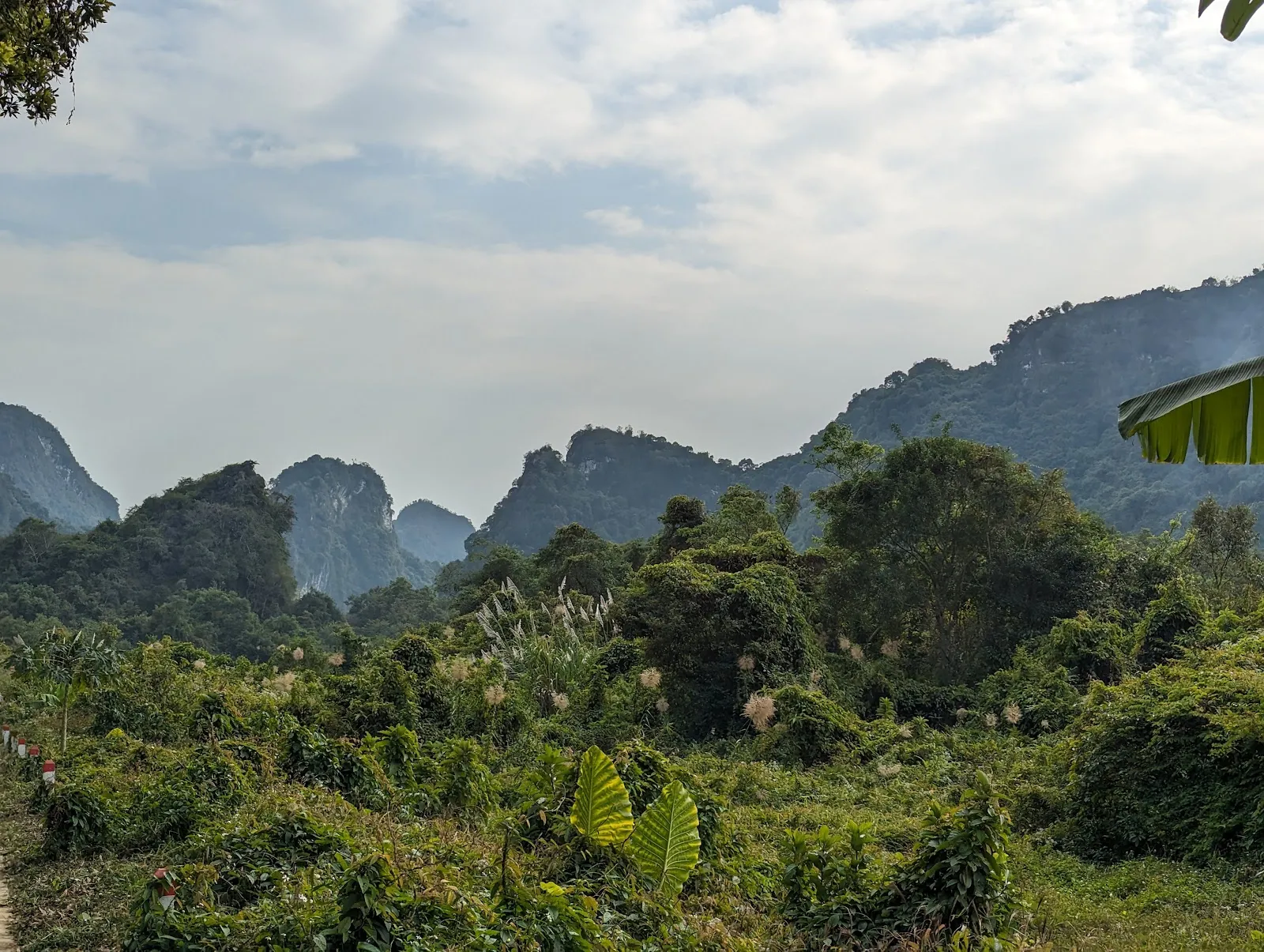
The park takes in forested hills, small freshwater lakes, freshwater swamp forest, mangroves, sandy beaches and coral reefs. Limestone forest is the main natural vegetation on the island.
Survey records show nearly 840 vascular plant species in the park, and 25 of them are listed in Vietnam's Red Data Book.
Wildlife to look for
The Cat Ba langur is the park's best-known animal. It is critically endangered, and very few remain in the wild.
Rhesus macaques are common and highly social. They help the forest by spreading seeds. The park also has dozens of bird species, along with reptiles, frogs and amphibians.
Trails, from short walks to full days
The Education Trail is a gentle walk of about 2.5 km that starts at the entrance to the park headquarters.
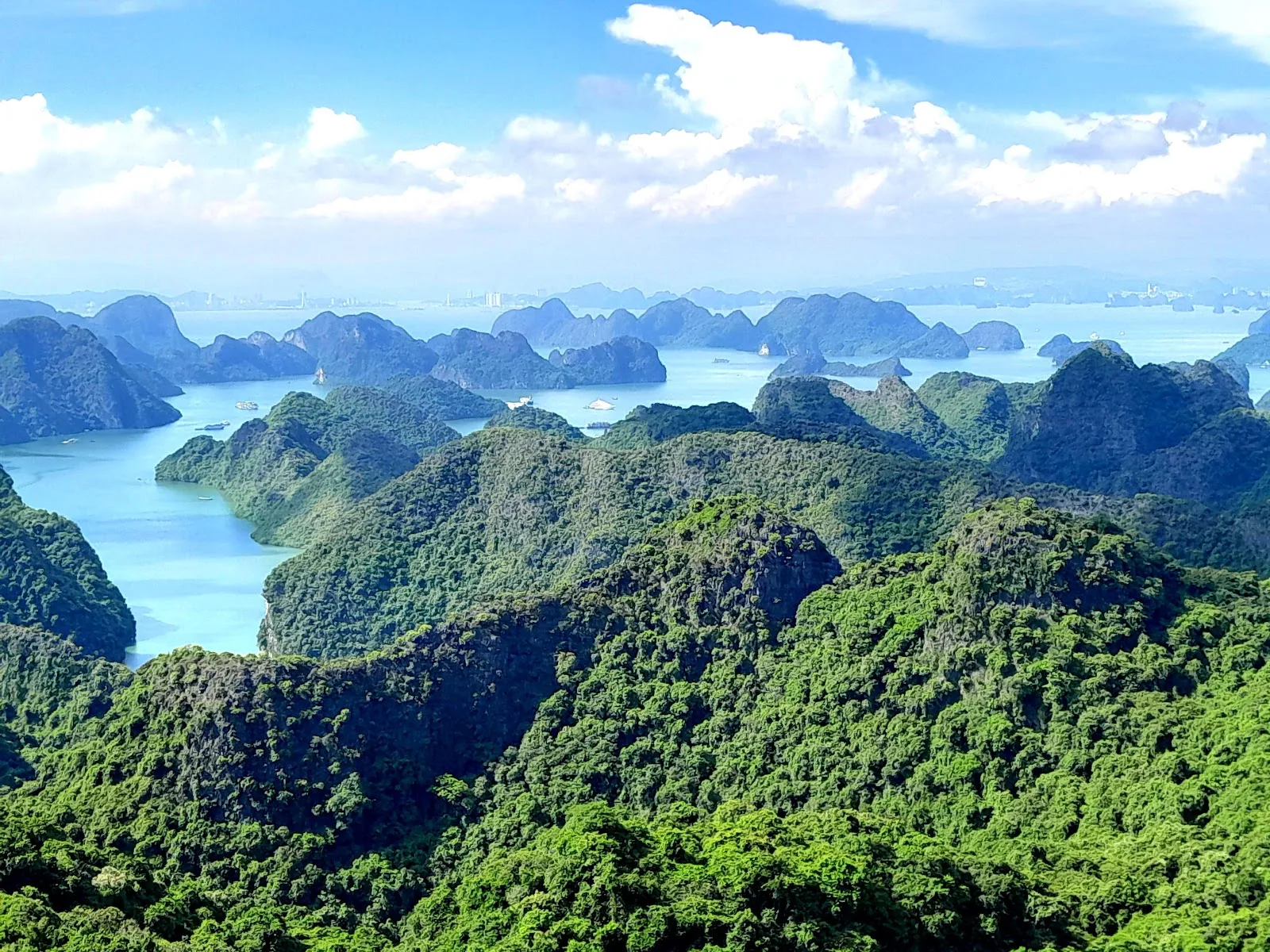
The climb to Ngu Lam Peak takes about 90 minutes. Near the top, a wooden pavilion is a good place to rest. On a clear day the view reaches across the island.
The longer route to Viet Hai village is a full-day trek of about 9 km. Trails are steep in places, and some routes climb through dense jungle. Guides are available for hire at the park if you want more detail on the plants and animals.
Caves inside the park
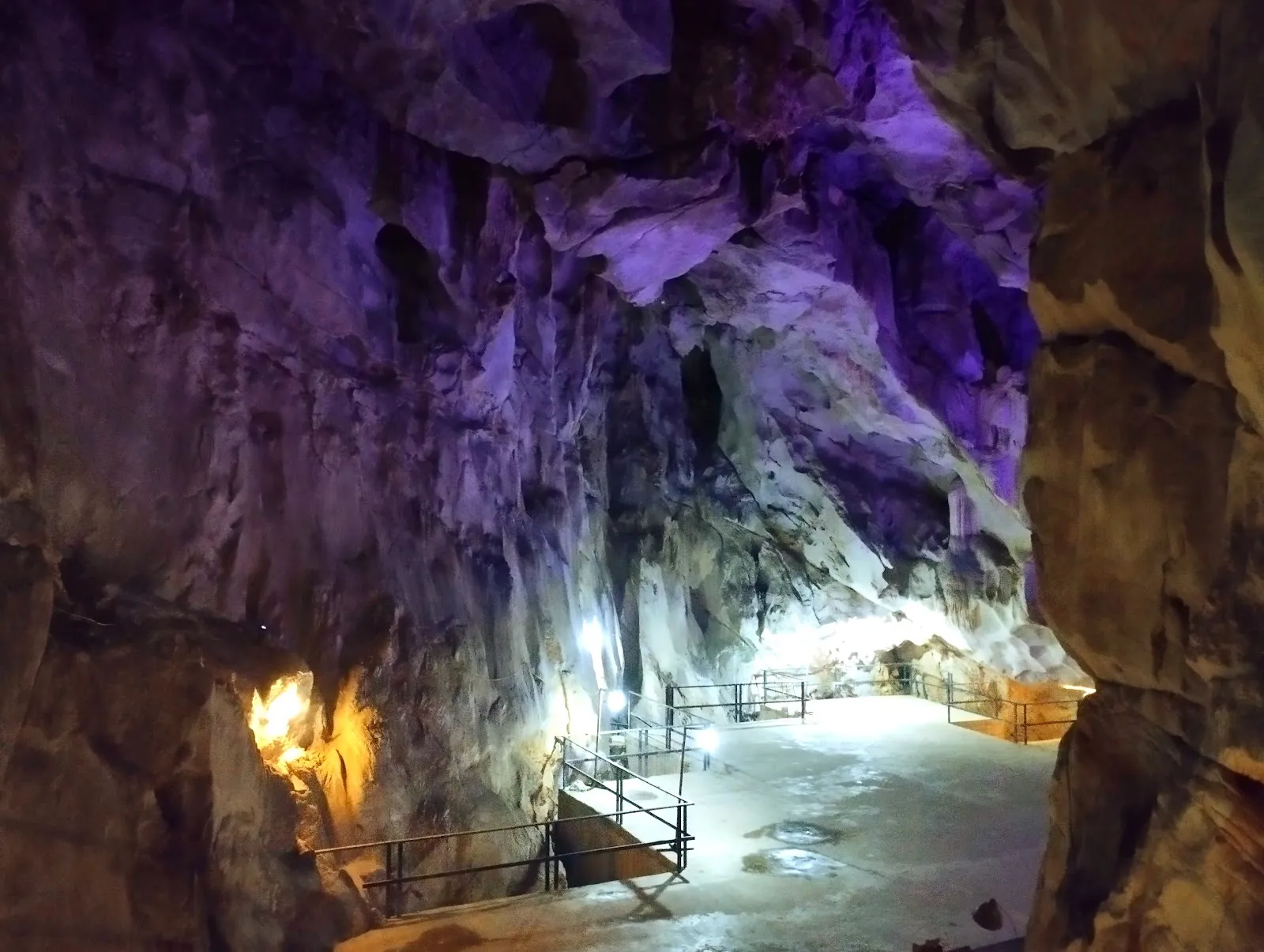
Trung Trang Cave lies within the park, close to the main road and the entrance. Inside, the passages are narrow in places, the air is cool, and limestone formations line the way. Some sections need careful footing.
Quan Y Cave is another cave in the park. It served as a field hospital during the Vietnam War, and it draws visitors interested in that history.
The museum and Viet Hai village
The Cat Ba National Park Museum sits at the entrance in an older building. Staff are not always on hand, but the doors are open for browsing. Most signs are in Vietnamese, so a translation app is useful. Displays include photographs of wildlife and old jars holding animal specimens.
Viet Hai village lies in the mountains inside the park. Visitors can see village homes, meet residents and watch farming in the fields. Floating houseboats are part of the scene. From the main boat dock, the route to the village is about 6 km by bicycle, or you can take the electric tram.
Perguntas frequentes
Is there an entry fee?
One published figure is about 15,000 VND per person, but fees can change, so confirm the current price at the entrance.
How long do you need in the park?
The museum takes about 15 minutes. Hikes range from a short walk to a full-day trek, and a half-day visit is enough for a single trail.
Can you hike without a guide?
Some visitors hike without one. Guides are available for hire at the park if you want more information about the wildlife and plants.
Is the park wheelchair accessible?
The entrance, restroom and parking lot are listed as wheelchair accessible. The trails are steep and uneven, so they are harder to use.