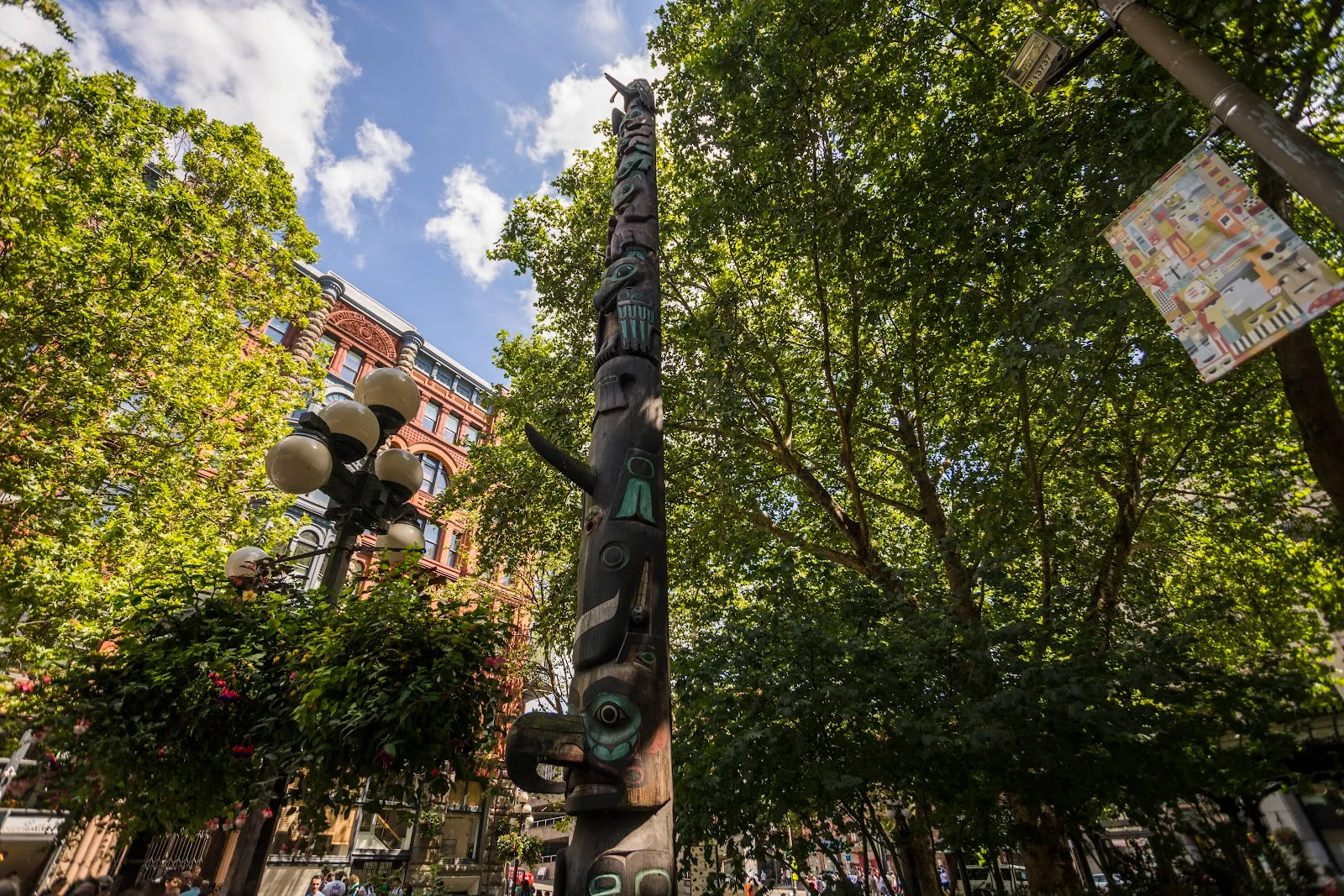
Woodland Park Zoo is a large zoo in Seattle’s Phinney Ridge neighborhood, with animal habitats arranged around ecosystems from tropical rainforest to African savanna. Its collection includes snow leopards, lions, gorillas, penguins and red pandas, alongside birds in peaceful aviaries. The naturalistic enclosures and conservation and education work give the visit more to explore than a circuit of animal exhibits. Plan for a long walk across the grounds, and use the zoo’s digital map to help navigate its split entrances and find the areas you want to see.
Habitats from rainforest to savanna
Woodland Park Zoo is in Seattle’s Phinney Ridge neighborhood, on the western side of Woodland Park. Its exhibits are arranged around different habitats, including tropical rainforest, African savanna, temperate forest and the Assam Rhino Reserve. As you move between zones, the scenery and the animals change, giving the visit a sense of travelling through distinct environments.
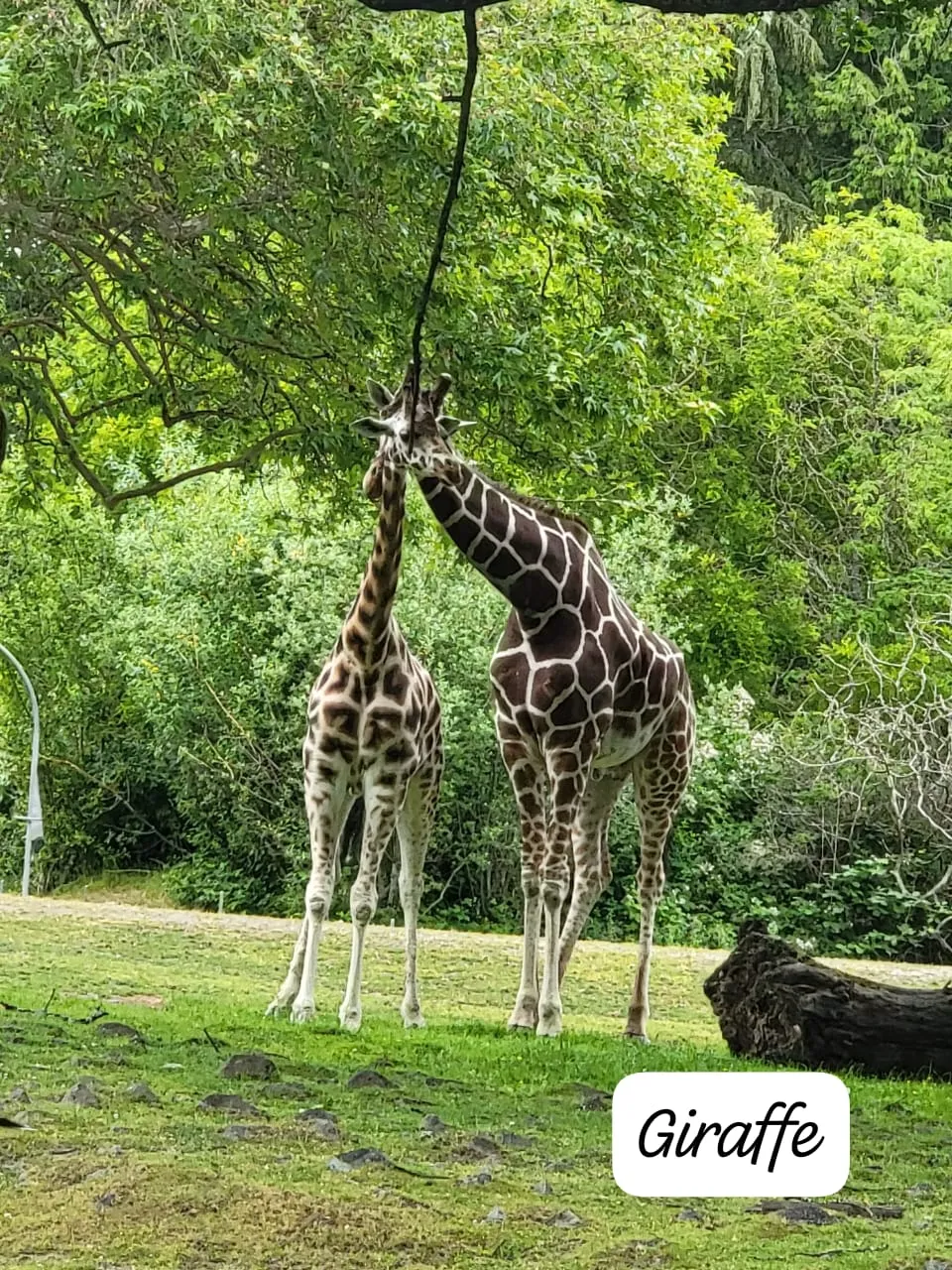
The zoo’s naturalistic approach puts animals in habitats designed to reflect their needs and surroundings. Instead of a route of identical enclosures, you can explore spaces created for different species and ecosystems. The African Savanna includes lions, giraffes, ostriches, hippopotamuses, zebras and patas monkeys. Other animals named among the zoo’s residents include gorillas, bears, penguins, red pandas, snow leopards, tigers and rhinos.
The Tropical Rain Forest is an indoor exhibit, with jaguars, lemurs, frogs and monkeys among its animals. Indoor exhibits can also make this a useful area to include when you need a break from the weather. Zoomazium, an indoor play space, is another option for families with children.
Plan a route across the grounds
The zoo is large enough that you may not reach every exhibit in one visit. Set aside about three hours to see many of the main areas, or allow longer if you want to take your time. A digital map on your phone can help you choose a route and keep track of sections you do not want to miss. The zoo has split entrances, so checking your route before you start can help you orient yourself.
Expect plenty of walking. Comfortable shoes make a difference across the grounds, and bringing water and snacks can help you keep going. There are snack options on site, along with cafes and food vendors. Parking is paid, and several lots are available; if one is full, checking another may save time. Weekdays, early mornings and late afternoons are suggested for a quieter visit.
Animal care and conservation
Woodland Park Zoo connects its animal exhibits with conservation and education. Its work includes conservation breeding through Species Survival Plans for some species, as well as programs that teach visitors about wildlife and habitats. The zoo’s conservation efforts include Living Northwest, which focuses on human-wildlife coexistence.
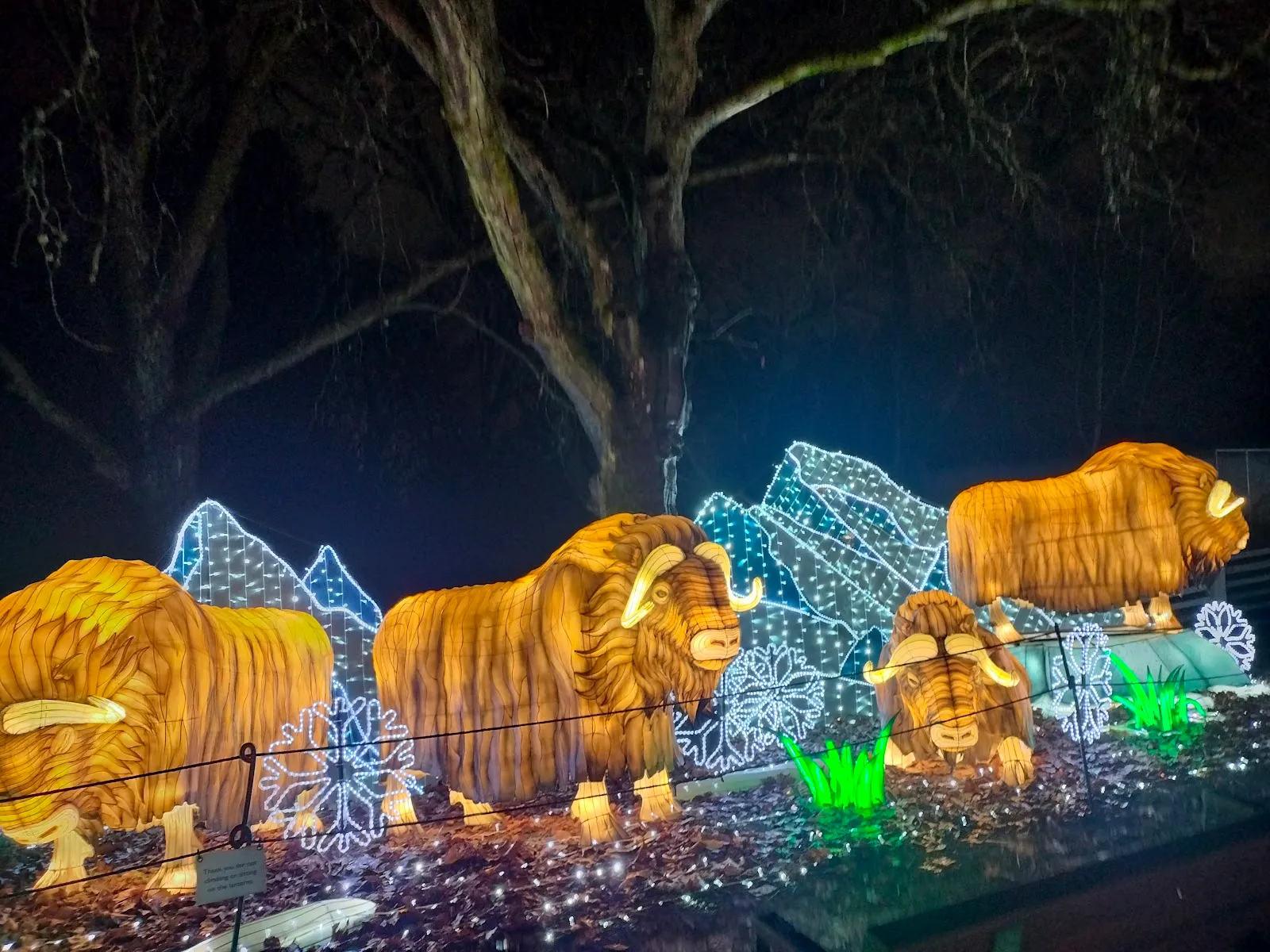
Animal talks and demonstrations can add context to what you see in the exhibits. If you want to learn more during your visit, check the zoo’s schedule for talks and events. The zoo also holds seasonal programs, including WildLanterns and adult-only evenings, which give visitors another way to experience the grounds.
Perguntas frequentes
How long should you spend at Woodland Park Zoo?
Plan for about three hours to see many of the attractions. The grounds are large, and seeing everything can take longer.
When is a quieter time to visit?
Weekdays, early mornings and late afternoons are suggested for a quieter visit.
Is parking available at Woodland Park Zoo?
Yes. Paid parking is available in multiple lots, and paid street parking is also listed nearby.
What animals can you see at the zoo?
The collection includes animals such as snow leopards, lions, gorillas, bears, penguins, red pandas and rhinos.