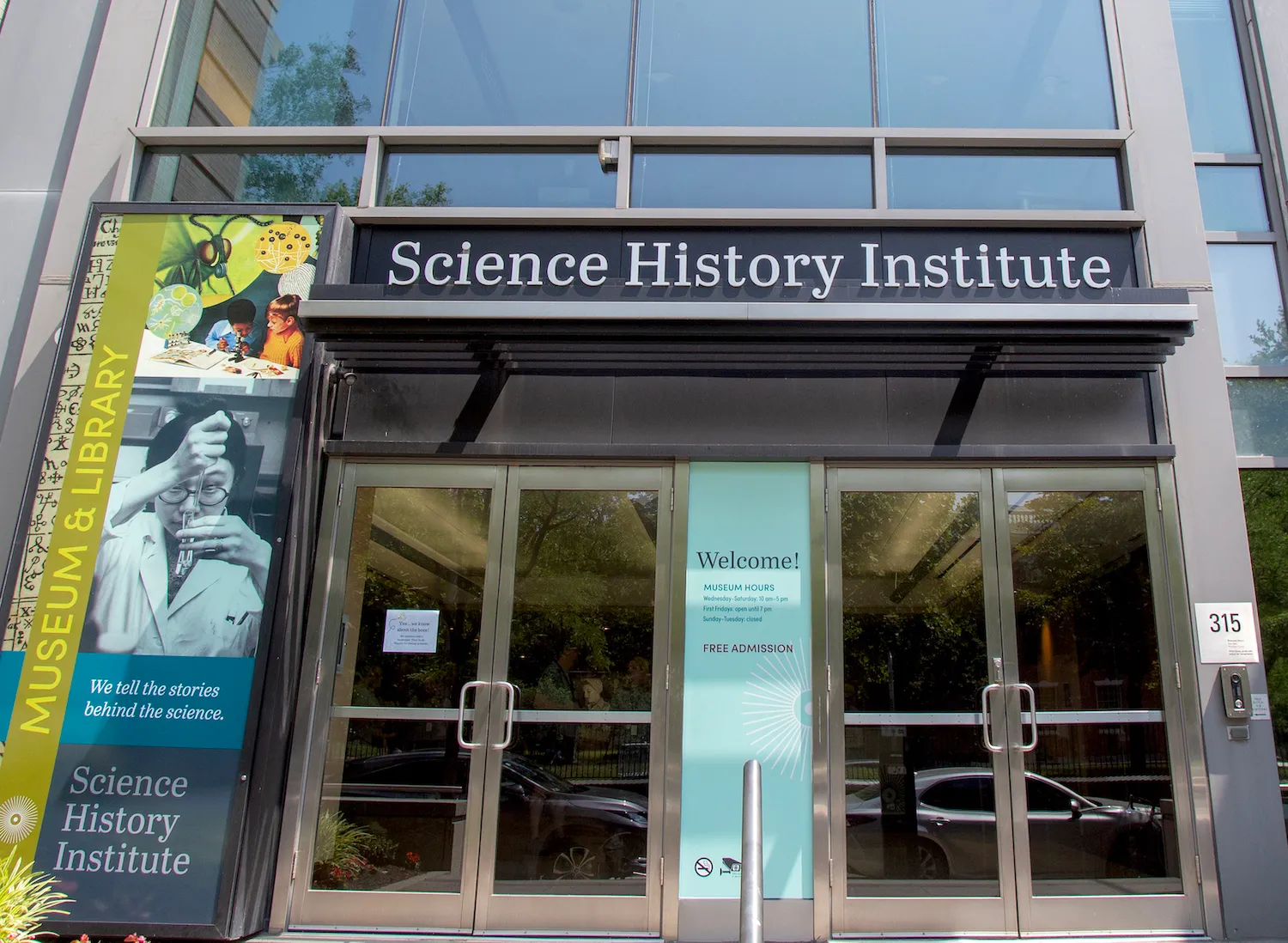
At the Science History Institute in Philadelphia’s Old City, scientific instruments, books and personal papers tell the story of discoveries and the people behind them. The museum follows science across centuries, with exhibits on chemistry, research pioneers and Philadelphia’s watershed. Try the Object Explorer to learn about objects in the collection, then look for hands-on activities for children. Admission is free for the public, though some special events may have a fee. Allow about 45 to 60 minutes for a typical visit, or longer if you want to explore the displays in depth.
Science told through objects
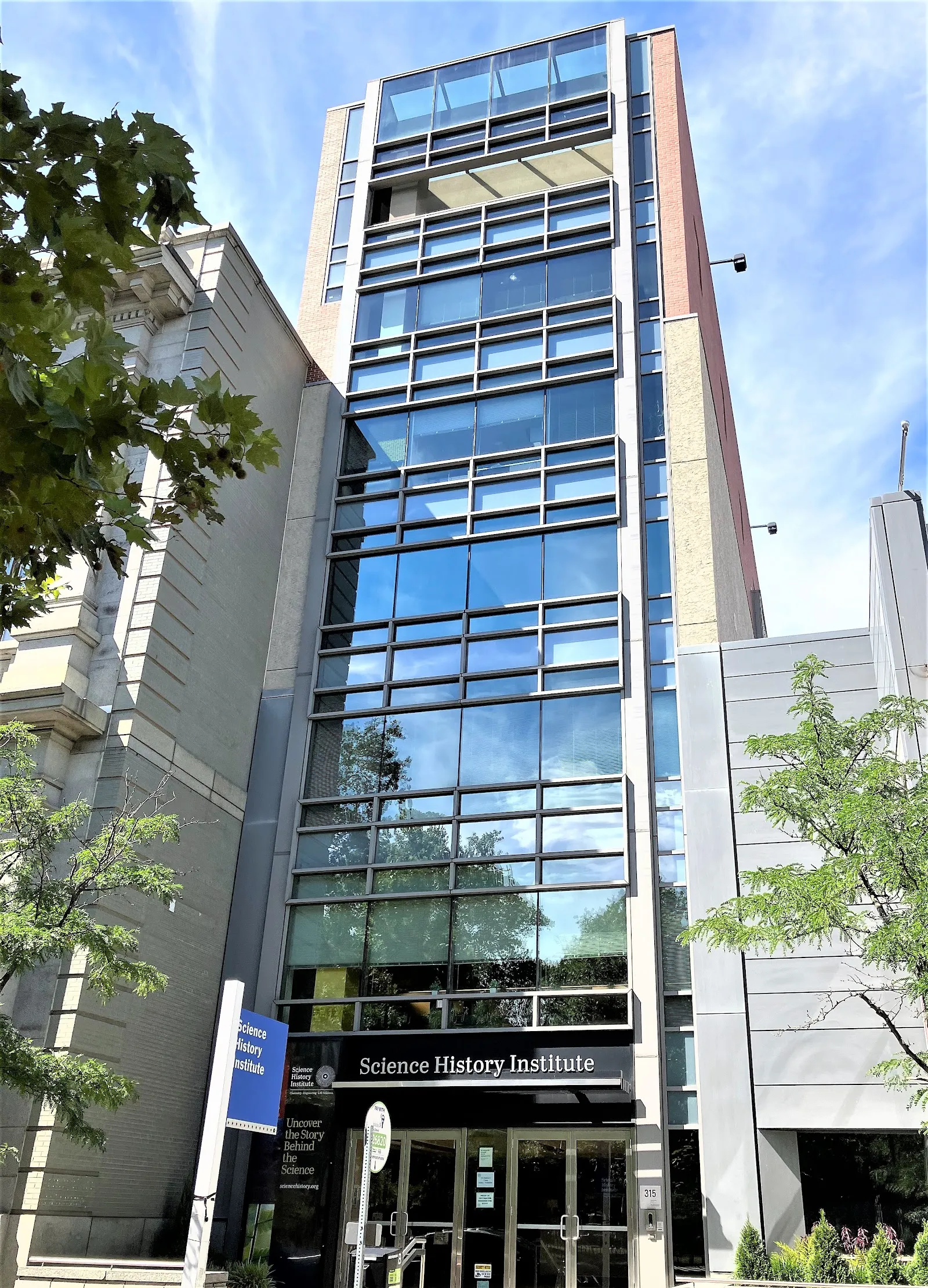
The museum at the Science History Institute traces more than 500 years of scientific inquiry into the material world. Its displays connect chemistry and other sciences with changes in everyday life, from the laboratory to the home. Instruments, books, photographs and other historical objects help explain how knowledge was built, tested and put to use.
The collection includes analytical equipment and scientific instruments, as well as papers and personal materials associated with researchers. Rather than concentrating only on discoveries, the exhibits also cover scientific setbacks and unexpected turns. That historical approach gives the objects a context: they are evidence of how people pursued questions, developed tools and changed what they knew.
Researchers and interactive exhibits
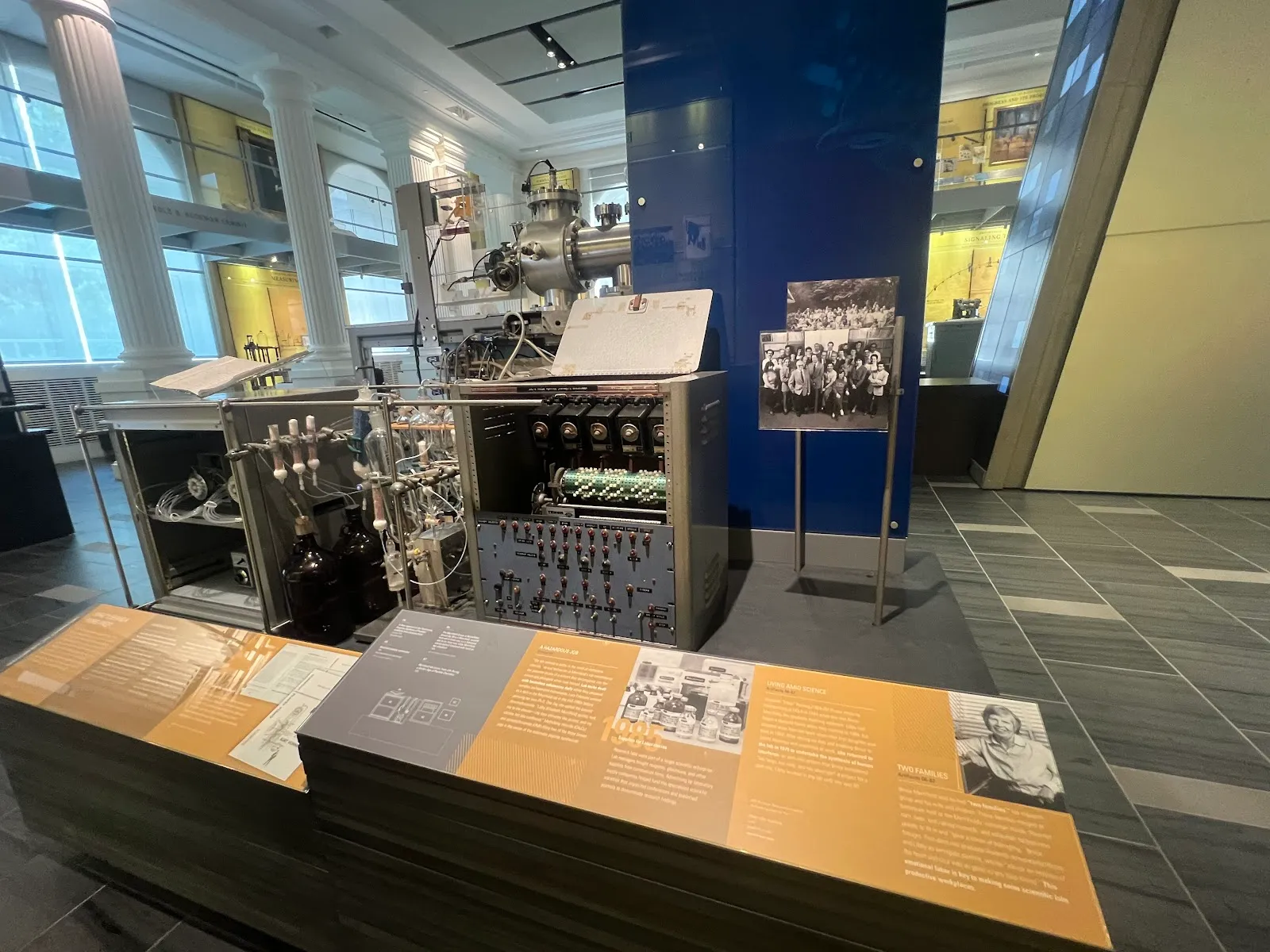
The exhibits bring attention to scientists whose contributions have received less recognition, including women and people of color. Stories of individual researchers sit alongside the objects and ideas connected with their work. One figure highlighted in material about the museum is Masamichi Yamashita, who built the first electrospray ionisation mass spectrometer.
The Object Explorer offers a hands-on way to investigate items on display and learn about their histories. Children can also find activities that let them touch, play, colour and read. The displays suit adults interested in the historical details as well as families looking for ways to make the visit interactive.
Philadelphia’s water story
The museum also examines the history of water analysis and protection. Its Downstream exhibition focuses on more than two centuries of work on water in the United States, including the challenges of protecting Philadelphia’s watershed. The subject connects scientific methods with a local concern: how people have studied water and worked to safeguard it.
Temporary exhibitions address particular subjects in science and its effects on daily life. Their topics change, so check the Institute’s website if you are planning a visit around a specific exhibition or event. The museum is at 315 Chestnut Street in Old City. Public admission is free, although some special events are exceptions.
Perguntas frequentes
Is admission to the Science History Institute free?
Admission to the public museum is free. Some special events may have a fee.
How long should I spend at the Science History Institute?
Allow about 45 to 60 minutes for a typical visit. You may want longer if you are especially interested in the displays.
What can children do at the museum?
Children can try hands-on activities, including interactive displays and the Object Explorer.
Can I take a guided tour?
Guided tours are available. Ask the museum about them when you arrive.