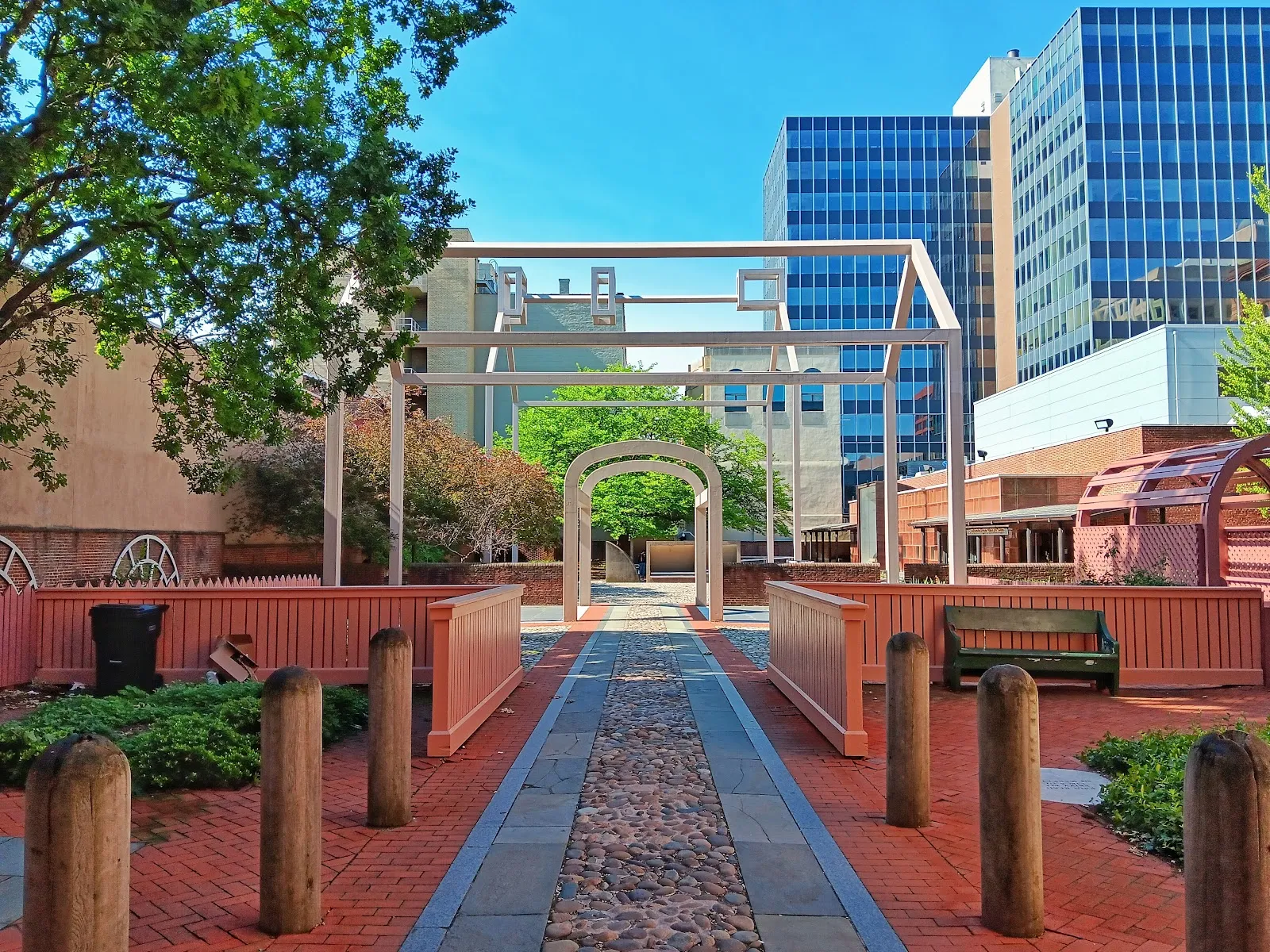
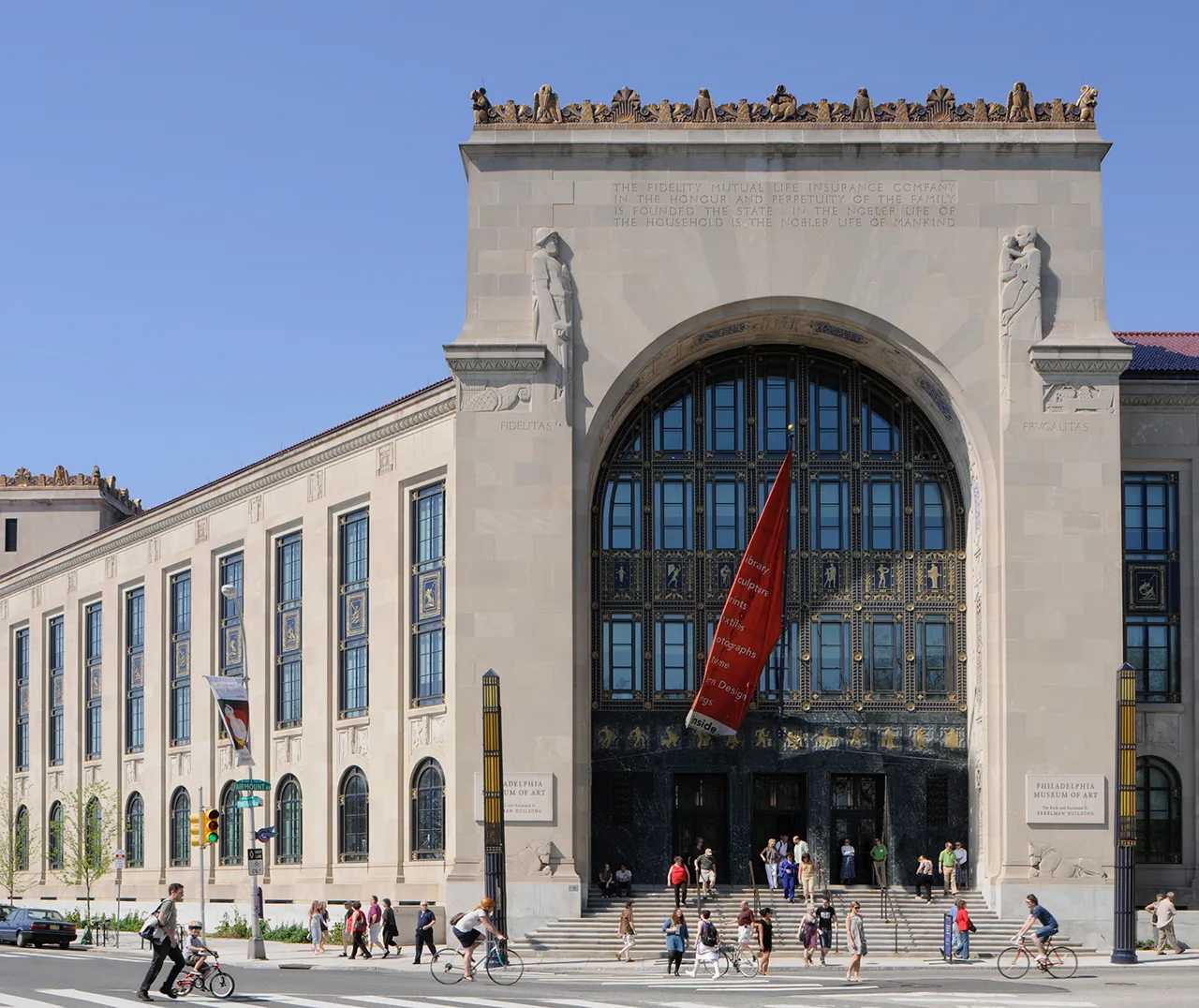
Behind the Philadelphia Museum of Art, on the east bank of the Schuylkill River, Fairmount Water Works pairs a historic pumping station with an educational center about water. Opened in 1815 and used until 1909, the site now has hands-on exhibits about Philadelphia’s water system, watersheds and river wildlife. Walk through the restored building, then head outside for views of Boathouse Row and the river. The center has free admission, and the nearby trail and pavilion add a scenic stop to a visit around the museum.
From pumping station to education center
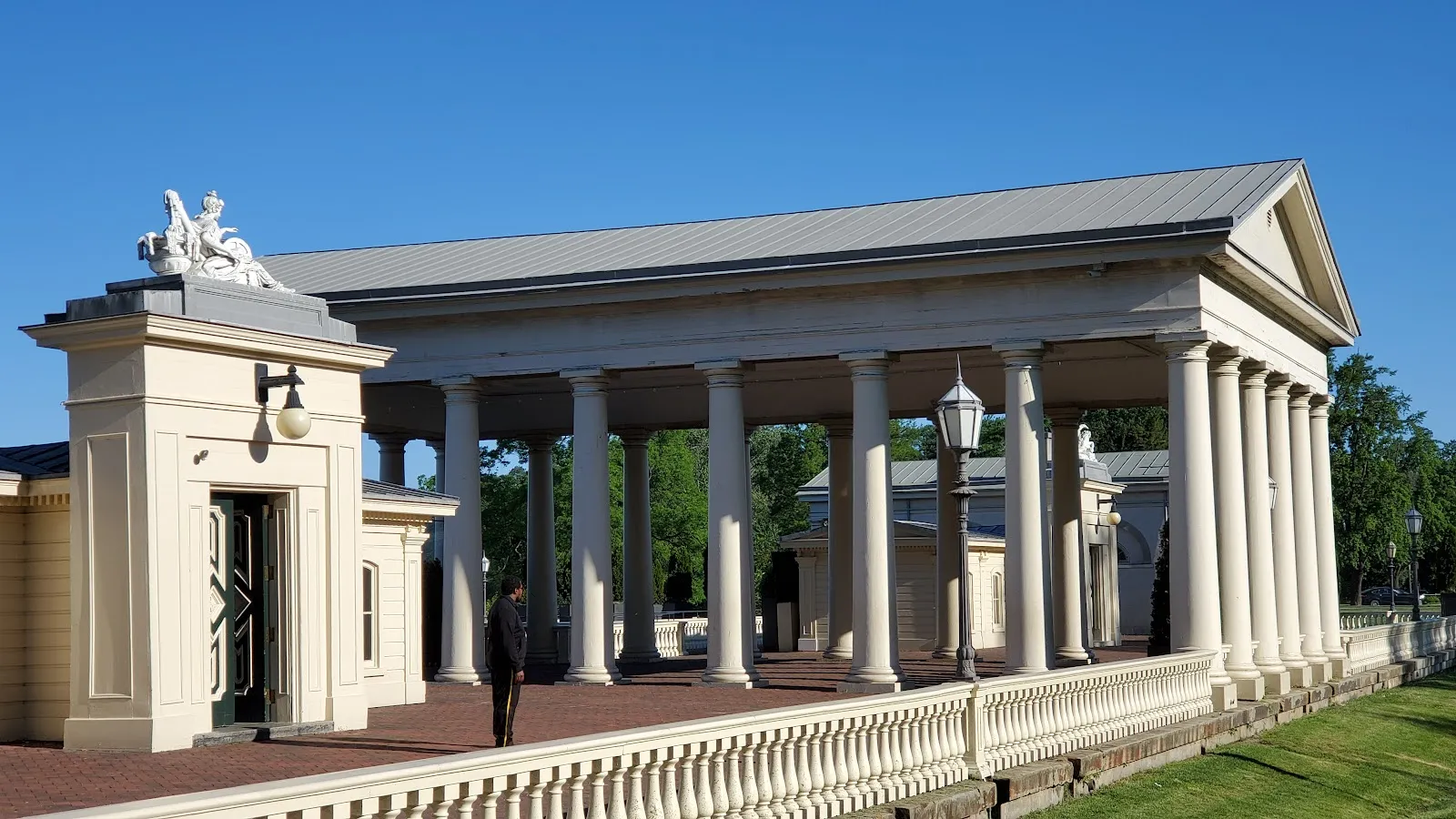
Fairmount Water Works opened in 1815 as a pumping station for Philadelphia’s water supply. The site remained in use until 1909. Its work helped provide the city with fresh drinking water, and the building’s history is closely tied to the development of Philadelphia’s water system.
The restored complex now houses the Fairmount Water Works Interpretive Center. Its exhibits explain how urban water systems work and why watersheds and water conservation matter. The setting makes the subject tangible: the center sits beside the Schuylkill River, among the structures once used for the city’s waterworks.
Exhibits about water and wildlife
Hands-on displays cover water-related technology, including turbines, as well as the watershed and wildlife connected to the river. A live mussel hatchery is among the center’s exhibits. The material is designed for children as well as adults, so families can explore the science and history together.
Exhibitions can also connect water to art and social history. One exhibition, “POOL: A Social History of Segregation,” uses archival photographs and film to examine the history and continuing effects of segregated swimming in America. It is set at the former Kelly Pool on the grounds. Check what is on display before you go, since exhibits and access to particular areas can change.
River walks and views
The waterfront is part of the visit. From the grounds, you can look toward Boathouse Row and follow the Schuylkill River Trail. A trail behind the Philadelphia Museum of Art climbs through greenery to the historic Mercury Pavilion, where the elevated outlook takes in the river, Boathouse Row and the city skyline.
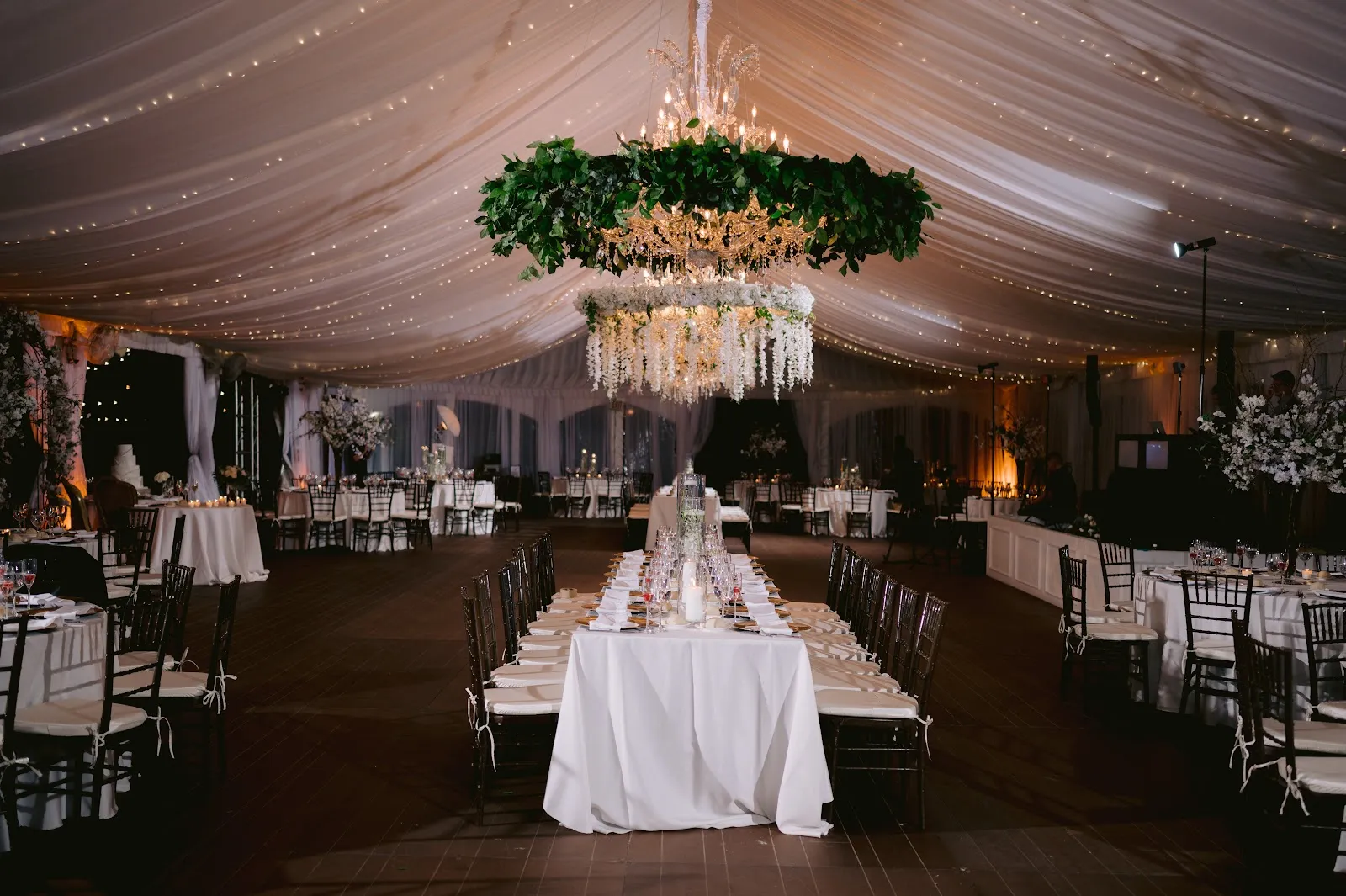
The site is also used for weddings and other events, so parts of the building may be hosting a private gathering. For a walk, pair the waterworks with the museum area and river trail. The pavilion and riverfront are particularly suited to a pause around sunset, when the views extend along the water and back toward the city.
Perguntas frequentes
Is Fairmount Water Works free to visit?
Yes. The interpretive center has free admission.
What can you see at Fairmount Water Works?
The center has exhibits about Philadelphia’s water system, watersheds, water technology and river wildlife. Outside, you can see the historic buildings, Schuylkill River and Boathouse Row.
When is Fairmount Water Works open?
The center is open Wednesday through Saturday and closed Sunday through Tuesday. Check the current schedule before visiting.
How do you reach the Mercury Pavilion?
Take the trail behind the Philadelphia Museum of Art. It climbs through greenery to the pavilion, with elevated views of the river, Boathouse Row and the skyline.