El Pueblo de Los Ángeles Historical Monument is the oldest district in Los Angeles, across from Union Station in downtown. Settlers founded the pueblo here in 1781, and the compact historic area now brings together museums, preserved buildings and Olvera Street’s Mexican marketplace. Walk the narrow market street, visit the free Avila Adobe and browse exhibits on the city’s Mexican American and Chinese American histories. The plaza’s vendors and occasional music add a lively note; restaurants serve Mexican food, including tacos and enchiladas.
The beginnings of Los Angeles
Forty-four settlers arrived in the area in 1781 and established a farming community. The group included people of Native American, African and European heritage, and had travelled from present-day northern Mexico. The settlement’s original name was El Pueblo de Nuestra Señora la Reina de los Ángeles de Porciuncula. The district later became the centre of the city under Spanish, Mexican and United States rule through much of the 19th century.
El Pueblo is now a historic district in the oldest part of Los Angeles. Its buildings and interpretive panels trace the people and places that shaped the early city. The area was designated a state historic monument in 1953 and added to the National Register of Historic Places in 1972.
Historic buildings and museums
The Avila Adobe, built in 1818, is the oldest standing house in Los Angeles and is free to visit. Other sites include the Old Plaza Firehouse and the Sepulveda House, which contains a visitor centre. The district’s museums and cultural attractions include the Chinese American Museum, Italian American Museum, LA Plaza de Cultura y Artes and América Tropical. Exhibits and interpretive panels provide context for the buildings and the city’s communities.
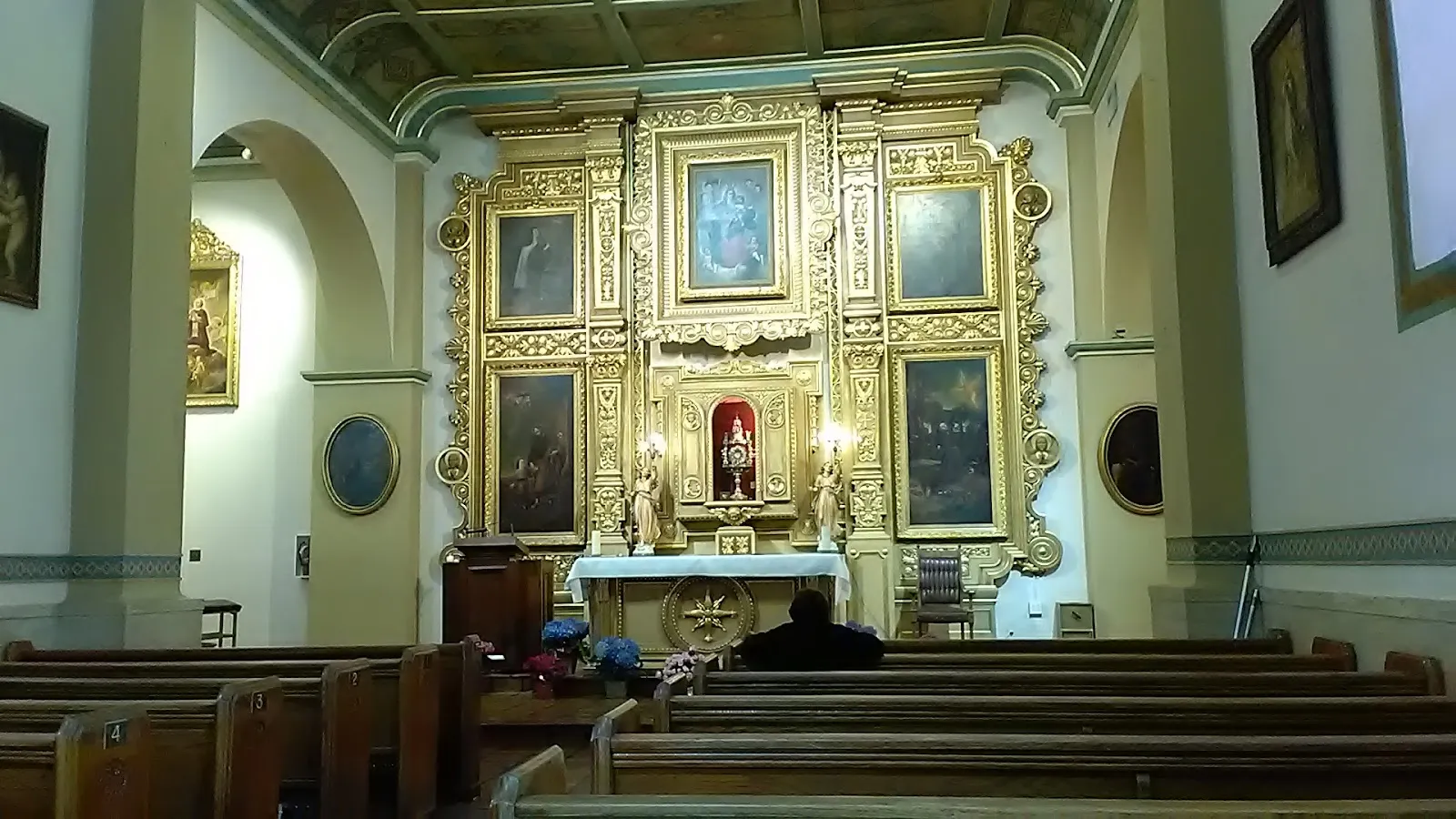
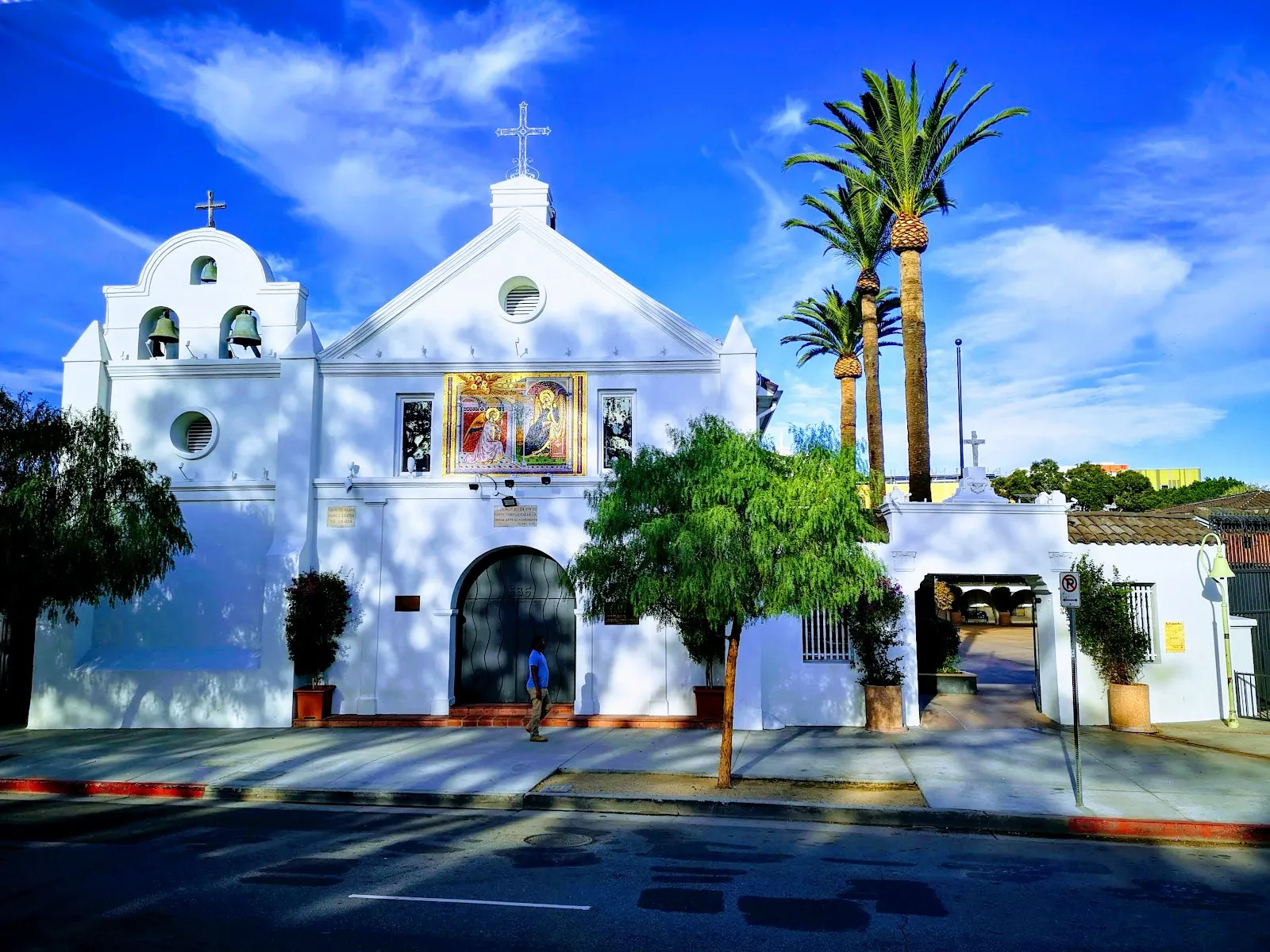
La Placita, also known as Our Lady Queen of Angels Catholic Church, dates to the early 19th century. The church has also been dedicated to protecting refugees and immigrants. The Old Plaza is a central gathering place, with a gazebo and a Moreton Bay fig tree nearby.
Olvera Street and the plaza
Olvera Street is a pedestrian market lined with stalls and shops in historic buildings. Vendors sell items such as puppets, leather goods, sandals and woollen shawls. The street became a Mexican American marketplace as the historic district was preserved. You can browse the stalls, stop at a restaurant or look for churros.
The plaza hosts cultural events, including live music and dance performances, as well as the annual Las Posadas festival in December. Day of the Dead displays and exhibits provide another way to learn about Mexican traditions. The plaza can be quieter on weekdays; weekends tend to bring a livelier atmosphere.
Planning a visit
The district is across from Union Station, making it easy to reach on foot from the station. Free guides are available in the main square, and interpretive panels around the area explain significant buildings and people. Museums and historic spaces are spread across a compact area, so you can combine a walk through the district with visits inside.
Allow time to browse Olvera Street as well as the historic sites. If you want a quieter stroll, go on a weekday. For a busier plaza and the chance of catching music or a dance performance, a weekend visit may suit you better. Events vary, so check the official El Pueblo website for current details before planning around one.
Perguntas frequentes
Is El Pueblo de Los Ángeles free to visit?
The area includes free museums, and the Avila Adobe is free to visit. The input does not specify admission details for every attraction.
How do you get to El Pueblo de Los Ángeles?
The district is across the street from Union Station. You can walk from the station to the plaza.
What can you see on Olvera Street?
Olvera Street is a pedestrian outdoor market with vendors selling goods such as puppets, leather items, sandals and woollen shawls. Historic buildings, shops and restaurants line the street.
When is the best time to visit?
Weekdays tend to be quieter. Weekends are livelier, and the plaza hosts cultural events at times.