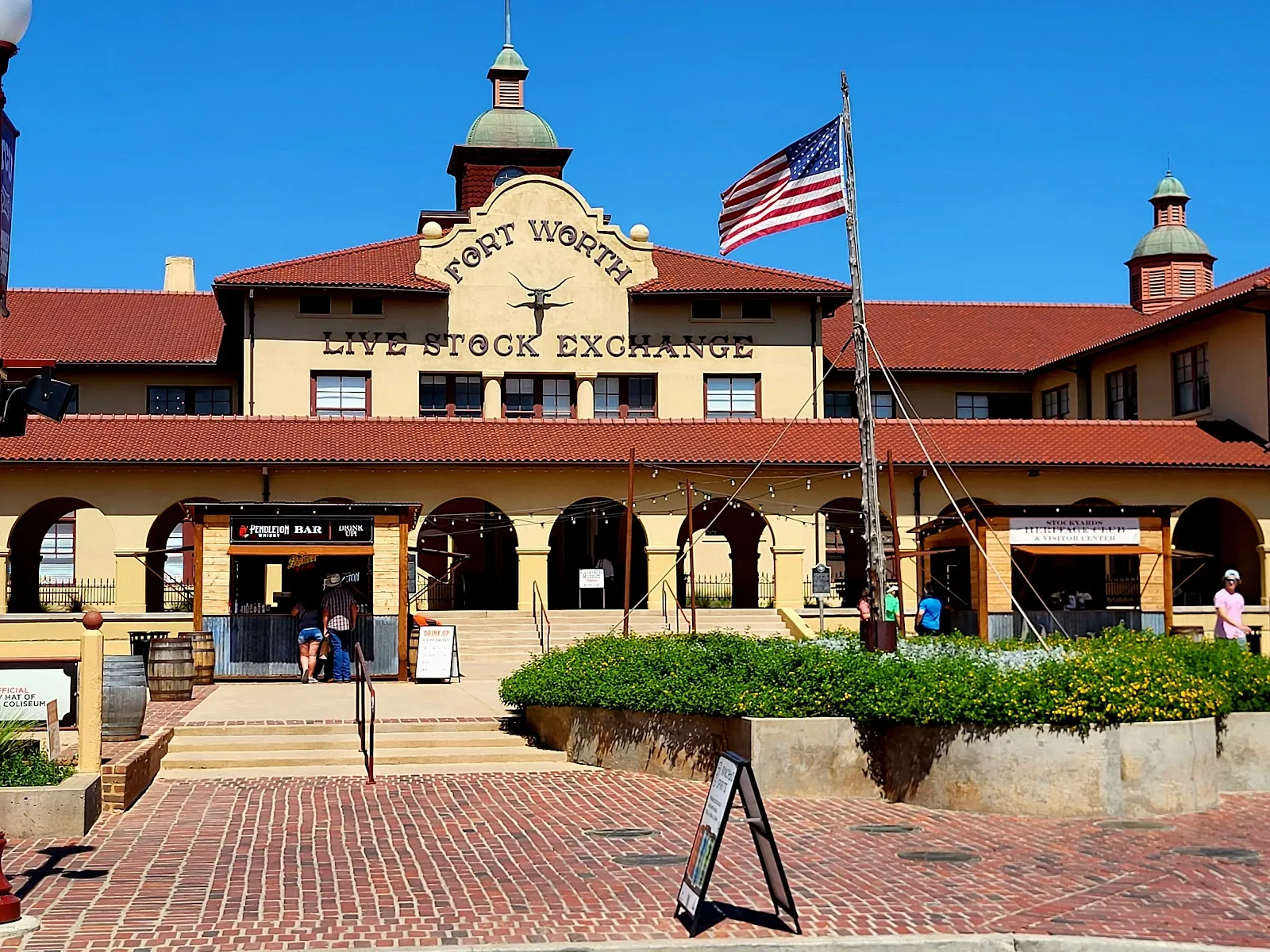
The Fort Worth Stockyards is a 98-acre national historic district on the north side of Fort Worth, built around the livestock market that gave the city its Cowtown nickname. Brick streets, wooden corrals and Western-style buildings now hold shops, restaurants, saloons, museums and live entertainment. The main event is the longhorn cattle drive along East Exchange Avenue, held twice a day. Browsing the district and watching the drive are free. For more of the history, add the Stockyards Museum, the Texas Cowboy Hall of Fame, or an evening rodeo at Cowtown Coliseum.
From the Chisholm Trail to Cowtown
The Stockyards district dates to 1866, when cowboys began bringing cattle here to be sold and sent on across the country. In the late 19th century Fort Worth was the last stop for herders moving longhorns north from Texas along the Chisholm Trail toward the railheads in Kansas. Auctions were held in the stockyards, and two large meatpacking plants operated nearby. The scale of the trade is the reason Fort Worth became known as Cowtown.
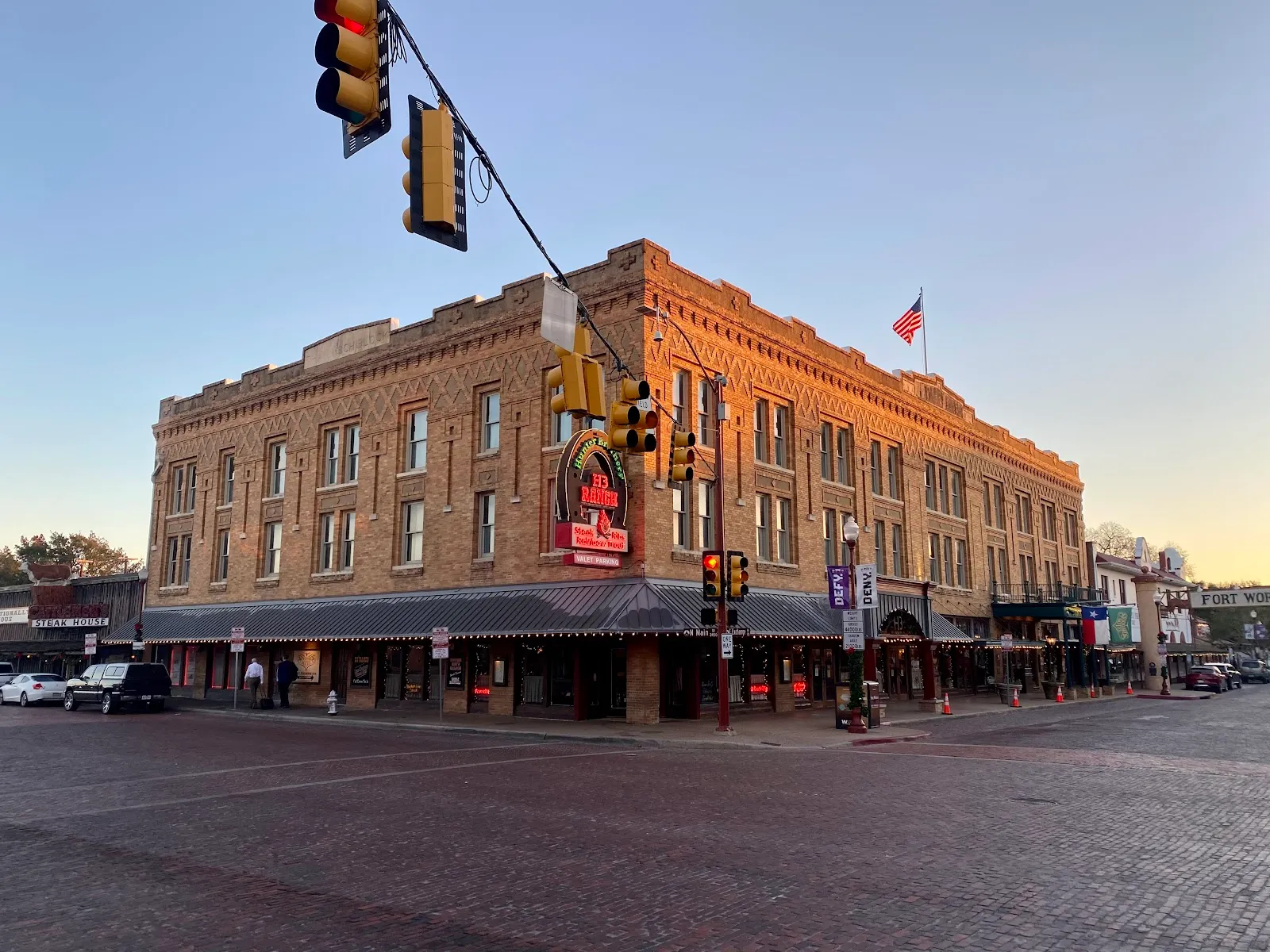
The district was listed on the National Register of Historic Places in 1976. It covers 98 acres, roughly bordered by 23rd Street, Houston Street, 28th Street and the railroads, a short distance from downtown. Many buildings are in Mission and Spanish revival styles, and the streets are paved in brick and stone. The area has been renovated extensively in recent years, but the original walkways and wooden corrals remain.
The cattle drive on East Exchange Avenue
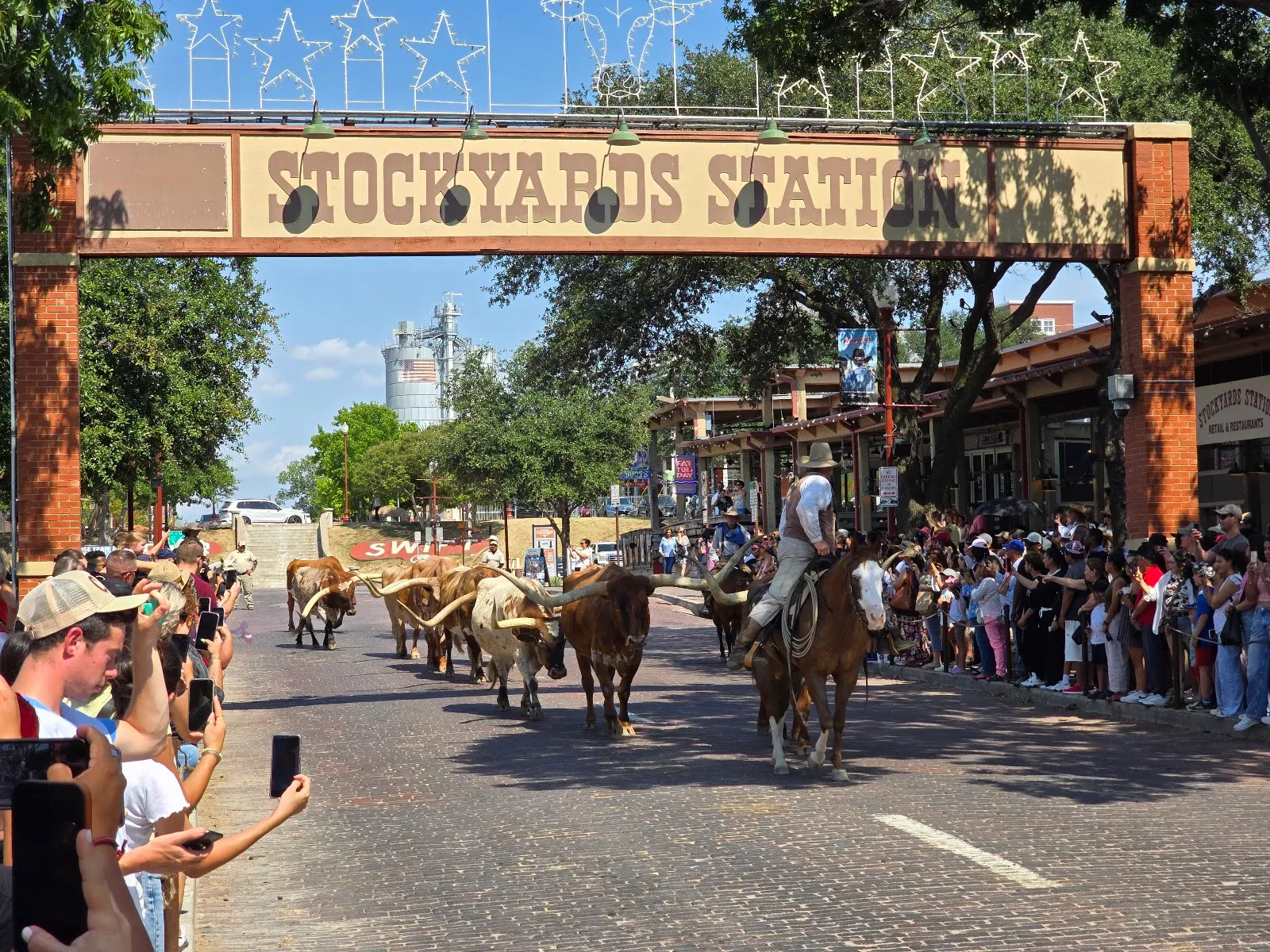
The Fort Worth Herd walks down East Exchange Avenue every day at 11:30 am and 4:00 pm. Traffic is stopped, and cowhands on horseback move a group of Texas longhorns down the middle of the old brick road. Onlookers line both sides of the street, and the animals pass close enough to see their horns clearly.
The drive is a staged event for visitors, but it is built on real history. Parts of the original stockyards can still be walked around, and the herd keeps alive the way cattle once reached the market here. Entry is free. People who have never seen longhorns up close tend to remember them longest, and children enjoy watching the drovers at work.
Museums, shops and things to do by day
The Stockyards Museum is in the historic Livestock Exchange Building and explains the district's past. The Texas Cowboy Hall of Fame is another stop for anyone interested in the American West. Guided walking tours cover the history of the area, and evening ghost tours run about 90 minutes.
Stockyards Station is a common place to start the day, with cowboy hats, boots and Western clothing. Across the district there are more than 30 shops, among them Billy Bob's Texas Gift Shop, Chief Records, Longhorn General Store and Knife Alley. A local tannery sells leather goods. Families can try the Cowtown Cattlepen Maze or visit the petting zoo, and the Stockyards Stables offer horseback rides. The Grapevine Vintage Railroad also departs from the district.
The layout is compact. Walking from one end of the main strip to the other takes about an hour at an easy pace, including stops.
Evenings, rodeo and live music
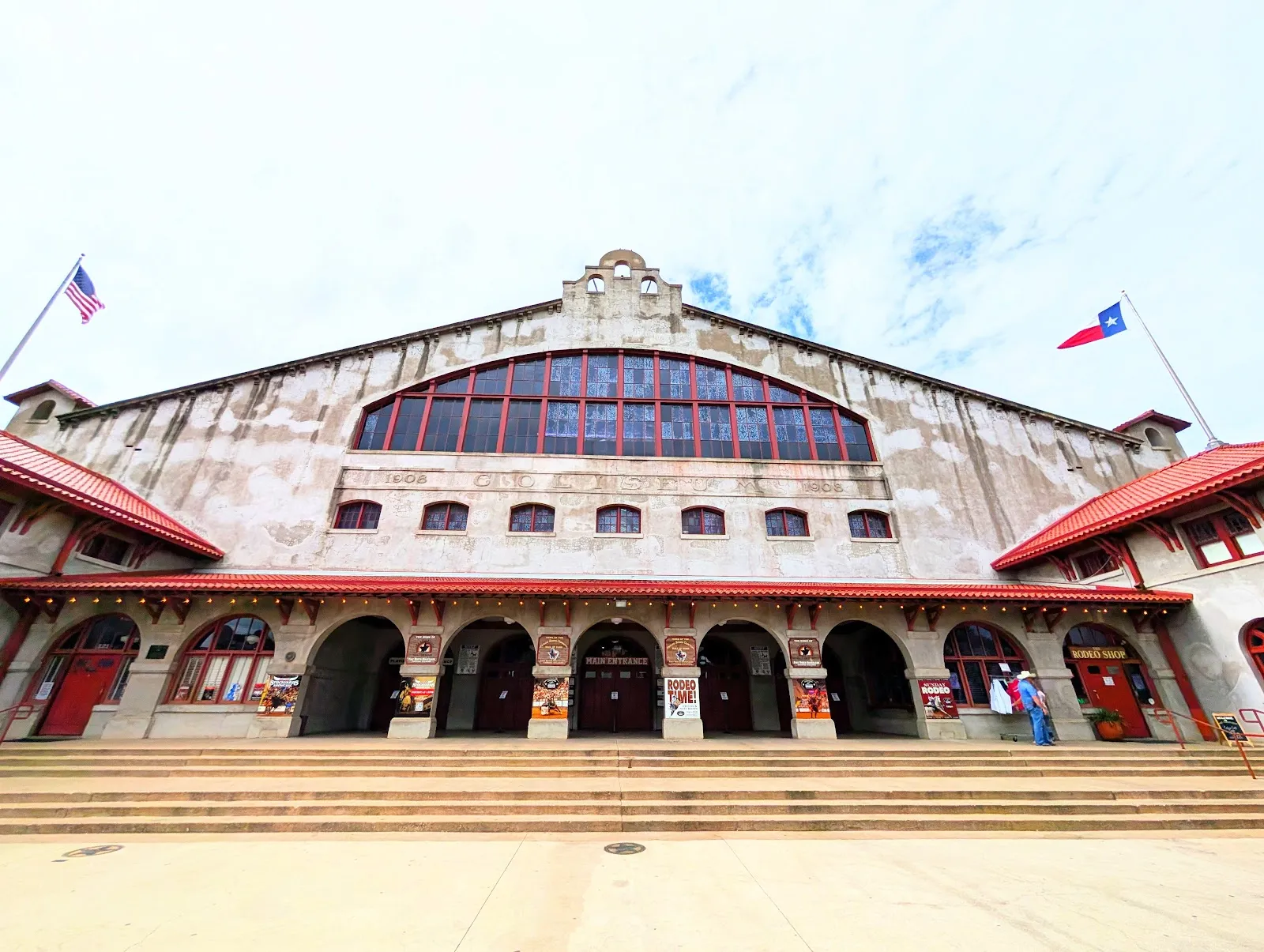
Cowtown Coliseum holds rodeos year-round, with a championship rodeo on Friday and Saturday nights. The program includes bull riding, barrel racing and team roping. Cowtown Opry holds sing-along music on Sunday afternoons.
Billy Bob's Texas is a country-music club that calls itself the world's largest honky-tonk. Line dancing lessons are given there at 6 pm each night, and live concerts follow. Smaller saloons and bars are spread around the district, and White Elephant Saloon is one of the oldest bars in the city. Restaurants range from steakhouses to Tex-Mex and barbecue, and several have outdoor patios, some pet-friendly.
Getting around and paying for parking
Several parking options are available: paid lots, free street parking and paid street parking, with wheelchair accessible parking and an accessible entrance. Some of the meters are paid through an online system, so keep your confirmation in case the connection is slow. Parking can fill up on busy days, so check the options before you set out.
The district is open around the clock, and individual attractions set their own hours and prices. Browsing and the cattle drive cost nothing, while the rodeo, tours and some other activities charge a fee.
Perguntas frequentes
Is there an entry fee for the Fort Worth Stockyards?
No. Walking through the district and watching the cattle drive are free. Some activities, such as the rodeo, tours and horseback rides, charge their own fees.
What time is the cattle drive?
The Fort Worth Herd walks down East Exchange Avenue every day at 11:30 am and 4:00 pm. Arrive a little early to find a spot along the street.
How long do you need at the Stockyards?
Two hours covers the cattle drive and a walk down the main strip. Allow a full day if you want to add museums, shops, a meal and an evening rodeo or live music.
Where do you park at the Stockyards?
There are paid lots, free street spaces and paid street spaces. Some meters are paid online, so keep your payment confirmation.
When is the rodeo?
The Stockyards Championship Rodeo at Cowtown Coliseum runs on Friday and Saturday nights. You can buy tickets online from the venue's website.
Is the Stockyards district walkable?
Yes. You can walk from one end of the main strip to the other in about an hour, and the brick streets are easy to explore on foot.