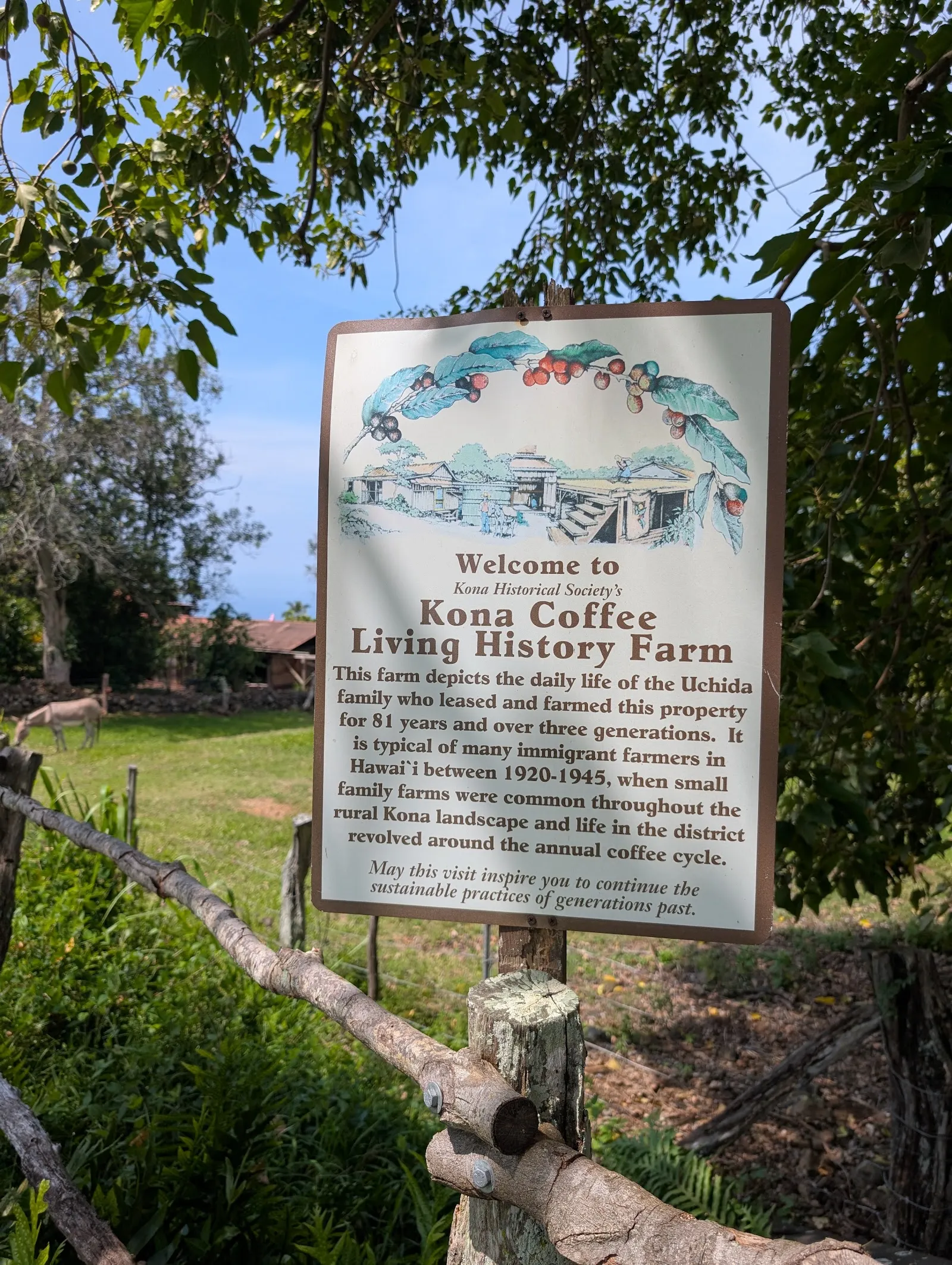
On the Kona coast near Captain Cook, this working coffee farm tells the story of Japanese immigrant families who farmed the area in the early 20th century. You can walk among coffee trees, see historic farm buildings and tools, and hear guides describe daily life in the farmhouse and fields. There are hands-on activities, including grinding coffee beans, and fruit trees where oranges may be picked. Come for the history as much as the coffee: this is a small, personal museum, not a quick tasting stop.
A coffee farm and a family history
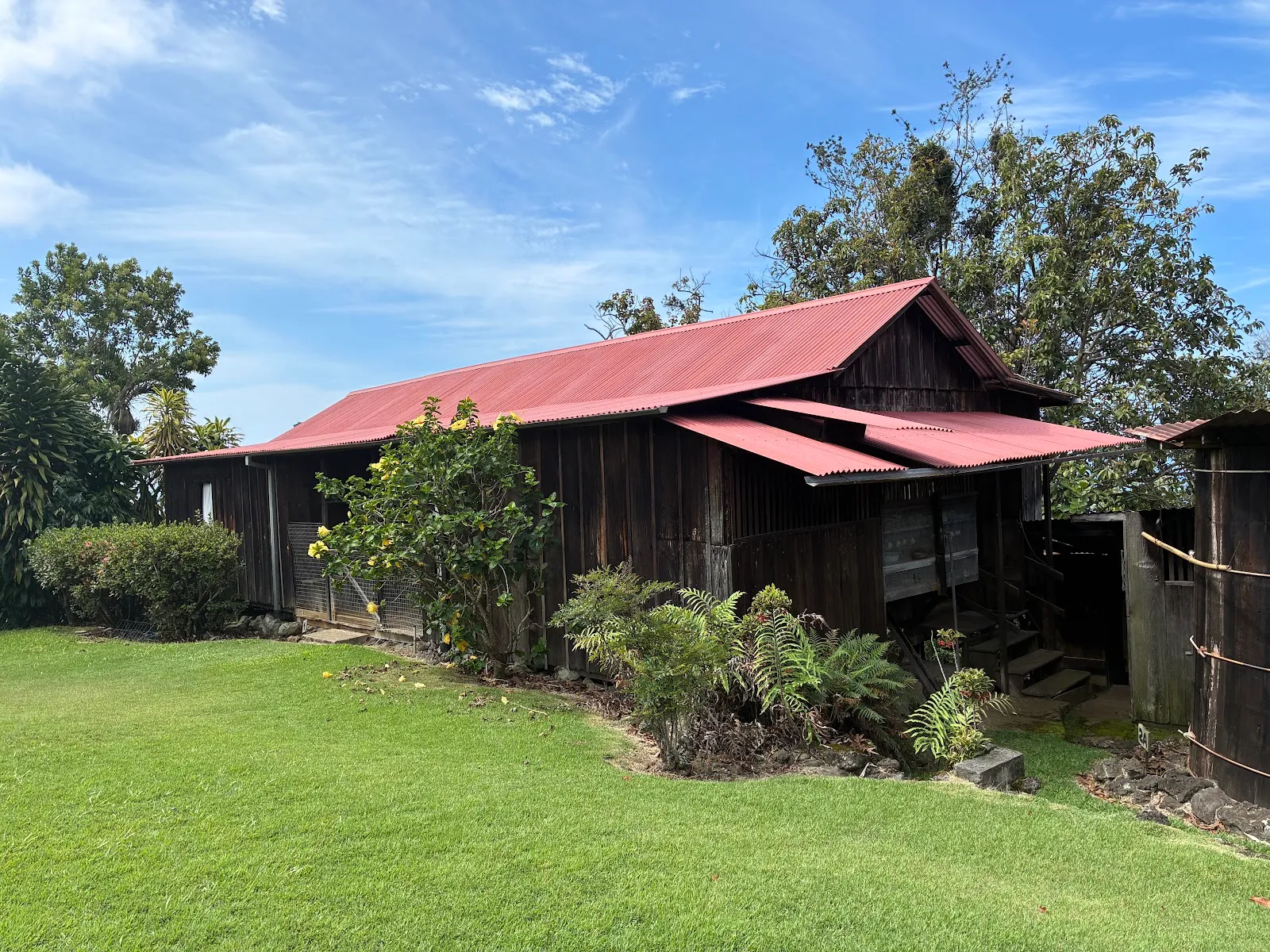
The farm sits in Captain Cook on the Big Island, in the Kona district where coffee has been grown on the volcanic slopes. It preserves the history of Japanese immigrant coffee farmers through the buildings, objects and working routines of an early 20th-century farm.
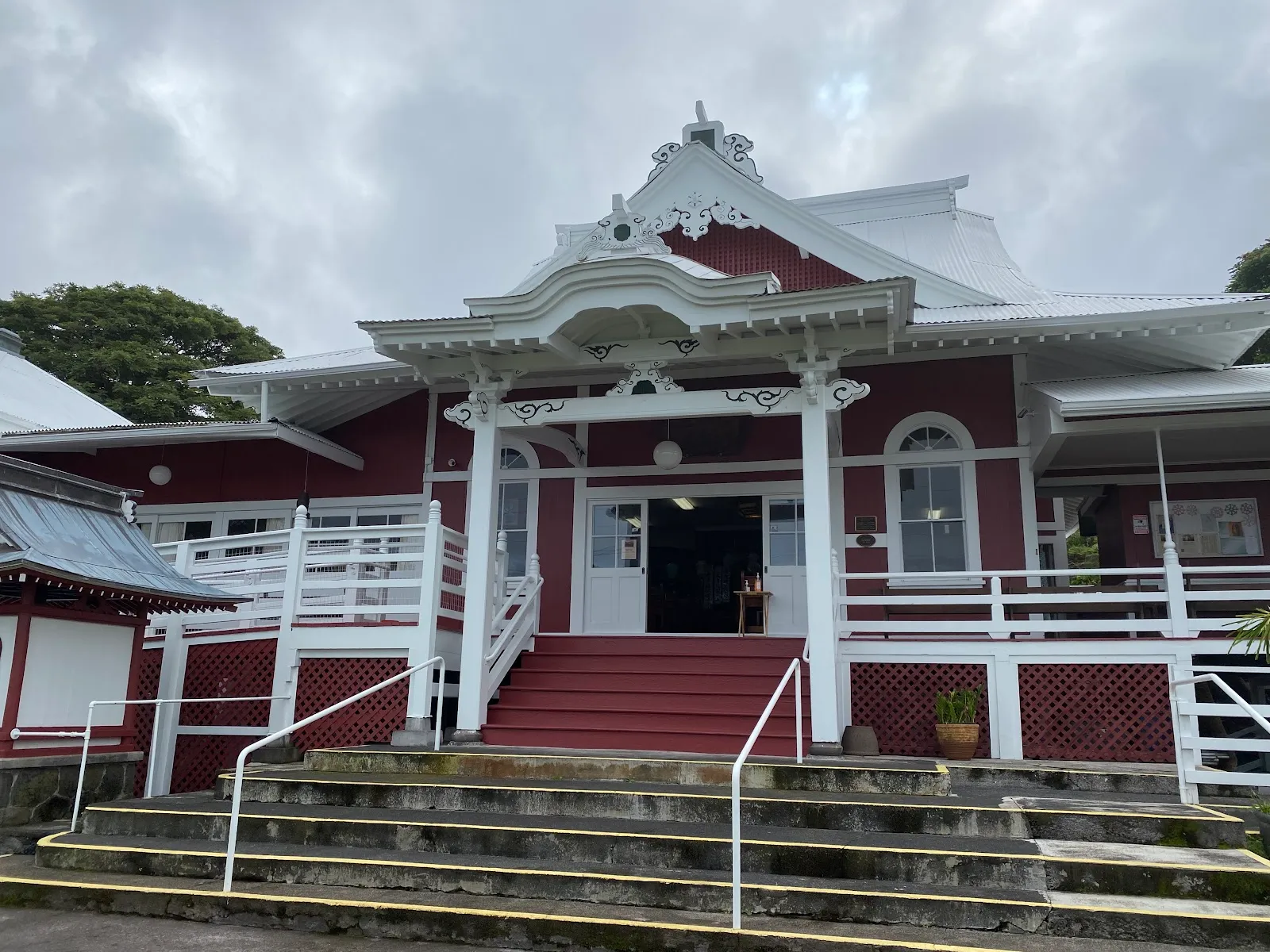
The Uchida family lived and farmed here, and the restored property includes their 1913 farmhouse. The family remained connected to the farm until 1994. Rather than focusing only on how coffee is grown, the visit brings together the work of the farm and the lives of the people who depended on it.
Inside the farmhouse and grounds
The farmhouse gives the visit its most personal perspective. Guides explain household routines and family life, with the home and its contents providing details that are easy to miss on a walk through the fields. Ask questions as you go: the conversations can range from farm work to schooling and everyday cooking.
Outside, coffee trees grow alongside buildings and equipment used in processing. The grounds include a Japanese bathhouse, a coffee mill known as a kuriba, and a traditional drying platform called a hoshidana. Historic tools and household objects help connect each part of the property to the work done there.
How coffee and daily work are presented
The farm is still worked: coffee is grown, harvested, roasted and sold there. Interpreters in period clothing explain the tasks involved, including planting and picking, as well as the steps that follow harvest. Grinding coffee beans gives visitors a chance to handle part of that process themselves.
The guides also bring individual stories to the visit. Some have direct connections to local coffee-farming families, so their accounts add detail about life on the farm that the buildings alone cannot provide. Plan enough time to talk with them, rather than treating the property as a short walk between coffee tastings.
Making time for the visit
This is a scheduled visit, not a stop you can assume is open on any day. The farm operates on Tuesdays and Fridays, and entry ends at 1:15 pm. Check the current details and arrange tickets before setting out, especially if you are fitting the farm into a day of exploring the Kona coffee area.
Allow about one to two hours if you want to see the farmhouse and grounds and speak with the guides. Orange picking is another small activity on the property when fruit is available. The nearby coffee farms can add a different angle to a day in the area, but this farm's focus is the history of the people who worked the land.
Perguntas frequentes
When is the Kona Coffee Living History Farm open?
The farm is open on Tuesdays and Fridays. The last entry is at 1:15 pm.
How long should I spend at the farm?
Allow about one to two hours to explore the grounds, visit the farmhouse and speak with the guides.
What can you see at the farm?
The site includes a historic farmhouse, coffee trees, a Japanese bathhouse, a coffee-processing mill and a traditional drying platform.
Can you pick fruit at the farm?
Oranges may be picked from trees on the property when fruit is available.