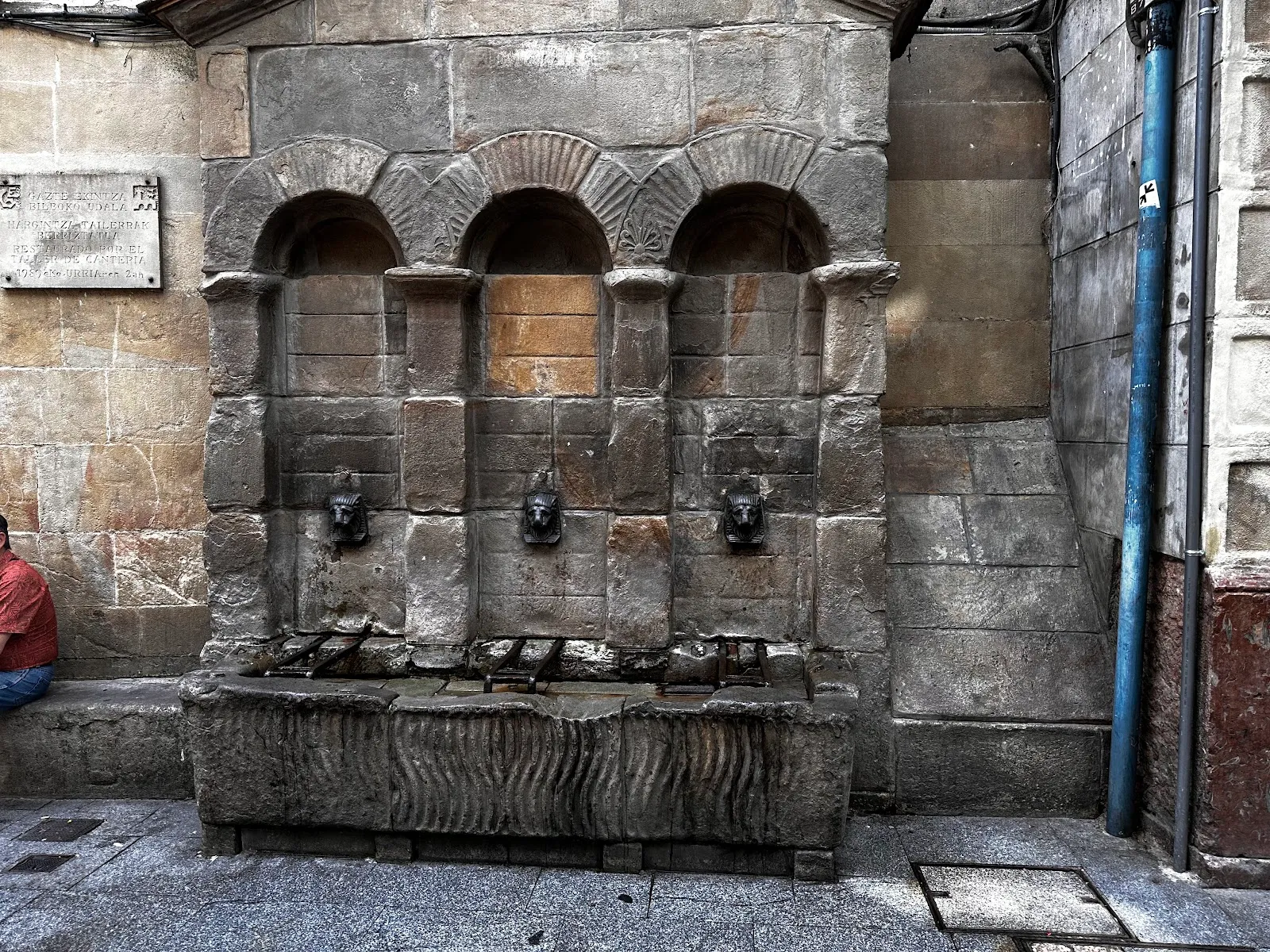
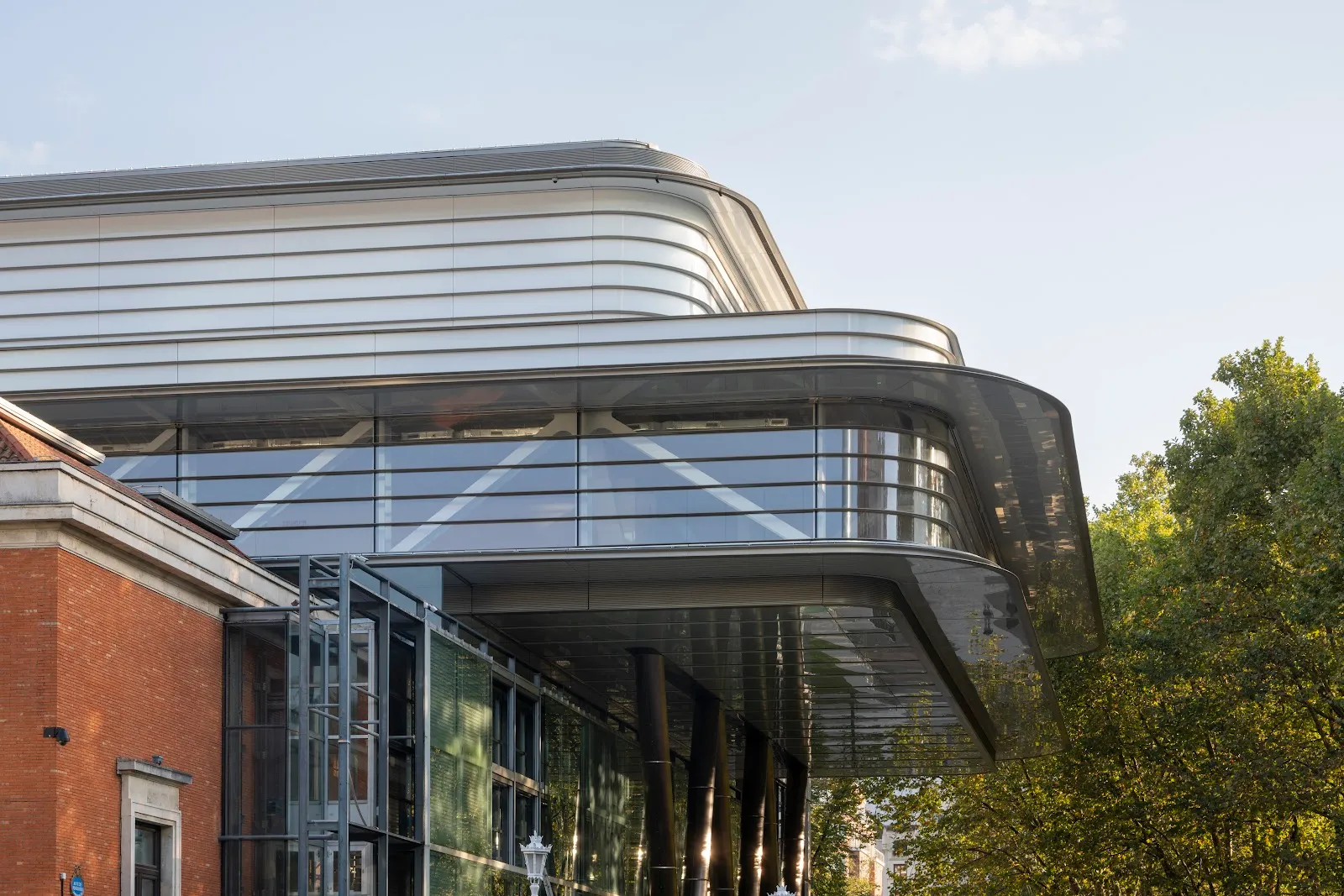
Euskal Museoa, the Basque Museum, explores the history and culture of the Basque people in Bilbao’s Old Town. Its displays cover archaeology, rural life, fishing, traditional food and customs, with objects ranging from ancient finds to tools and games. Look for miniature models of traditional villages and buildings, a model of Biscay, and Paleolithic cave paintings. The museum occupies a former 17th-century Jesuit college and church. Allow about 1.5 hours for its four floors; some exhibit information is available only in Spanish and Basque.
A museum in a former Jesuit college
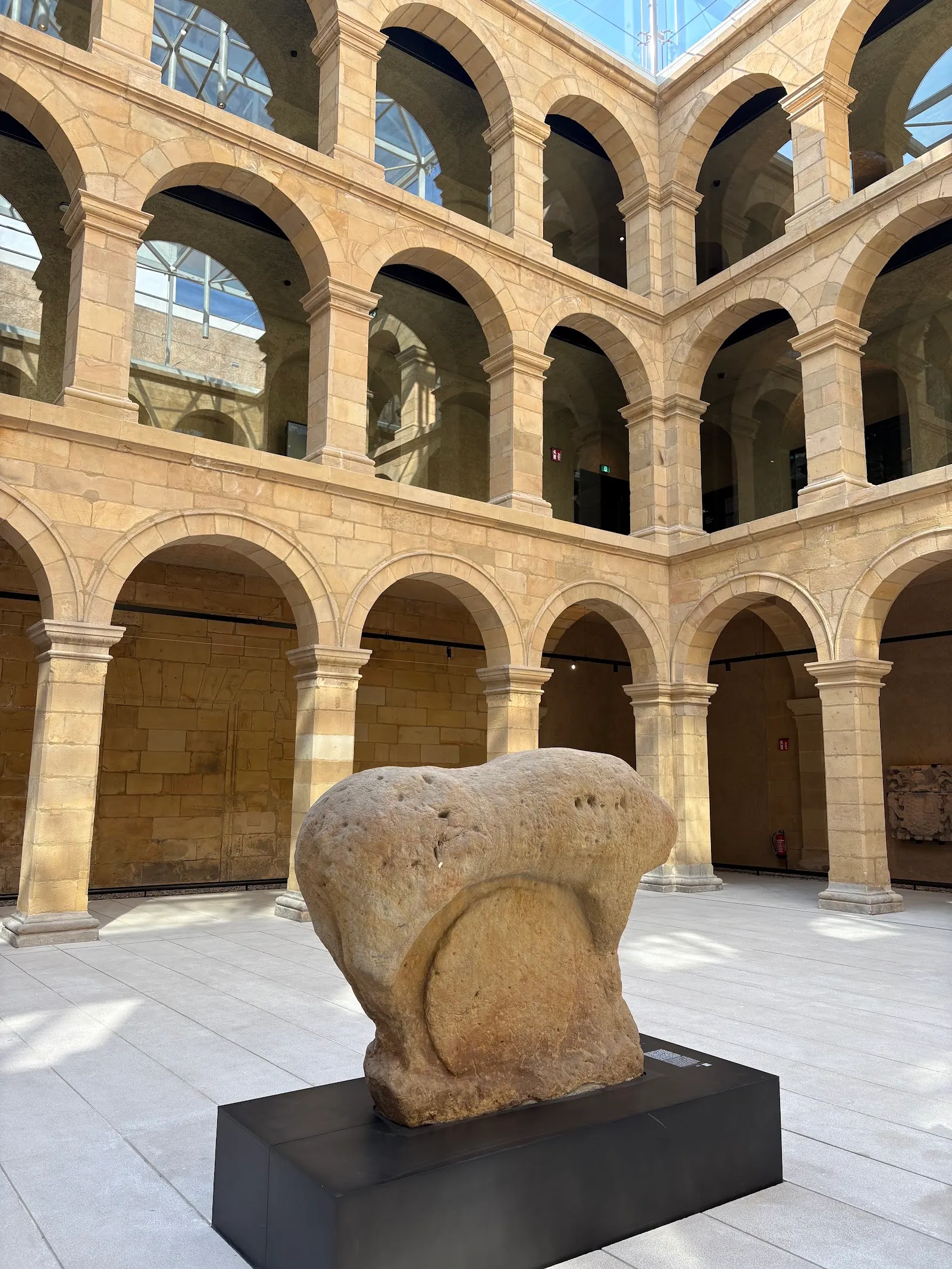
Euskal Museoa is dedicated to Basque history and ethnography. It occupies the former Saint Andrew’s College and Church of the Society of Jesus, a building established in the 17th century. The museum opened in 1921.
Its collections and displays cover archaeology, history and ethnography, with objects and images connected to the lives, work and customs of the Basque people.
Models, objects and everyday life
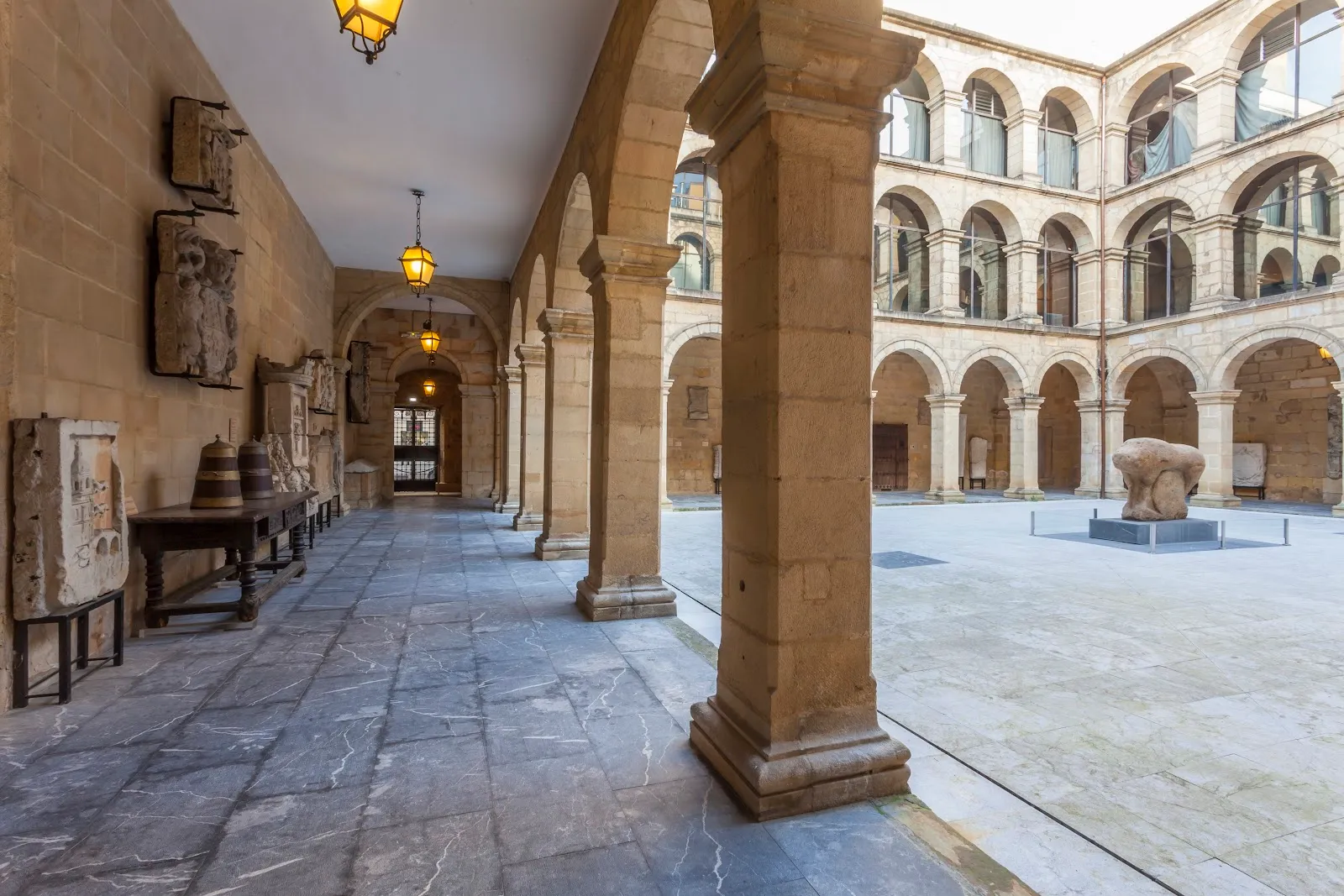
The museum’s four floors bring together displays on rural life, fishing, traditional food and other aspects of Basque culture. Among the highlights are miniature models of traditional villages and important buildings, along with a large model of Biscay. Look for objects from the region’s past, including tools and games, and Paleolithic cave paintings.
Exhibit information is not consistently available in English. Some material is in Spanish and Basque, and English information may be limited, so visitors who want detailed explanations should check what language resources are available before their visit.
Perguntas frequentes
How long should I spend at Euskal Museoa?
Allow about 1.5 hours to explore the museum’s four floors.
What can you see at Euskal Museoa?
Displays cover Basque archaeology, history, ethnography, fishing, rural life and traditional food. Highlights include village models, a model of Biscay and Paleolithic cave paintings.
Is information available in English?
English exhibit information may be limited. Some displays are explained in Spanish and Basque.