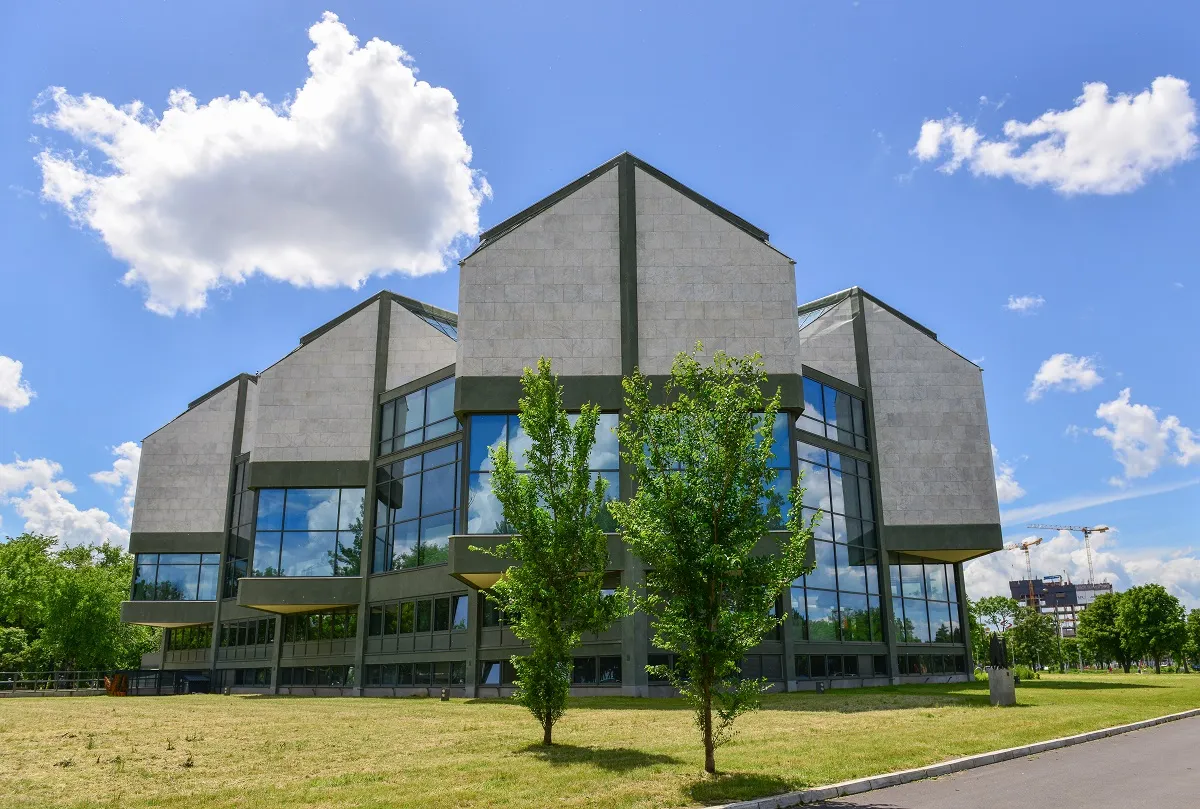
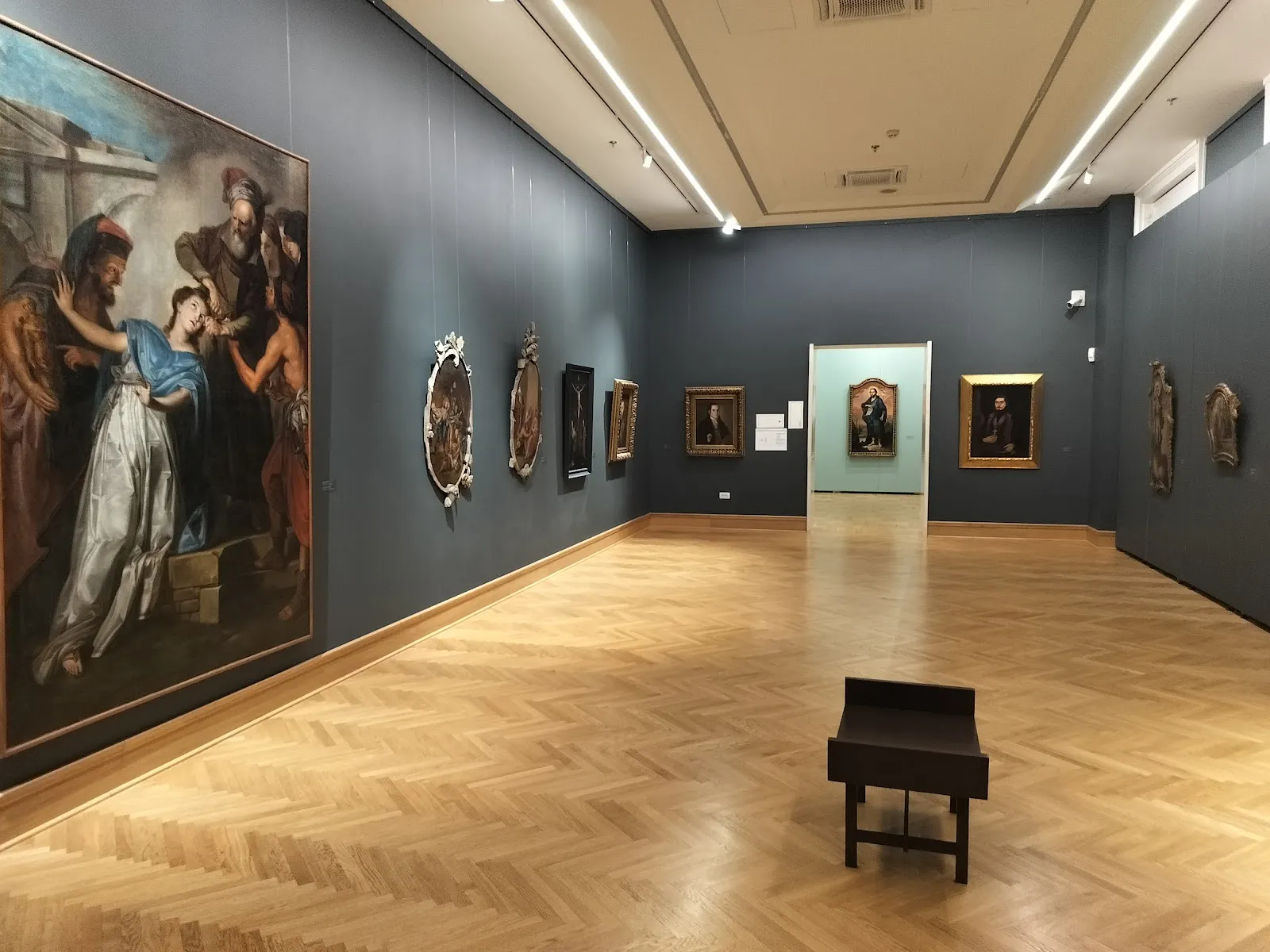
Kalemegdan combines Belgrade Fortress with a large public park above the meeting point of the Sava and Danube rivers. Follow paths between old walls, gates, monuments and museums, then pause at the plateau near the Pobednik statue for wide river and city views. The grounds also include churches, an observatory, an art pavilion, sports areas and attractions for children. Entry to the park and fortress is free; museums and other facilities may have separate costs. Allow time to explore beyond the main viewpoint.
A fortress above two rivers
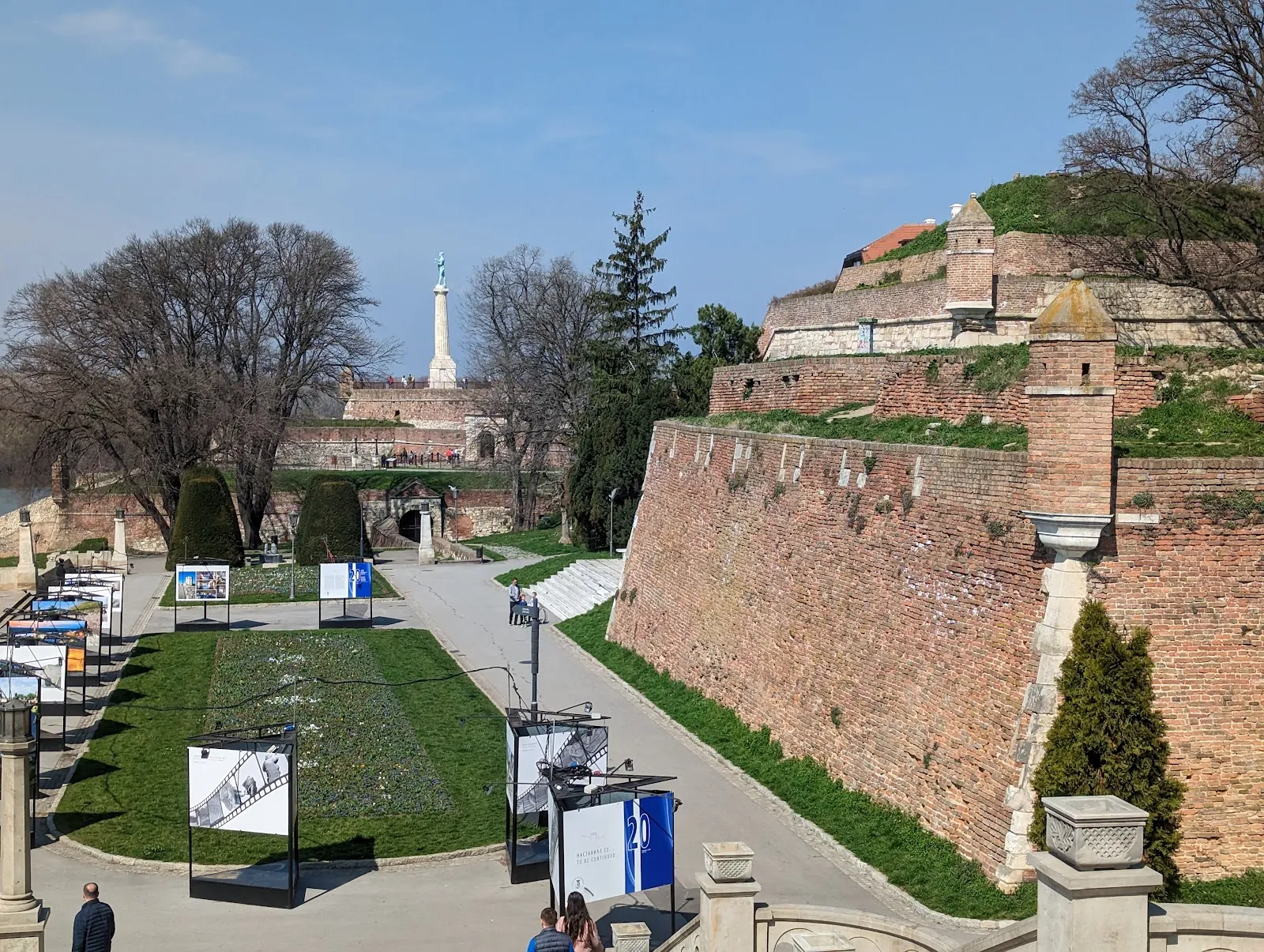
Kalemegdan brings together the Belgrade Fortress and the park that grew around it. The site occupies high ground above the confluence of the Sava and Danube, a position that made it important for defence and gives it broad views across the rivers and city. The fortress was damaged and rebuilt through many centuries, leaving walls and structures associated with different periods and powers, including Roman, Ottoman and Austro-Hungarian rule.
The park developed after Serbia’s liberation from Ottoman rule. Trees were planted, paths were laid out and monuments were added. Today, its routes connect open green spaces with the fortress, cultural sites and places to sit. Kalemegdan is used as a public park as well as a historic complex, with Belgraders gathering there alongside people visiting the city.
Upper Town landmarks
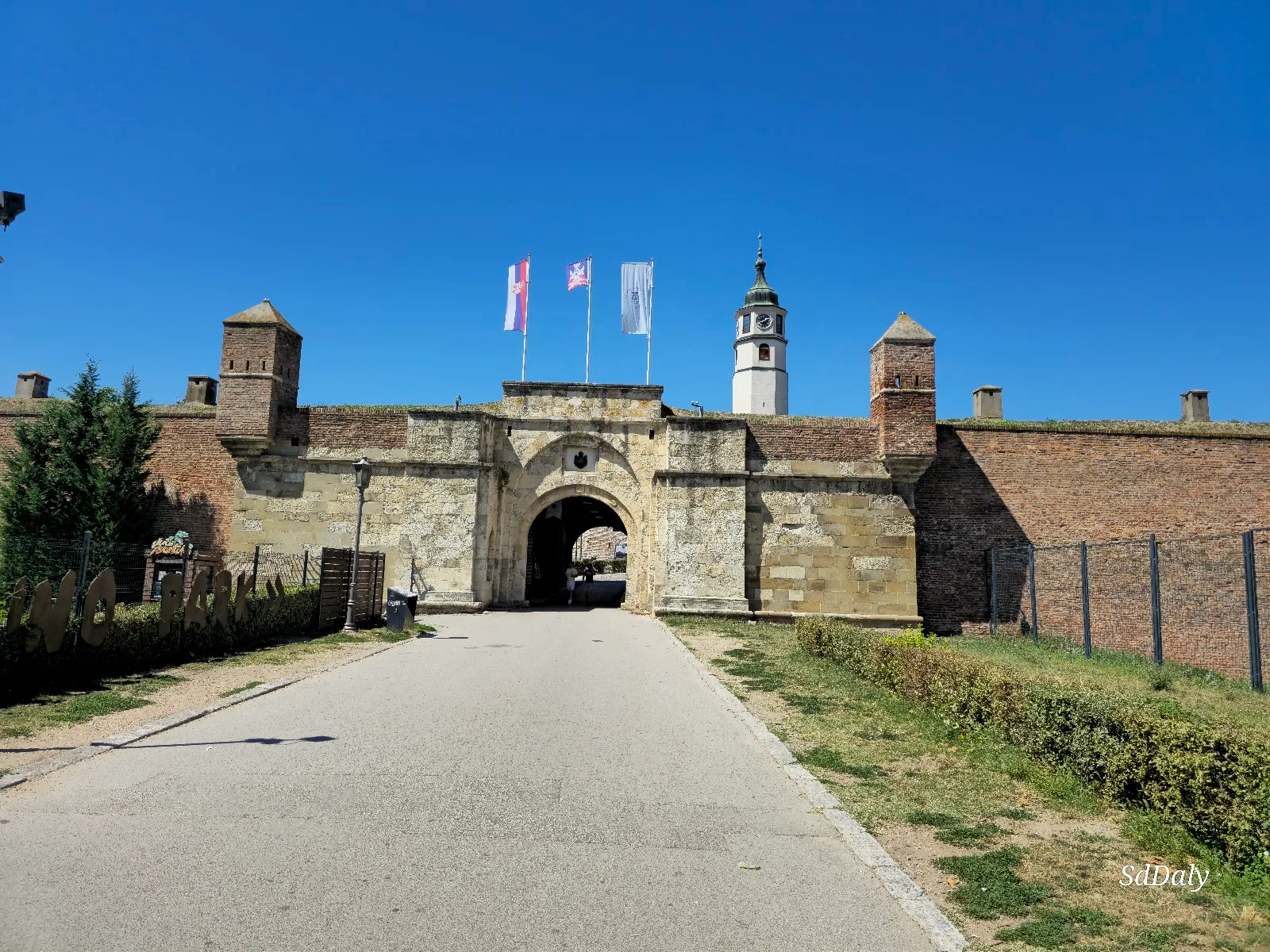
The Upper Town contains several of the fortress’s best-known sights. At the plateau above the river confluence, the Pobednik monument is one of Belgrade’s defining symbols. The Military Museum is another major stop; military equipment, including tanks and artillery, can be seen on its grounds. The museum’s collection covers different eras, with objects such as Roman swords and Serbian armour.
Other landmarks in this part of the fortress include the Clock Tower, the Roman Well and the remains of earlier fortifications. The Roman Well descends into the rocky ground beneath the Upper Town plateau, with a staircase running down through its narrow shaft. The fortress also preserves gates and towers from the medieval period, including Zindan Gate, Despot’s Gate and Jakšića Tower.
Lower Town and the wider park
The Lower Town slopes down towards the river. Its sights include Nebojša Tower, the Big Gunpowder Magazine, an old Turkish bath and the churches of Ružica and St Petka. Walking between the Upper and Lower Town gives a sense of the fortress’s scale and changing levels; take time to look at the walls and the views along the way.
Beyond the fortifications, the park has walking paths, statues, benches and recreational areas. The wider grounds also contain a zoo, an art pavilion, an observatory, a planetarium and a small amusement park. Families can use the playgrounds, while visitors looking for a quieter break can sit among the trees or find a viewpoint over the rivers. A tourist train runs through the grounds for those who prefer not to cover the whole area on foot.
Perguntas frequentes
Is Kalemegdan free to enter?
Entry to the park and fortress is free. Museums and other attractions within the grounds may have separate charges.
What can you see at Kalemegdan?
The grounds include Belgrade Fortress, the Pobednik monument, the Military Museum, historic gates and towers, churches, a zoo and river viewpoints.
How much time should you allow for Kalemegdan?
The area is extensive and includes a park, fortress and several attractions. The input does not establish a typical visit length, so allow more time if you plan to visit museums or walk through both the Upper and Lower Town.
When is a good time to visit Kalemegdan?
Warmer weather is better for enjoying the paths and outdoor areas. Dusk is a good time for views over the river confluence.