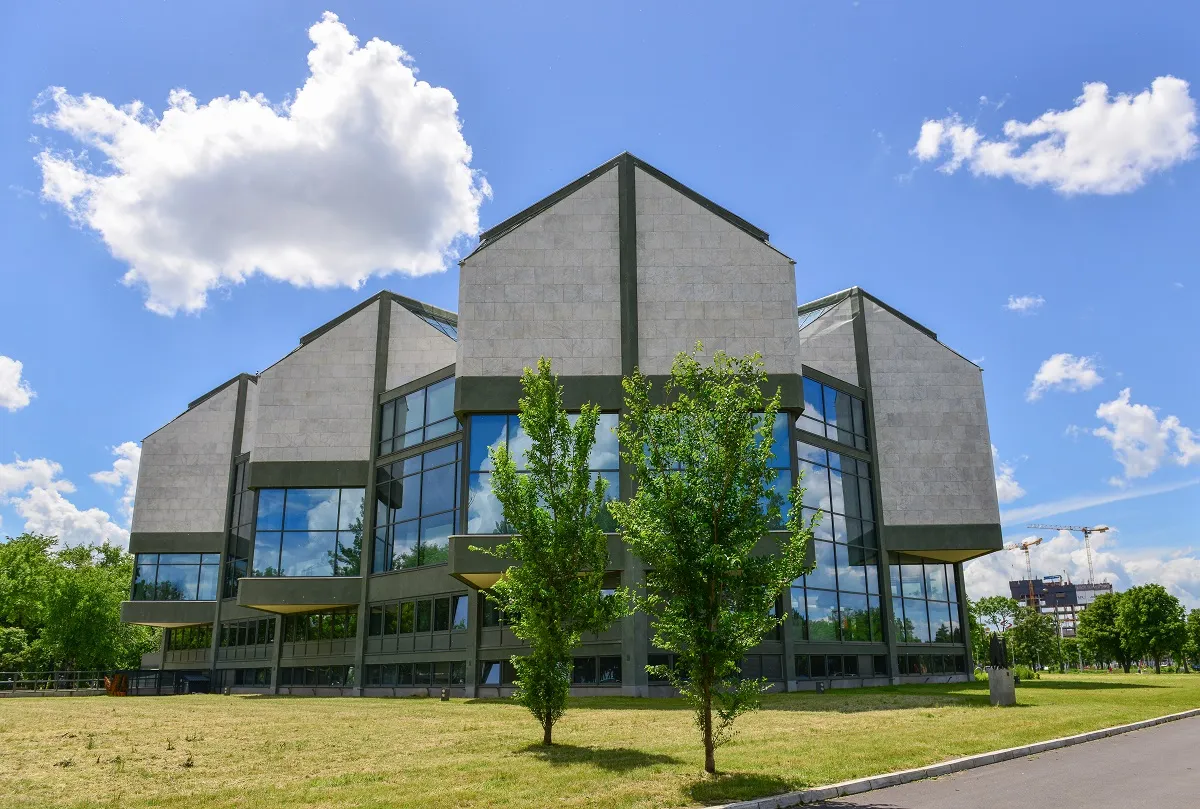
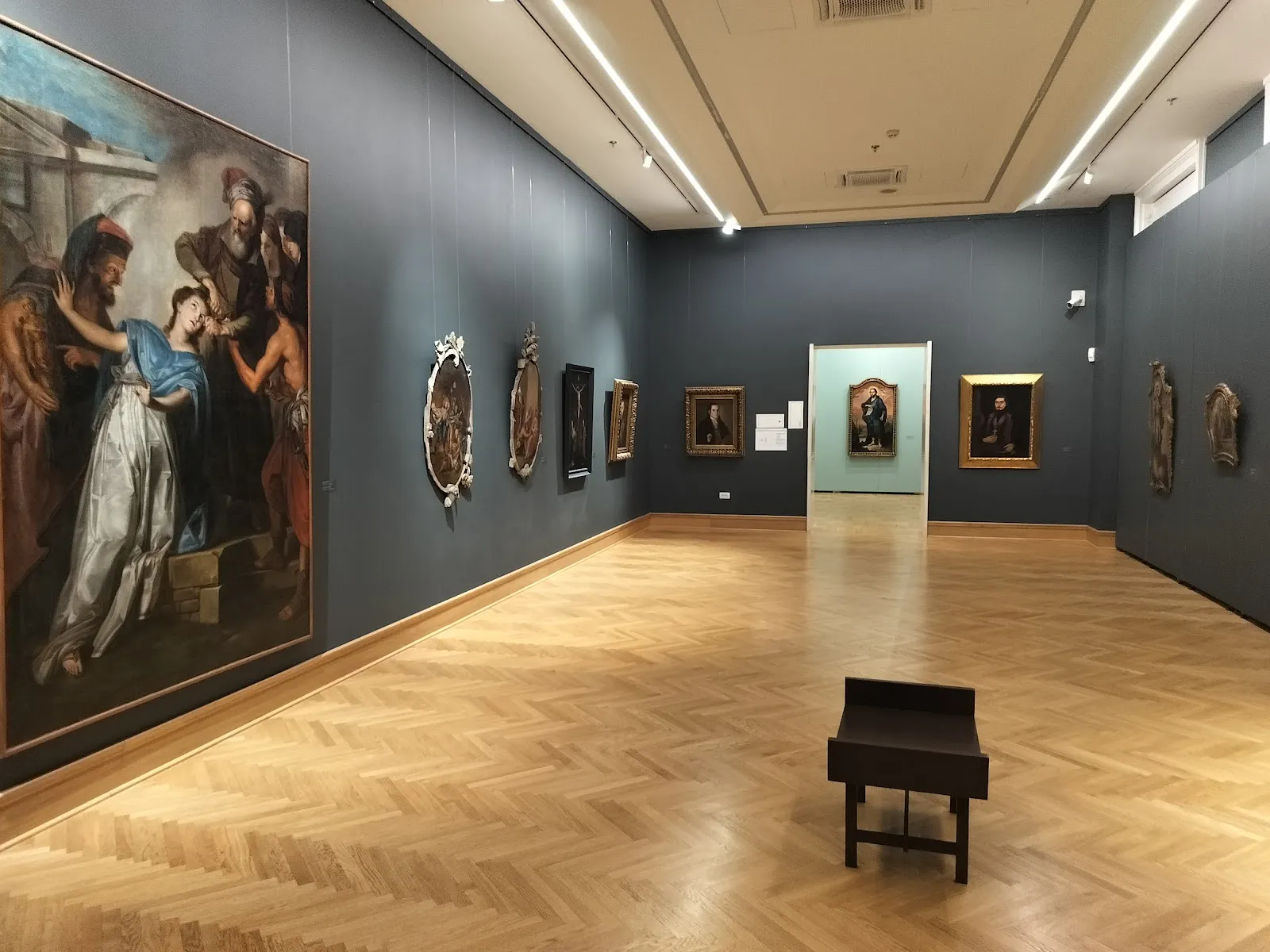
The Museum of Yugoslavia in Belgrade’s Dedinje district traces the history of Yugoslavia and the life of Josip Broz Tito across a complex of three buildings. At the House of Flowers, Tito’s mausoleum, a quiet memorial space sits alongside exhibits about his legacy. The Old Museum displays gifts he received from world leaders, while other collections include relay batons, personal belongings and material on Yugoslav history. Allow time to walk between the buildings and through the sculpture-filled grounds; the exhibits cover a complex past from several angles.
A museum complex in Dedinje
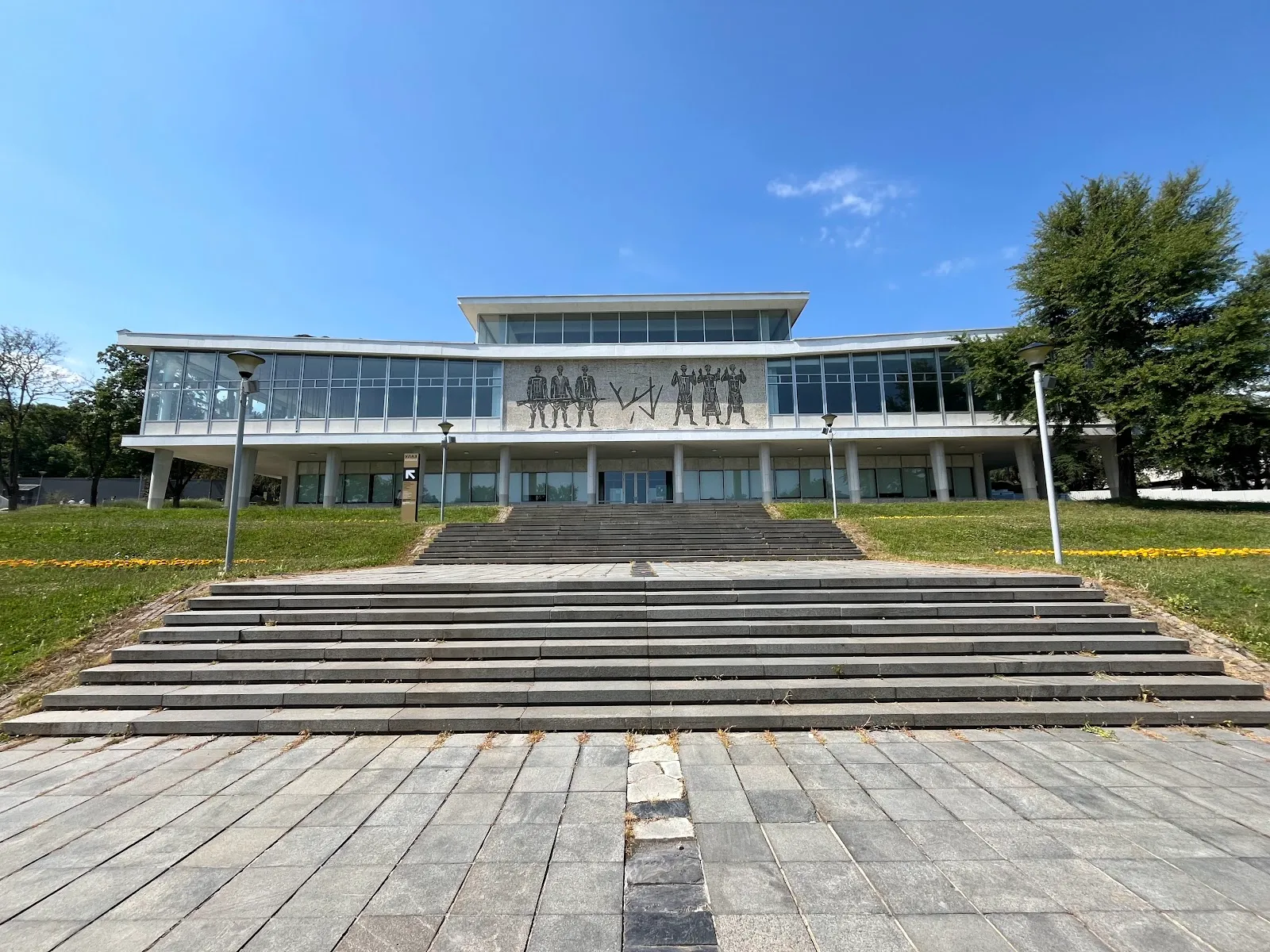
The Museum of Yugoslavia brings together several buildings and outdoor spaces in Belgrade’s Dedinje district. Its collections explore Yugoslavia’s history and the life of Josip Broz Tito through objects, photographs and other historical material.
The institution opened in 1962 as a gift from the city of Belgrade to Tito for his 70th birthday. After his death in 1980, a memorial to him became part of the complex. Today, the visit links exhibits on the country’s past with the House of Flowers, where Tito is buried.
The House of Flowers and Tito’s legacy
The House of Flowers is the complex’s mausoleum and one of its central places of remembrance. Inside, Tito’s grave is presented in a quiet, simple setting. The building also holds material connected with his life and public role.
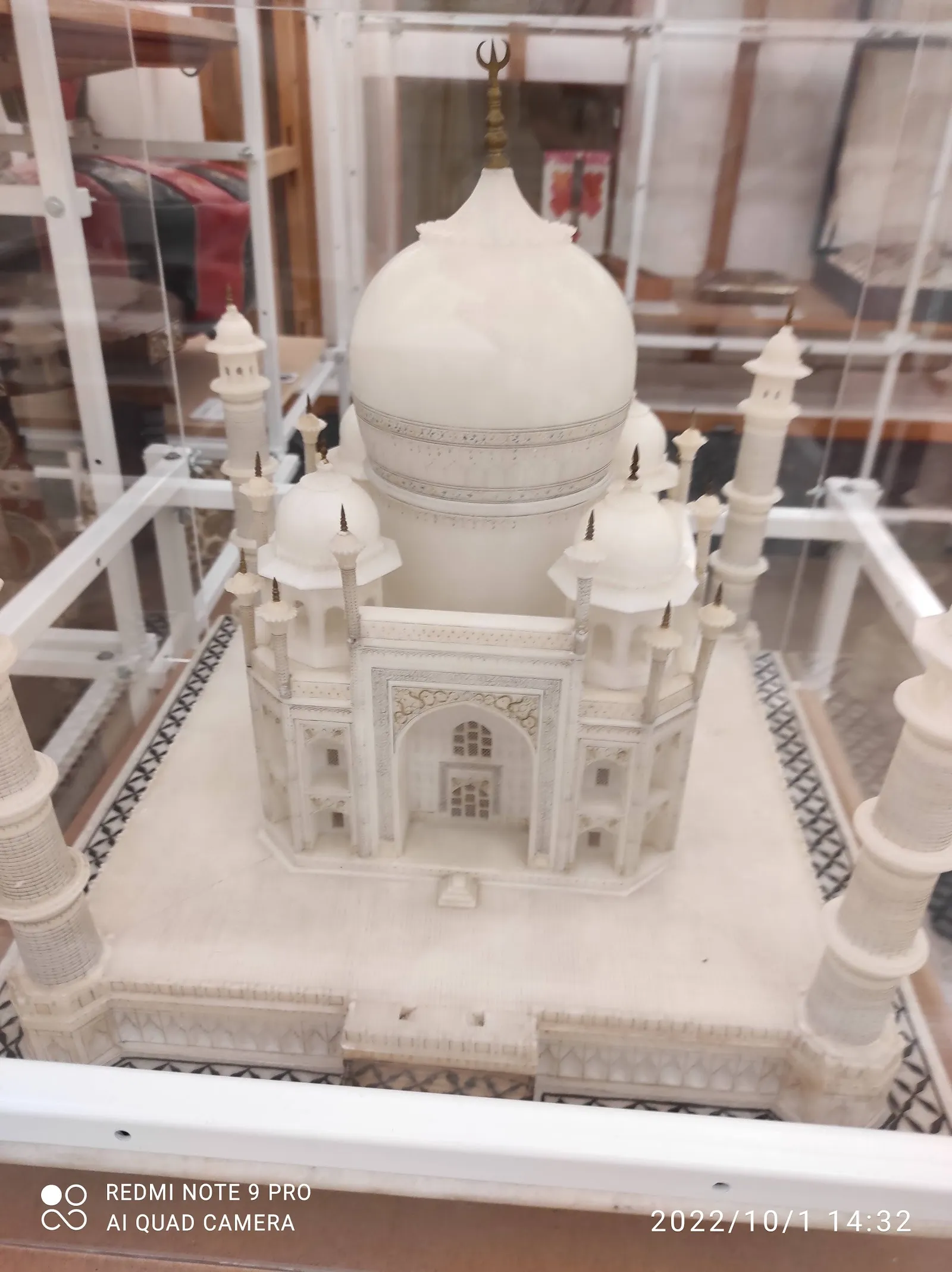
Exhibits elsewhere in the complex include personal belongings and gifts given to Tito by foreign leaders. The variety of objects offers a view of the international relationships of his presidency. The Old Museum is particularly associated with these gifts, while other displays put them alongside wider accounts of Yugoslav society and politics.
Collections from across Yugoslav history
The museum’s material ranges across political, cultural and everyday life in Yugoslavia. Displays include historical objects, documents, photographs and artworks. Some exhibitions cover the Second World War and the socialist period; material on the political upheavals of the 1990s is also represented.
The Relay of Youth batons are among the distinctive objects on display. These decorated batons were carried across the country for Tito’s birthday each year. Together with the international gifts, they show how public rituals and personal diplomacy became part of the story told by the collections.
The museum also uses exhibition spaces to explore local traditions and different perspectives on life in Yugoslavia. Its presentations address a complicated history rather than reducing the country’s past to a single account.
Walking between the buildings
Plan to move between the museum buildings and the grounds as part of your visit. The complex includes the House of Flowers, the Old Museum and the 25th May Museum. The grounds form a sculpture park, with bronze figures and monuments among the trees. The 25th May Museum building has been undergoing reconstruction, so check current information if you have a particular exhibition in mind.
The entrance can take a little orientation: parking is near the building most visible from the street, but reaching the museum entrance involves a walk. The collections are substantial, and a guided visit can help make connections between the objects and the history. English-language guides should be checked in advance.
Perguntas frequentes
What can you see at the Museum of Yugoslavia?
The complex includes the House of Flowers, Tito’s mausoleum, and museum buildings with gifts presented to him, personal belongings and exhibits on Yugoslav history.
How long do you need at the Museum of Yugoslavia?
Plan for about one to two hours to visit the buildings and grounds.
Is there an English-language tour?
An English-language tour is listed for weekends at 11am. Check in advance for current availability, or ask about booking a guide.
Is parking available at the museum?
Parking is available near the complex. The museum entrance requires a walk from the parking area by the building most visible from the street.