Powązki Cemetery, also called Stare Powązki, is a historic necropolis at Powązkowska 14 in Warsaw’s Wola district. Founded in 1790, it is known for elaborate tombs and sculptures ranging from Neoclassical works to contemporary art. Paths wind among mature trees, and the grounds include the catacombs and the Avenue of Merit, where accomplished Poles are buried. Come for the art and the quiet, or visit during the All Saints’ period, when candles and flowers fill the cemetery. Its size makes a navigation app useful.
A cemetery founded in 1790
Powązki Cemetery, known as Stare Powązki, was established in 1790 by King Stanisław August Poniatowski. It is one of Warsaw’s oldest cemeteries and a large historic necropolis in the city’s Wola district. Its grounds hold graves from different religious communities, including Roman Catholic, Protestant, Muslim, Jewish and Orthodox sections.
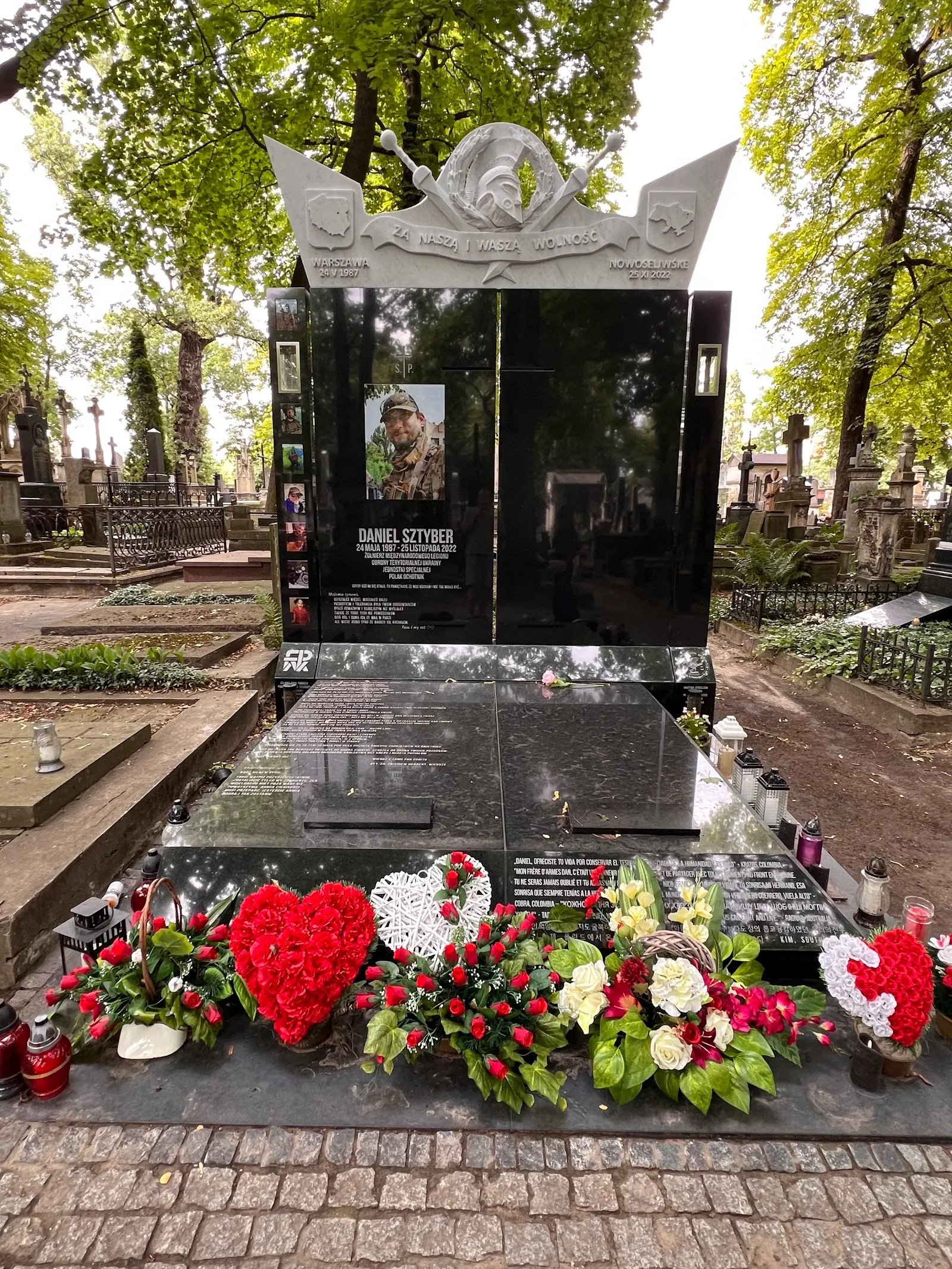
The cemetery is a place of remembrance as well as a collection of funerary art. Tombstones and monuments vary in design, with works from Neoclassical and Secession styles through to contemporary art. Sculptures include figures of angels and other forms, and trees shade the paths in warmer months.
Catacombs and the Avenue of Merit
The catacombs contain the remains of members of the royal family and the king’s court. Along their southern wall, the Avenue of Merit became a burial place for accomplished Poles in 1925. Among those named there are Nobel Prize-winning writer Władysław Reymont and writer Maria Dąbrowska.
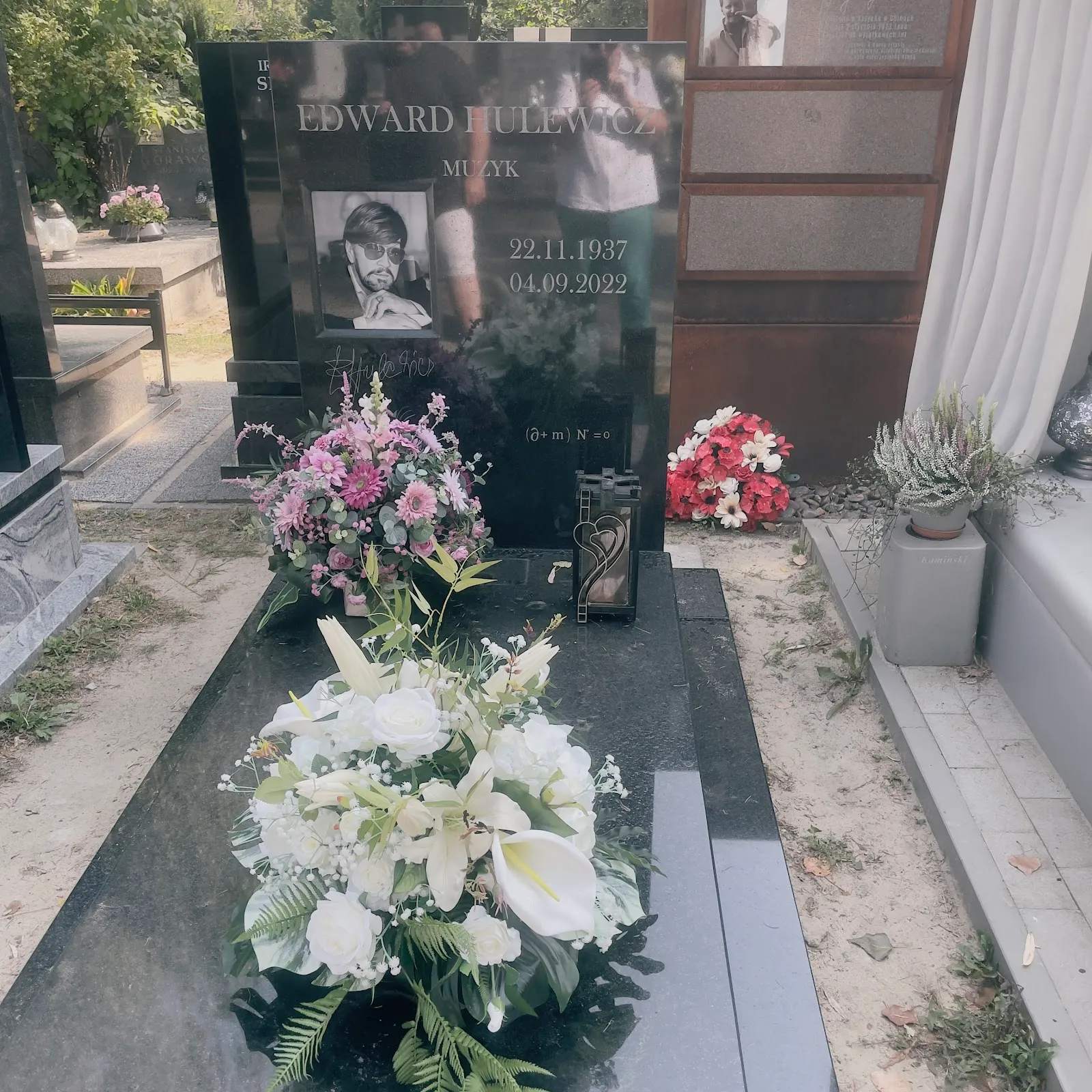
The cemetery is also the resting place of notable Polish poets, artists and musicians, as well as people killed in conflicts including the Warsaw Uprising and the Second World War. A memorial to victims of the Katyń Massacre is among the more recent commemorative sites. The main memorial wall by the entrance records the names of many people buried here.
Walking the grounds
The extensive paths pass tombs of different periods and styles, from ornate monuments to simpler grave markers. The cemetery’s size makes it difficult to cover every section in one visit, so use its mobile app to help find your way. A walk of two or more hours gives you time to explore without trying to see the whole site.
Powązki is a place for quiet reflection. Keep to the paths and treat graves and memorials with care. The cemetery has separate areas for Catholic and Jewish graves; these are sections within the grounds, not a substitute for visiting Warsaw’s separate Jewish Cemetery.
Candles during the All Saints’ period
Around All Saints’ Day, families bring flowers and candles to graves. The decorated monuments and points of candlelight give the cemetery a different atmosphere, especially as evening falls. This is a popular time to see the grounds, so expect more activity than on a quieter day.
If you visit late, check the closing time before setting out and leave enough time to reach an exit. The cemetery is large, and gates close at the end of the day.
Perguntas frequentes
Is Powązki Cemetery free to visit?
The cemetery is described as free to visit.
How long should you spend at Powązki Cemetery?
Allow about two to three hours to walk among the tombs and sculptures. The grounds are extensive, so seeing every section takes longer.
What is the best time to visit Powązki Cemetery?
Around All Saints’ Day, flowers and candles decorate the graves. For a quieter visit, consider going later in the day, but leave before closing.
What should you see at Powązki Cemetery?
Look for the catacombs, the Avenue of Merit, the memorial wall near the entrance and tombs with sculptures in styles ranging from Neoclassical to contemporary.