Belfast’s Grand Opera House is a Victorian theatre on Great Victoria Street, beside the Europa Hotel. Frank Matcham designed it, and it opened in 1895. Its auditorium is known for curved balconies, ornate decoration and an Indian-inspired style, with red and gold among the interior colours. You can book a performance, from musicals and opera to comedy, dance and drama, or look into a guided tour to learn about the building and see behind the scenes.
A theatre by Frank Matcham
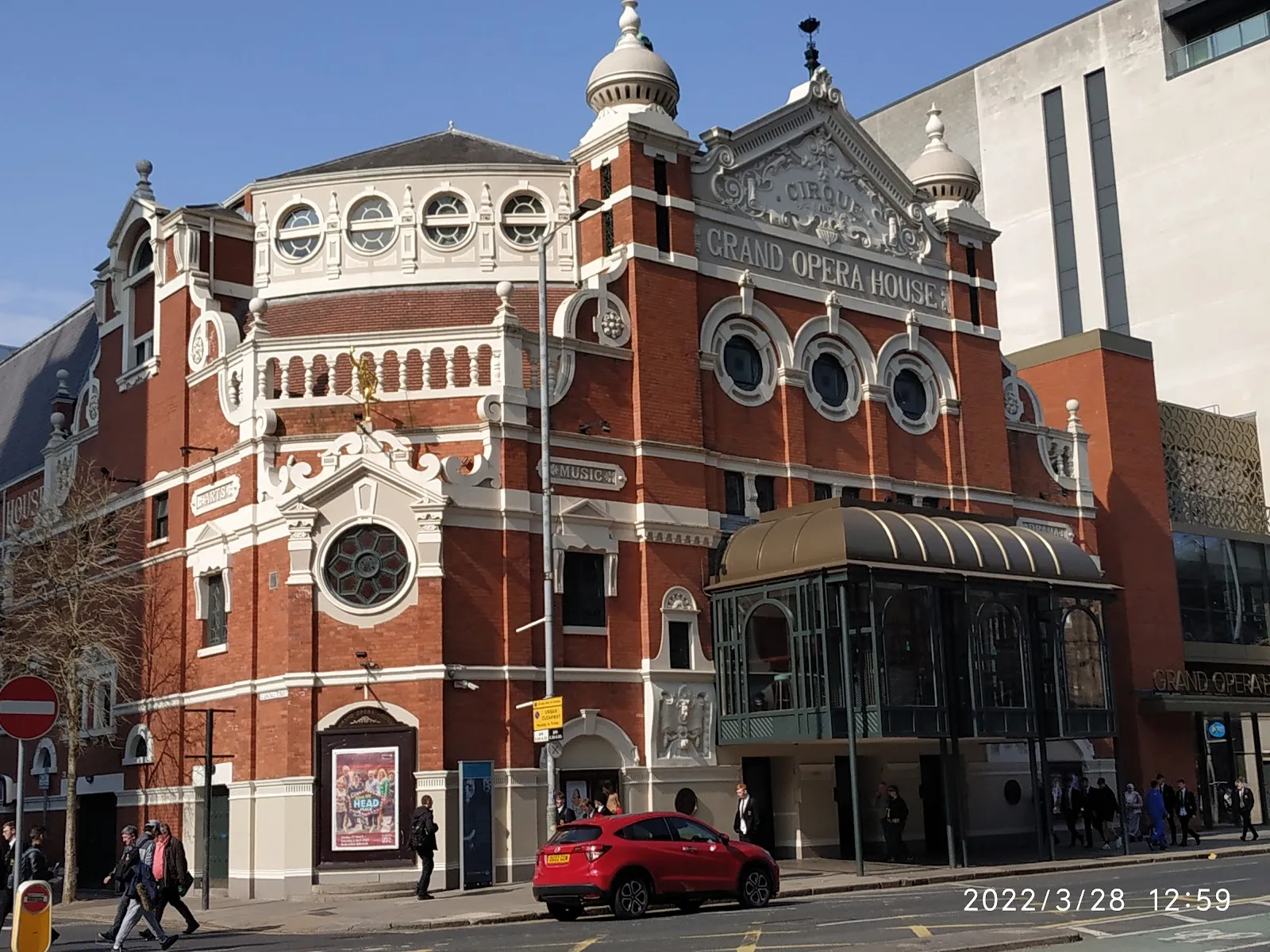
The Grand Opera House opened on Great Victoria Street on 23 December 1895. Its architect, Frank Matcham, was a leading theatre designer of the period. The building’s exterior combines cream-coloured cast stone and red brick, with details described as Flemish, Baroque and Oriental in style.
The auditorium is the main reason to look beyond the street-facing exterior. Its design draws on Indian-inspired forms, with curved balconies and canopies shaped like turbans. Red and gold add to the richly decorated interior. The theatre was refurbished in the 1970s, and work in 2006 restored Victorian ornamental details, including gilt-work and carved wood and plaster.
What happens on stage
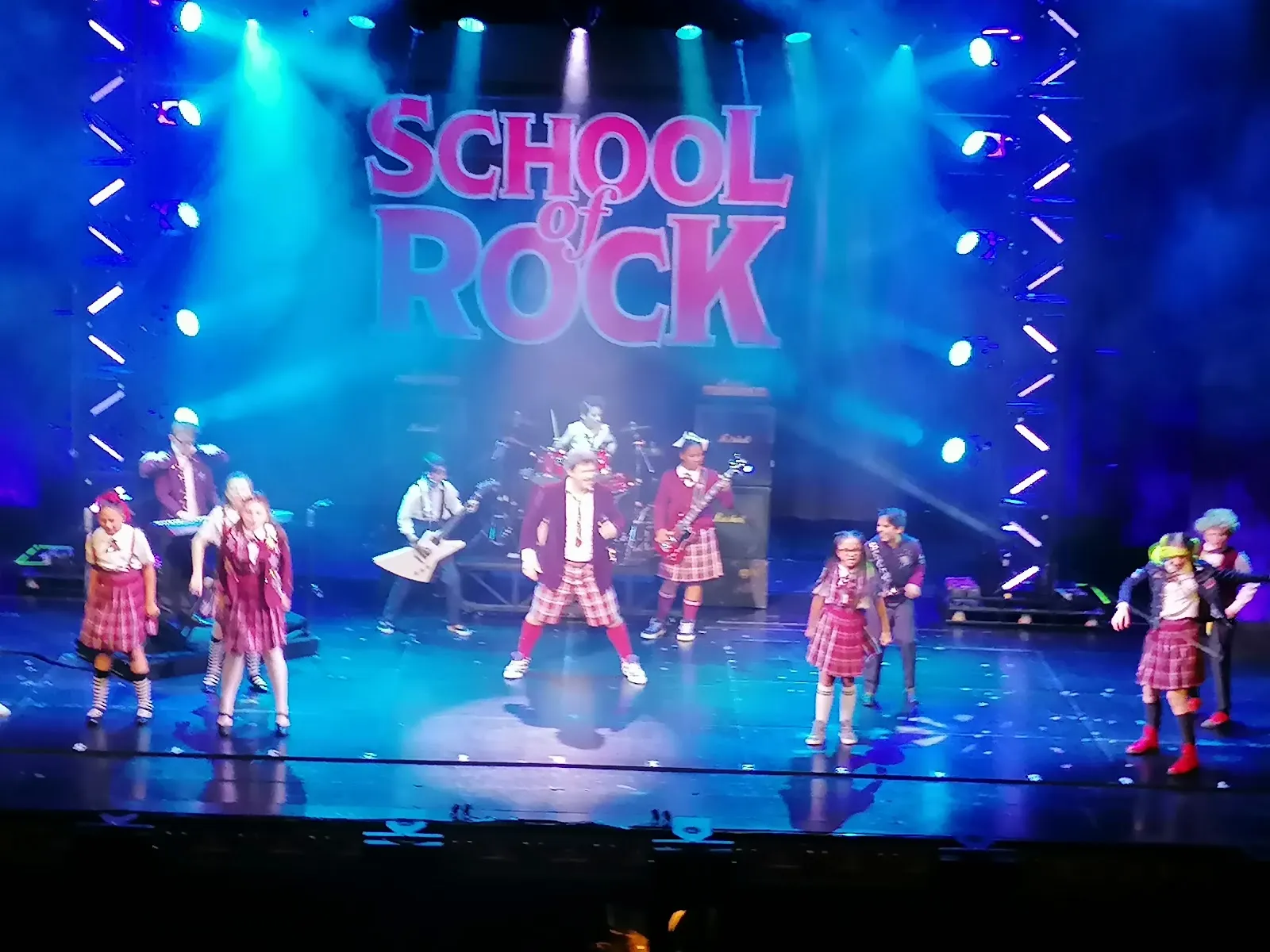
The programme spans opera, musicals, pantomime, concerts, ballet, dance, comedy and drama. Check the current schedule before planning an evening here, since the performance is central to the experience. The theatre has hosted major performers over its history, including Luciano Pavarotti, who made his British stage debut there in 1963.
A show gives you time in the auditorium as well as an evening of live performance. If you are choosing a production, use the theatre’s website to check what is on and arrange tickets. Booking ahead is sensible when you want a particular performance or seat.
Tours and theatre history
A guided tour is another way to visit if you are more interested in the building than in a show. Tours give an account of the theatre’s history and can take visitors backstage, where they can learn about the daily work of a functioning venue. Advance booking is recommended.
The building has undergone several changes since opening. It was used as a cinema during the 1960s and 1970s, and later restoration work returned ornamental details to the auditorium. A heritage exhibition opened in 2020, with a visual timeline and interactive touchscreens in the Gods Foyer. Check current access arrangements before setting out, as the available visit can depend on the theatre’s programme.
Planning your visit
The theatre is at 2-4 Great Victoria Street, beside the Europa Hotel. Arrive before a performance if you want a little time to appreciate the interior. Photography is restricted during shows, so save any pictures for before or after the performance and follow the venue’s guidance.
Parking nearby can be limited. Consider public transport or a car park farther from the theatre if you are travelling by car. The venue has wheelchair-accessible seating, an entrance, elevator and restroom. Its website is the place to check current performances, tour details and access information.
Perguntas frequentes
When did the Grand Opera House open?
The theatre opened on 23 December 1895. It was designed by Frank Matcham.
What kinds of shows are staged there?
The programme includes musicals, opera, pantomime, concerts, ballet, dance, comedy and drama. Check the theatre’s current schedule for performances.
Can you take a tour of the Grand Opera House?
Guided tours are offered, including behind-the-scenes access. Book in advance and check current availability with the theatre.
Is there accessible access at the theatre?
The venue has wheelchair-accessible seating, an entrance, elevator and restroom.