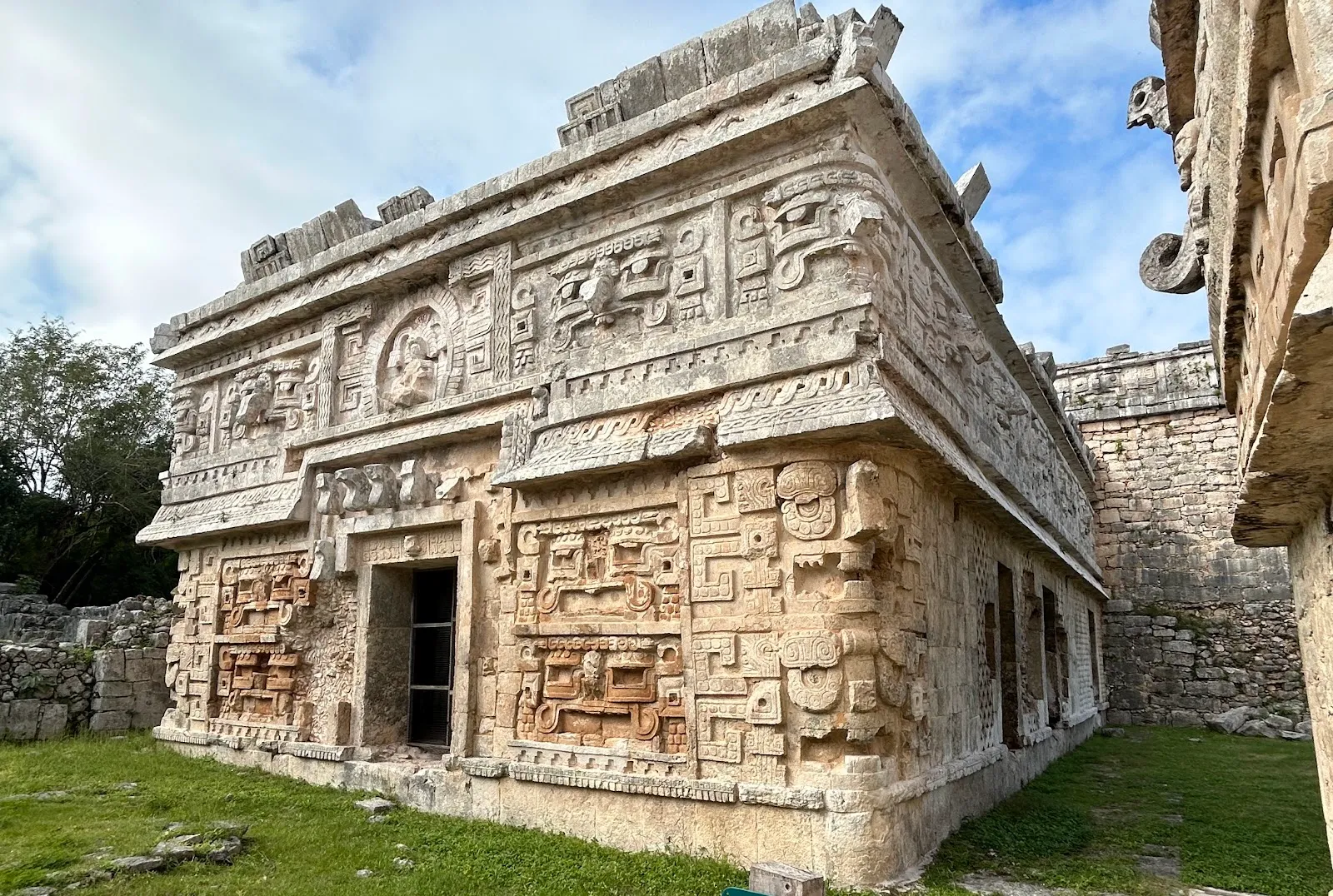
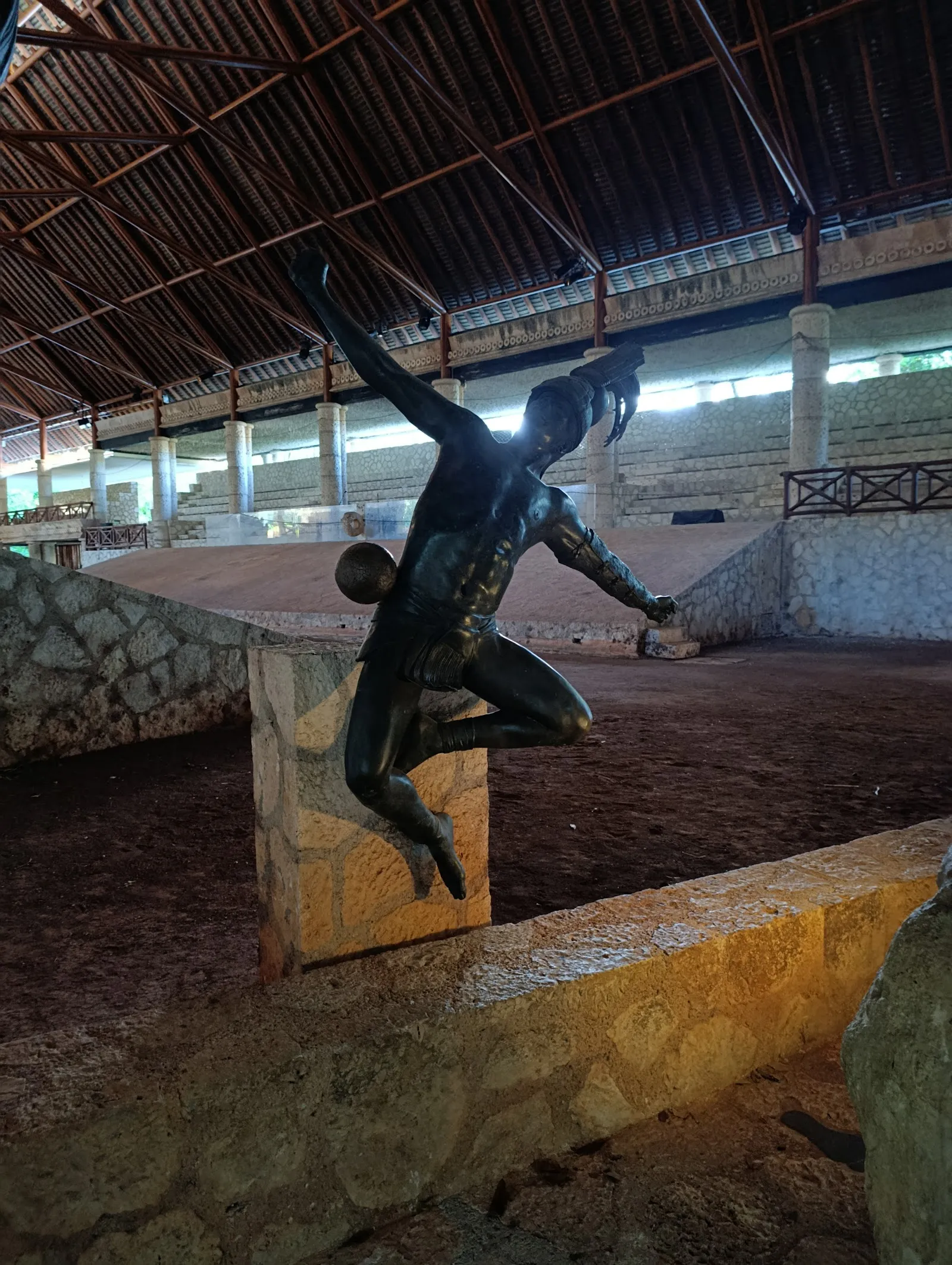
El Castillo, also called the Temple of Kukulcán, is the central pyramid at the Chichén Itzá archaeological site in Yucatán. Its four stairways and carefully arranged levels encode the solar year: 91 steps on each side, plus the summit, make 365. At the spring and autumn equinoxes, sunlight creates a moving serpent-like shadow on the northern stairway. Use the pyramid as a starting point, then continue to the Great Ball Court, Temple of the Warriors, El Caracol observatory and Sacred Cenote to see more of the site.
A pyramid designed around the year
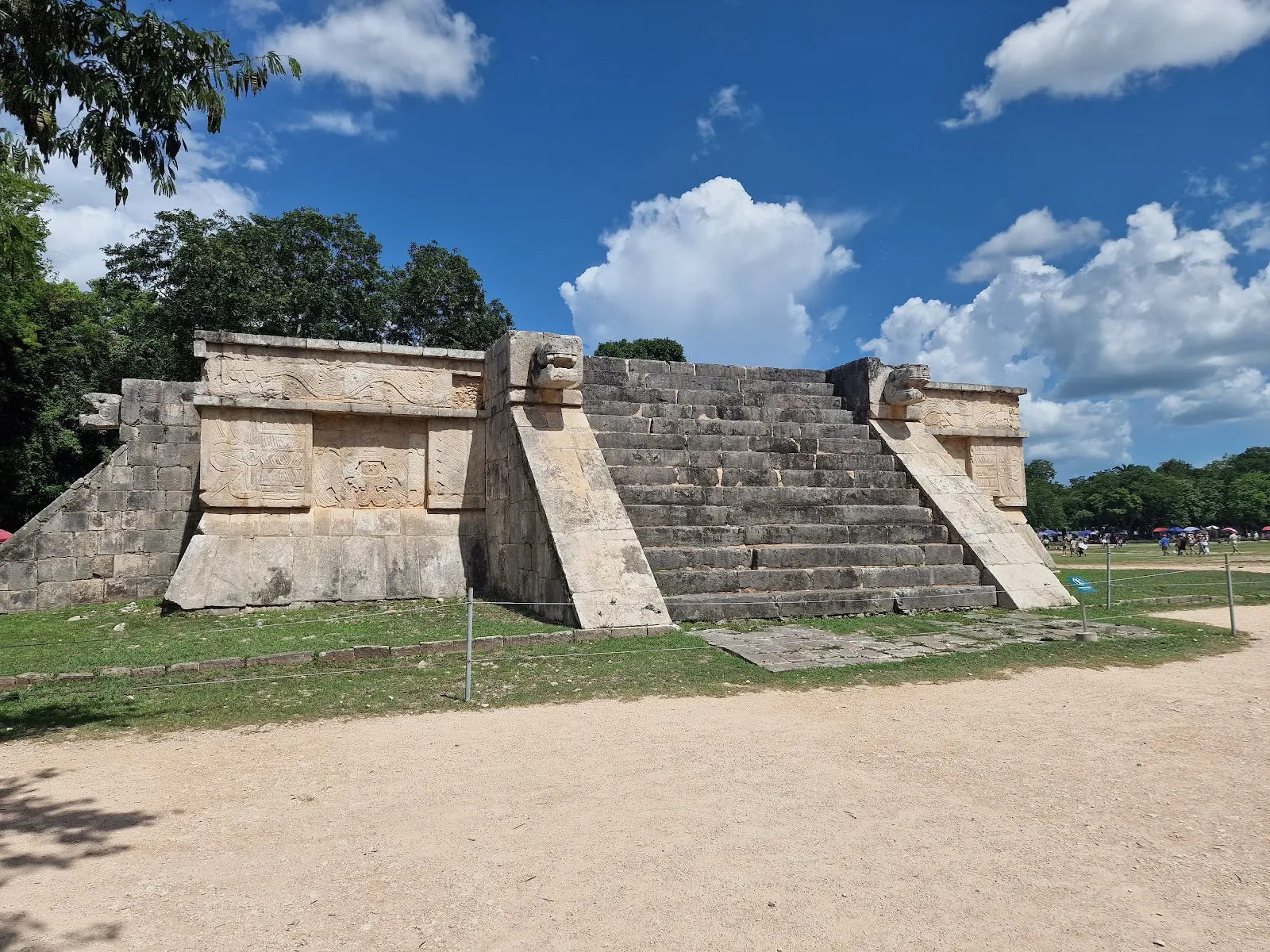
El Castillo, or the Temple of Kukulcán, occupies the centre of a broad plaza at Chichén Itzá. The stepped pyramid has four stairways leading towards a temple at the summit. Each staircase has 91 steps; add the step at the top and the total is 365, matching the days of the solar year. The structure’s arrangement also repeats numbers associated with the Maya calendar.
The pyramid is dedicated to Kukulcán, the feathered serpent deity. Its name in Spanish means “the castle,” but the building’s purpose was religious. Its geometry and the way sunlight falls across its surfaces connect the monument to the Maya understanding of time and celestial events.
The equinox shadow
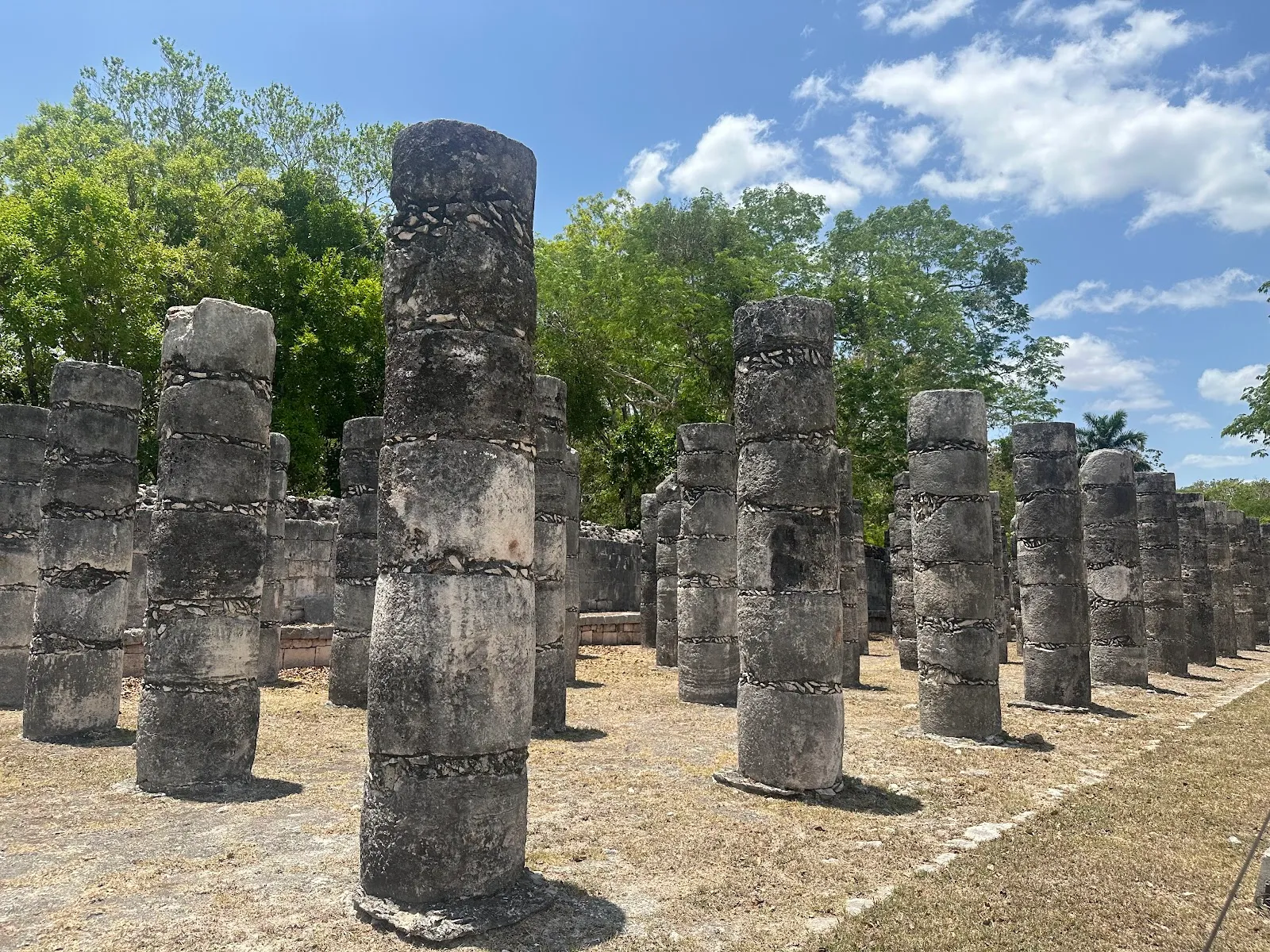
Around the spring and autumn equinoxes, afternoon sunlight falls across the northern staircase in a pattern of triangular shadows. These appear to join the carved serpent heads at the base of the balustrade, creating the impression of a serpent moving down the pyramid. The effect is tied to the changing angle of the sun, and draws attention to how the building’s design responds to the sky.
The shadow is a seasonal event, not a feature that appears in the same way on every visit. Even outside the equinox period, walk around the pyramid to see its stairways and the relationship between the monument and the open plaza. Visitors can view El Castillo from the ground but cannot climb it.
Beyond the central plaza
El Castillo is the most recognizable structure at Chichén Itzá, but it is one part of a larger archaeological site. The Great Ball Court, Temple of the Warriors, El Caracol observatory and Sacred Cenote each add context to a visit. The complex includes buildings associated with different architectural styles, including Maya and Toltec influences.
Allow around three hours for the wider site, rather than spending the whole visit at the pyramid. A guide can explain the history and design as you move between structures; afterwards, you can revisit areas or explore independently. The grounds have limited shade, so bring water and sun protection.
Perguntas frequentes
How long should I spend at Chichén Itzá?
Allow about three hours to see El Castillo and other structures, including the Great Ball Court, Temple of the Warriors and El Caracol.
Can you climb El Castillo?
No. Visitors can view the pyramid from the ground but cannot climb it.
When can you see the serpent shadow on El Castillo?
Around the spring and autumn equinoxes, afternoon sunlight creates a serpent-like shadow along the northern staircase.
What should I bring to Chichén Itzá?
Bring water and a hat. There is little shade across the site.