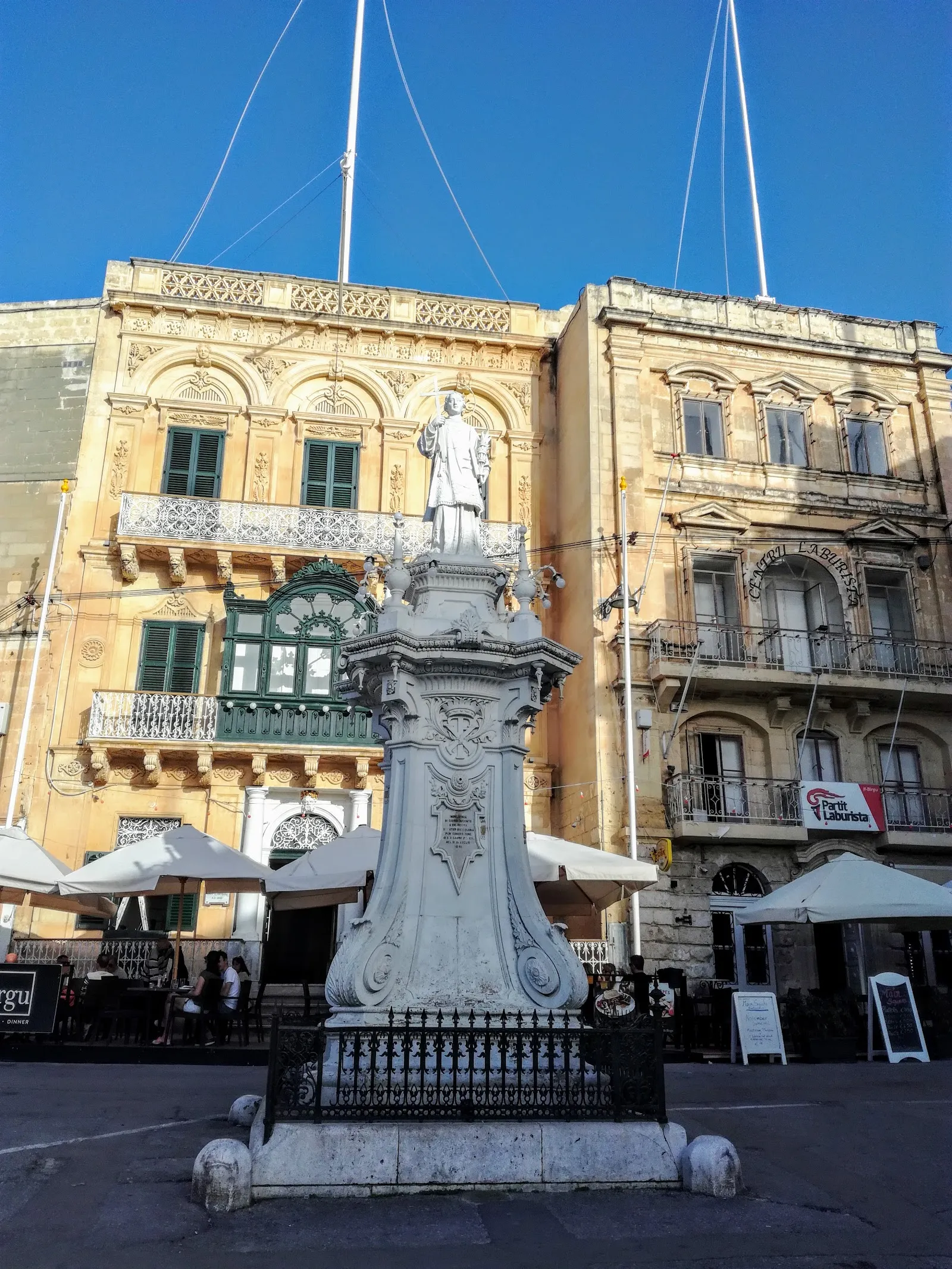
In Birgu, also called Vittoriosa, the Inquisitor’s Palace traces Malta’s religious and judicial history inside a restored 16th-century building. It became the seat of the Maltese Inquisition in 1574 and served as its headquarters for more than two centuries, housing a tribunal, prison and inquisitor’s residence. Explore the courtrooms and cells, including the torture chamber, then look for the unexpected displays of hand-made cribs and 20th-century hats. Two routes cover different parts of the palace, so allow time to see both.
From courthouse to Inquisition headquarters
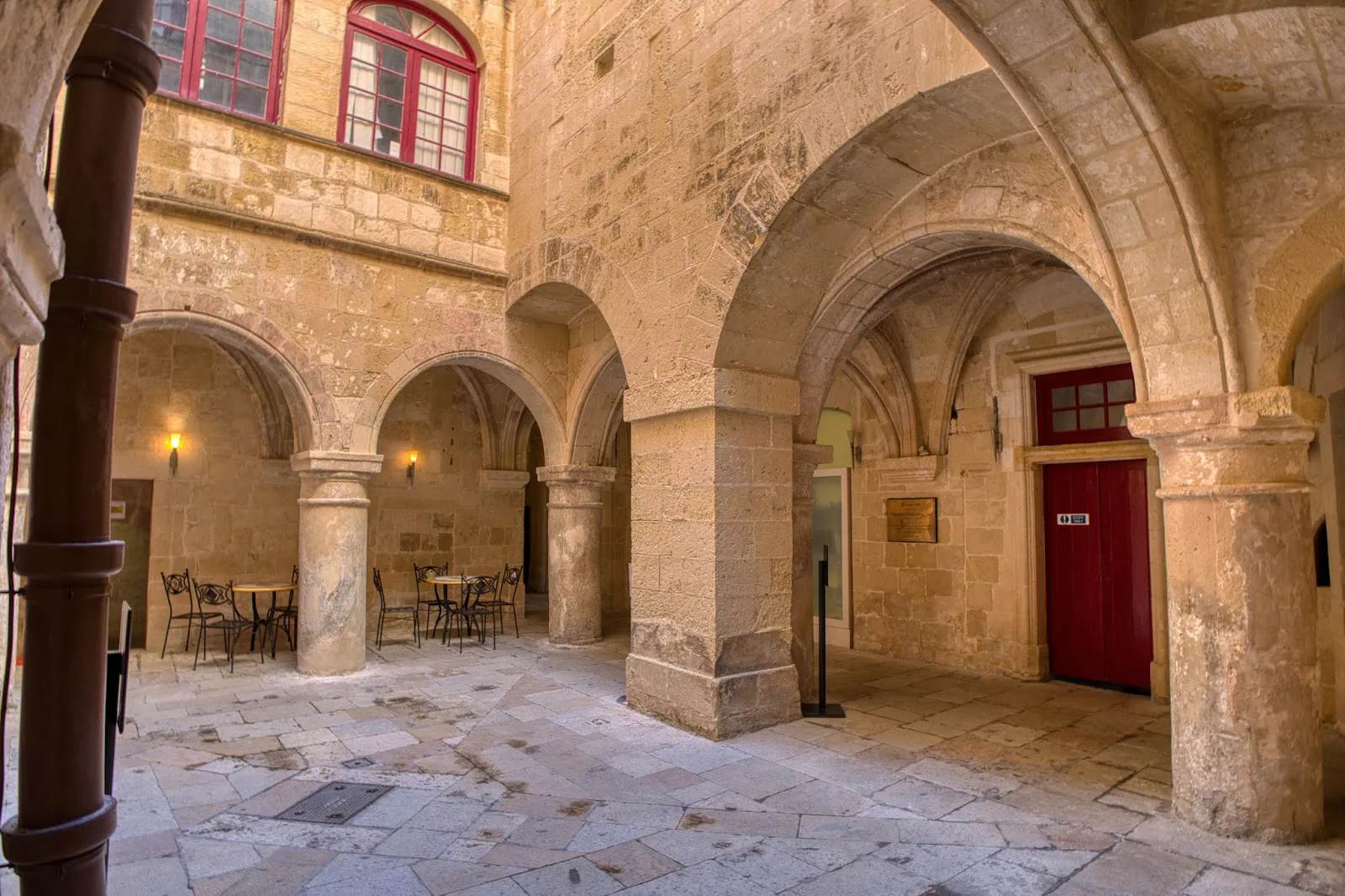
The palace began as a courthouse in the 16th century. In 1574 it became the seat of the Maltese Inquisition, known as the Palazzo del Sant’Officio, and remained in that role until 1798. The building brought together several functions: it was the inquisitor’s residence, a tribunal and a prison.
The inquisitors were representatives of the Roman Catholic Church’s Holy Office. Their presence connected religious authority with Malta’s courts and governance. The palace is now a museum covering this history and aspects of religious tradition on the island.
Rooms, courts and cells
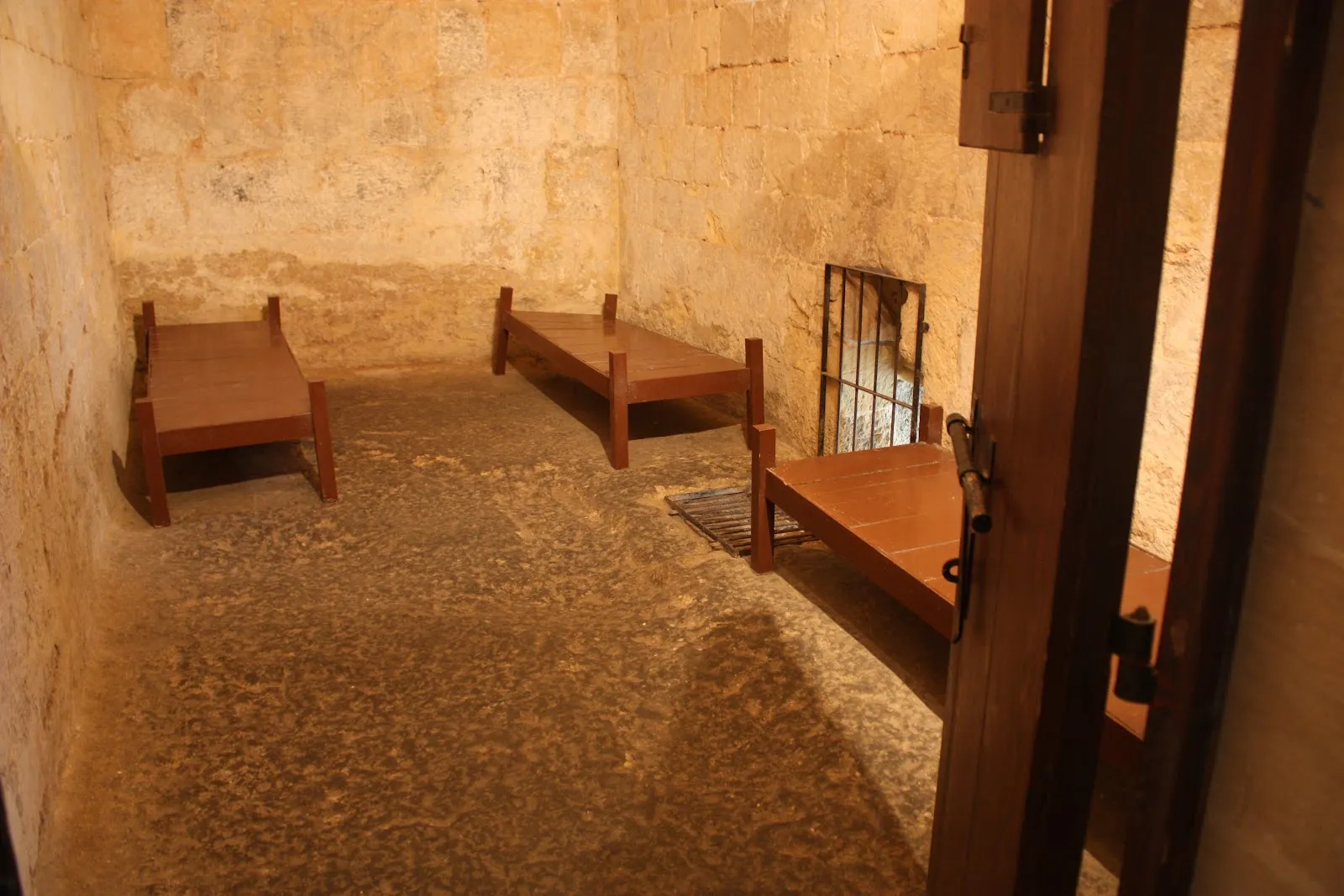
The visit takes you through rooms used for the palace’s different purposes. Among them are tribunal spaces and prison cells, as well as the inquisitor’s private quarters. The building also had a chapel and library. Restored interiors help make sense of how a residence and a place of administration shared the same address.
The prison areas include a torture chamber. Some cell walls retain carvings made by prisoners. Look closely at the surfaces as you move through the rooms; these marks offer a personal detail within an institutional history. The palace’s layout is substantial, and following both routes gives you a fuller look around.
Exhibits beyond the Inquisition
The displays extend beyond the courts and prison. The palace houses a Museum of Ethnography, with material related to Maltese religious and urban culture. Its collections include objects from the Inquisition period, alongside exhibitions that may feel unexpected in this setting.
Look out for intricate hand-made cribs and a display of 20th-century hats. Temporary art exhibitions may also be on view. The range of subjects means the palace visit is not limited to its judicial history, though the building and its former use remain the central thread.
Perguntas frequentes
What was the Inquisitor’s Palace used for?
It served as the seat of the Maltese Inquisition from 1574 to 1798. The building housed the inquisitor, a tribunal and a prison.
What can you see inside the palace?
The museum includes restored rooms, tribunal spaces, prison cells and a torture chamber. Exhibits also cover Maltese religious culture and include hand-made cribs and 20th-century hats.
Is the Inquisitor’s Palace open on Mondays?
No. It is closed on Mondays.
How can you see more of the palace?
There are two routes through the palace. Taking both lets you explore more of the building.