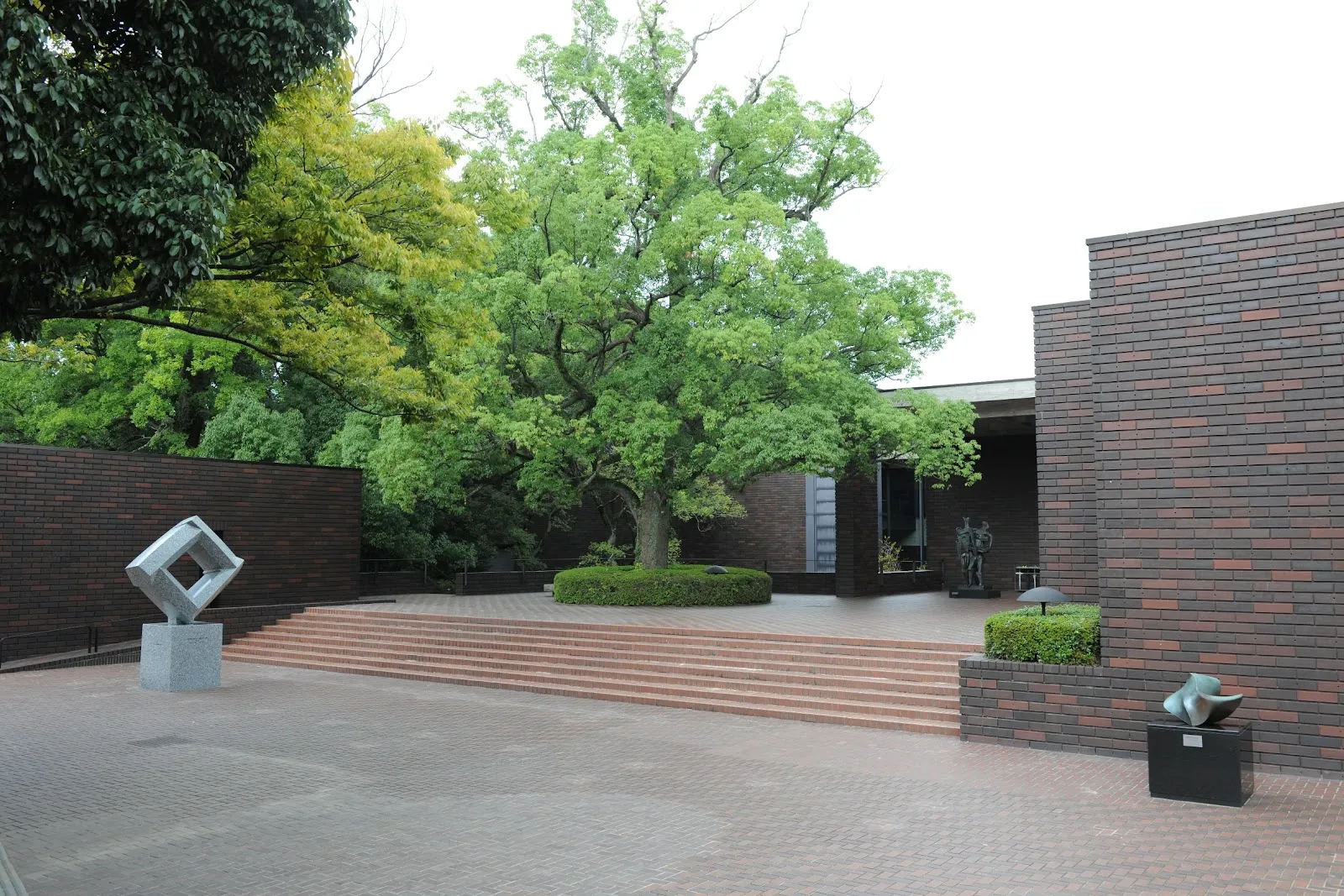
Sengan-en is a Japanese garden about 1.5 km north of central Kagoshima, laid out in 1658 for the Shimazu clan's Satsuma domain. Its design borrows the view of Sakurajima volcano and Kinko Bay, so the water and the smoking peak sit inside the garden picture. Walk the paths past ponds, a bamboo grove and oddly shaped rocks, then tour the old villa house. The Shoko Shuseikan museum next door covers the iron works of the Meiji era.
A villa built for the Shimazu lords
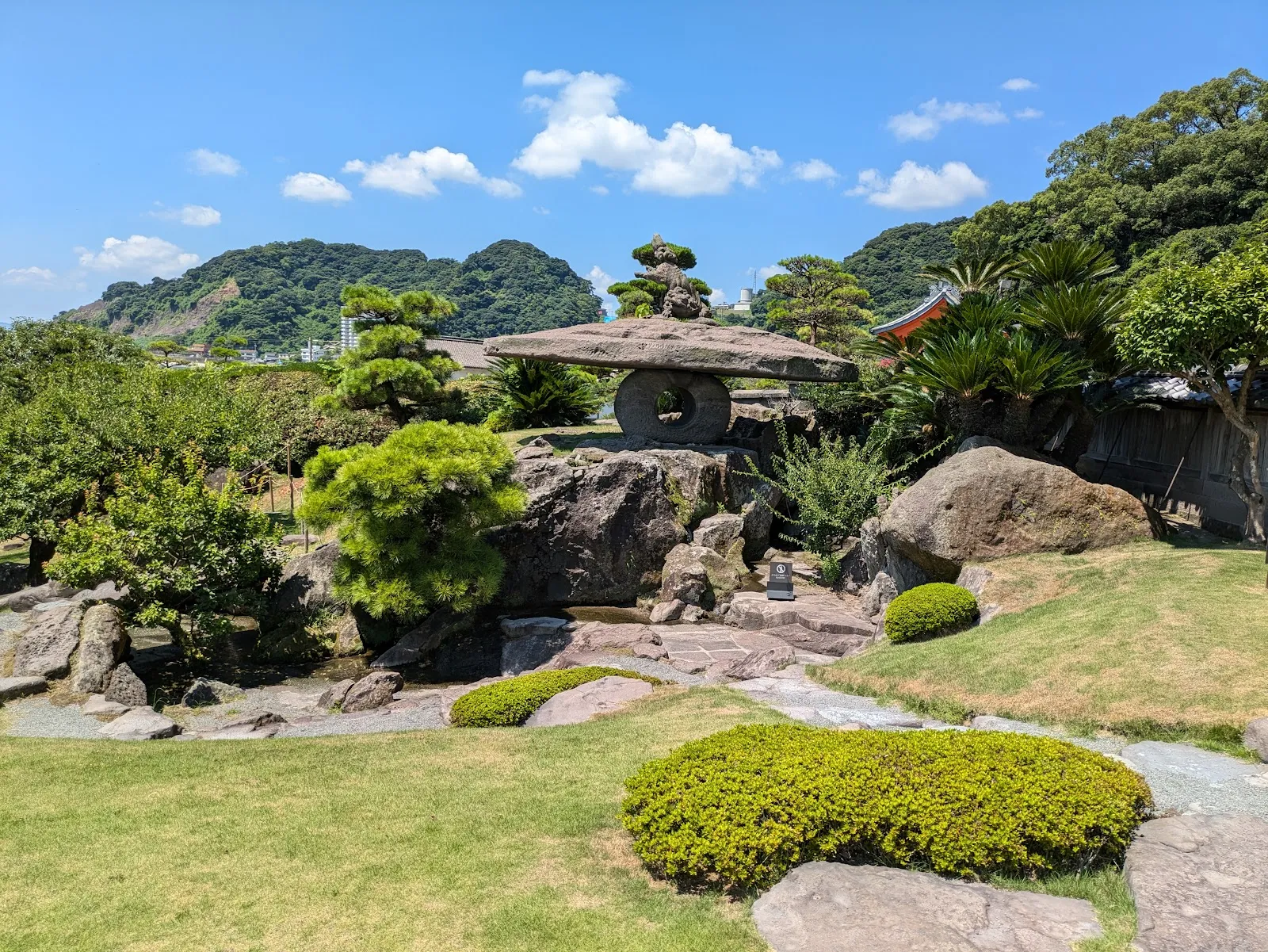
The garden was laid out in 1658 by the 19th lord of the Shimazu clan, Mitsuhisa, who ruled the Satsuma domain in the Edo period. It began as a pleasure garden and a rural retreat for the family. The Shimazu held power across much of southern Kyushu until the end of the Edo period in 1868.
The name comes from a group of rocks. Many of the stones in the garden are oddly shaped, and they resemble the mountain rocks of Mount Longhu in China, which gave the garden its name.
After the feudal system ended in the 1870s, the Shimazu family kept living in the villa. The residence that stands today was rebuilt for their use in the mid-1880s. Japan opened to the outside world after the long isolationist Sakoku period, and the garden hosted visiting Western dignitaries during those years.
Borrowed scenery and the grounds
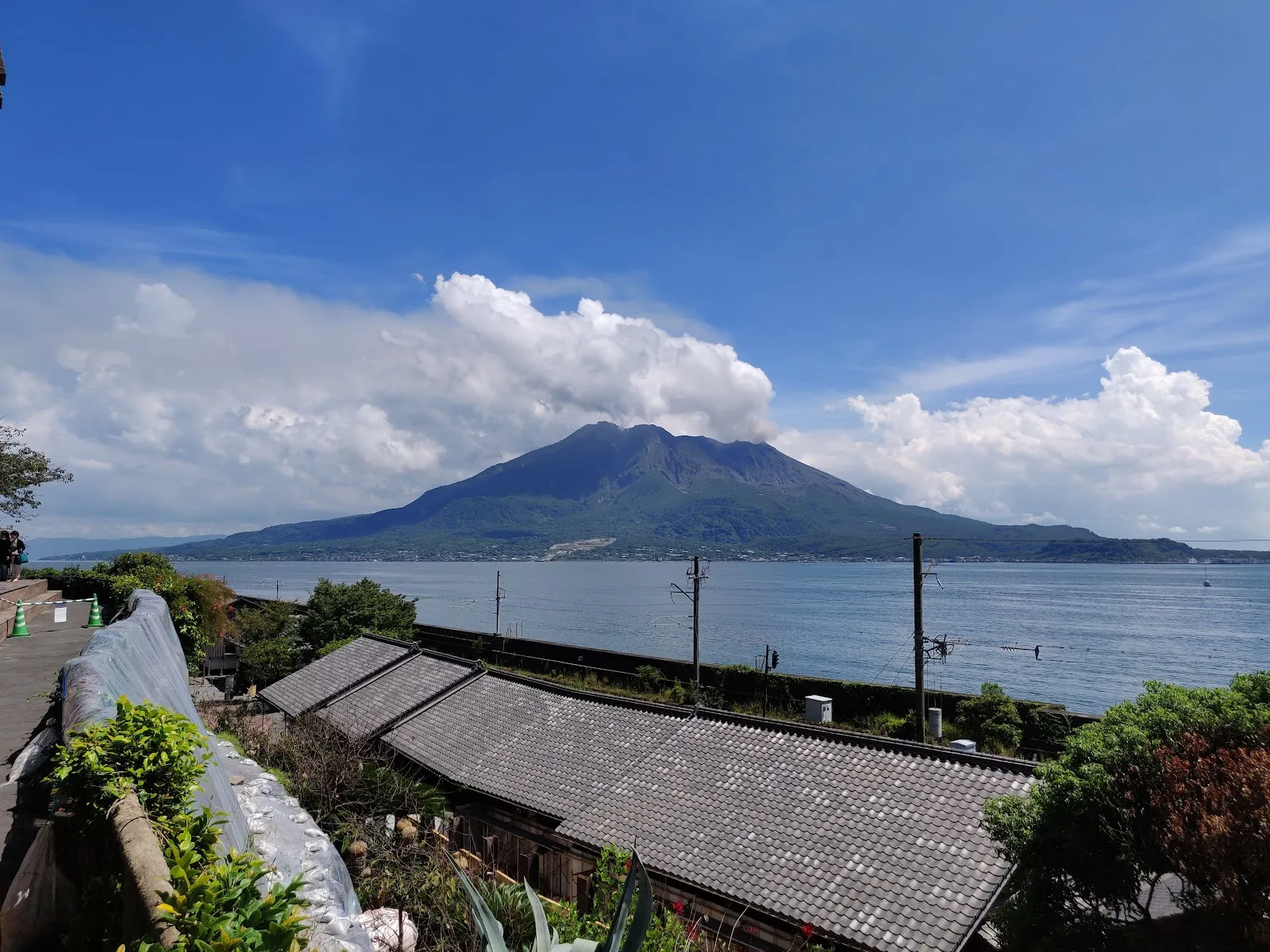
Sengan-en covers about 50,000 square metres. Its designers placed Sakurajima and Kinko Bay in the background, so the view across the water is part of the garden itself. The garden is designated a National Place of Scenic Beauty, and the setting is the main reason it is protected.
Inside the grounds you will find ponds, streams, shrines, a bamboo grove and groves on the hillsides. The bamboo is moso, which came from Okinawa when it was the Ryukyu Kingdom. A nature trail climbs to a waterfall, a walk of about 30 minutes, with views over the bay. In the garden, the 21st Shimazu lord held poem-composing parties in a spot that is still one of the most peaceful in the grounds.
Some trails through the woods have been closed after a collapse, and the material does not say when they will reopen. Check the paths before you plan a longer walk.
The Goten house
The house at the centre of the grounds is called the Goten. It had 25 rooms when it was a villa, and today it is about a third of its original size. The building was made in the traditional style with local cedar, and its rooms were used to receive and host important guests.
Guests have included Princess Atsuhime, Katsu Kaishu and the Russian Emperor Nicholas II. The reception room is one of the rooms visitors remember, and the house holds Satsuma ware vases and other objects from the period. Many exhibits have English explanations.
In the house and the grounds, please keep to the areas where photography is allowed, and avoid taking selfies in the main rooms.
Shoko Shuseikan next door
The Shoko Shuseikan museum sits beside the garden. It occupies the site of a metal processing factory built at the end of the Edo period, and its 1850s building is part of the works that made up early iron production, with furnaces and textile machinery. Together with the garden, it forms part of Japan's Meiji Industrial Revolution UNESCO World Heritage cluster, which covers iron and steel, shipbuilding and coal mining.
The garden ticket includes the museum, so most visitors see both in one visit. Allow time for it after the house, since it explains how the factory shaped the region's industry.
Getting there and visiting
The garden is about 1.5 km north of the city centre. A train from Kagoshima-Chuo is a short ride. A city loop bus stops just outside the park, where a sheltered waiting area has benches. Car parks are available opposite the park, and both free and paid lots are listed.
The entrance and the car park are listed as wheelchair accessible. The grounds close at 5 pm, and the buildings begin closing around 4:40 pm, so keep an eye on the time if you want to see the house and museum.
Inside the grounds there are souvenir shops, and a restaurant or cafe sits on higher ground. The choice of snacks is limited, so eat before you arrive if you plan a long visit.
Perguntas frequentes
Is there an entry fee?
Yes. The prices listed are 1,600 yen for the garden, the Shoko Shuseikan museum and the house, or 1,000 yen for the garden and museum. Check the official website for current prices before you go.
How long do you need?
Allow about 45 minutes for a stroll through the garden and about 30 minutes for the house. Add time for the museum.
How do I get there?
Take a train from Kagoshima-Chuo, which is a short ride, or a city loop bus, which stops just outside the park.
What time does Sengan-en close?
The grounds close at 5 pm. The buildings start closing around 4:40 pm, so visit the house and museum earlier in the afternoon.