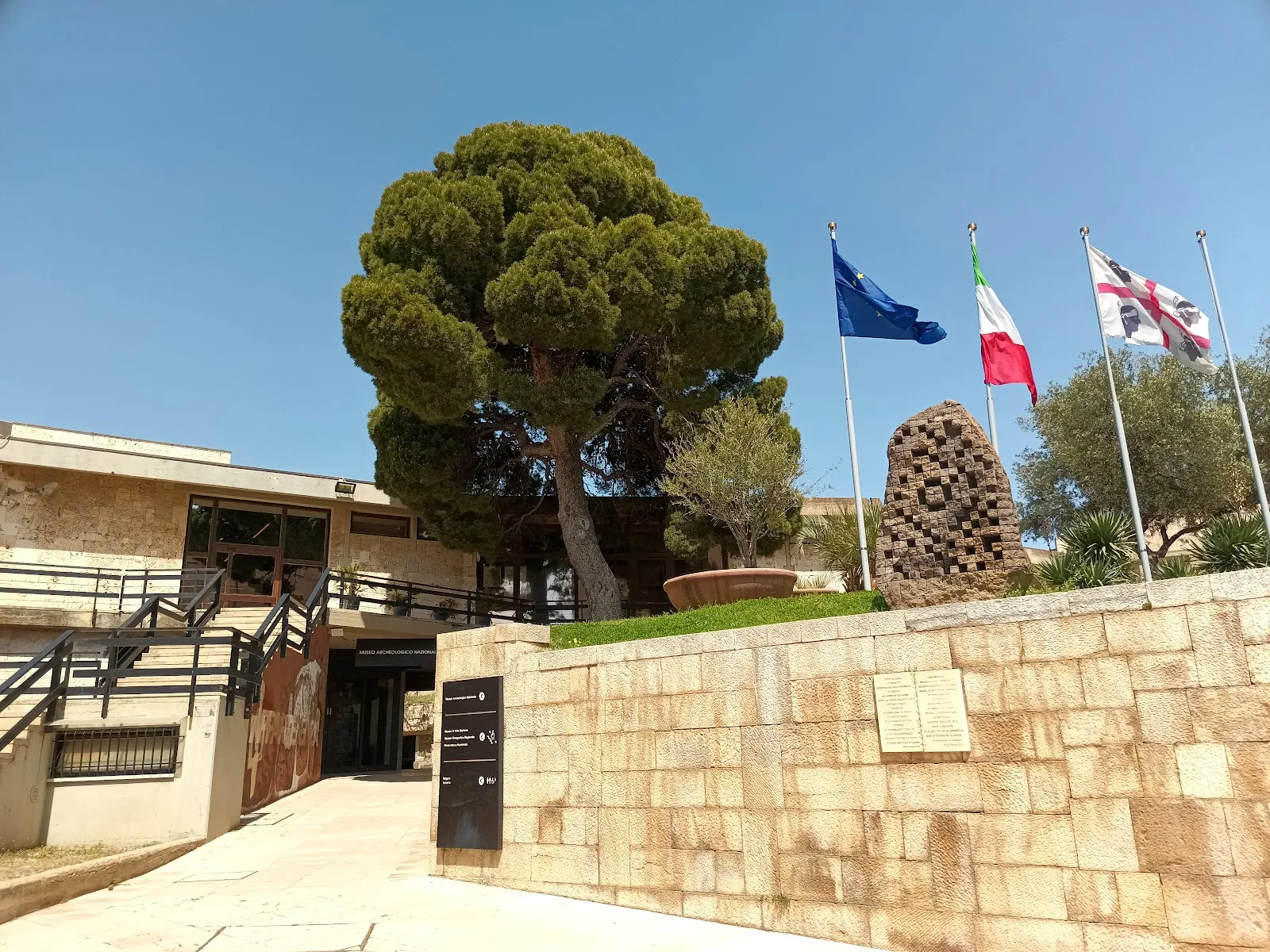
Inside Cagliari’s Citadel of Museums in the Castello district, this museum traces Sardinia’s past through archaeological finds from prehistoric times to the Roman era. Its standout objects include Nuragic bronze figurines, Neolithic pieces and the stone statues known as the Giants of Mont’e Prama, alongside Punic and Roman finds. Some displays use reconstructed objects and visible restoration materials to explain how fragments fit together. English-language information is available. Set aside a few hours if you want time to read the exhibits and follow the island’s long history.
A museum of Sardinian archaeology
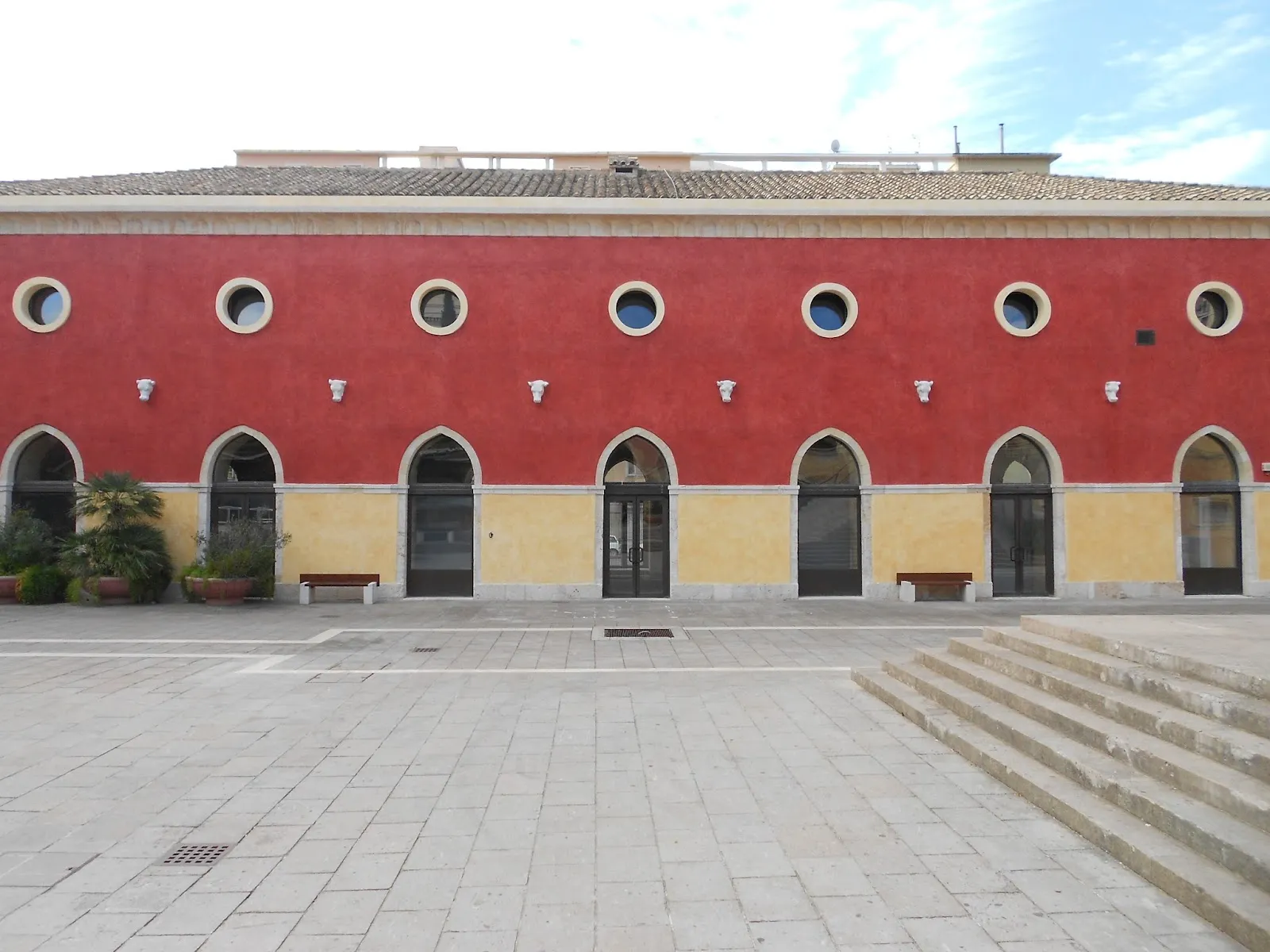
The National Archaeological Museum is in the Citadel of Museums, in Cagliari’s Castello district. Its collections bring together finds from different parts of Sardinia and cover a long stretch of the island’s past, from prehistoric communities through the Roman period and into the early Middle Ages.
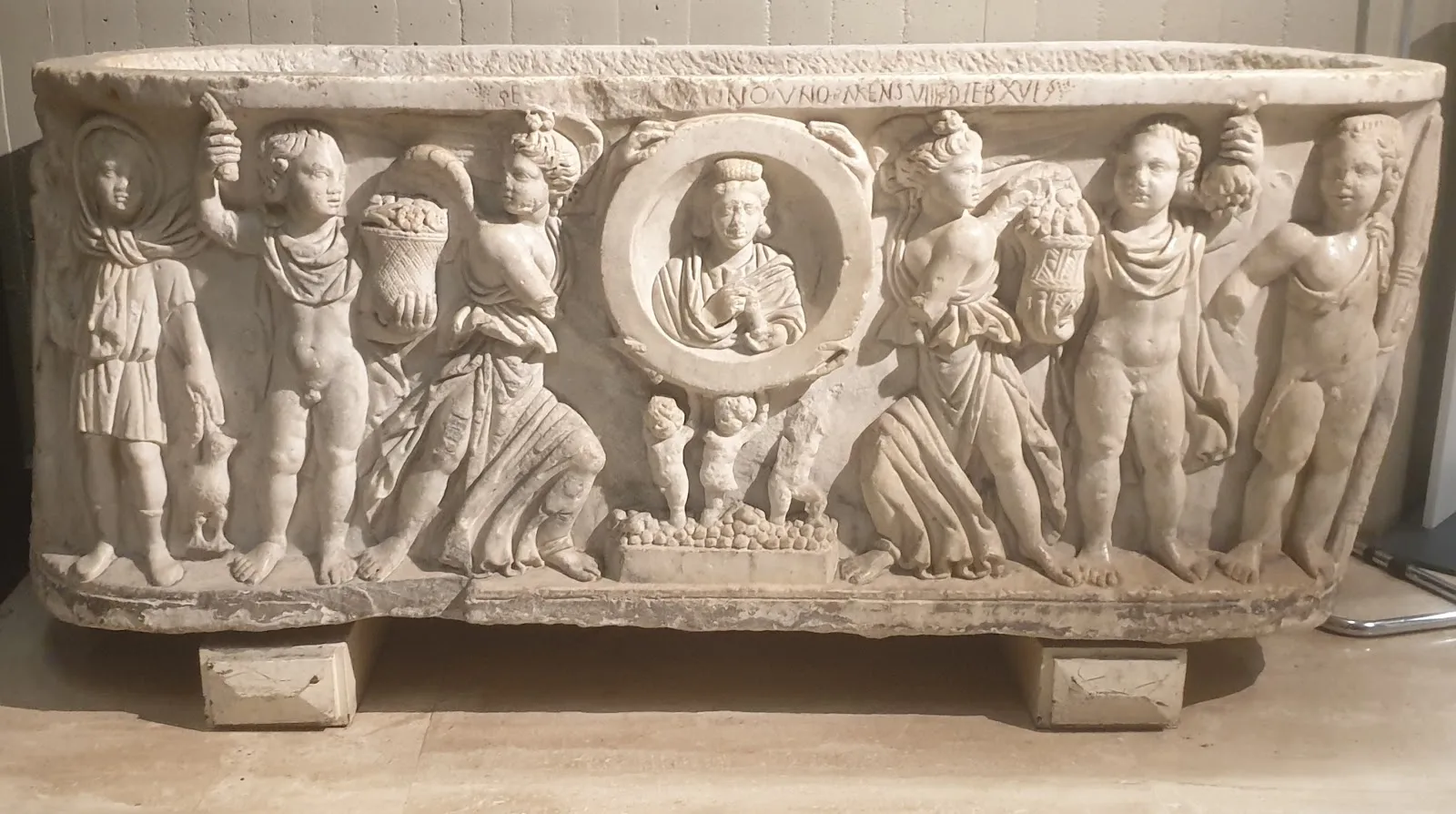
The exhibits include objects from the Neolithic, Bronze and Iron Ages, as well as material associated with Phoenician, Punic and Roman cultures. Ceramics, sculptures and other archaeological finds help show how the island’s communities and outside connections changed over time. English-language information is available alongside Italian displays.
Nuragic bronzes and the Mont’e Prama statues
The Nuragic collection is a central reason to visit. Its small bronze figures, often called bronzetti, depict people and scenes from the Nuragic period. In a culture with few written records, these objects offer important clues to its people and practices.
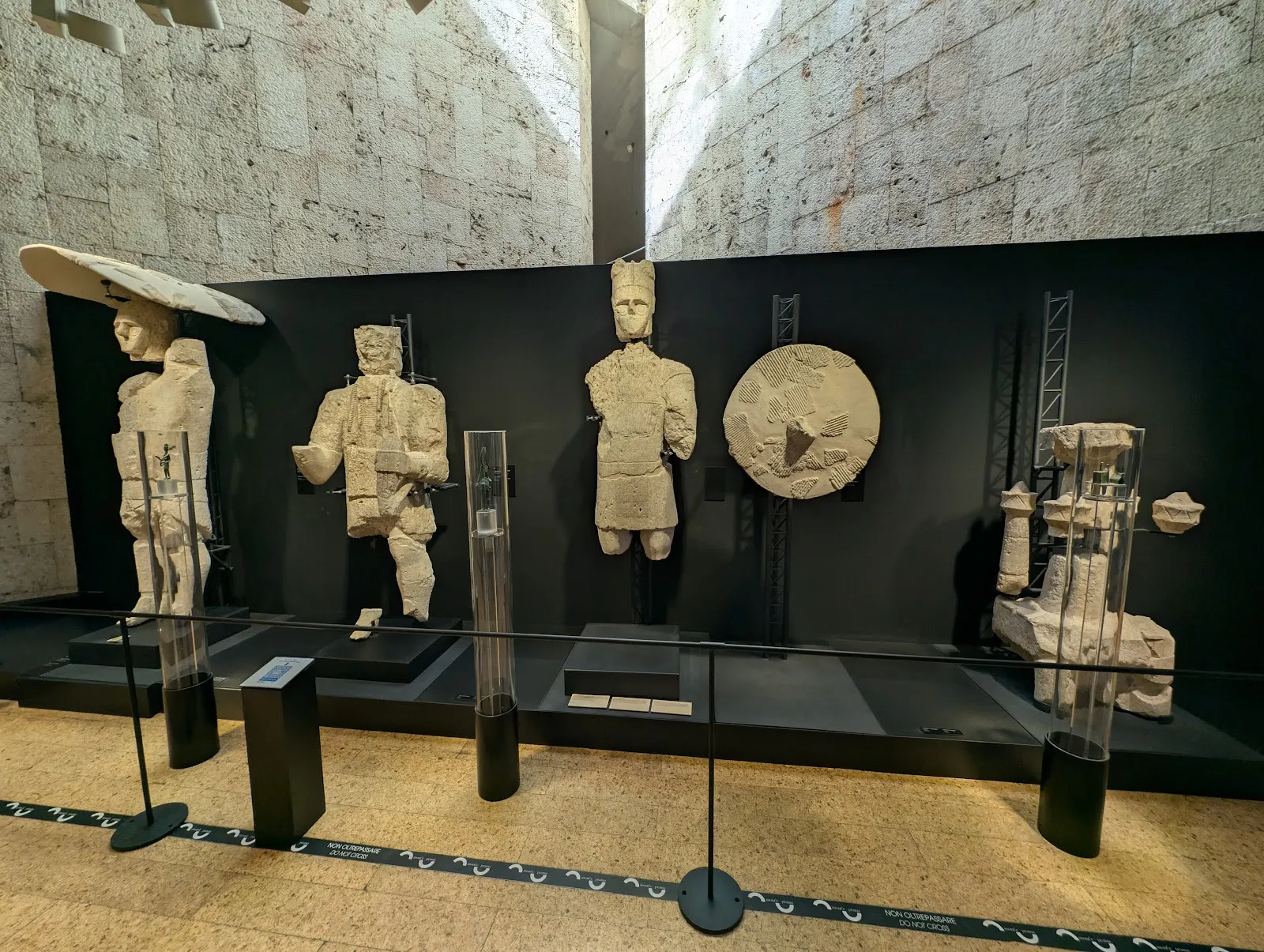
The museum also displays the Giants of Mont’e Prama, stone figures found during excavations at Mont’e Prama and later reassembled. Other highlights include Neolithic finds and objects from Punic and Roman Sardinia. The range makes the museum a useful introduction if you plan to visit archaeological sites elsewhere on the island.
Displays that explain restoration
Some exhibits show more than the finished object. Reconstructed pieces can be handled, and display materials make clear where missing or broken sections belong. This approach helps visitors understand how archaeologists interpret fragments and rebuild an object’s form.
The museum’s collections are arranged across several floors, with displays covering different periods and themes. The amount on view can occupy a few hours if you stop to read the panels. Exhibition spaces have been undergoing renovation, so check the official website for current information before your visit.
Planning your visit
The museum is at Piazza Arsenale 1, within the Citadel of Museums. Admission is free on the first Sunday of each month; other visits require a ticket. The museum is family-friendly and has a wheelchair-accessible entrance and restroom.
Give yourself two to three hours for a careful visit, especially if you want to take in the archaeological collections in detail. A little background on Sardinia’s prehistoric periods can help you follow the exhibits. The wider museum complex also contains other collections, including the National Art Gallery, so check separately if you want to include them in your plans.
Perguntas frequentes
How long should I spend at the National Archaeological Museum of Cagliari?
Allow about two to three hours to explore the collections at a measured pace.
Is entry free on any day?
Admission is free on the first Sunday of each month.
What are the main highlights?
Look for the Nuragic bronze figurines, the Giants of Mont’e Prama, Neolithic objects, and Punic and Roman finds.
Is there information in English?
Yes. English-language information is available in the museum.