Dublin Castle stands on Dame Street in the city centre, on a site first fortified in 1204. For centuries it was the centre of English and later British administration in Ireland; it was handed to the Irish government in 1922 and remains in official use. The complex has grown into a mix of medieval remains and later buildings, rather than a single fairy-tale fortress. Walk the courtyard and gardens, then see the State Apartments for their formal rooms, paintings and Georgian interiors. A guided tour also reaches historic areas closed to self-guided visitors.
From fortress to government complex
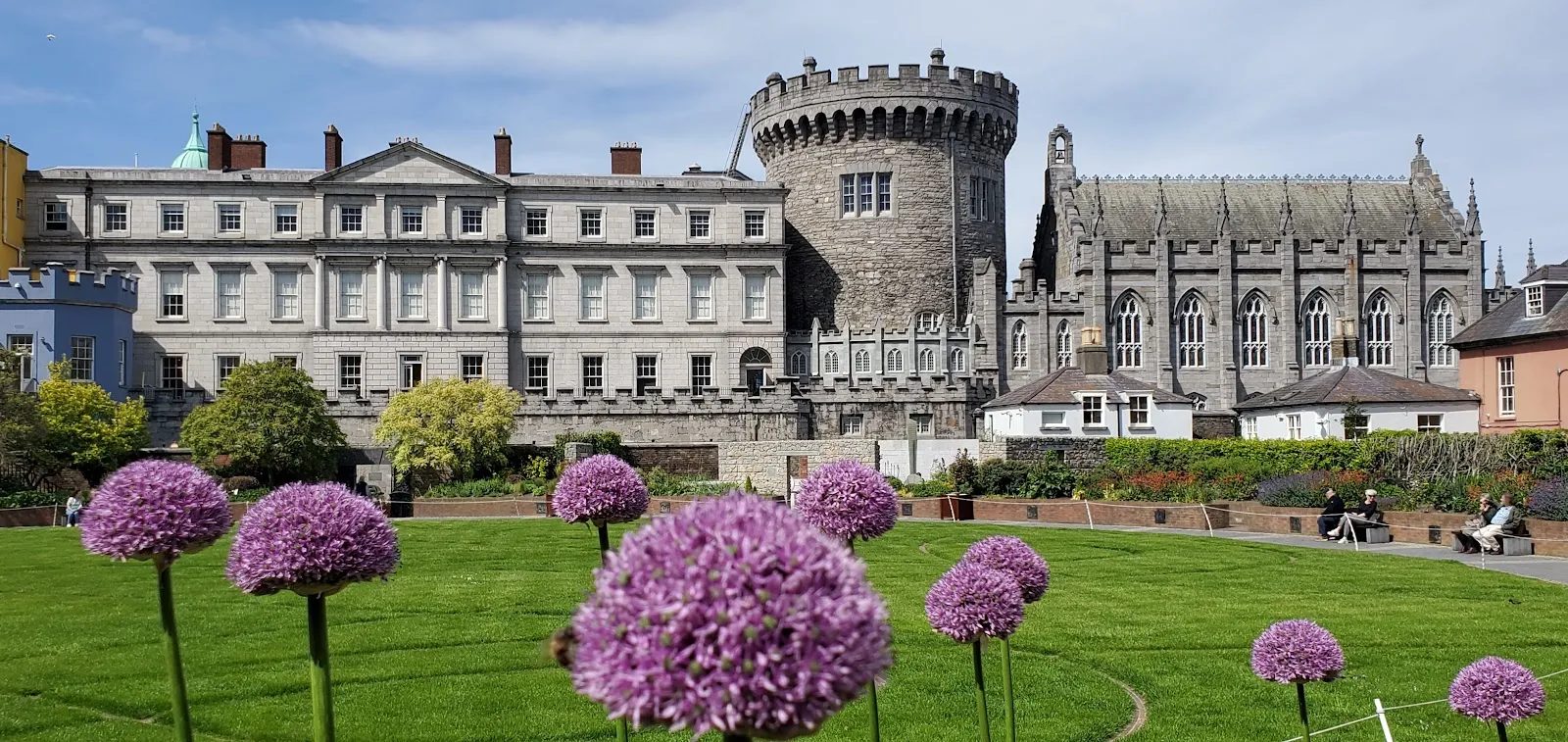
Dublin Castle was founded in 1204 on a site associated with an earlier Viking settlement. The original stronghold was built under King John, following the Anglo-Norman invasion of Ireland. For centuries, the complex served as the centre of English and then British administration in Ireland.
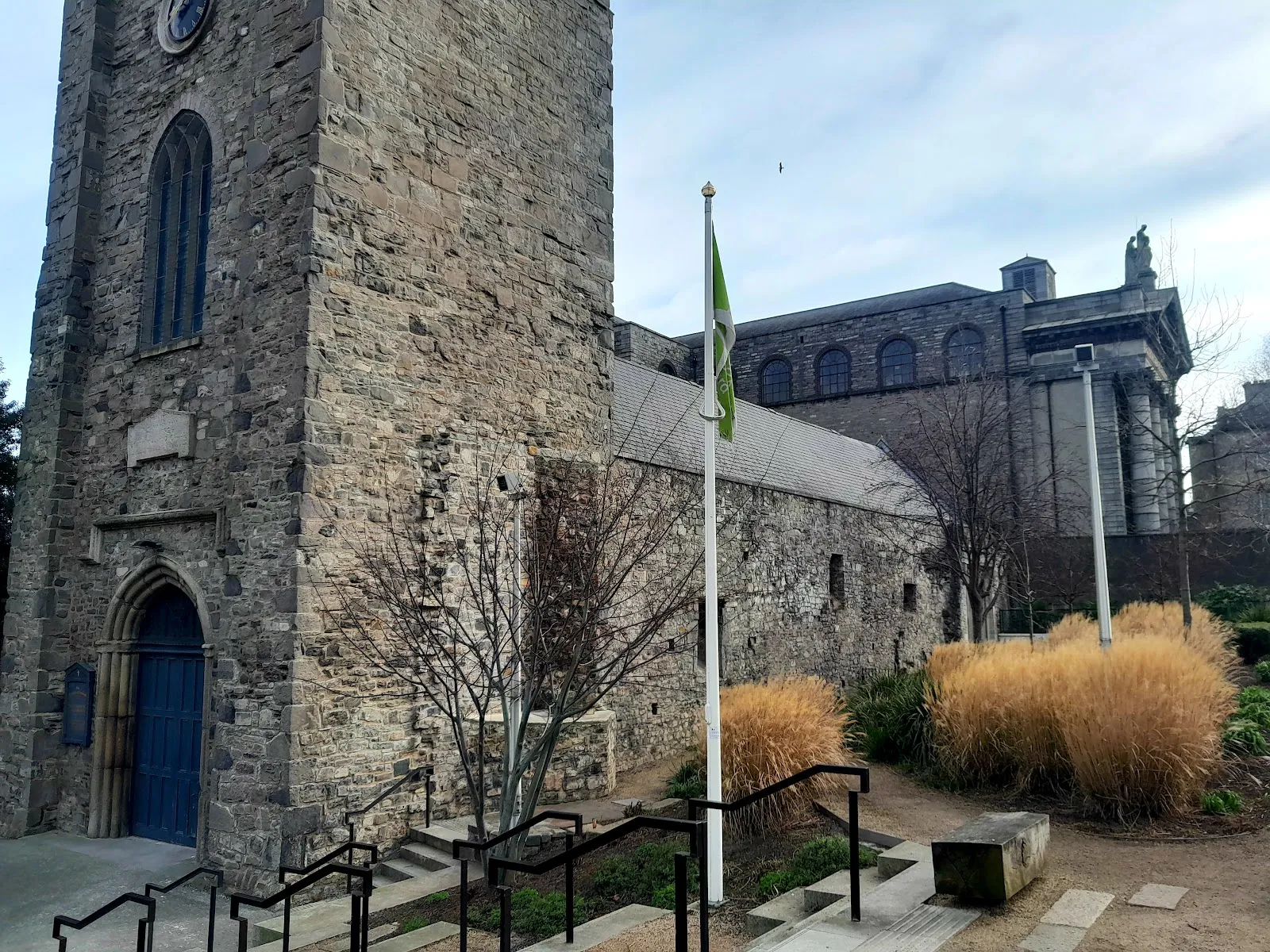
The castle changed as its role changed. A fire in 1684 damaged much of the medieval structure, and later rebuilding gave many parts of the complex a Georgian appearance. The Record Tower is the most notable surviving medieval structure. In 1922, the castle was handed over to the new Irish government. It remains in official use, so access to parts of the site can depend on government business.
Medieval remains and State Apartments
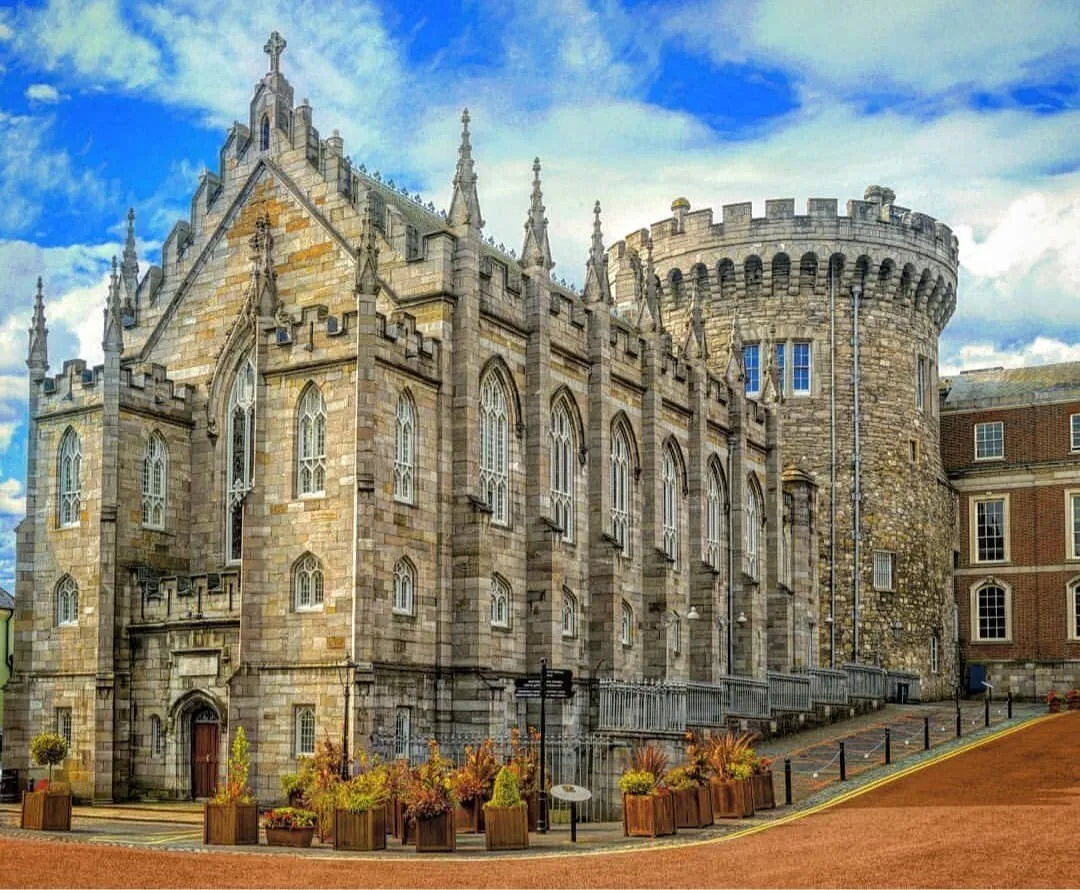
Dublin Castle is a collection of buildings rather than a single, intact fortress. The medieval Record Tower gives a sense of the earlier stronghold, while the State Apartments show the more formal character of the later complex.
The State Apartments include St Patrick’s Hall, used for state occasions, and rooms with high ceilings, paintings and decorative interiors. A guided tour is the way to reach these rooms, along with the Medieval Undercroft and Chapel Royal. The chapel is known for its plaster decoration and oak carvings. Self-guided access does not include every part of the castle, so decide whether the extra rooms matter to you before choosing how to visit.
Courtyard, gardens and free sights
The courtyard and castle grounds are open to explore without an indoor ticket. The gardens provide a quieter pause from the city streets, and walking around the exterior gives a clearer sense of how the buildings fit together. The complex also includes the Chester Beatty Library and museums; the material provided lists the library, Garda Museum and Revenue Museum among the free-to-visit spaces.
Leave time to look beyond the main rooms. The contrast between the medieval tower and the later buildings is part of what makes the site distinctive. If your schedule is tight, the courtyard and grounds can be a short stop; a tour takes longer and includes more of the castle’s interiors.
Planning your visit
Advance tickets are recommended, especially if you want a guided tour. If online availability looks limited, checking directly with the castle may still be worthwhile, as walk-in places can sometimes be available. Parts of the complex are used for official purposes, so check the castle’s website before travelling in case access has changed.
For a self-guided visit, bring headphones if you plan to listen to the audio on your phone. Free lockers are available for coats and bags. Food and drink are not allowed inside the castle buildings. Dublin Castle is wheelchair accessible, with an accessible entrance, seating and restroom listed for the site.
Perguntas frequentes
Can you visit Dublin Castle for free?
The grounds and courtyard can be explored without an indoor ticket. Access to the State Apartments and some historic areas requires a guided tour ticket.
What can you see on a guided tour?
The tour gives access to the State Apartments, Medieval Undercroft and Chapel Royal, areas not included in a self-guided visit.
How long do you need at Dublin Castle?
Allow about 30 to 60 minutes for a visit. A guided tour and time in the grounds will take longer.
Is Dublin Castle wheelchair accessible?
The site lists an accessible entrance, wheelchair-accessible seating and an accessible restroom.