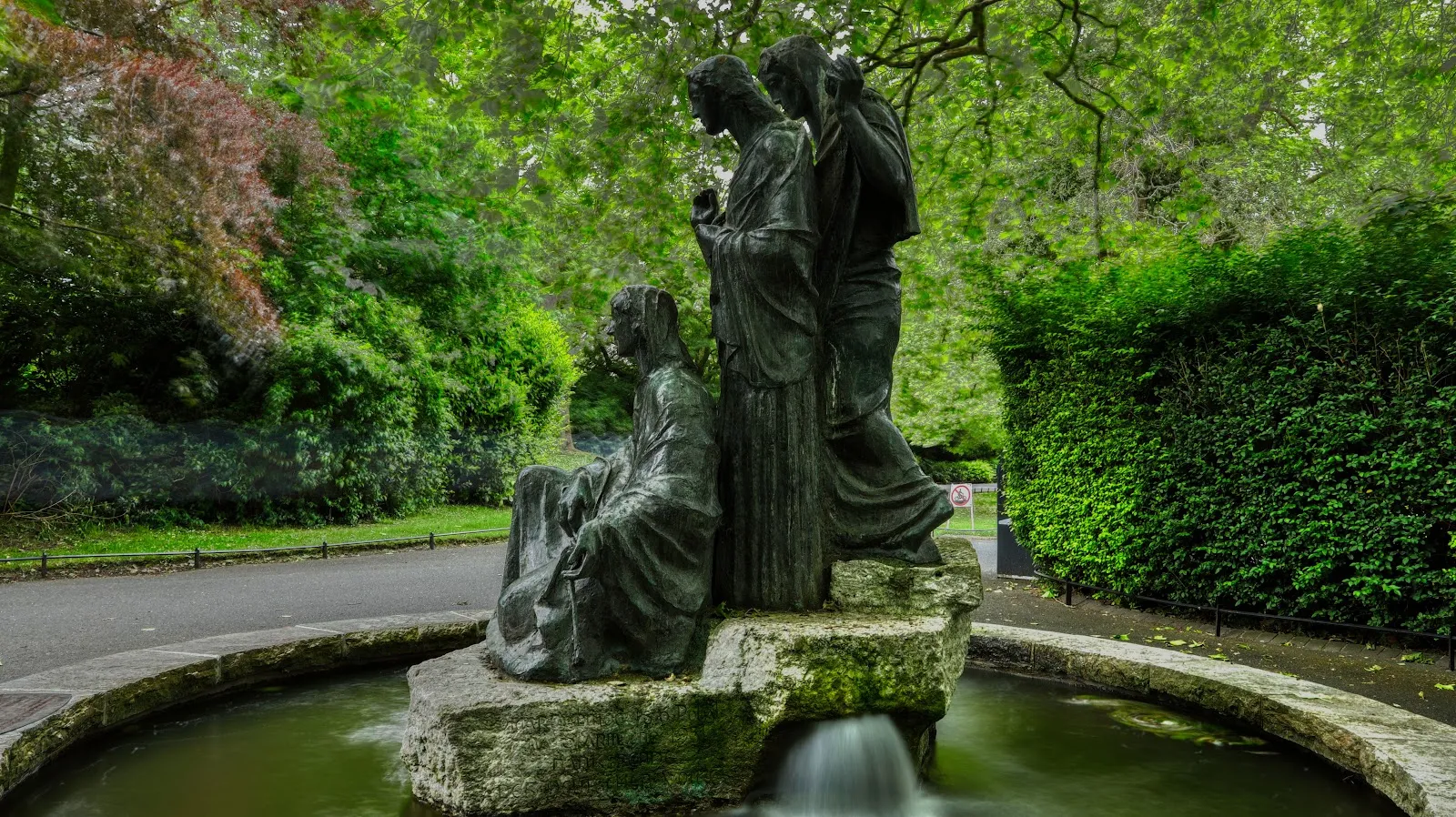
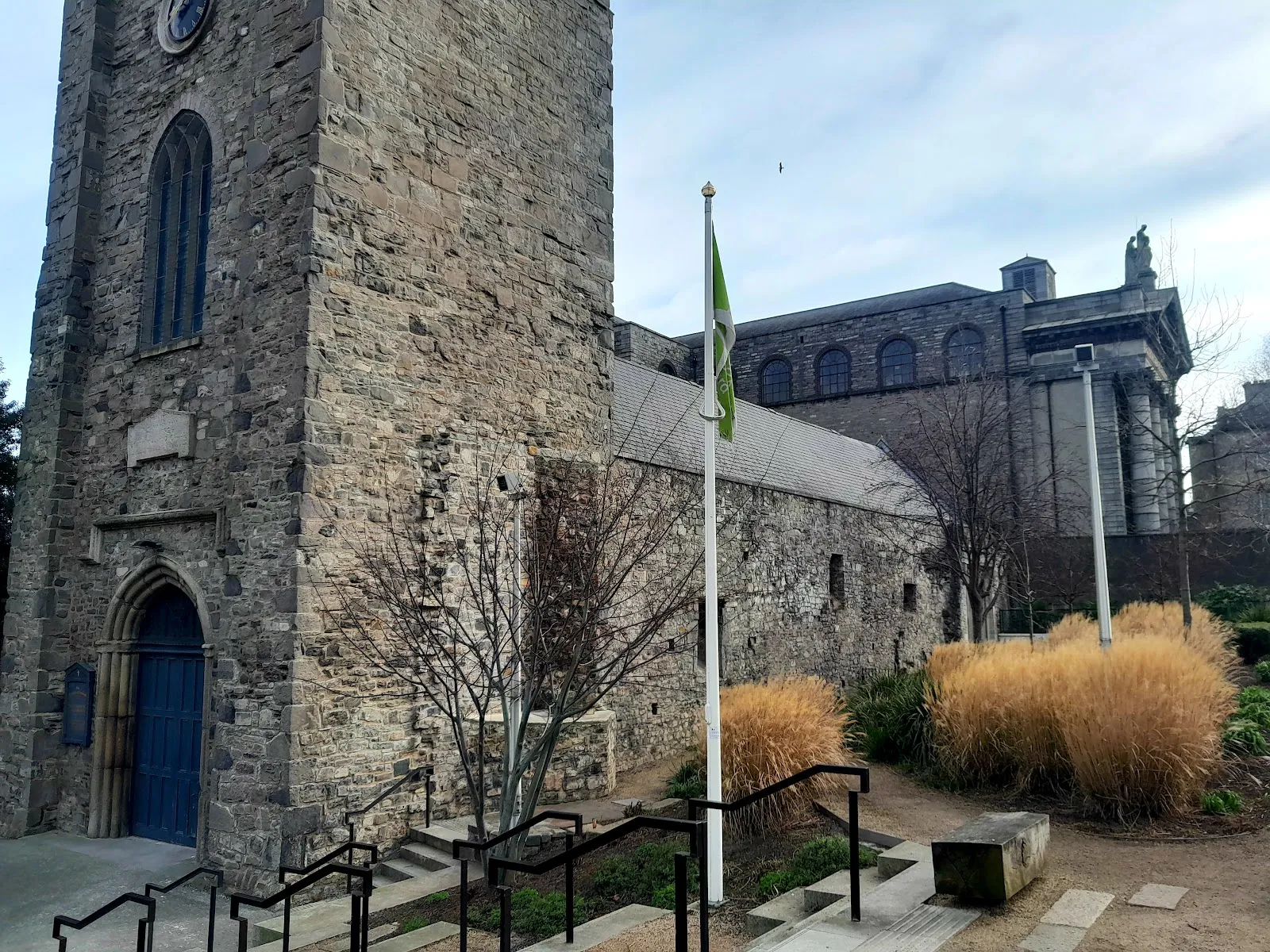
Inside Dublin Castle, Chester Beatty is a museum of manuscripts, books and art collected by Sir Alfred Chester Beatty and given to Ireland. Its displays bring together objects from Europe, the Middle East, North Africa and Asia, including illuminated Qur’ans, Egyptian papyrus and Japanese prints. Interactive exhibits explore how books developed across cultures, and the calm galleries make room for close looking. Admission is free. If the weather is clear, the rooftop garden adds a quiet place to pause with views over the castle grounds.
A collection shaped by one collector
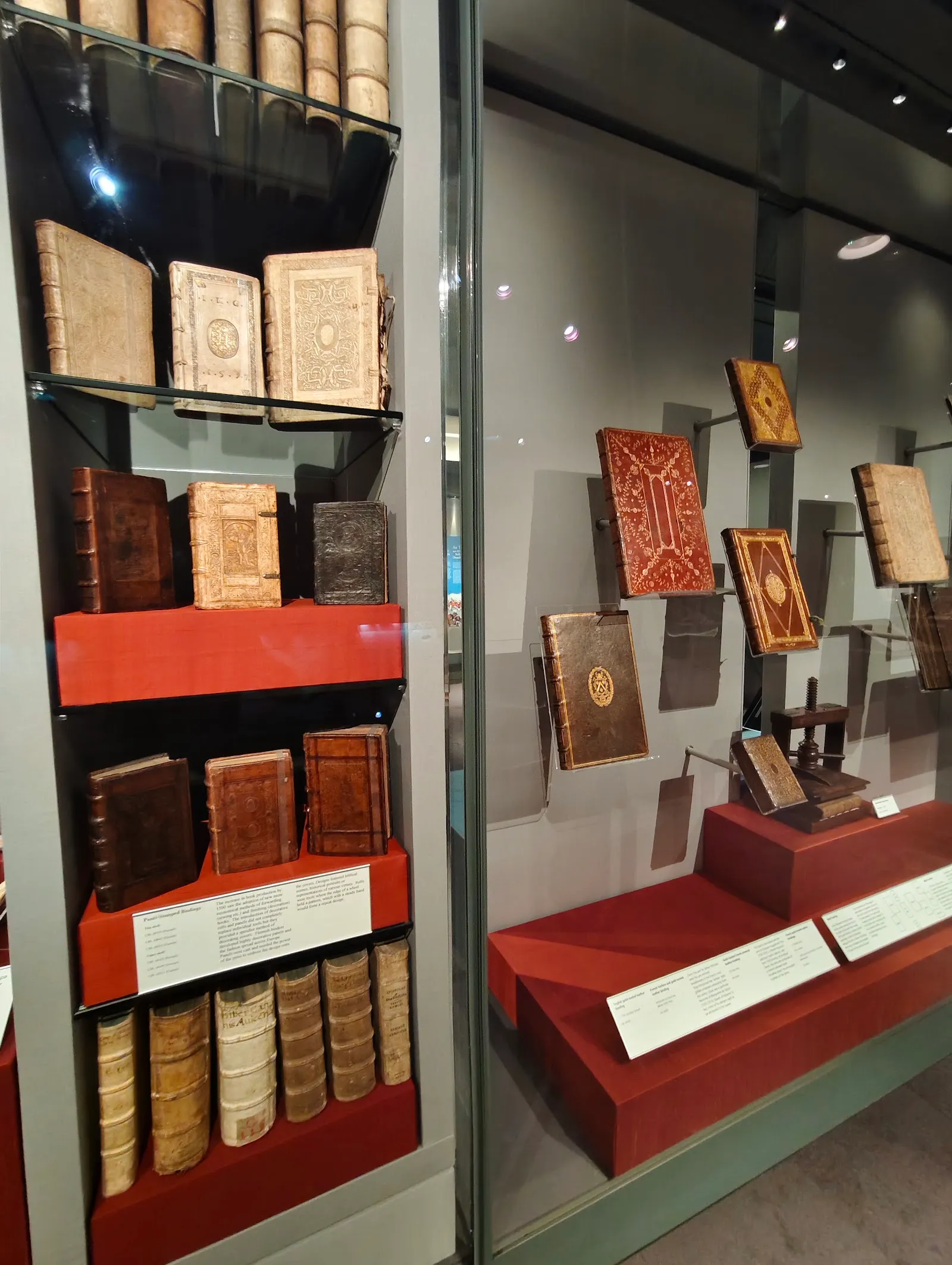
Chester Beatty grew from the collection of Sir Alfred Chester Beatty, an American mining engineer and philanthropist who gathered books, manuscripts and artworks from across the world. He left his collection to the Irish State in 1968. More than 20,000 objects are associated with it, spanning religious and artistic traditions as well as everyday forms of visual culture.
The range is part of the appeal. Rather than focusing on one country or period, the museum brings together works from Islamic, East Asian and Western collections, alongside material from North Africa and the Middle East. Some objects date back to 2700 BC. Together, they give the galleries a broad scope, from ancient texts to prints and paintings.
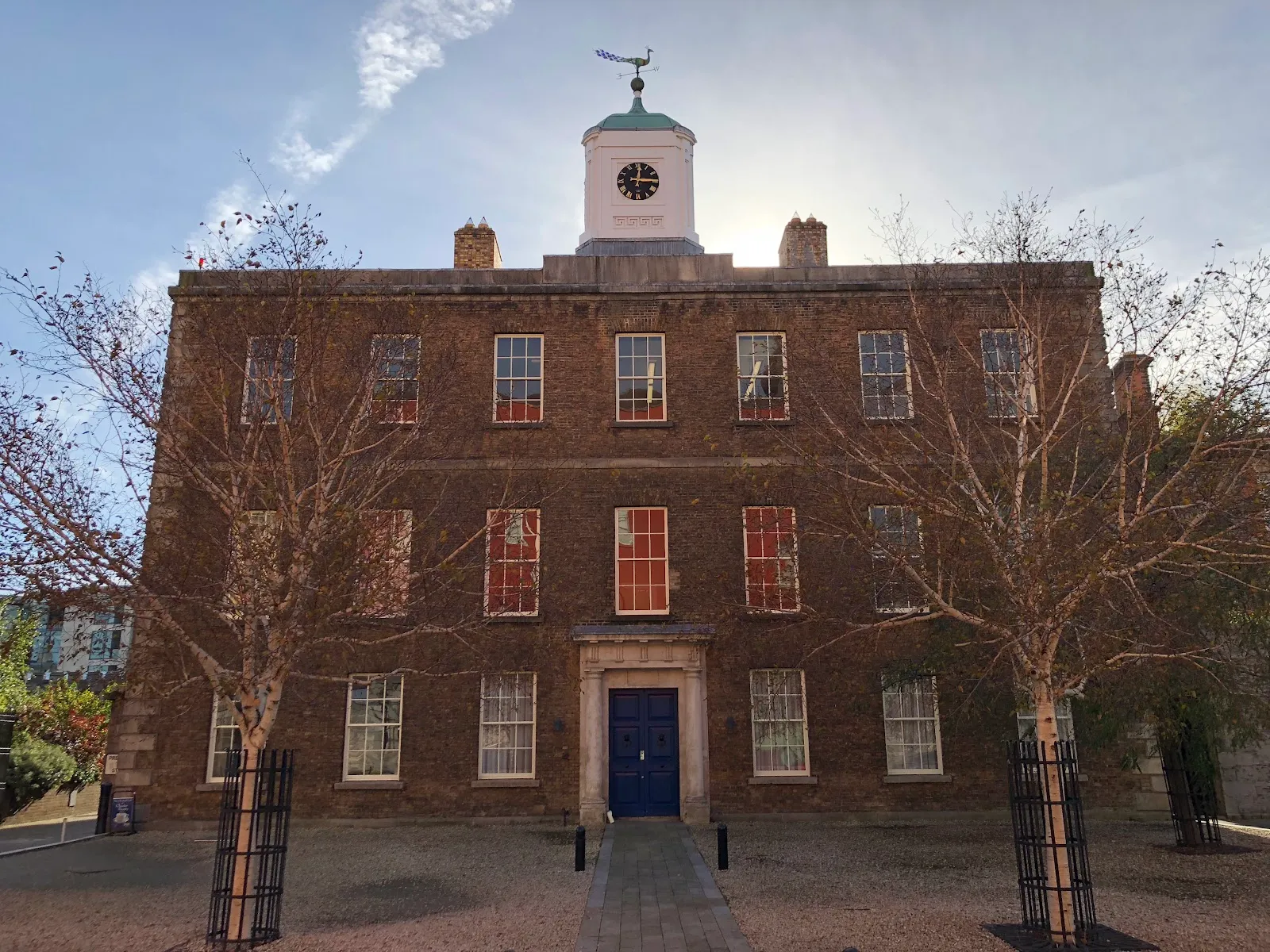
The museum sits within Dublin Castle’s grounds. That location makes it easy to combine the galleries with a walk around the castle gardens, but the collection merits time of its own. Displays occupy two floors, and what is on view can change as exhibitions rotate. A return visit may therefore bring different objects into focus.
Sacred texts and artistic traditions
The displays include sacred writings from several faiths, among them Qur’ans, Torahs and Christian manuscripts. Ancient Egyptian papyrus sits alongside texts and images from later periods. Some manuscripts are notable for their calligraphy and painted decoration, which reward a slower look at the page as an object as well as a carrier of words.
A separate strand of the collection follows artistic traditions across regions. Look for Japanese woodblock prints, Chinese paintings and jade books, as well as Persian and Turkish works. The holdings also include miniature paintings, drawings, prints and European manuscripts from the medieval and Renaissance periods. Clay tablets from Babylon and papyrus texts show how far the collection reaches into the past.
The galleries use displays and interpretation to connect objects with the cultures and religious practices that produced them. Interactive elements introduce the development of books and written material, making the visit accessible even if you do not usually spend time with manuscripts. The audioguide can add context as you move through the exhibits.
Making time for the visit
Plan at least an hour if you want to see the main displays; a close reading of labels and objects can take longer. The museum is also suited to a slower visit, with a café inside for a break between galleries. The Silk Road Café serves Middle Eastern and Mediterranean food, and the grounds offer space to pause outdoors.
In summer, the rooftop garden is a further reason to take your time, with views across Dublin Castle. Access can depend on whether it is open, so check ahead if the garden is central to your plans. The museum also runs events, workshops and family activities; its website is the place to check what is scheduled during your visit.
Admission to the museum is free. Optional tours may have an additional charge, so confirm their times and details before setting aside a particular part of your day. For a visit focused on the objects, start with the galleries and leave the café or garden as a break afterward.
Perguntas frequentes
Is Chester Beatty free to visit?
Yes. Admission to the museum is free. Optional tours may cost extra.
How long do you need at Chester Beatty?
Allow at least an hour to see the displays. You may want longer if you plan to read the interpretation closely.
What can you see at Chester Beatty?
The collection includes manuscripts, rare books, prints and art from several regions, including illuminated Qur’ans, Egyptian papyrus, Japanese prints and Chinese works.
Is there a rooftop garden at Chester Beatty?
Yes, there is a rooftop garden with views over Dublin Castle. Its access can depend on whether it is open.