At Sulabh Bhawan in Mahavir Enclave, the Sulabh International Museum of Toilets traces sanitation and toilet design across cultures and centuries. Its collection ranges from early drainage and toilet systems to chamber pots, bidets and modern bio-toilets, with photographs and displays that explain changing technology and customs. The subject is unusual, but the museum also connects sanitation with public health, dignity and waste management. Allow about an hour to explore; children can learn about hygiene and the environmental effects of waste.
A history told through toilets
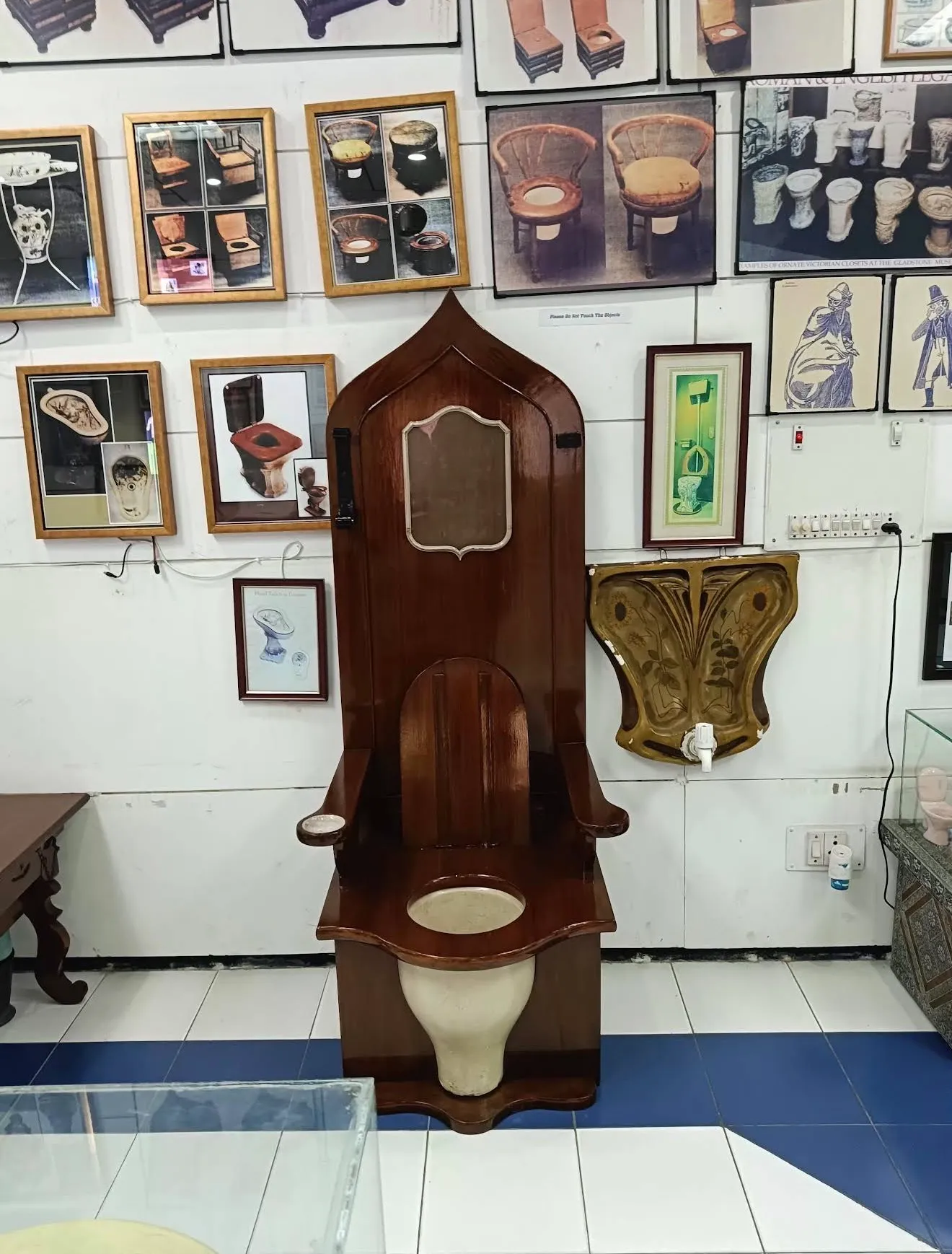
The collection follows the development of toilets and sanitation from around 2500 BC to the modern era. Objects, photographs and explanatory displays place different designs in historical context, including systems associated with the Harappan and Mohenjo-Daro civilizations. The displays also include examples from ancient Egypt, Babylon, Greece, Crete, Jerusalem and Rome, alongside material from the Mughal period and British royalty.
Among the objects are privies, chamber pots, toilet furniture, bidets and water closets. Other displays cover older infrastructure such as drains, soak-pits, manholes and water pipes. Together, they show how people managed waste and changed the design of toilets over time.
More than a collection of fixtures
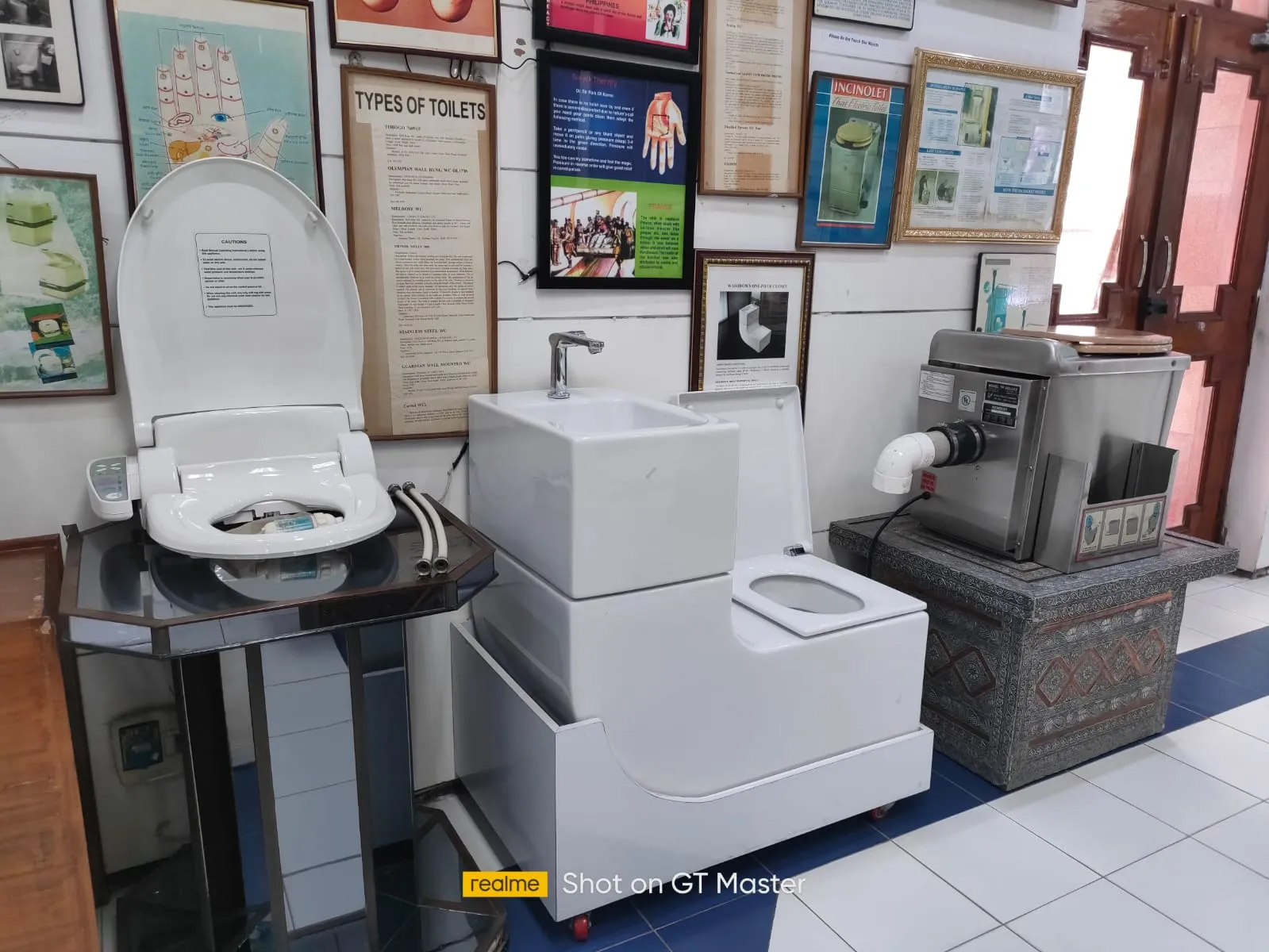
The museum looks at the customs and technology surrounding sanitation, not only at the objects themselves. Its displays address toilet etiquette, social practices and sanitary conditions, using facts and photographs to explain how these changed. Toilet-related poems and humorous posters add a lighter note to a subject that is also tied to health and dignity.
The collection includes elaborate examples, among them toilets made with silver or gold and a two-storey toilet from the United States dating to the 1920s. These sit alongside more everyday items, giving visitors a sense of the range of forms and settings represented in the collection.
Sanitation and social reform
Social activist Dr. Bindeshwar Pathak established the museum in 1992. Its wider purpose is to raise awareness of sanitation and hygiene, issues that shape public health and everyday dignity. Pathak also worked to challenge the stigma attached to manual scavenging and to promote sanitation systems that could be made accessible to more people.
The museum connects its historical displays with current concerns, including waste management and the environmental effects of sanitation. Sulabh International’s work also includes water recycling, sewer treatment and biological waste management. For children, the collection offers a concrete way to discuss hygiene and the need for better sanitation.
Perguntas frequentes
Is entry to the Sulabh International Museum of Toilets free?
Yes. Entry is free.
How long does a visit take?
Plan for about an hour to explore the exhibits.
What can you see at the museum?
The collection includes toilet-related objects, photographs and displays tracing sanitation history from ancient times to the modern era, including chamber pots, bidets and water closets.
Is parking available?
Yes. Parking is available at the museum.