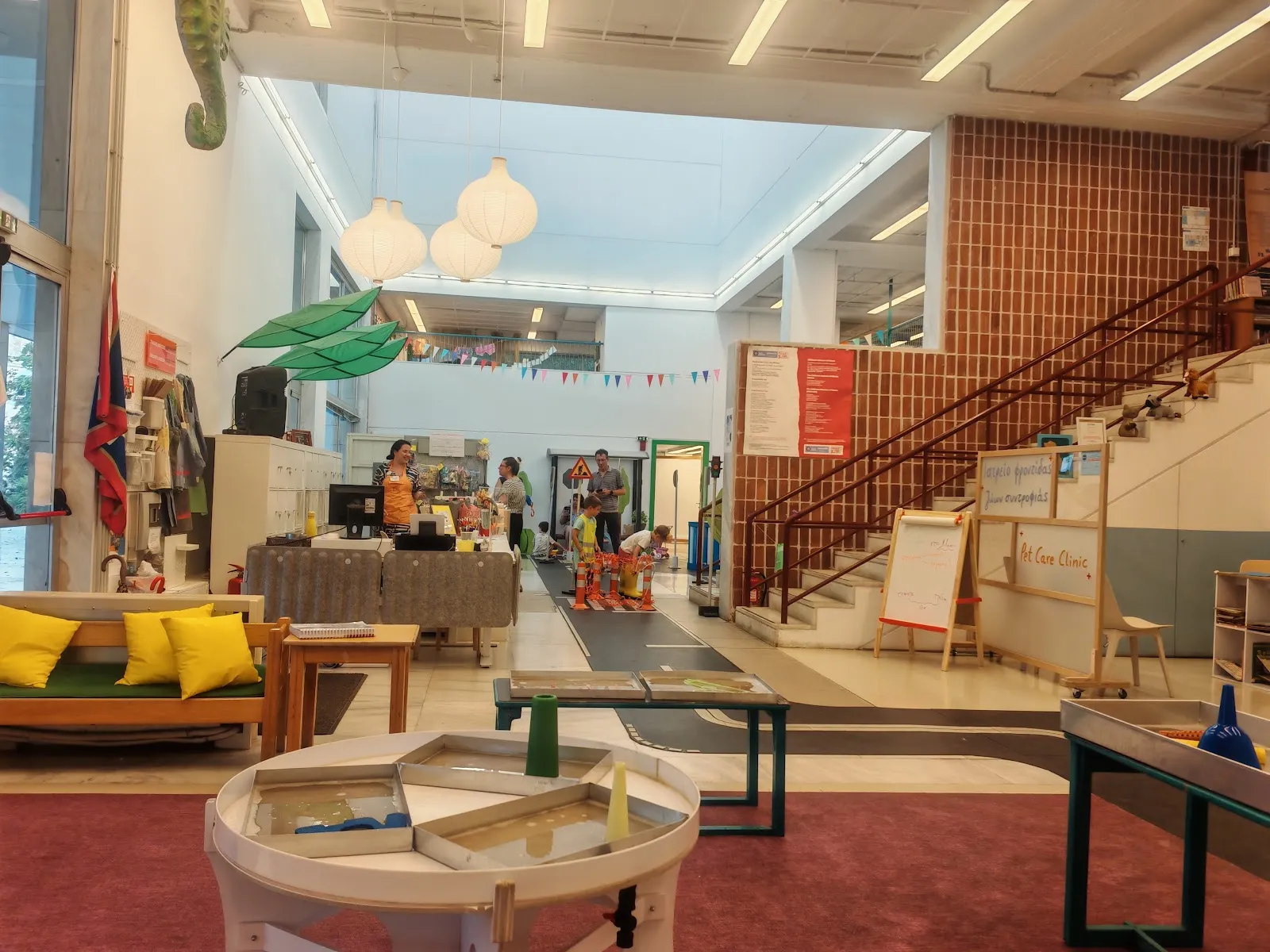
At the Hellenic Children’s Museum in Athens, children learn by trying things out: they can play shopkeeper in a market, build with construction materials and explore activities about everyday life. The museum is designed for children and their adult companions, with exhibits spanning subjects such as science, maths, art and language. Younger children have dedicated spaces, while activities for older children include role-play and hands-on experiments. Entry is free, with donations welcome. Check the museum’s website before setting out for current age limits and booking requirements.
Learning through play
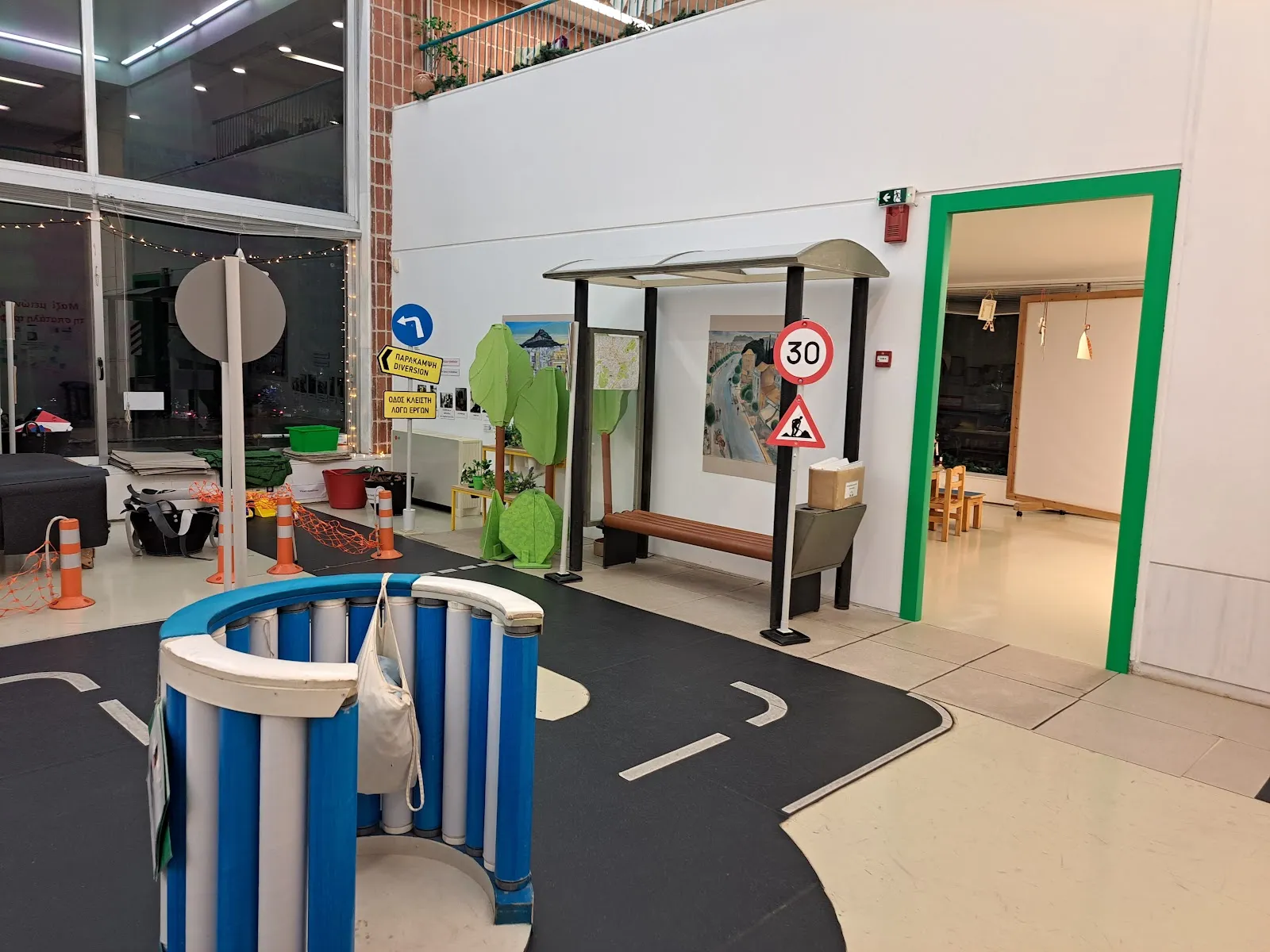
The Hellenic Children’s Museum is an interactive museum for children and their adult companions. Its activities invite children to handle objects, play roles and work out how things function. The subjects range from science and technology to the natural environment, arts, language, maths and everyday life.
The museum’s educational approach centres on active participation. Children can experiment, make things and learn alongside others, rather than only look at displays. The activities are intended to encourage curiosity, observation and collaboration.
Market, kitchen and building activities
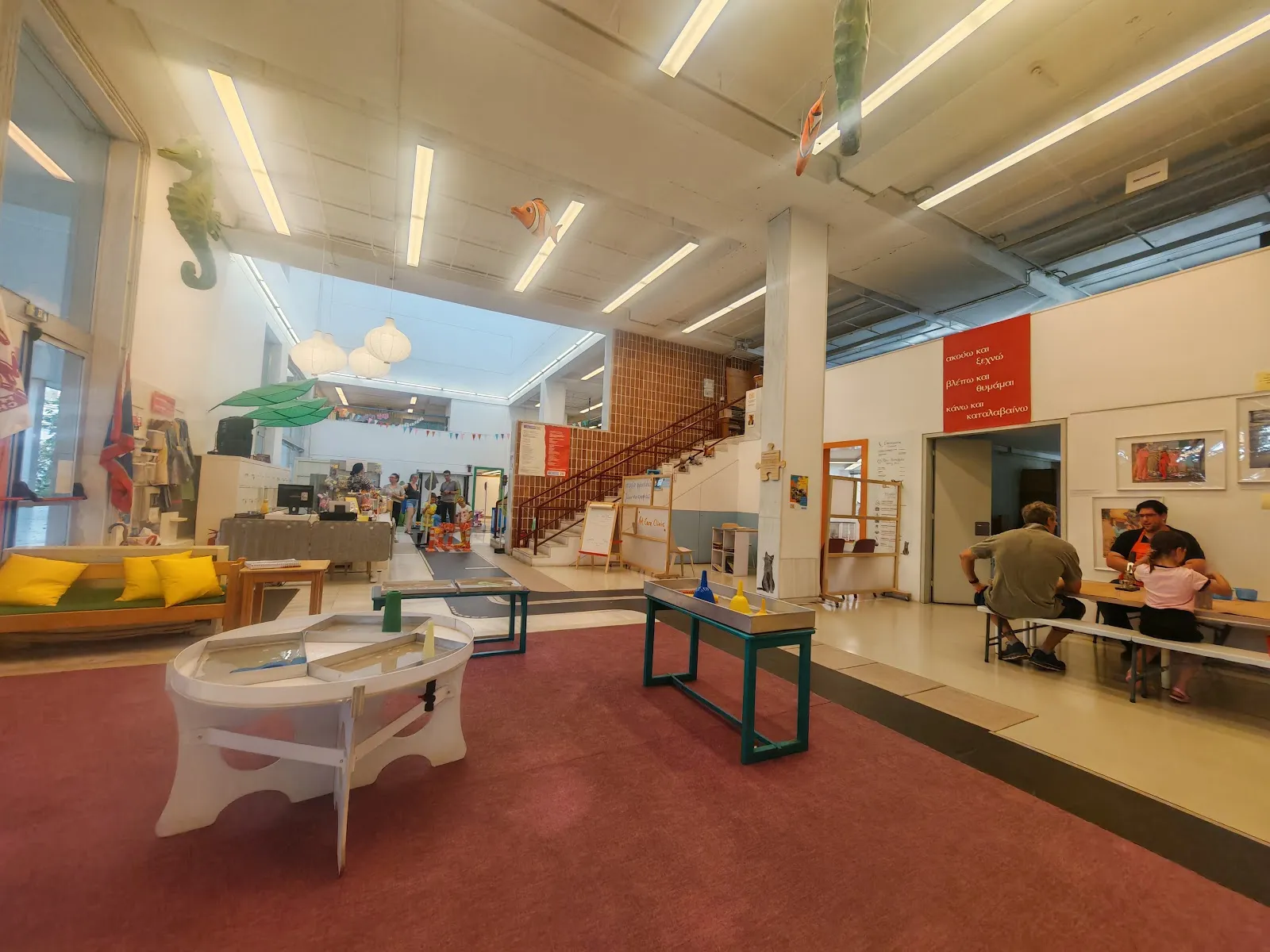
In the market area, children can take on roles in a miniature shop and explore ideas such as supply and demand. Construction materials give them a chance to assemble structures and see how different pieces work together. These activities connect play with practical concepts.
The kitchen introduces food through hands-on activity, including work with ingredients and biscuits. Other exhibits and activities address the human body, movement, safety and geometry. The museum’s themes also include communication, professions and the natural world.
Exhibits for different ages
Some areas are intended for children aged 0 to 3, while other activities suit children over 3. The museum’s exhibits are aimed at children up to 12 and include both permanent and temporary displays. Named exhibits include The Attic and Hello Pythagoras!, which bring different subjects into a play-based setting.
The museum also runs educational programmes for families, school groups, educators and people with special needs. The range of activities means children can explore different topics during a visit, from building and role-play to experiments linked with food and everyday life.
Planning your visit
The museum is inside the Athens Conservatoire. Its entrance can be difficult to spot, so check directions before you leave. Stroller access from the main street may be limited; the back-street approach is a more practical option for families with strollers, though nearby parking can be hard to find.
Entry is free, and visitors can make a donation. Booking and age requirements have been reported as relevant, so confirm the current arrangements on the museum’s website before travelling. The interior can get warm, which is useful to factor into your plans, especially with young children.
Perguntas frequentes
Is entry to the Hellenic Children’s Museum free?
Yes. Entry is free, and donations are welcome.
What ages is the museum for?
The museum is designed for children up to 12 and their adult companions. Some areas cater to children aged 0 to 3, with other activities for children over 3; check the website for current age restrictions.
How long should you spend at the museum?
Plan on about two hours for a visit with children.
Do you need to book in advance?
Booking requirements can apply. Check the museum’s website before you go.