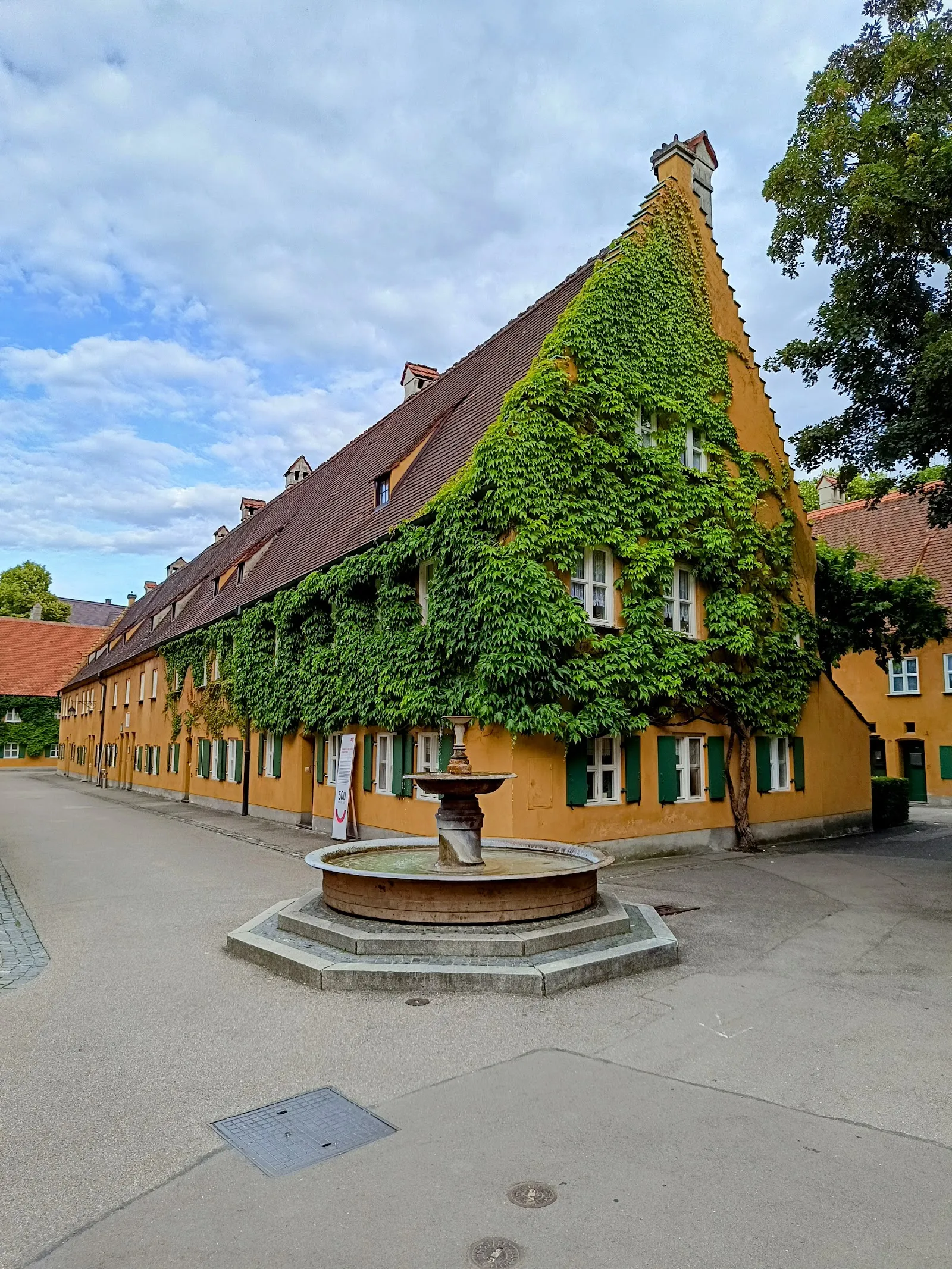
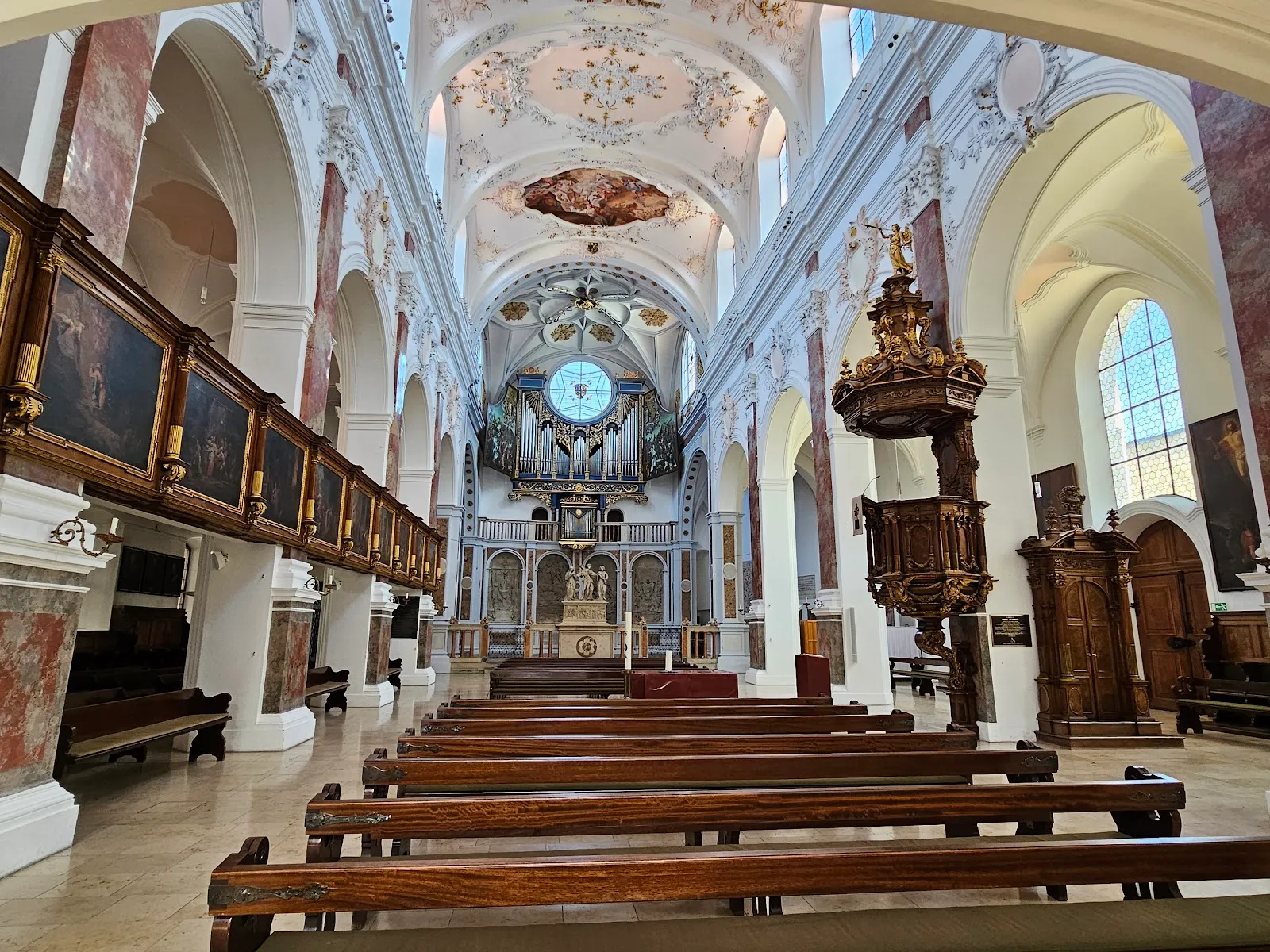
The Fuggerei is a gated housing estate in Augsburg, Bavaria, founded in the early 16th century by the merchant banker Jakob Fugger for needy Catholic citizens of his home city. It is the world's oldest social housing complex, and people still live there: about 150 residents pay a rent of roughly 0.88 euros a year. You can walk the narrow streets of terraced houses, step into a preserved 16th-century apartment and see a modern model flat. The calm streets make a quiet stop in the city centre.
Jakob Fugger and the founding
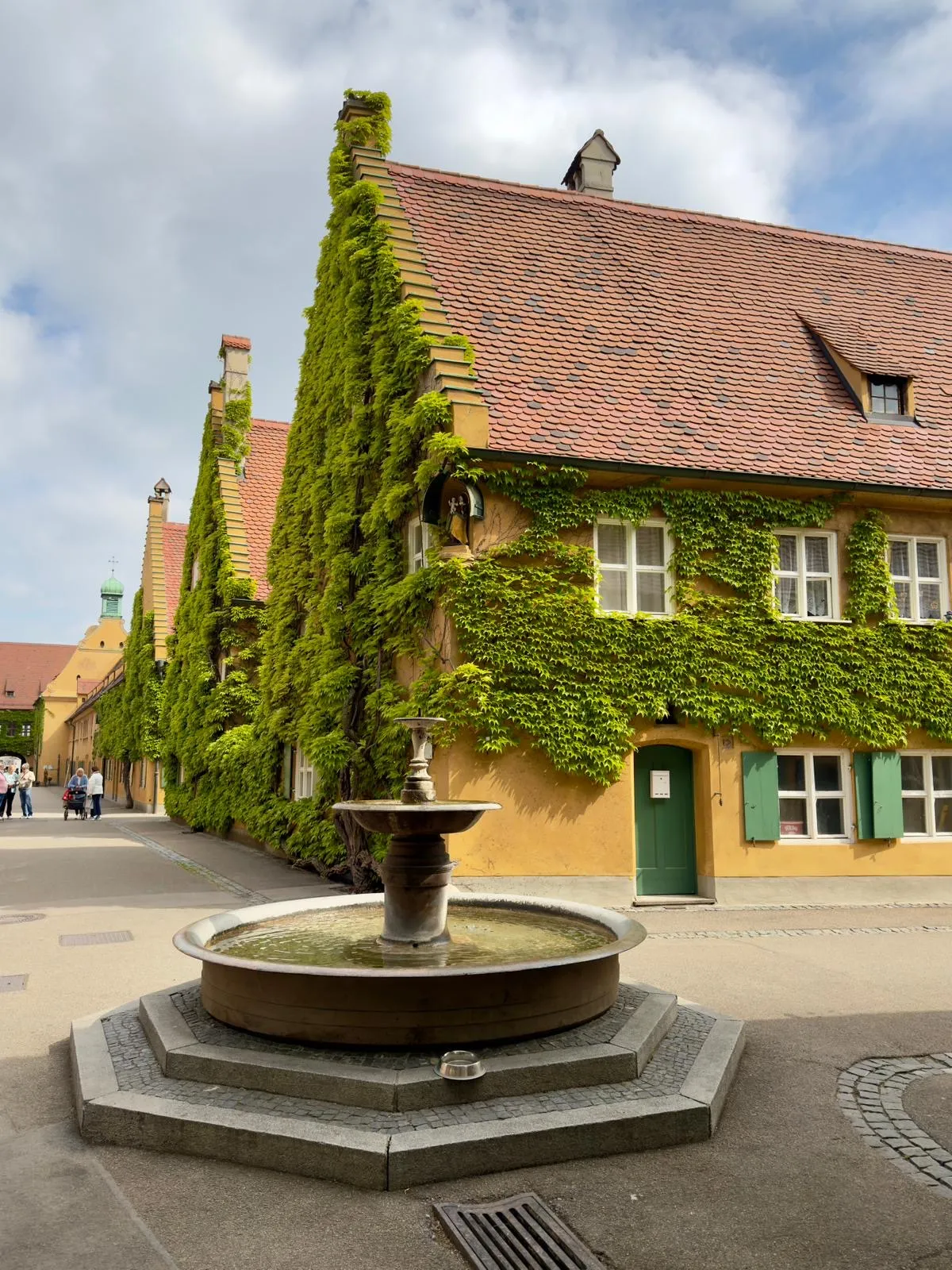
Jakob Fugger was a merchant banker in the early 16th century, and his family was one of the most important in European banking at the time. He is often called Jakob Fugger the Rich. He set aside land in his home city for people who had fallen into need, and the settlement was built as a self-contained district with its own church.
Within about a decade, 52 houses stood along the streets and squares. The estate grew over the centuries to the 67 buildings visitors see today.
Rent and the rules for residents
The rent is one Rhenish guilder a year, which comes to about 0.88 euros today. The amount has not changed for about five centuries. Residents also pray daily for the Fugger family, which is part of the arrangement.
To live in the Fuggerei, applicants must be Catholic, have lived in Augsburg for at least two years, and have become poor through no fault of their own. About 150 people live there now.
Walking the streets
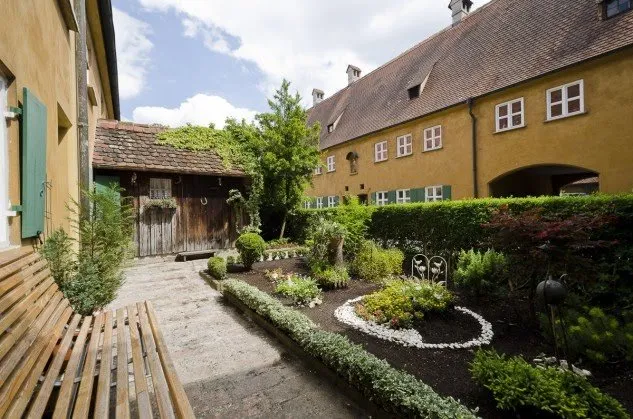
The houses are small and similar in form, set in terraces along eight streets. Each has its own front door, a small garden and often an attic. Many facades are covered in ivy, and the complex has its own church.
The gates are locked each evening, so plan a daytime walk. The streets are quiet, and the people you pass are neighbours in their own homes rather than staff in a museum, so keep your voice low and do not look into windows.
The museum and the furnished apartment
The history of the estate is covered in a permanent exhibition and a film. The one surviving apartment from the 16th century has a kitchen, a living room and a bedroom, where you can see how a household lived. A modern model apartment shows how the homes are used today.
The site has a café inside, and the entrance and restroom are wheelchair accessible.
Rebuilding after 1944
A bombing raid in 1944 damaged the Fuggerei. The Fuggerei Foundation paid for the reconstruction, which followed historical specifications, and the estate reopened a few years later.
Perguntas frequentes
Is there an entry fee?
Yes, entry is charged. Check the official website for the current price before you go.
How long do you need?
Plan at least one hour to see the streets, the museum and the furnished 16th-century apartment.
Can you buy tickets in advance?
Yes. Buying in advance is recommended, and tickets can also be bought at the entrance.
Is the Fuggerei wheelchair accessible?
The entrance, the restroom and the parking lot are listed as wheelchair accessible.
Do people still live in the Fuggerei?
Yes. About 150 people live there today, paying a rent of about 0.88 euros a year.