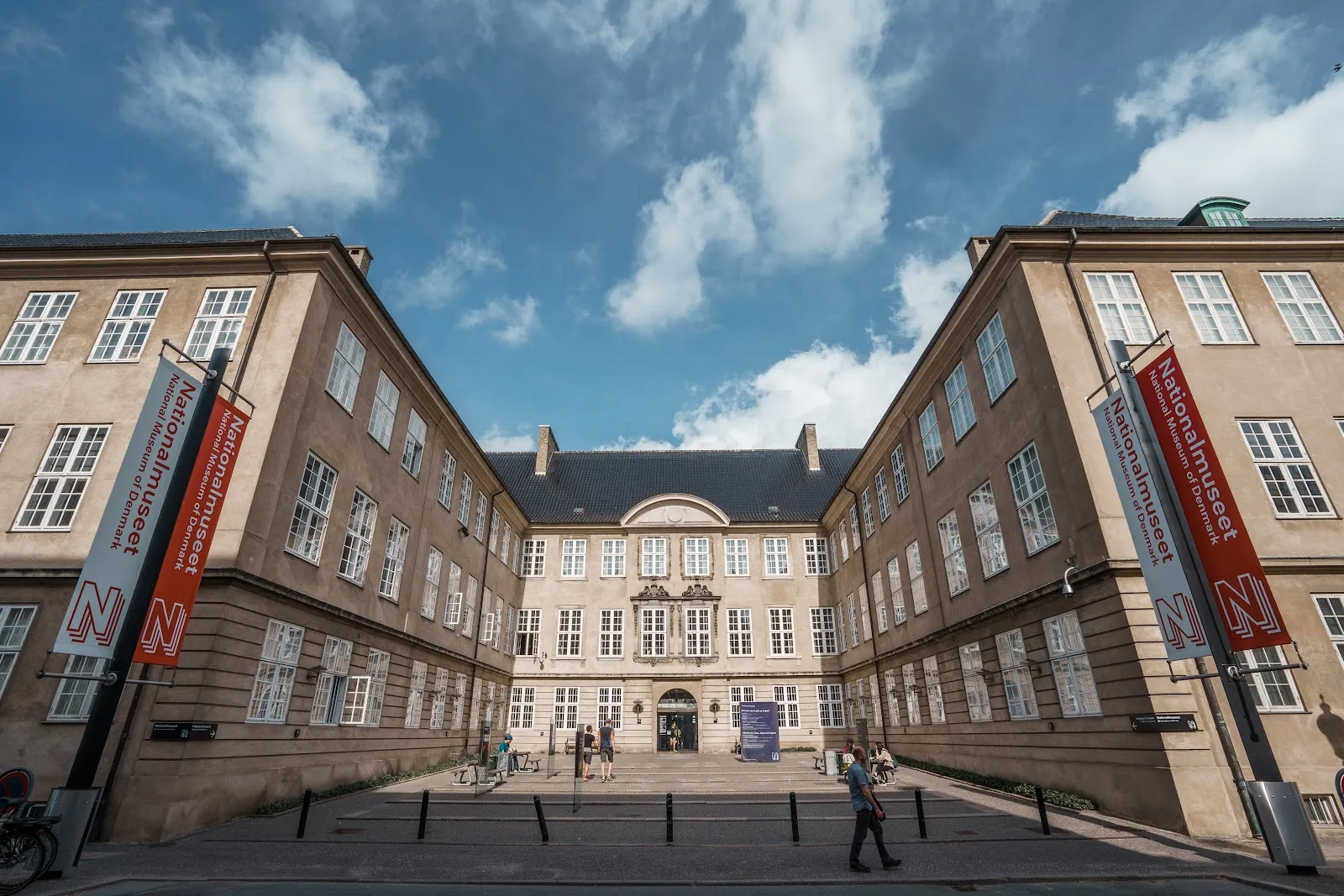
At Ny Vestergade 10 in central Copenhagen, the National Museum of Denmark traces Danish history from the Stone Age to the present, with galleries on Viking life, medieval Denmark and later periods. Its collections include the Trundholm Sun Chariot, the Gundestrup Cauldron, rune stones and bog finds. Rooms also cover cultures beyond Denmark, including Greenland and regions across Asia, Africa and the Americas. Children can explore a dedicated museum area with hands-on historical settings. The building’s many connected rooms reward a slow visit, so allow several hours if you want to see more than the headline objects.
A palace turned history museum
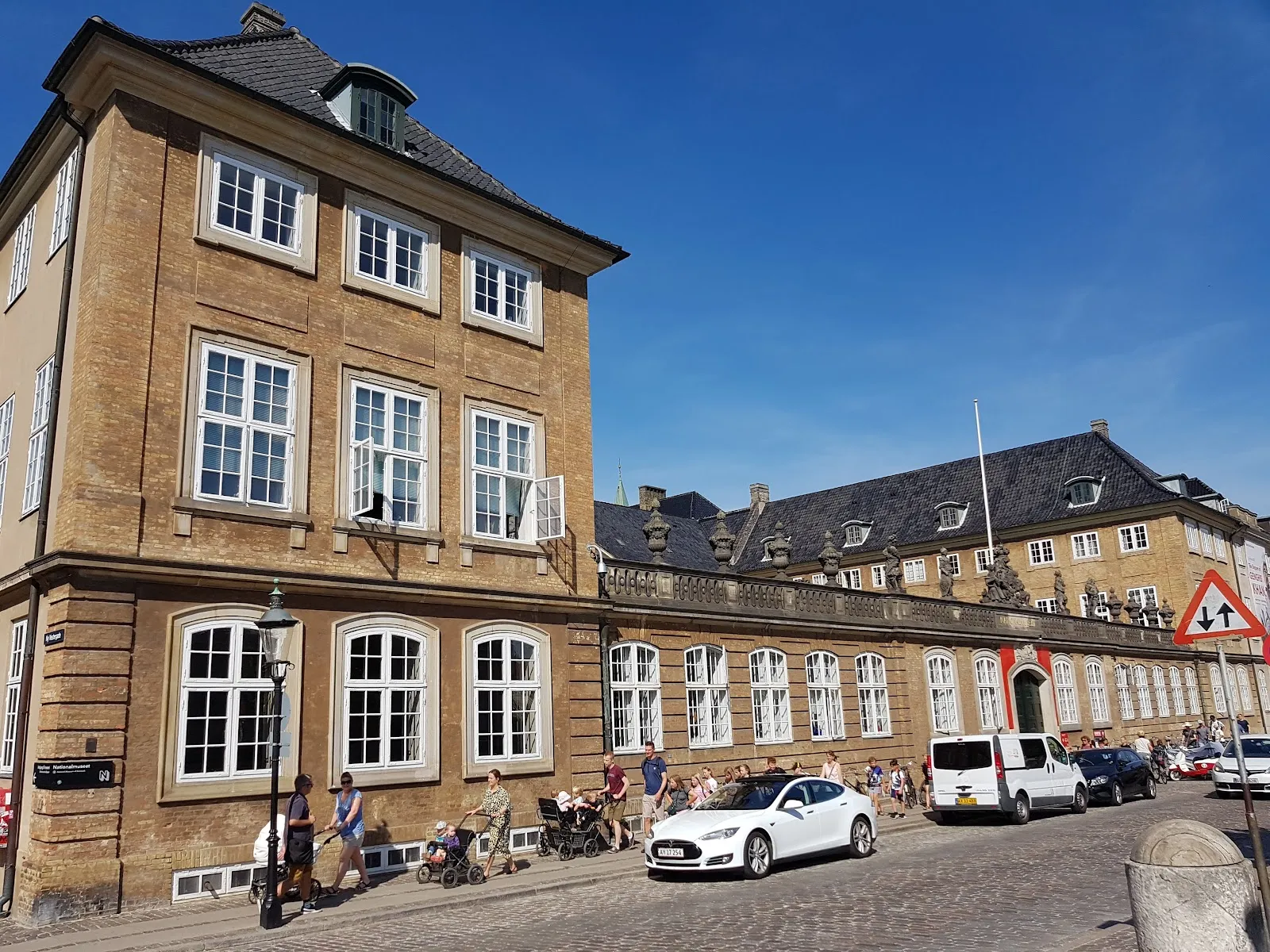
The National Museum occupies the Prince’s Mansion at Ny Vestergade 10, a short walk from central Copenhagen sights including Tivoli. The 18th-century building once had a royal role; today, its rooms hold Denmark’s national collection of cultural history.
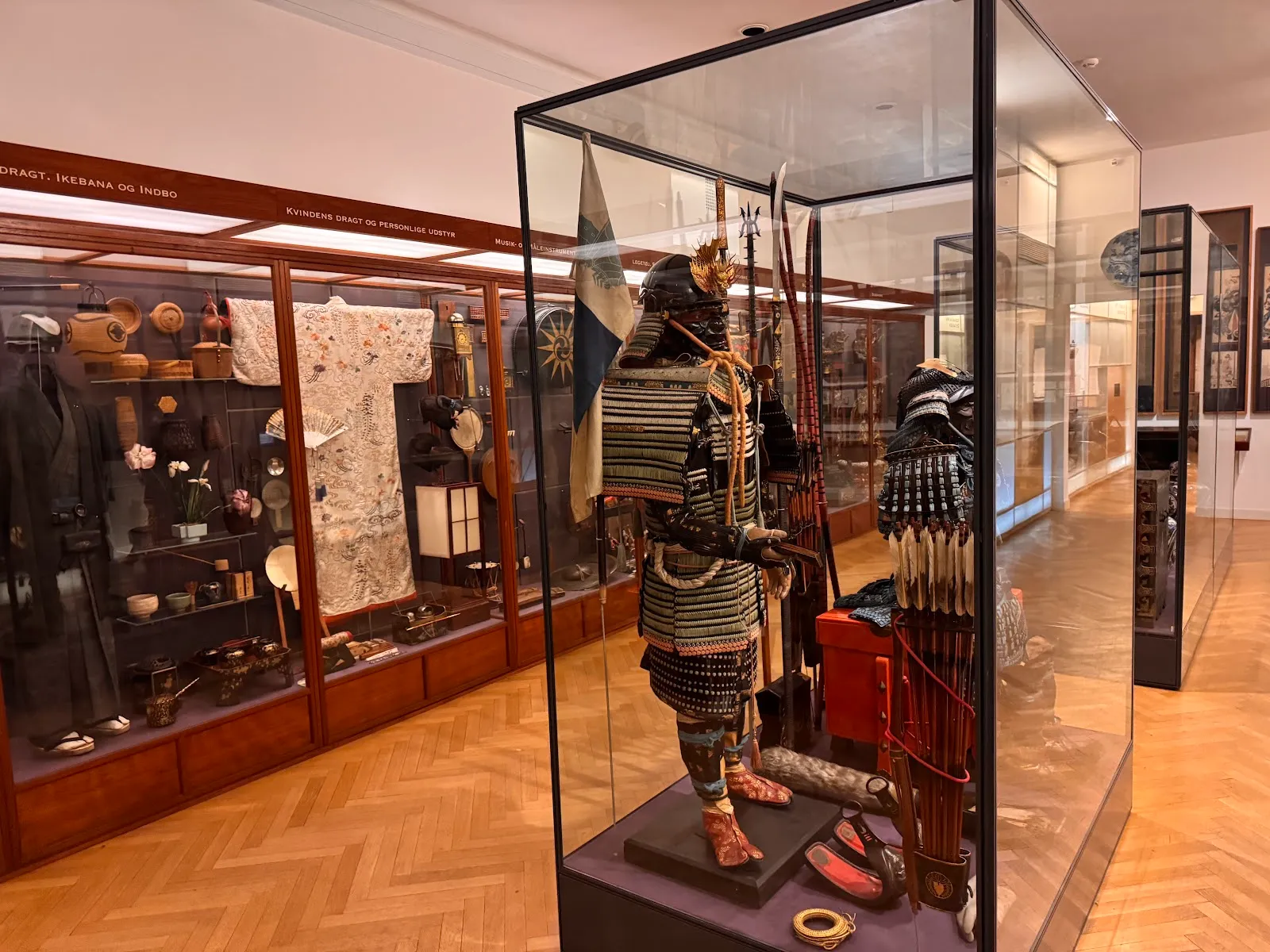
The museum’s story stretches from prehistoric times to modern Danish society. Rather than focusing on one era, its galleries bring together archaeology, objects from daily life and material from different periods. The collection also reaches beyond Denmark, with displays connected to Greenland and cultures in Asia, Africa and the Americas.
Prehistoric Denmark and the Sun Chariot
The prehistoric galleries are a strong place to begin. Among the best-known objects is the Trundholm Sun Chariot, a Bronze Age figure of a horse drawing a gold disc. The Gundestrup Cauldron and bog finds offer other glimpses of ancient life and belief.
Stone Age and Bronze Age material sits within a broader account of life in Denmark before written history. Rune stones, tools and other archaeological finds help carry the story into later periods. Take time to look beyond the most famous cases: the collection spans many rooms, and adjoining spaces can be easy to pass without noticing.
Viking life and later Danish history
The Viking galleries bring together objects associated with home life and voyages, including weapons, tools, clothing, jewellery and coins. Displays also use interactive elements to introduce Viking history. The museum’s wider timeline continues through the Middle Ages and Renaissance and into modern Danish history, so the Viking period is one chapter in a much longer account.
Other rooms contain medieval church fittings, Danish silver and porcelain, and objects from the royal collection. International galleries add antiquities from places including Egypt and the ancient Near East. Together, these collections make the museum useful for visitors who want to compare Danish history with objects and cultures from other parts of the world.
The Children’s Museum
Families can take a break from display cases in the Children’s Museum, where historical settings invite children to play and explore. Activities described in the collection include climbing aboard a Viking ship, trying on historical dress and stepping into settings such as a medieval kitchen or an old classroom.
Older children can also find activities within the main galleries. The range of interactive displays is not the same in every section, so families planning a visit around hands-on exhibits should check what is available on the day. A map can help you keep track of the children’s area as well as the museum’s many side rooms.
Planning time for the galleries
A full visit can take four to five hours, and the connected rooms make it easy to spend longer than planned. If your time is limited, focus on the prehistoric collection and Viking galleries, then choose another period or the Children’s Museum according to your interests. Online ticket purchase is suggested, and advance booking is recommended.
The museum is at Ny Vestergade 10, 1471 København K. Its café, restaurant, restrooms and gift shop are on site. Check the museum’s current visitor information before setting out for ticket details and any changes to exhibitions or activities.
Perguntas frequentes
How long should I spend at the National Museum of Denmark?
Allow four to five hours for a thorough visit. The collection fills many rooms, and some are easy to miss as you move through the galleries.
What are the main things to see?
Look for the Trundholm Sun Chariot, the Gundestrup Cauldron, bog finds and the Viking collections. The museum also covers later Danish history and cultures from around the world.
Is the National Museum of Denmark suitable for children?
Yes. The Children’s Museum includes hands-on historical settings, such as a Viking ship and a medieval kitchen. Some activities are also available in the main galleries.
Where is the National Museum of Denmark?
It is at Ny Vestergade 10, 1471 København K, in central Copenhagen.
Should I book tickets in advance?
Advance ticket booking is recommended. The museum also suggests considering online ticket purchase.