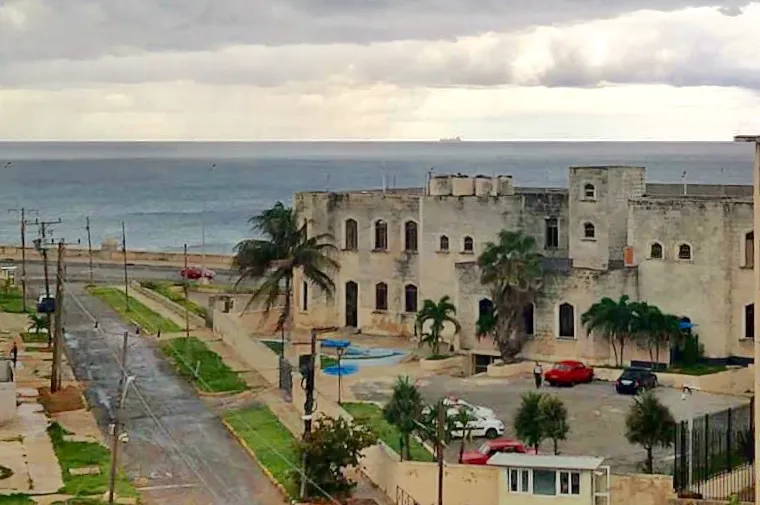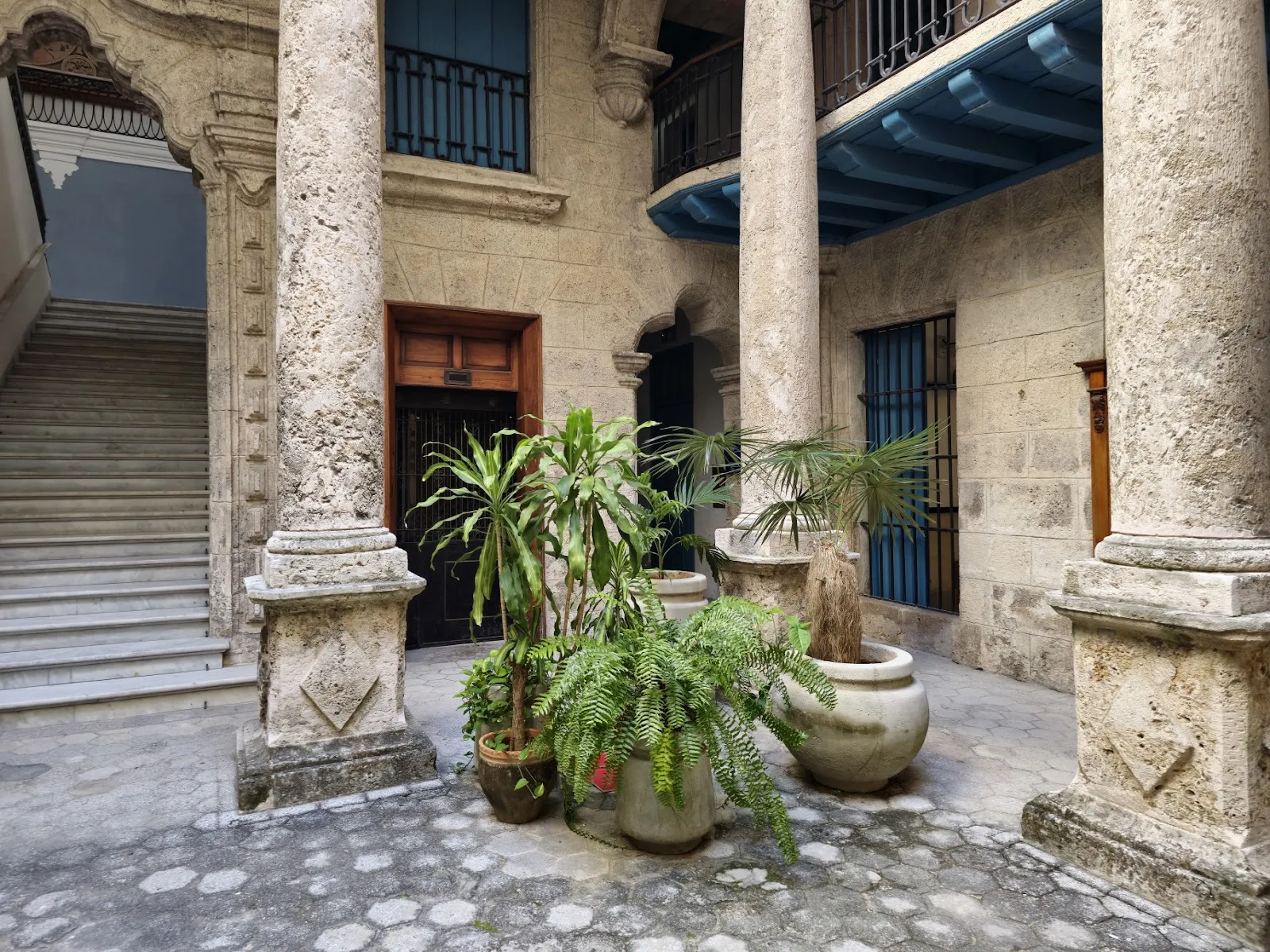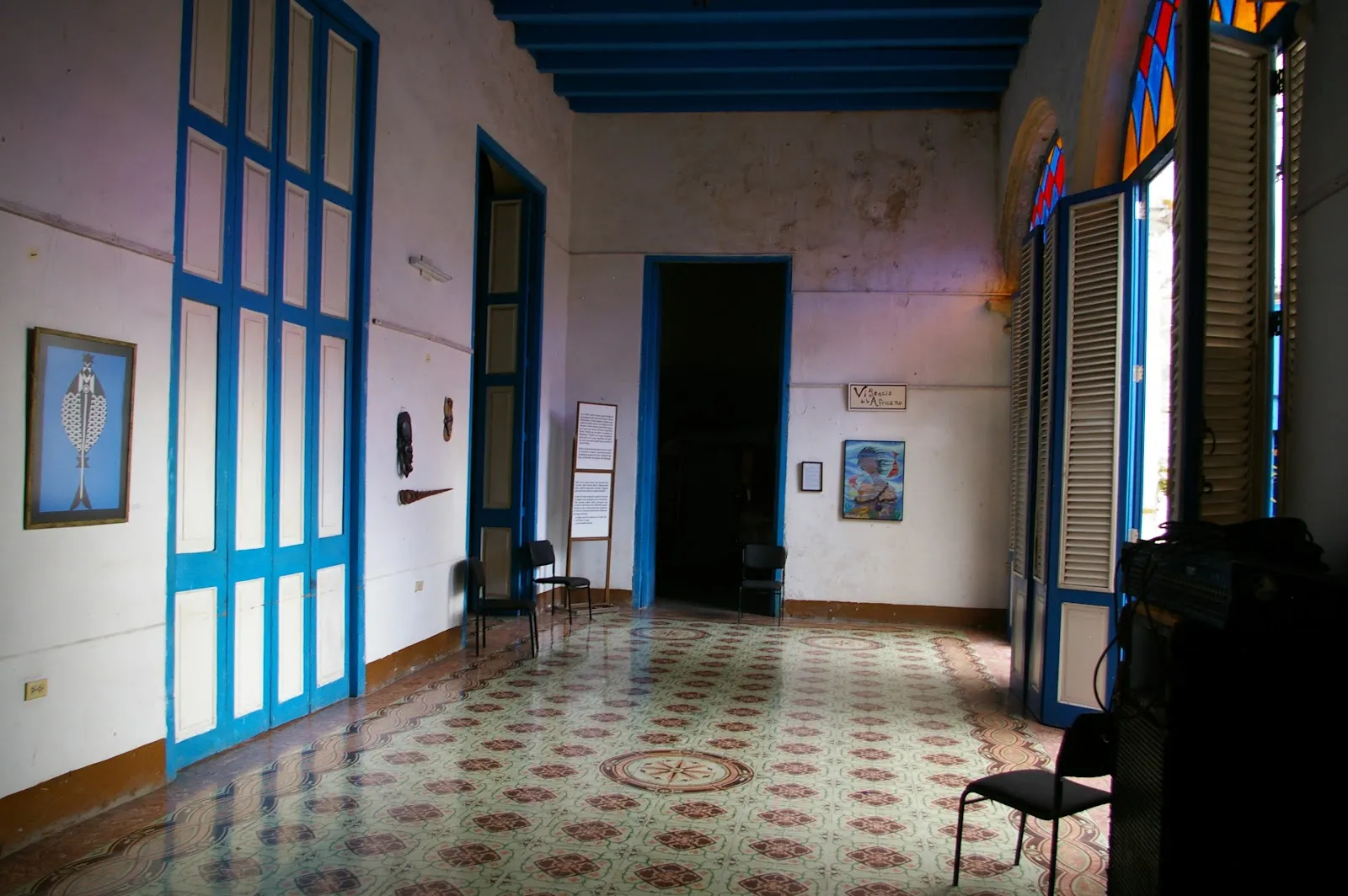
Museo Municipal de Guanabacoa explores the history, art and religious traditions of this Havana municipality, with particular attention to Afro-Cuban culture. Its collection includes objects with spiritual significance and exhibits on local history, religion, fish and foods. The displays are in Spanish, so consider arranging a guide or joining an Afro-Cuban tour to understand them in context. The museum is housed in a former colonial residence associated with Santería priests and the initiation of devotees.
Local history and Afro-Cuban traditions
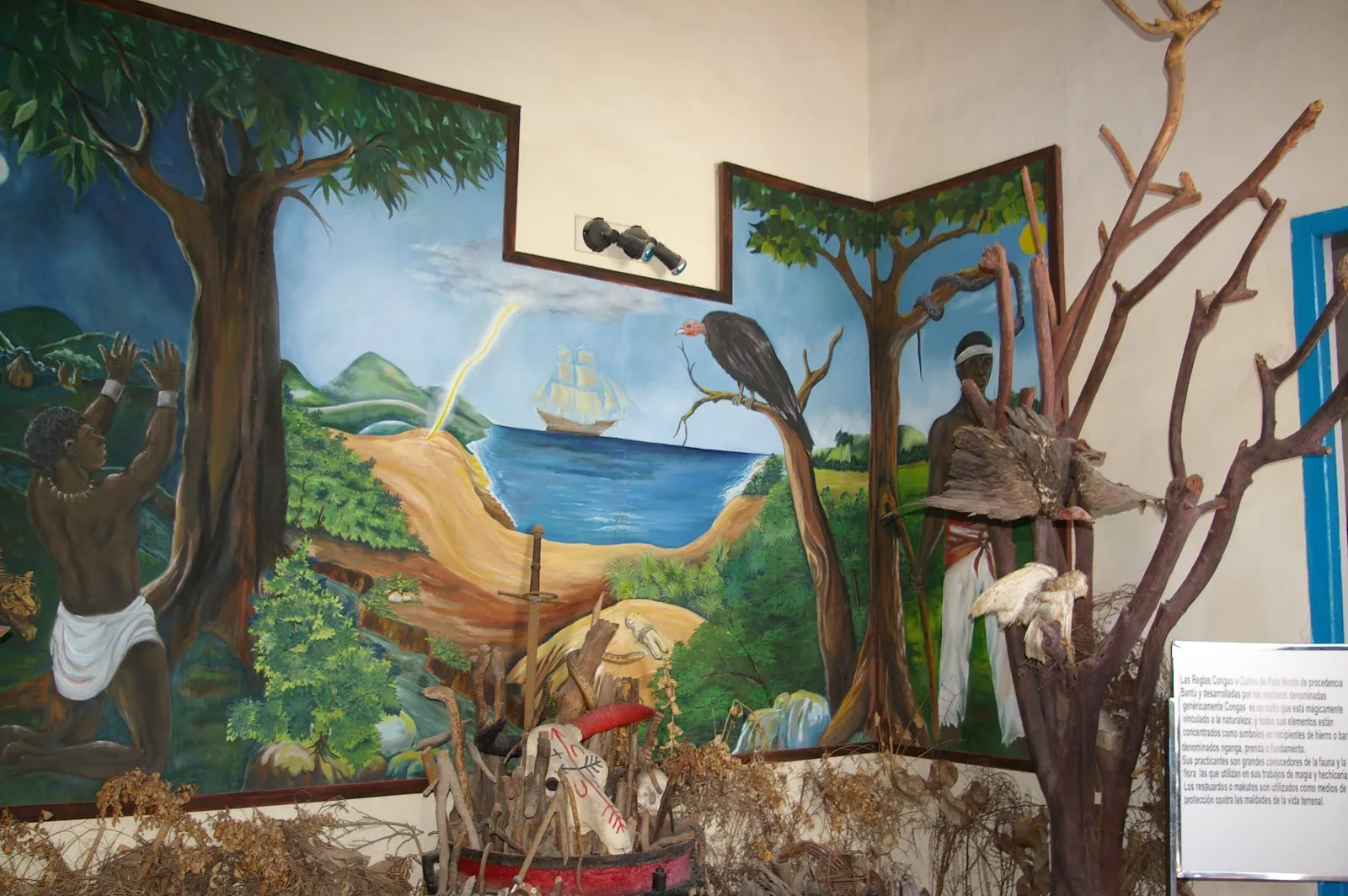
The museum covers Guanabacoa’s history, art and artists, with a strong focus on ethnic and religious traditions. Its collection includes objects related to Afro-Cuban spirituality, alongside exhibits about local life, fish and foods.
The displays connect the town’s history with Santería, Palo Monte and Abakuá, traditions that have shaped Afro-Cuban religious and social life. A guide can help explain the Spanish-language exhibits and the meaning of the objects.
A residence tied to Santería
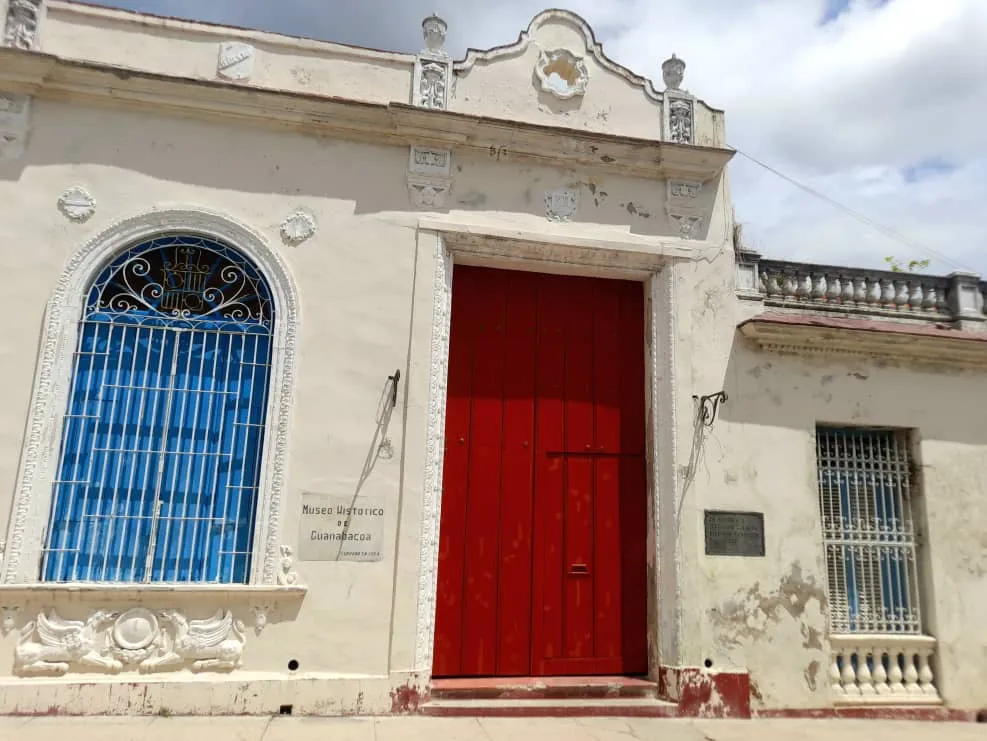
The colonial house that holds the ethnographic collection was once the home of a senior Santería priest in Madruga, near Havana. Priests known as Babalawos initiated more than 400 people there into Regla de Ocha, linking them as devotees to Yoruba deities.
On September 12, people gathered at the house’s porch for processions carrying an image of Our Lady of Charity, associated with Ochún in the Yoruba pantheon. The procession ended in a celebration with drums and dancing that continued until sunrise.
Perguntas frequentes
Are the museum exhibits in English?
No. The exhibits are in Spanish. Arrange a guide if you need help understanding them.
What can you see at Museo Municipal de Guanabacoa?
The collection covers Guanabacoa’s history, art and religious traditions, including objects connected to Afro-Cuban spirituality.
What happens around September 12 in Guanabacoa?
Traditional processions have gathered at the former residence, followed by celebrations with drums and dancing.