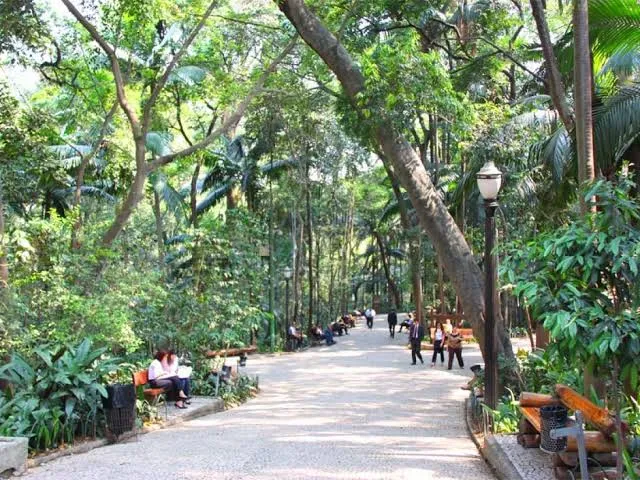
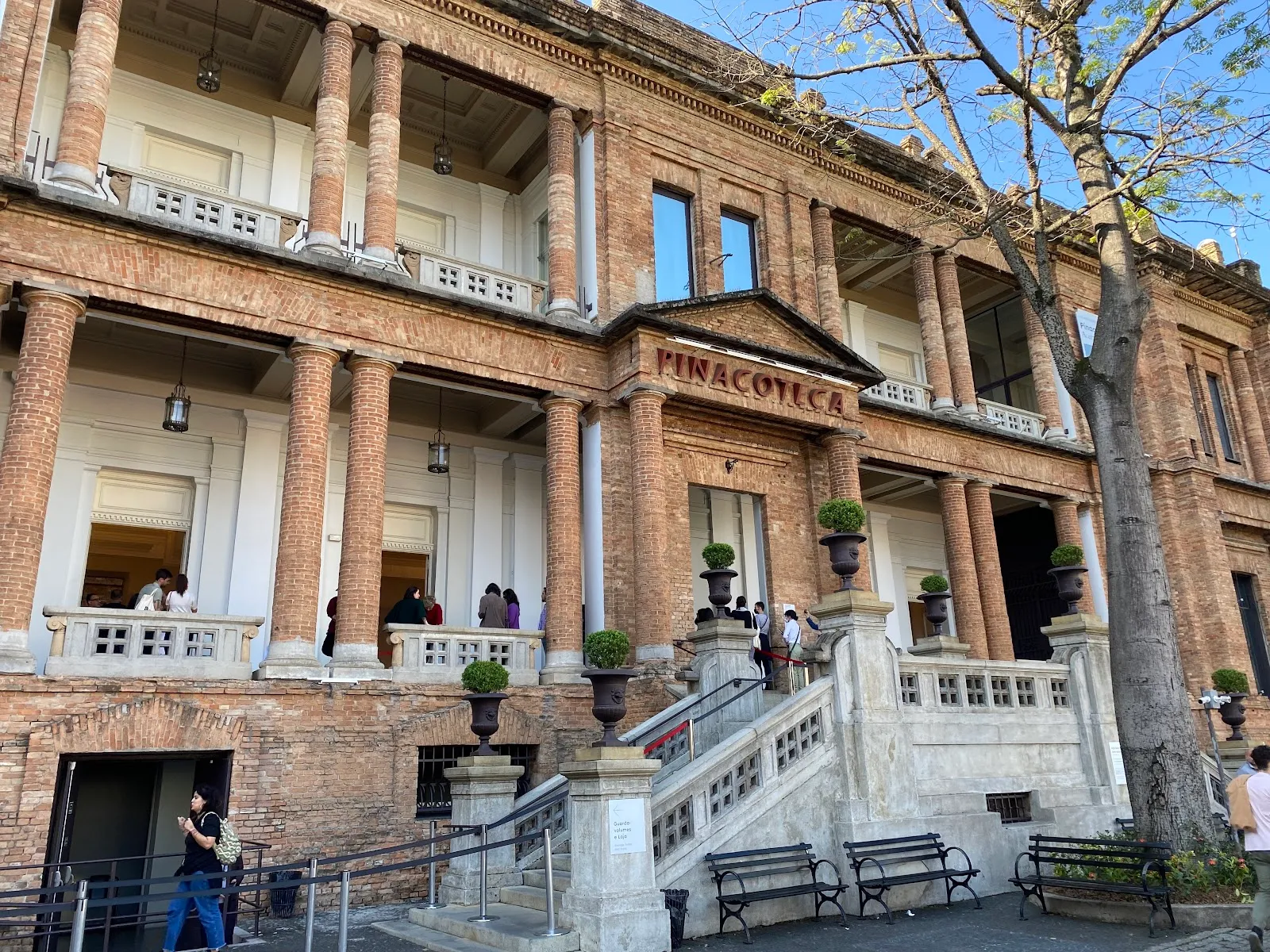
Pinacoteca de São Paulo is the city’s oldest art museum, in the Luz district near Luz station. Its collection follows Brazilian art from the 19th century to the present, with paintings, sculpture, photography and contemporary exhibitions. The late-19th-century building pairs exposed brick with bright, spacious galleries, giving the art room to breathe. Set aside at least two hours for the permanent collection and temporary shows; Saturday admission is free. Jardim da Luz, the park beside the museum, makes a quiet stop before or after your visit.
A museum shaped by an art school
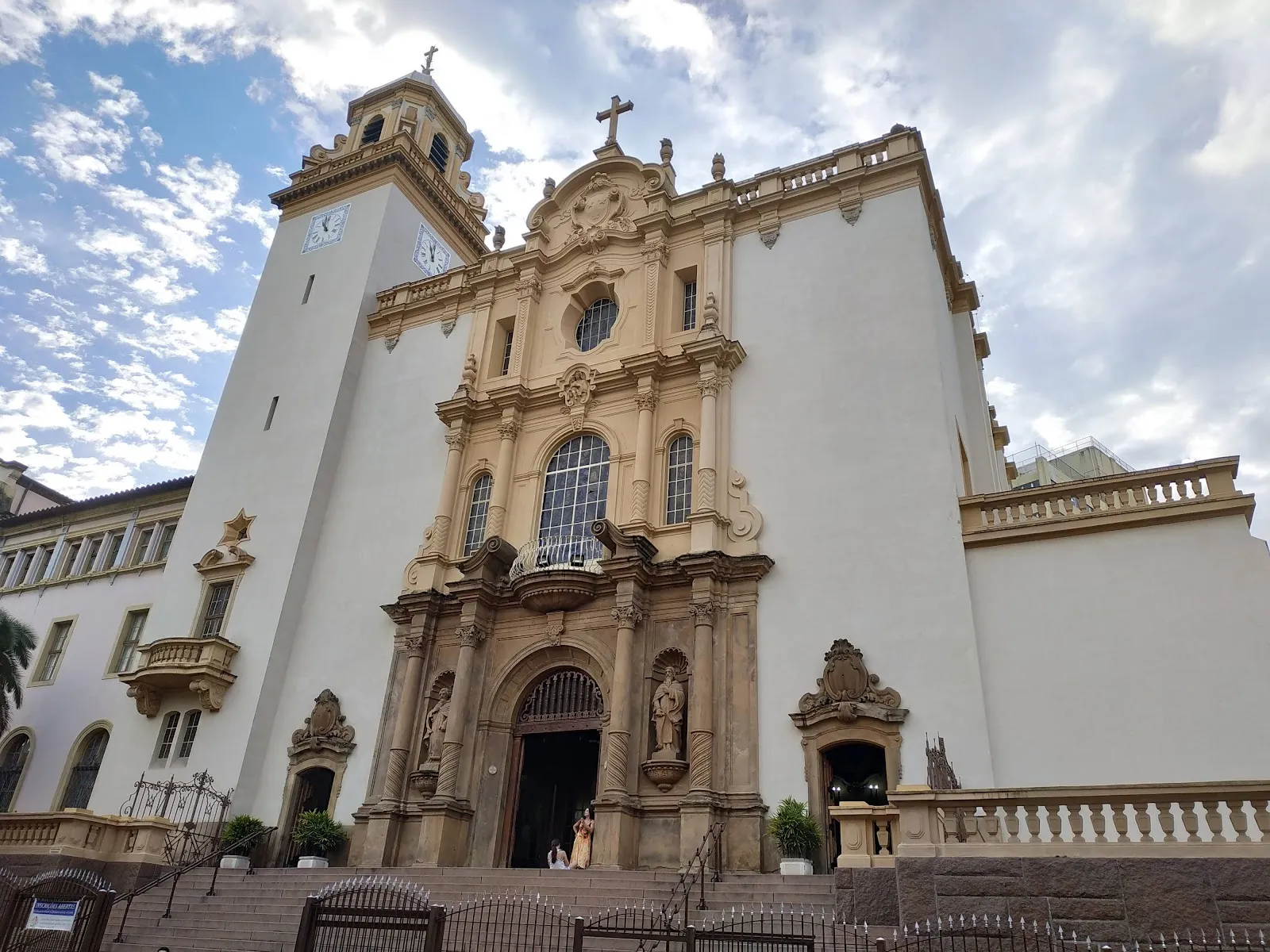
Pinacoteca began in a building originally constructed for São Paulo’s School of Arts and Crafts. The institution opened in 1905 and became a state museum in 1911. Its early history is closely tied to the school and to the building, whose use and development were affected by conflict in 1930 and 1932 as well as later reforms.
The historic structure is part of the visit. Exposed brick, broad galleries and high, light-filled rooms create a contrast between the building’s older fabric and the changing works on display. Some spaces feel open enough to give sculptures room around them, while the galleries support a more traditional close look at paintings and other works.
Brazilian art from the 19th century onward
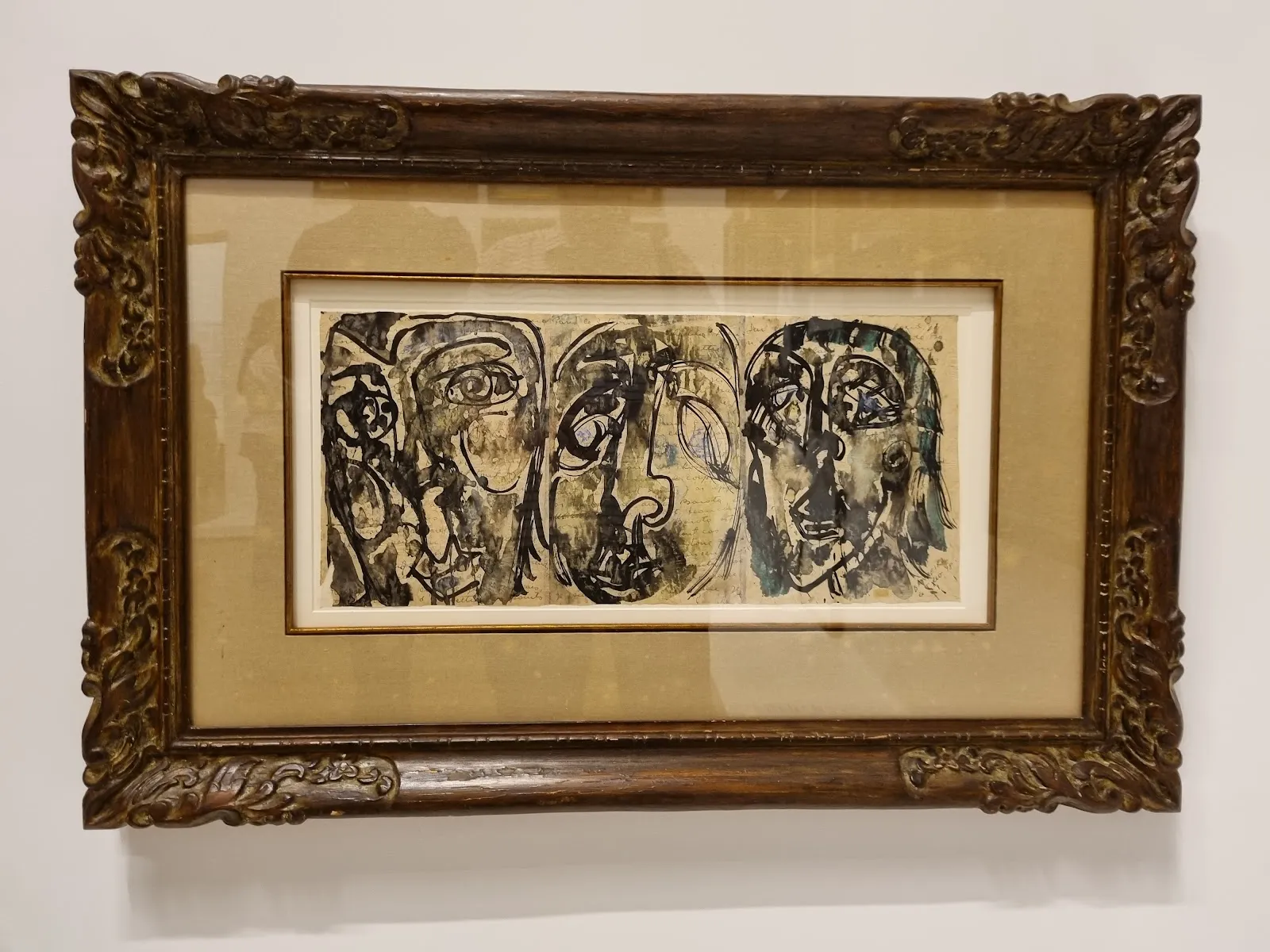
The collection focuses on Brazilian visual art, with works spanning the 19th century to the present. Paintings and sculpture form a major part of the holdings, alongside photography and contemporary work. The displays connect different periods of the country’s artistic history, from colonial-era material through modernism and more recent practices.
Works by Brazilian artists including Candido Portinari, Anita Malfatti and Tarsila do Amaral are among the collection’s named highlights. Sculpture is another reason to take your time in the galleries; one noted work is Raphael Galvez’s statue O Brasileiro. The museum also holds works by international artists, including French sculpture.
Planning time for the galleries
The permanent collection and temporary exhibitions give you two ways to structure a visit. Start with the collection to follow the longer arc of Brazilian art, then leave time for the changing shows, which bring contemporary work into the programme. Exhibition content changes, so check the museum’s website before you go if you have a particular show in mind.
Plan for at least two hours, especially if you want to move through both the permanent displays and temporary exhibitions without rushing. Saturday is the free-admission day. Online tickets are recommended on other days; check the official site for current admission information before setting out.
The Luz district and Jardim da Luz
The museum stands at Praça da Luz in the Luz district, close to Luz station. Its position makes it straightforward to combine with time in the surrounding area, though the museum itself is large enough to be the main focus of an afternoon.
Jardim da Luz is beside the museum and provides a quieter outdoor pause before or after the galleries. The museum also has a café by the park, useful for a short break between looking at the collection and continuing your day.
Perguntas frequentes
What kind of art is at Pinacoteca de São Paulo?
The museum focuses on Brazilian visual art from the 19th century to the present, including paintings, sculpture, photography and contemporary work. It also holds works by international artists.
Is Pinacoteca de São Paulo free to visit?
Admission is free on Saturdays. Tickets are recommended for other days; check the museum’s website for current admission details.
How long should I spend at the Pinacoteca?
Set aside at least two hours to see the permanent collection and temporary exhibitions.
Where is Pinacoteca de São Paulo?
It is at Praça da Luz in the Luz district, near Luz station and beside Jardim da Luz.