
The National Railway Museum is in Port Adelaide, in a former railway yard at 76 Lipson Street. More than 100 exhibits trace Australian rail history, with steam locomotives, diesel engines, carriages and railway equipment across three track gauges. You can walk through some carriages, explore interactive displays and see a working model train. A miniature train ride adds a hands-on stop for children and adults. The collection includes South Australian railway material as well as state, Commonwealth and privately operated railways.
Locomotives, carriages and three gauges
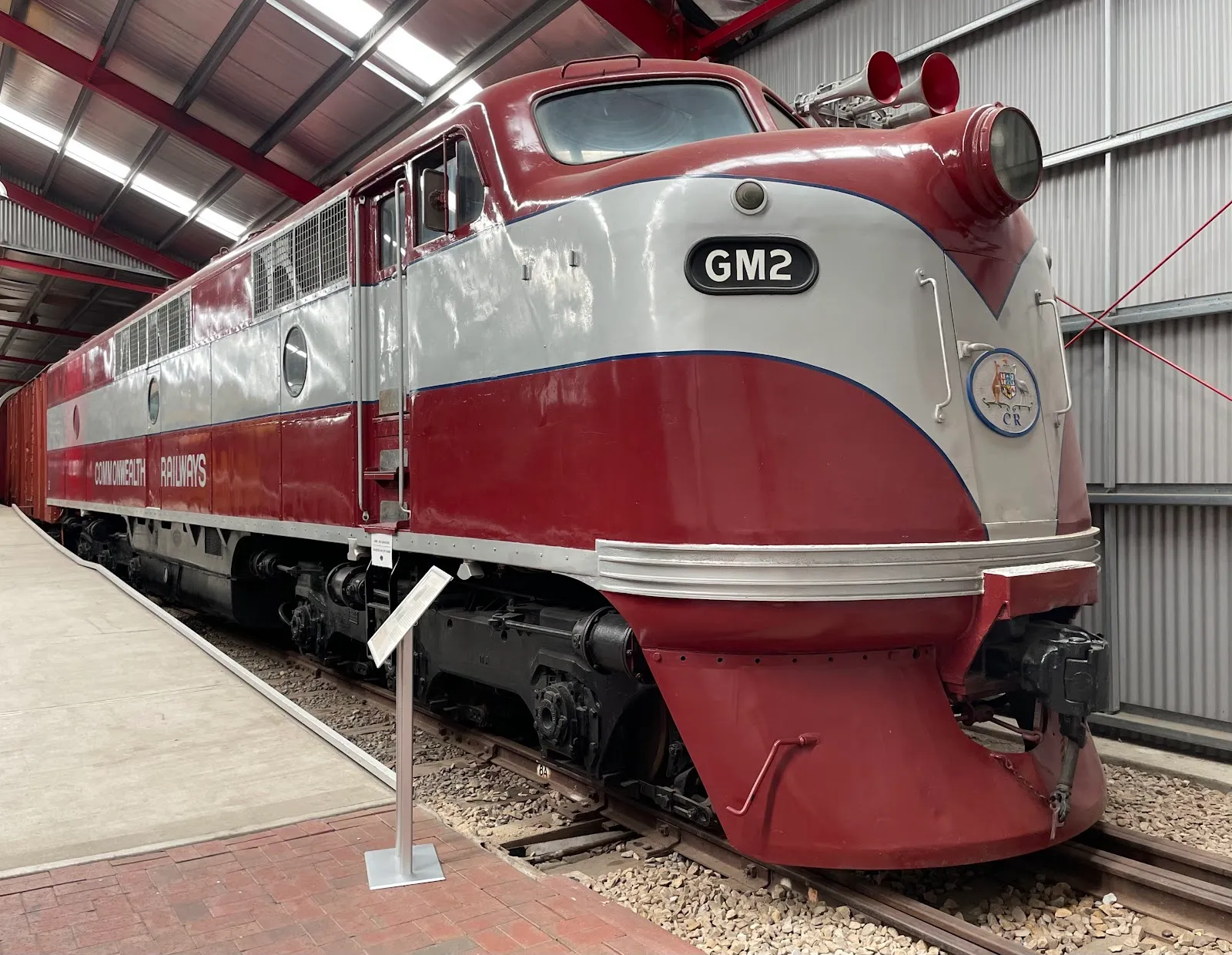
The museum occupies a former railway yard in Port Adelaide. Its collection spans state, Commonwealth and privately operated railways, with more than 100 exhibits housed across two large pavilions and a heritage-listed goods shed dating from the 1870s.
Steam locomotives, diesel engines and carriages show how railway equipment changed over time. Some carriages can be explored from inside, and visitors can climb into the cabs of some engines. The collection represents all three gauges used on Australian railways: narrow, standard and broad. This makes it possible to compare the different track systems through the vehicles and equipment on display.
Among the exhibits is the Tea and Sugar train, which supplied camps across the deserts of South and Western Australia. Large locomotives give a sense of the scale of rail transport, while smaller objects and photographs add detail about how the network operated.
The work behind the railways
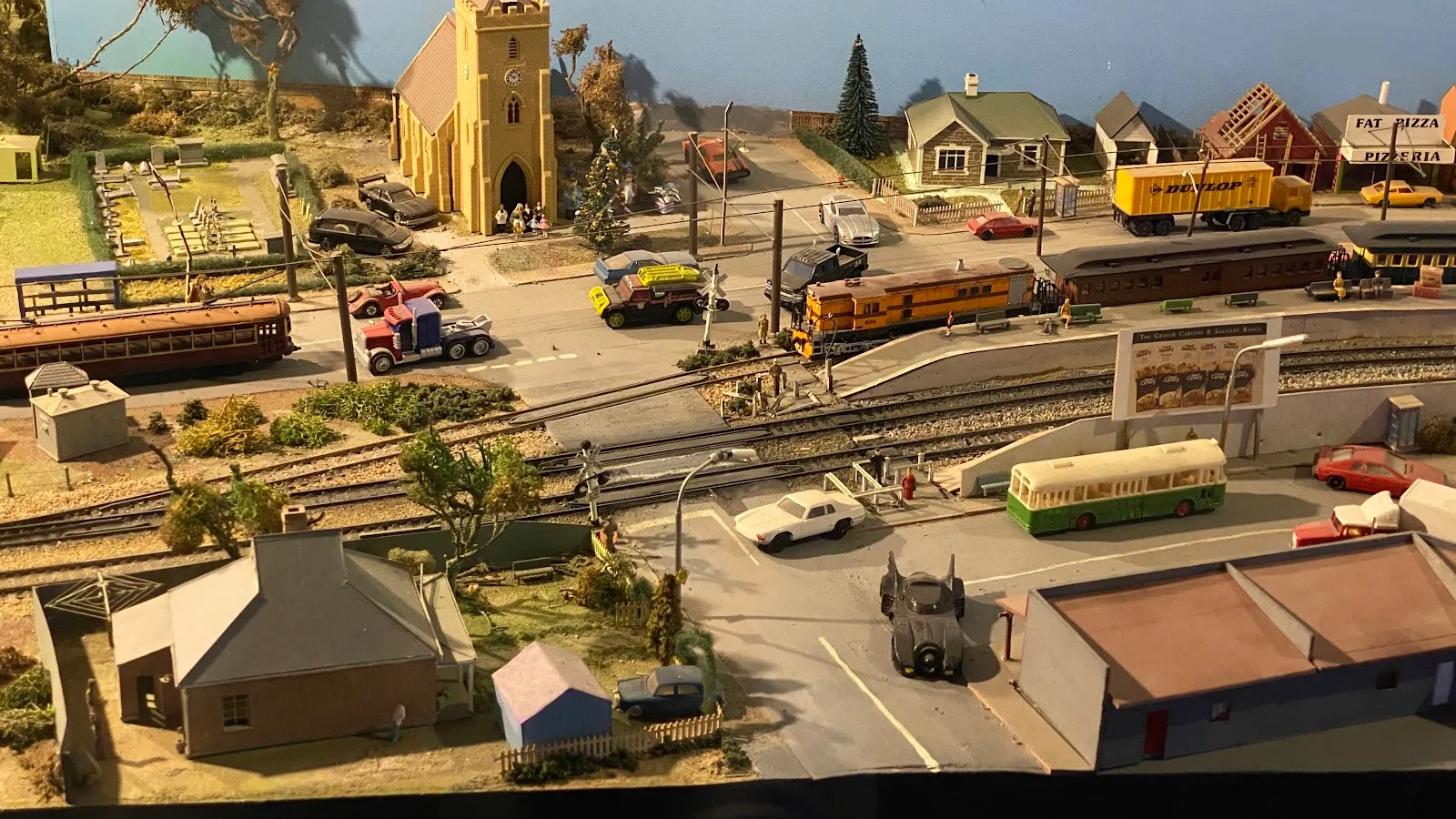
The collection goes beyond engines and passenger carriages. Railway infrastructure exhibits include signalling and telecommunications equipment, along with track components. Together with historic photographs and other artefacts, these displays cover the practical systems that kept trains moving.
A dedicated section examines women's contributions to railway history. Other interactive and educational displays help explain the development of Australian railways and the role they played in life across a large country. A working model train display adds another view of the network on a smaller scale.
Train rides and volunteer-led visits
A miniature railway runs within the museum grounds, giving visitors the option to add a short ride to their time among the exhibits. School holidays can bring extra activities, including train rides. The separate Semaphore to Fort Glanville Tourist Railway follows a coastal route from Semaphore towards Fort Glanville. It operates seasonally, from late October or October through April depending on the published schedule, and carries an additional charge; check current arrangements before setting out.
Volunteers can lead tours or talks about particular exhibits. If you want more context than the display labels provide, ask about these options when planning your visit. The museum also has accessible entry, toilets and parking facilities, as well as a restaurant.
Perguntas frequentes
Where is the National Railway Museum?
It is at 76 Lipson Street in Port Adelaide, South Australia.
What can you see at the museum?
The collection has more than 100 exhibits, including steam and diesel locomotives, carriages, railway infrastructure and displays representing three Australian track gauges.
Can you ride a train at the museum?
A miniature train runs within the museum grounds. A separate tourist railway travels between Semaphore and Fort Glanville seasonally and has an additional charge.
How long should you allow for a visit?
Allow around one to three hours to explore the exhibits and, if you wish, take a miniature train ride.


