On George Washington University’s Foggy Bottom campus, this free museum brings together the university’s history and textile art from around the world. Its galleries explore how fabrics are made, the natural fibers behind them and the cultural stories carried by garments, rugs and other works. Look for displays on early Washington, DC, as well as textiles from Asian and South American traditions. The museum is compact and quieter than the city’s largest museums, so it suits a focused visit; leave time to browse the shop’s handmade goods and books.
Textile art and how it is made
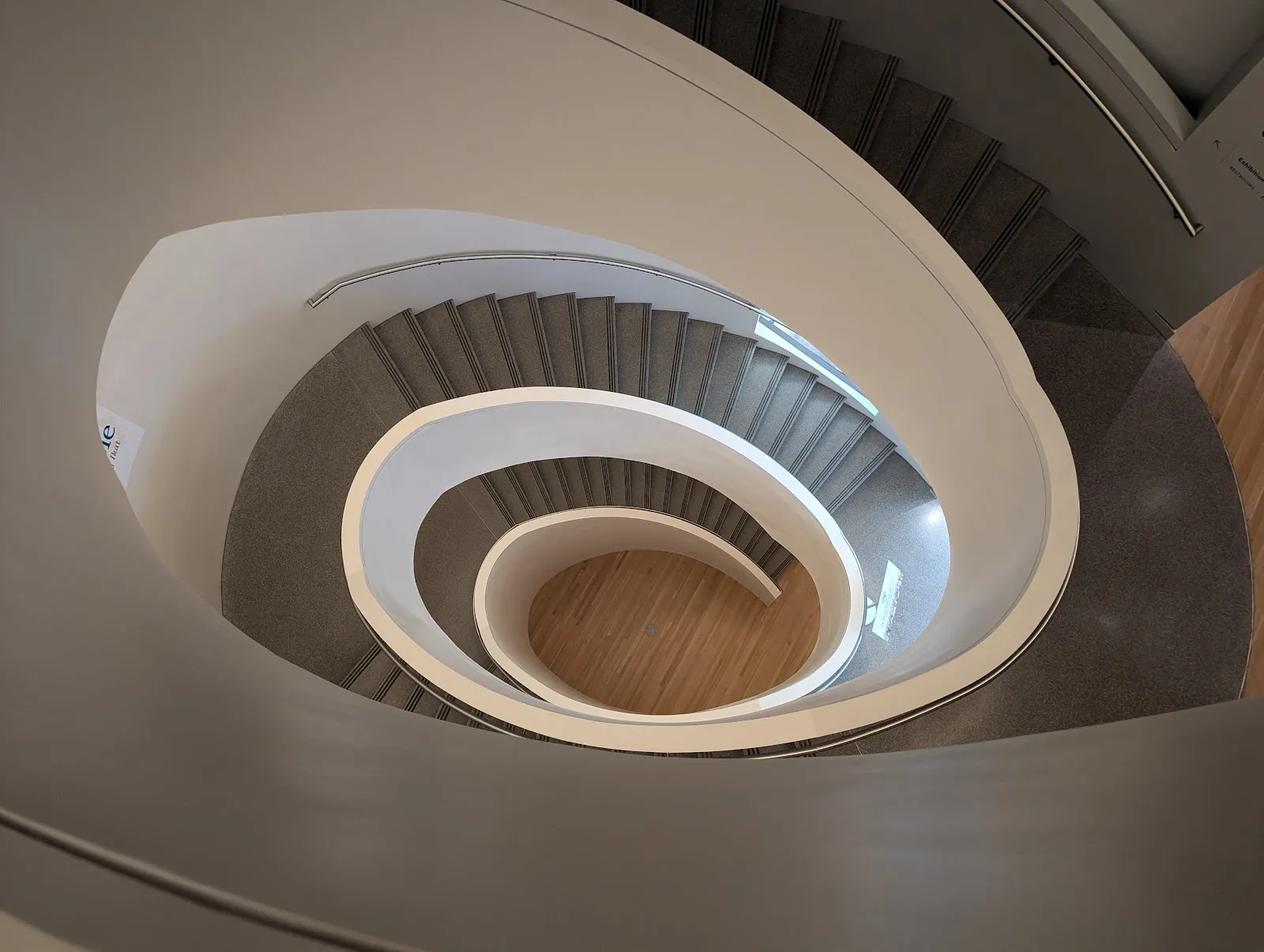
The Textile Museum opened in 1925 and moved to George Washington University’s Foggy Bottom campus in 2015. Its displays bring together textile traditions from around the world, with works spanning cultures and materials. The collections include South American and Asian textiles, among others.
Textile-making is part of the story as well as the finished work. A display introducing the subject uses samples and reference books to explain how textiles are made. Exhibition text also addresses natural fibers and the cultural and environmental effects associated with different materials.
The university museum and its collections
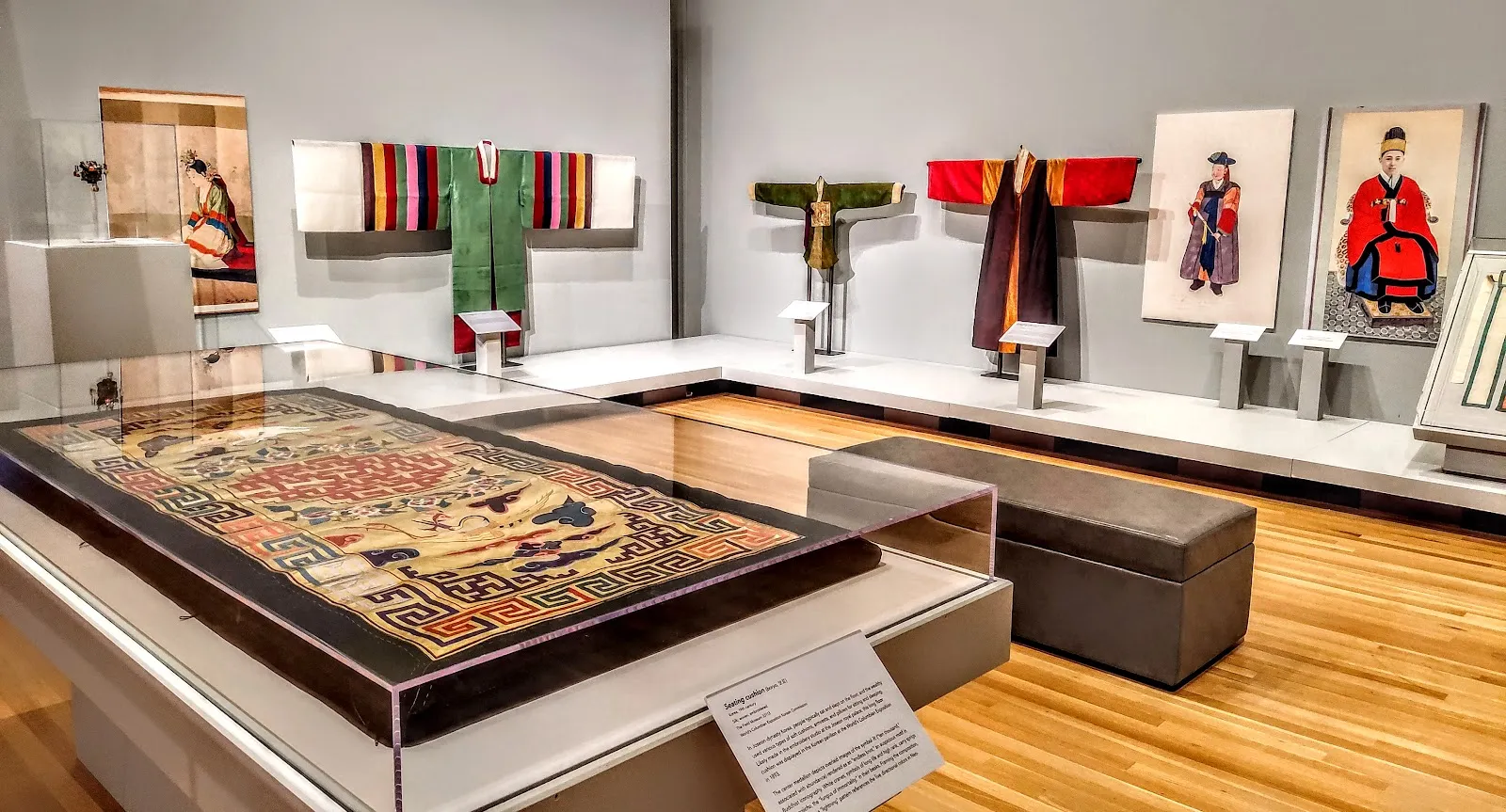
The museum combines textile art with exhibitions about George Washington University and Washington, DC. One collection focuses on the city’s history and includes a painting by Peter Waddell imagining Washington and Pierre L’Enfant’s plans for the early city. Displays of robes, carpets and other objects offer another way to explore the range of material on view.
The museum’s library holds books on textiles and serves as a resource for people studying fabrics, fashion and textile traditions. The shop continues the museum’s focus on craft through handmade items, books, scarves, jewelry and stationery. Staff can provide information about how some of the pieces for sale are made.
Häufige Fragen
Is admission free?
Yes. Admission is free.
How long should I plan for a visit?
Plan for about 30 to 60 minutes. The museum has three floors of exhibits, so allow longer if you want to spend time with the collections.
Is there a café inside the museum?
No. Cafés are nearby on campus and in the surrounding residential area.
Are lockers available?
Yes. Free lockers are available for backpacks.