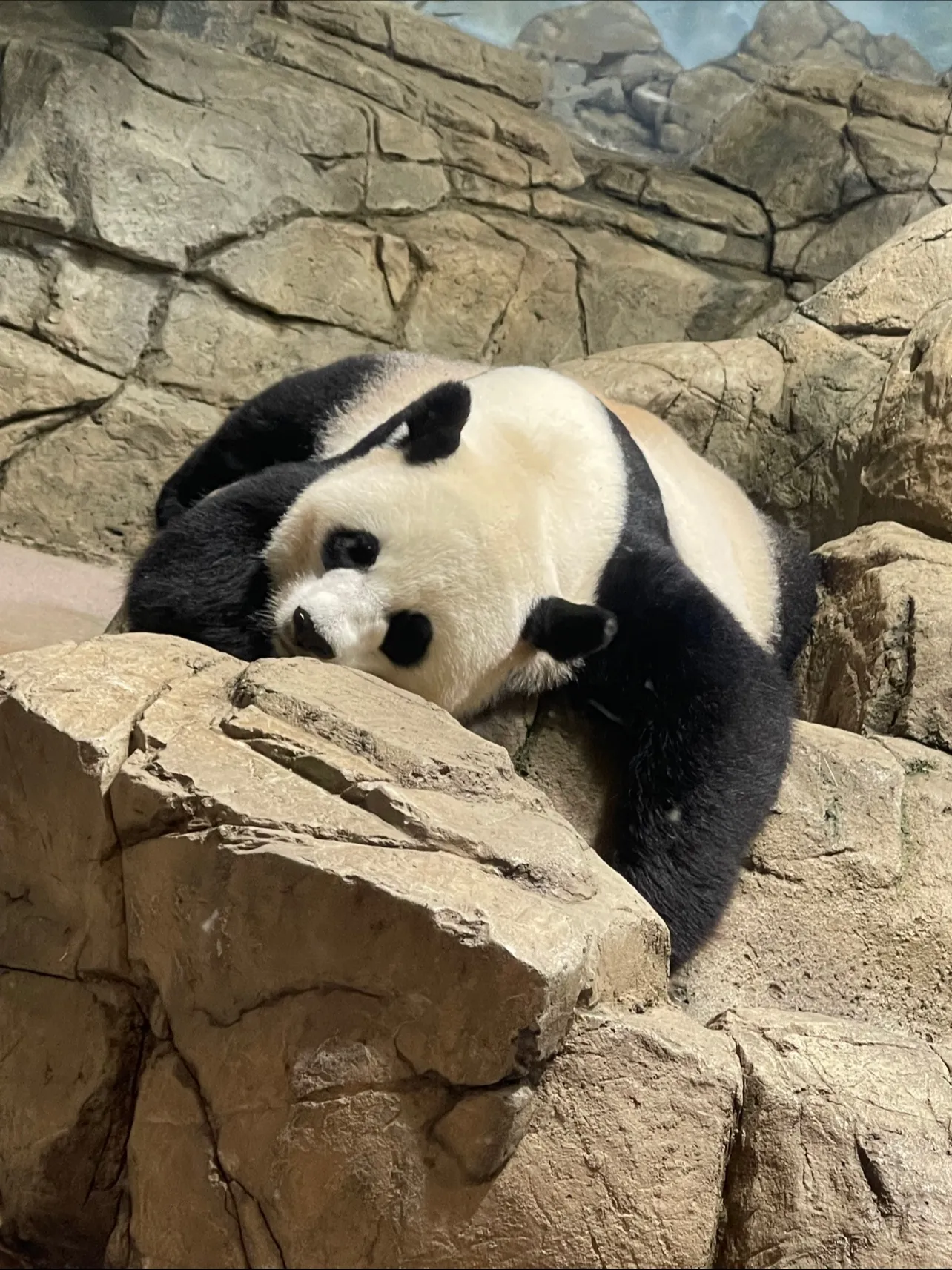
Smithsonian National Zoological Park is a free zoo in Washington, DC, set among the wooded slopes of Rock Creek Park. Its giant pandas, Bao Li and Qing Bao, draw many visitors, while the Asia Trail also has red pandas, clouded leopards, sloth bears and fishing cats. Elsewhere, look for elephants, lions, otters and orangutans, which travel between enclosures on an elevated cable. The grounds are large and hilly, so plan time for walking. Families can also visit the Kids’ Farm, where children meet farm animals.
A zoo shaped by its wooded setting
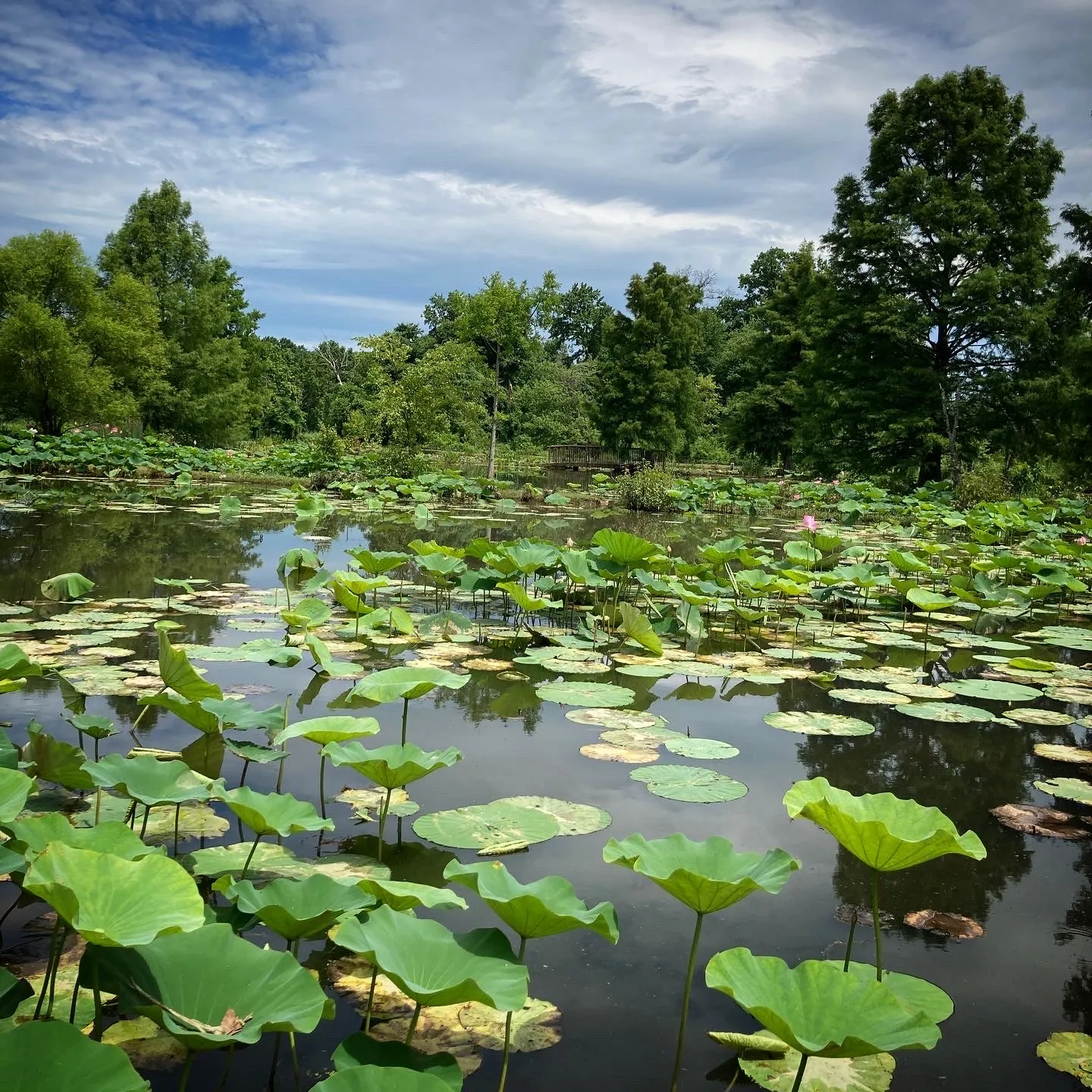
The National Zoological Park opened in 1889 with a purpose that joined public learning and recreation with the advancement of science. Its Washington grounds cover 163 acres within Rock Creek Park. Landscape architect Frederick Law Olmsted planned a park-like setting, with a broad, gently curving route and rustic buildings placed within the wooded surroundings.
The zoo is part of the Smithsonian Institution. Its conservation work includes efforts to breed and protect endangered species, alongside public education about animals and conservation. The Smithsonian Conservation Biology Institute, which works with the zoo, is based at a separate complex in Front Royal, Virginia.
Pandas and the Asia Trail
The giant pandas are the zoo’s most familiar residents. Bao Li and Qing Bao arrived from China on loan in January 2025. The panda exhibit connects with the Asia Trail, where you can also look for red pandas, clouded leopards, sloth bears and fishing cats.
The animals’ activity can depend on the season and weather, so a quiet enclosure does not necessarily mean an animal is absent. If you want to learn more as you walk, the zoo’s free Animal Adventure Guide has nine stops, with information about animals at each location.
O-Line, otters and the Kids’ Farm
Along the O-Line, orangutans use a suspended cable to travel between enclosures above visitors. The route gives you a chance to watch their movement overhead. Another place to pause is the otter habitat, with a waterfall-fed stream and rocks where the animals can swim and climb.
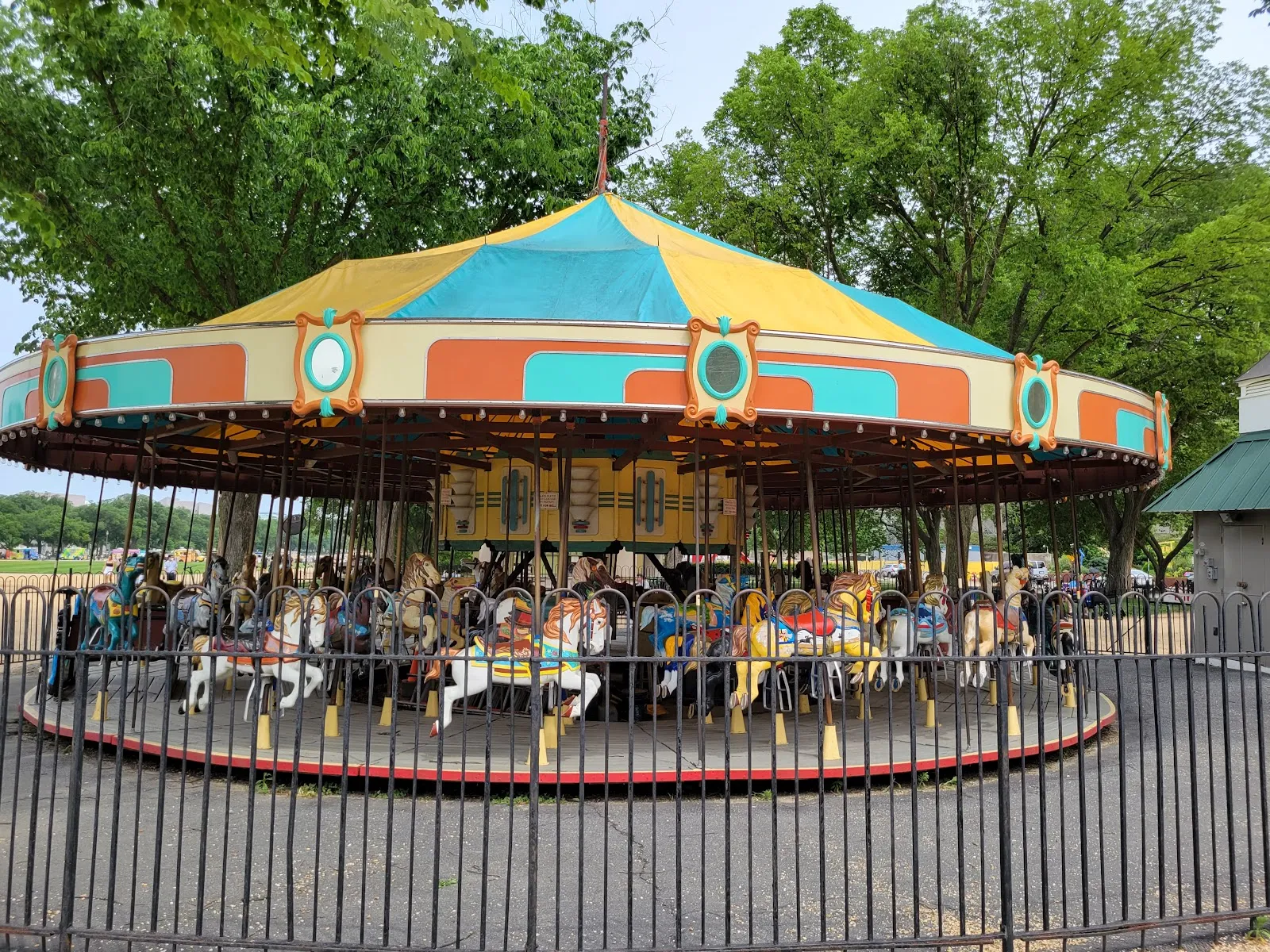
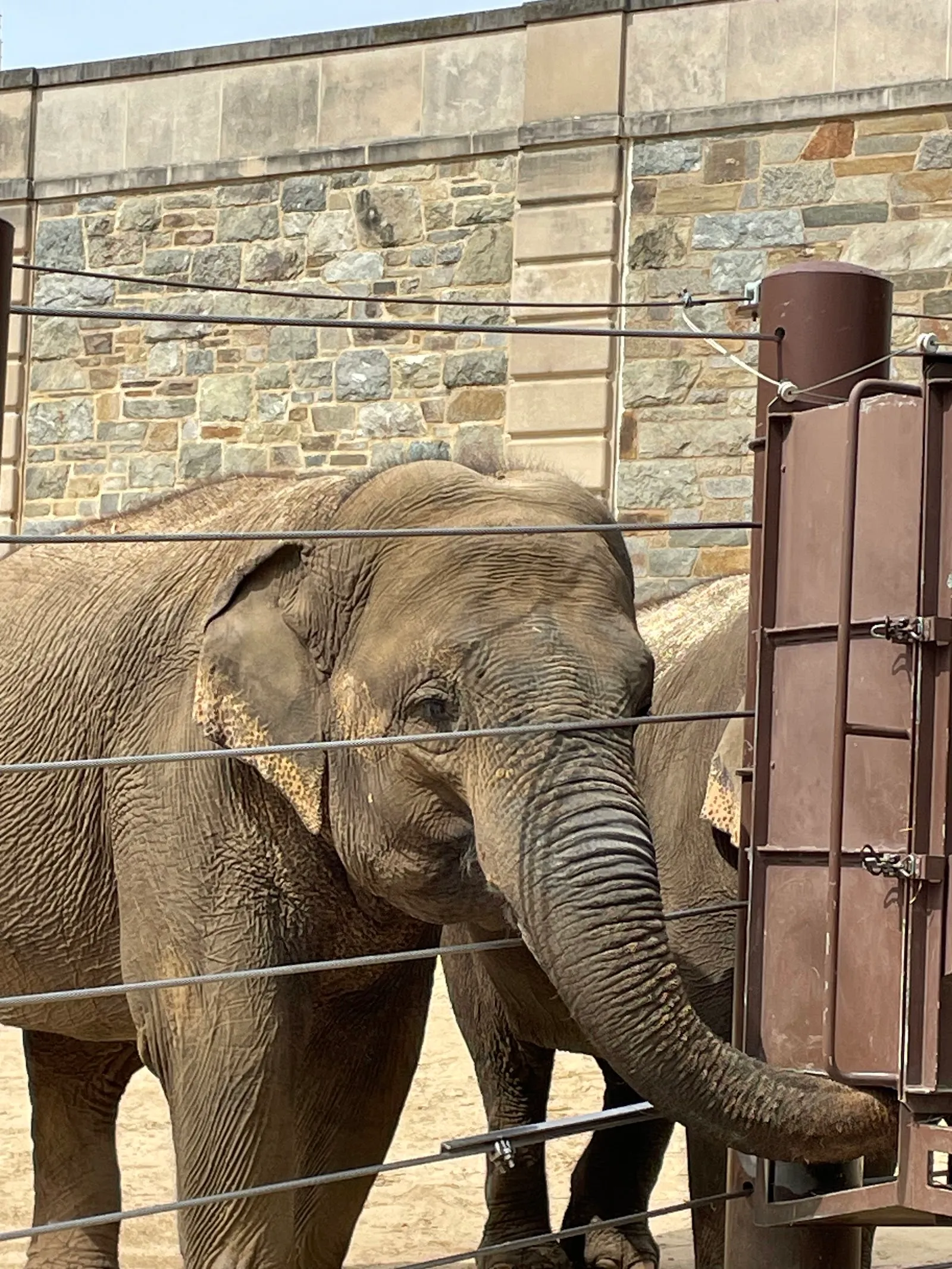
The zoo’s collection includes elephants, big cats, birds, reptiles, amphibians and insects. At the Kids’ Farm, children can meet farm animals including cows and alpacas. The zoo also has a bee-themed playground and a carousel that charges a small fee. Check the zoo’s current visitor information for details about exhibits and activities before setting out, as areas can change or undergo work.
Getting around the grounds
The zoo’s paths run over hilly ground, and walking from one area to another takes effort. A route that begins at the main entrance and heads downhill can reduce some uphill walking. Allow extra time if you are visiting with young children or want to stop at several exhibits.
The size of the grounds makes it easy to miss sections if you do not keep track of your route. The Animal Adventure Guide offers a simple way to follow a set of stops, while the zoo’s online family guide can help with planning. Bring a stroller for small children if needed; strollers and electric scooters are also available to rent, according to the zoo information included here.
Häufige Fragen
Is admission to the Smithsonian National Zoo free?
Yes. Admission is free, but visitors should reserve a timed-entry pass online.
How long should you spend at the National Zoo?
Plan on about 3 to 4 hours for a walk around the grounds and several animal exhibits.
Is the National Zoo hilly?
Yes. The paths include hills and uphill stretches, so comfortable walking shoes are useful.
Can you bring food into the National Zoo?
Yes. Outside food is allowed, which can be useful if you want to bring snacks or a meal.