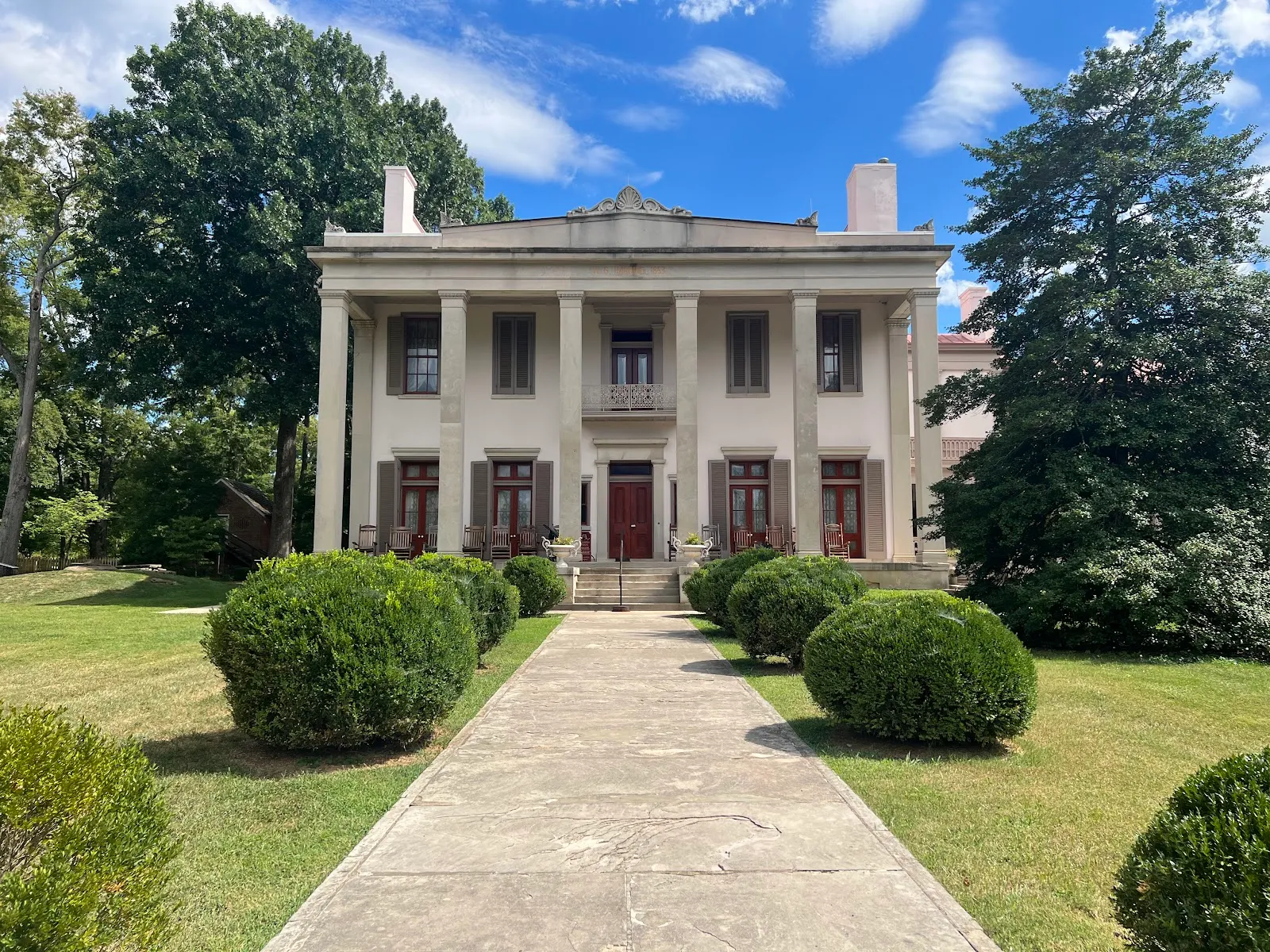
Belle Meade Historic Site & Winery is a former plantation and thoroughbred horse farm at 5025 Harding Pike in Nashville. The 30-acre site brings together an 1853 Greek Revival mansion, historic outbuildings and a winery. A guided mansion tour traces the estate’s history, including the lives of the enslaved people held there; Journey to Jubilee focuses on their experiences and the years after Emancipation. Leave time to walk the grounds, then visit the winery to taste or buy wines made with grapes such as muscadine and blackberries.
From a cabin to a thoroughbred estate
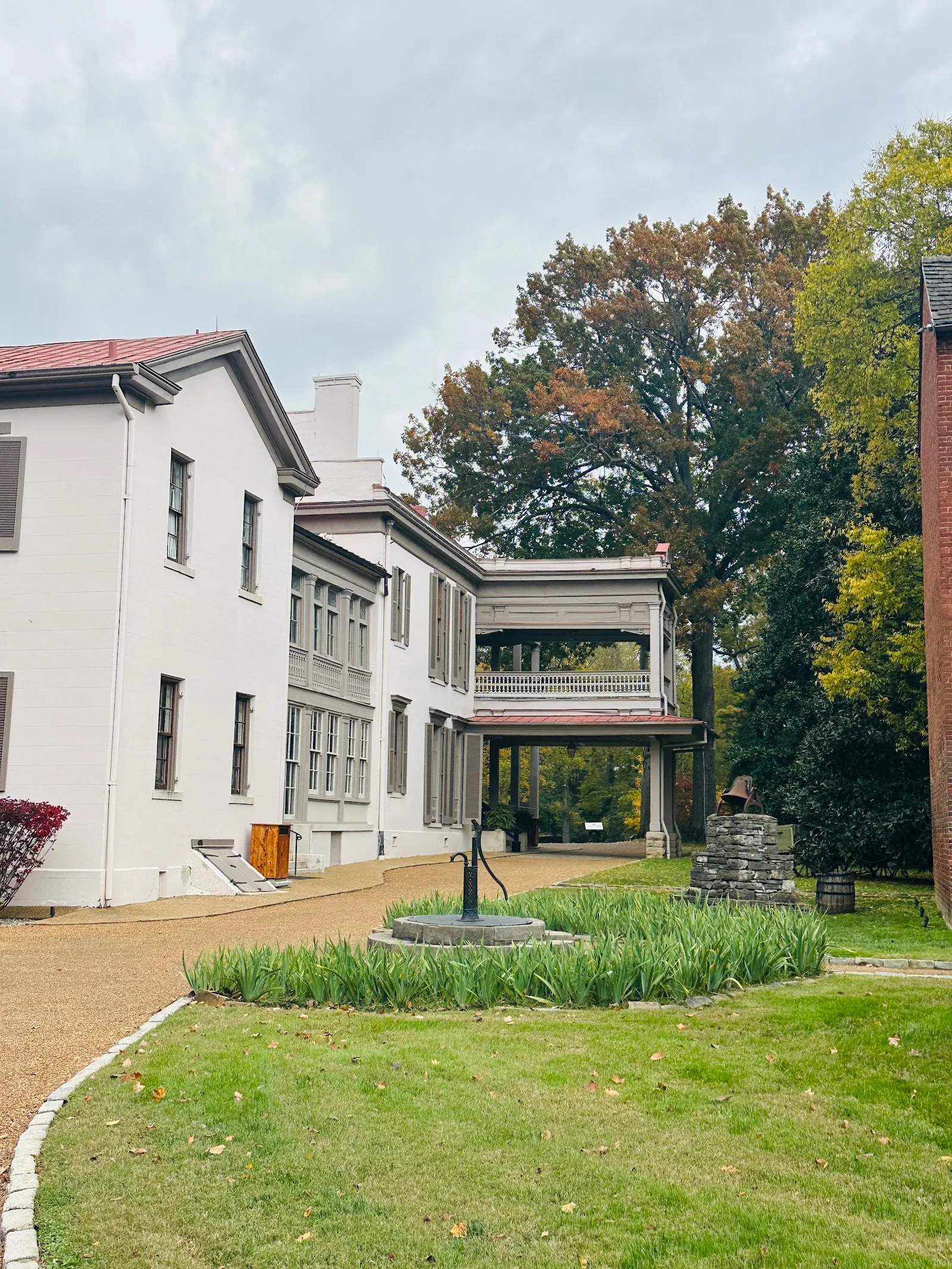
John Harding began developing Belle Meade in 1807, starting with a log cabin and land used for farming and horse breeding. The estate expanded over the 19th century, eventually becoming a major thoroughbred farm and nursery. Its horses helped establish Belle Meade’s reputation in the American racing world, and buyers included Kaiser Wilhelm II of Germany.
The mansion visitors see today was completed in 1853 for William Giles Harding, who expanded the earlier family home with a Greek Revival design. By the late 19th century, the wider estate covered thousands of acres. It was sold in 1904; the historic site now preserves 30 acres, including the mansion and several outbuildings.
The mansion and its grounds
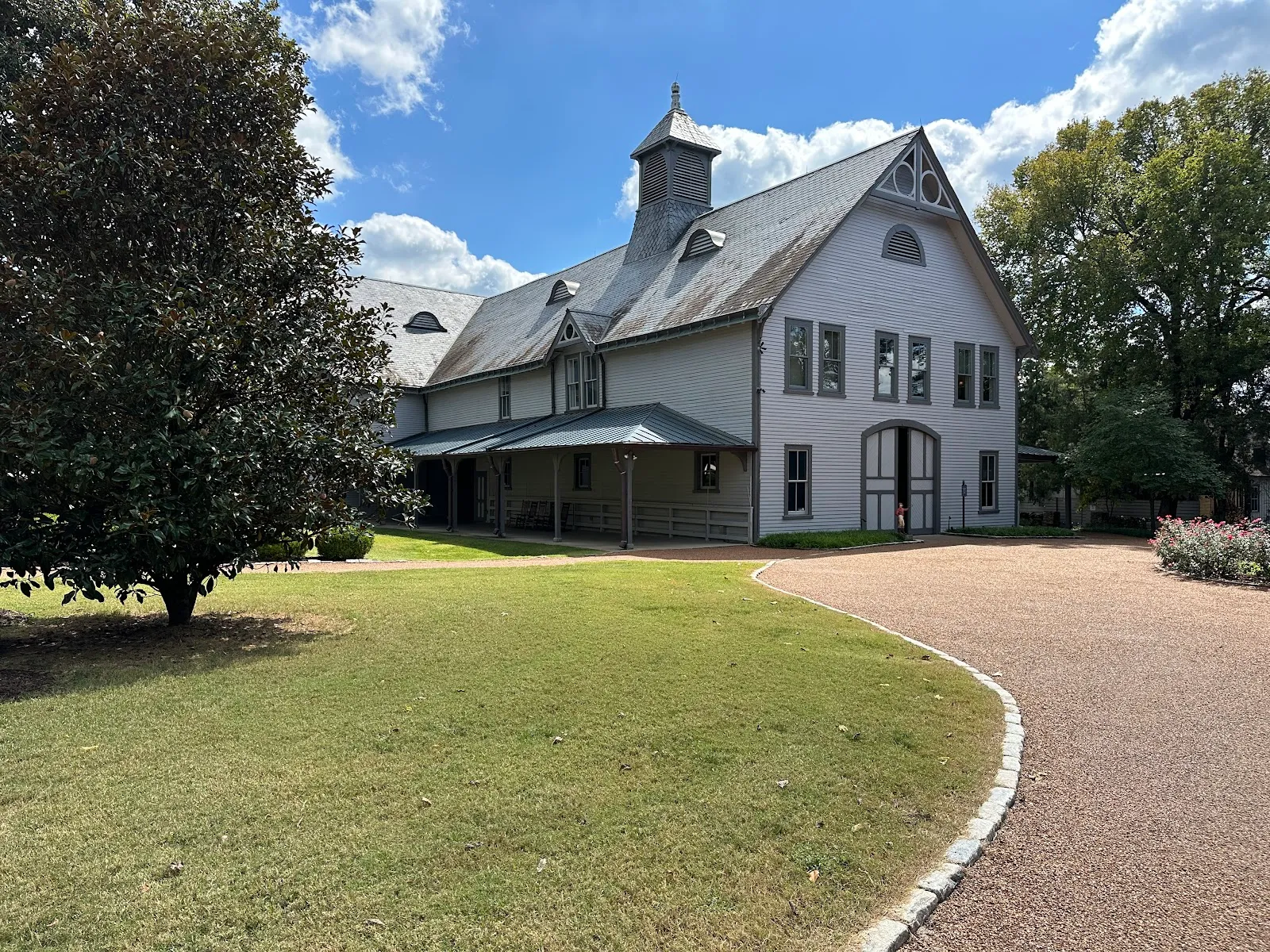
The Greek Revival mansion anchors a collection of historic buildings. The grounds include an 1890 carriage house and stable, a smokehouse, a mausoleum and a log cabin dating to about 1790, among the oldest surviving structures in Tennessee. The estate’s buildings and landscaping offer a sense of how the property changed from its early beginnings into a large horse-breeding operation.
The house also bears marks associated with the Civil War Battle of Nashville, fought in 1864. Gunfire damage can still be seen on its stone columns. During a visit, take time to look beyond the mansion itself: the outbuildings help explain the work that sustained the estate.
Choosing a tour
The Mansion Tour covers the property’s history, buildings and business, including the Harding and Jackson families and the enslaved people whose labor was central to the plantation. It gives visitors a route through the mansion and its place in Belle Meade’s development as a horse farm.
Journey to Jubilee examines the lives of African-Americans who were enslaved at Belle Meade, from the plantation’s early years through the period after Emancipation. The tour is part of an ongoing effort to research and interpret their experiences. If this history is central to your visit, choose Journey to Jubilee; the two tours approach the site from different perspectives.
Wine and time outdoors
Belle Meade’s winery operates on the historic property, where you can taste or purchase wines made with Southern grapes. Muscadine and blackberry blends are among the varieties associated with the winery. The grounds also include gardens and open areas for a walk between tours.
There are additional stops beyond the formal historic buildings, including a candy counter, an ice cream cafe and a backyard games area. Special events, such as wine and food pairings, may add another reason to check the site’s calendar before you go.
Häufige Fragen
What is Belle Meade Historic Site & Winery?
It is a historic Nashville estate with an 1853 Greek Revival mansion, surviving outbuildings and an on-site winery. Belle Meade began as a plantation and became a prominent thoroughbred horse farm.
Which tours are available at Belle Meade?
The Mansion Tour covers the estate’s history, buildings and operations. Journey to Jubilee focuses on the lives of enslaved African-Americans at Belle Meade and the years following Emancipation.
What wines can you taste at Belle Meade?
The winery has wines made with Southern grapes, including muscadine and blackberry varieties. You can taste or purchase wine there.
How long should you allow for a visit?
Allow about 2 to 3 hours for a tour and time on the grounds. The site includes the mansion, historic outbuildings and winery.