At Baltimore’s Inner Harbor, the Maryland Science Center turns science into something you can test, touch and explore across three floors. Try a simulated dinosaur dig, follow exhibits on the Chesapeake Bay and the human body, or see how physics works in Newton’s Alley. The Davis Planetarium and five-story IMAX theater add shows to the visit. With activities for young children as well as older visitors, it suits families and curious adults; allow time to explore rather than rushing between galleries.
A science institution with deep roots
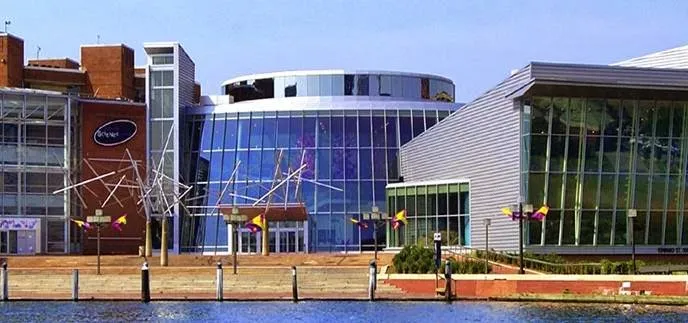
The center traces its history to the Maryland Academy of Sciences, founded in 1797. The institution began as a gathering place for people interested in science; today, it welcomes visitors to a modern building beside Baltimore’s Inner Harbor. The current center opened to the public in 1976, and a major renovation and expansion was completed in 2004.
Its three floors bring together subjects that range from the natural world to physics and space. The galleries are designed for active exploration, with displays that invite visitors to experiment and take part rather than simply read information. The center also runs presentations and hands-on programs for different ages.
From dinosaur digs to the Chesapeake Bay
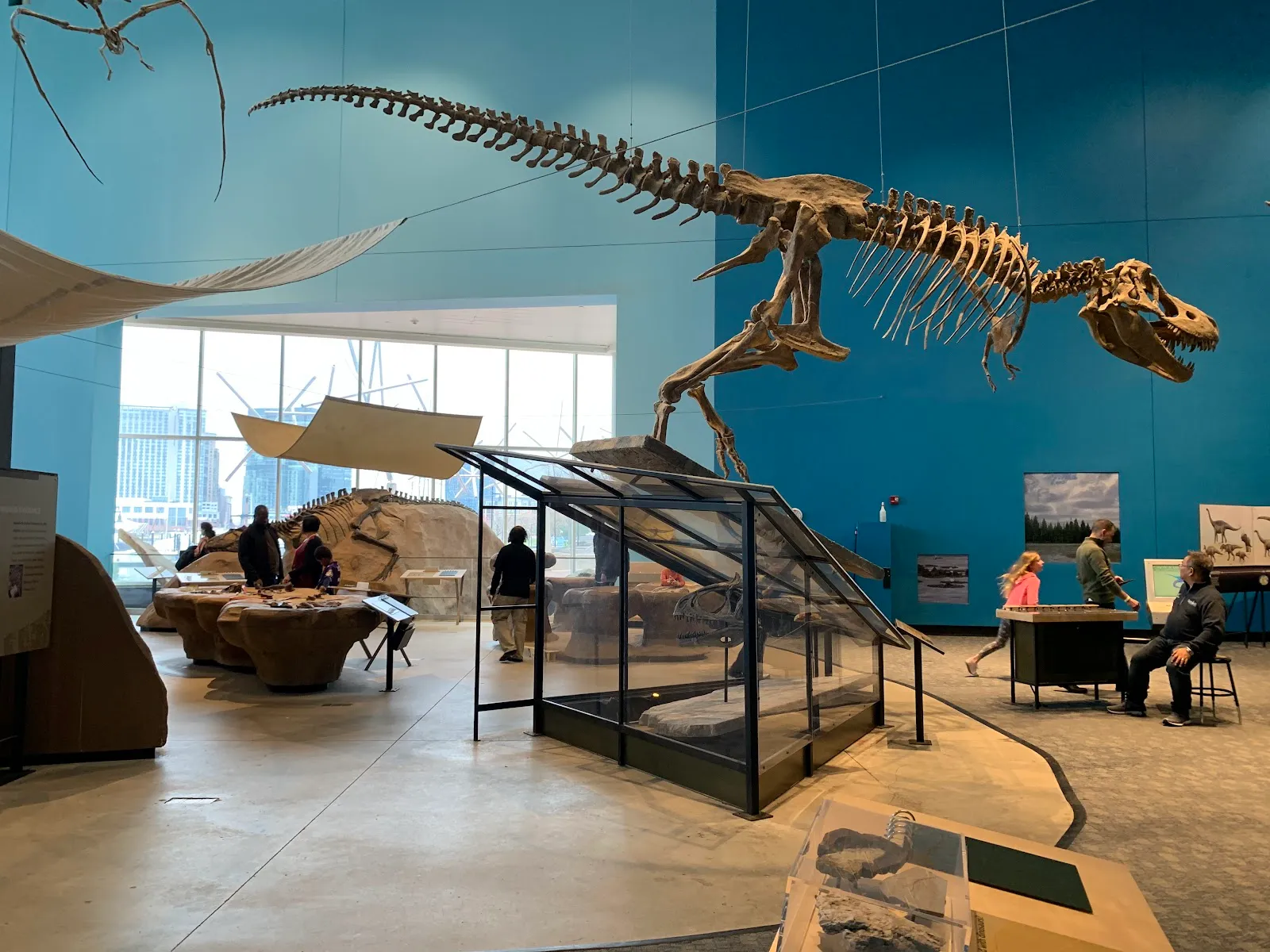
At Dinosaur Mysteries, visitors can try a simulated paleontological dig and explore displays about prehistoric life. Other exhibits take on Earth science, the human body, cells and outer space. Newton’s Alley focuses on physics, while Follow the Blue Crab connects the Chesapeake Bay’s wildlife with the region. Live turtles, fish and crabs are among the animals visitors can see in the center’s Chesapeake Bay displays.
The hands-on approach continues in the lab spaces. The Shed and SciLab include activities that encourage audience participation. For younger children, the Kids Room provides an area created especially for them. Exhibits also include playful challenges and activities that let visitors engage with scientific ideas through doing.
Planetarium, IMAX and access
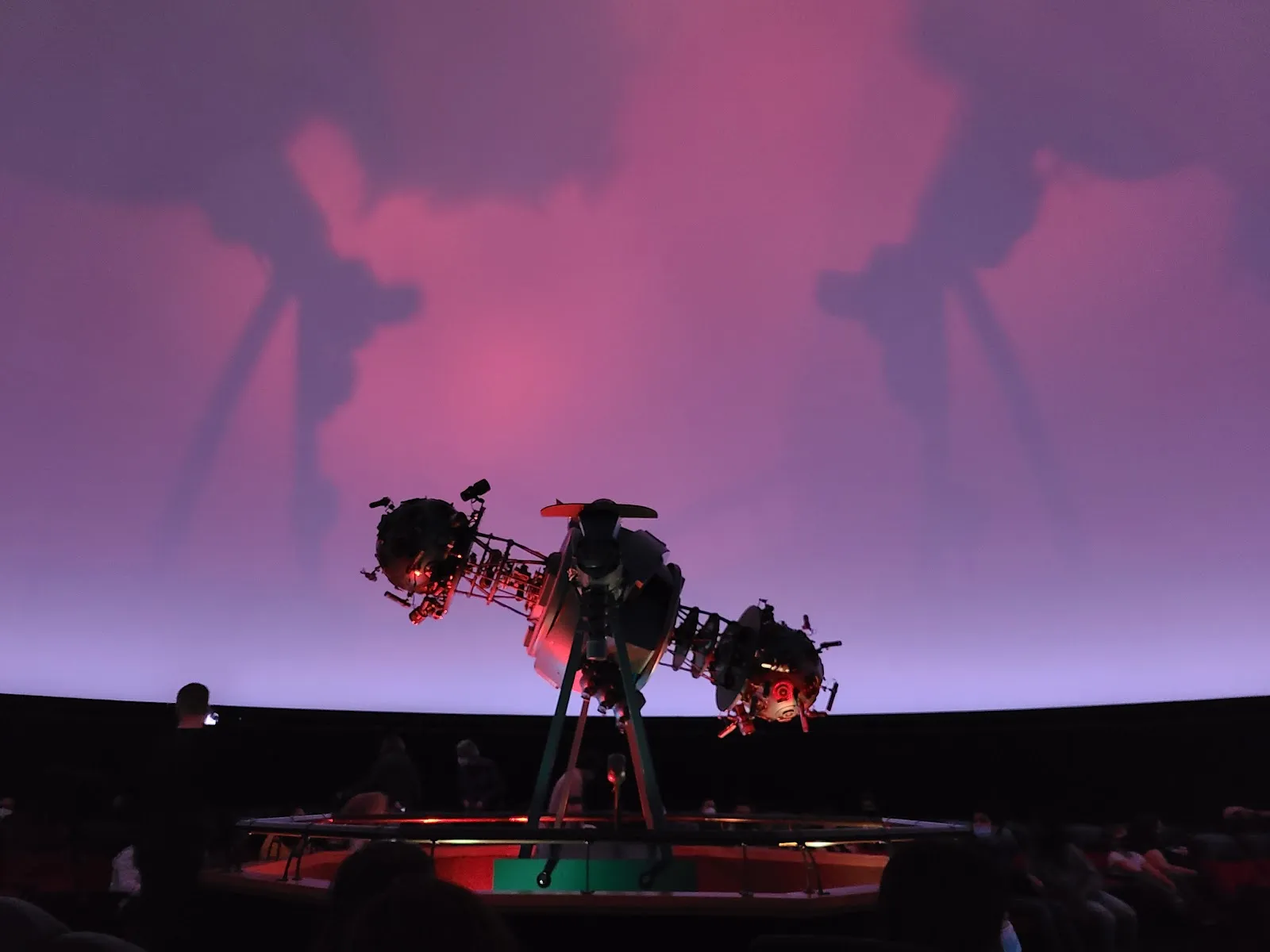
The Davis Planetarium presents shows beneath a domed ceiling, with programs focused on the night sky and space. The center’s IMAX theater has a screen five stories high. These are separate experiences from the gallery floors, so check the current program when planning what to include.
The center provides accessibility support that includes braille exhibit guides, large-print materials and sensory items such as weighted lap covers and tactile toys. The building has wheelchair-accessible entrances, restrooms and parking. Tickets in advance are recommended. If you are driving, paid parking is available nearby, and the cafe may discount parking when you validate there.
Häufige Fragen
How long should you spend at the Maryland Science Center?
Plan for about three hours to explore the exhibits. Add time if you want to attend a planetarium show or see an IMAX film.
Is the Maryland Science Center suitable for young children?
Yes. The center has hands-on exhibits and a Kids Room designed for younger children.
What can you see at the Maryland Science Center?
Exhibits cover subjects including dinosaurs, the Chesapeake Bay, Earth science, physics, the human body and outer space. The center also has a planetarium and an IMAX theater.
Is the Maryland Science Center wheelchair accessible?
The center has wheelchair-accessible entrances, restrooms and parking. Accessibility aids include braille guides, large-print materials and sensory items.


