
In Kansas City’s historic 18th & Vine district, the American Jazz Museum traces the music’s history through exhibits, films, photographs and personal objects. See Charlie Parker’s saxophone and items connected with artists such as Ella Fitzgerald, Duke Ellington and Louis Armstrong, then explore listening stations and interactive displays that let you hear and work with the music. The Blue Room, a jazz club inside the museum, brings the story into the present with live performances. You don’t need prior knowledge of jazz to follow the exhibits.
Jazz history in 18th & Vine
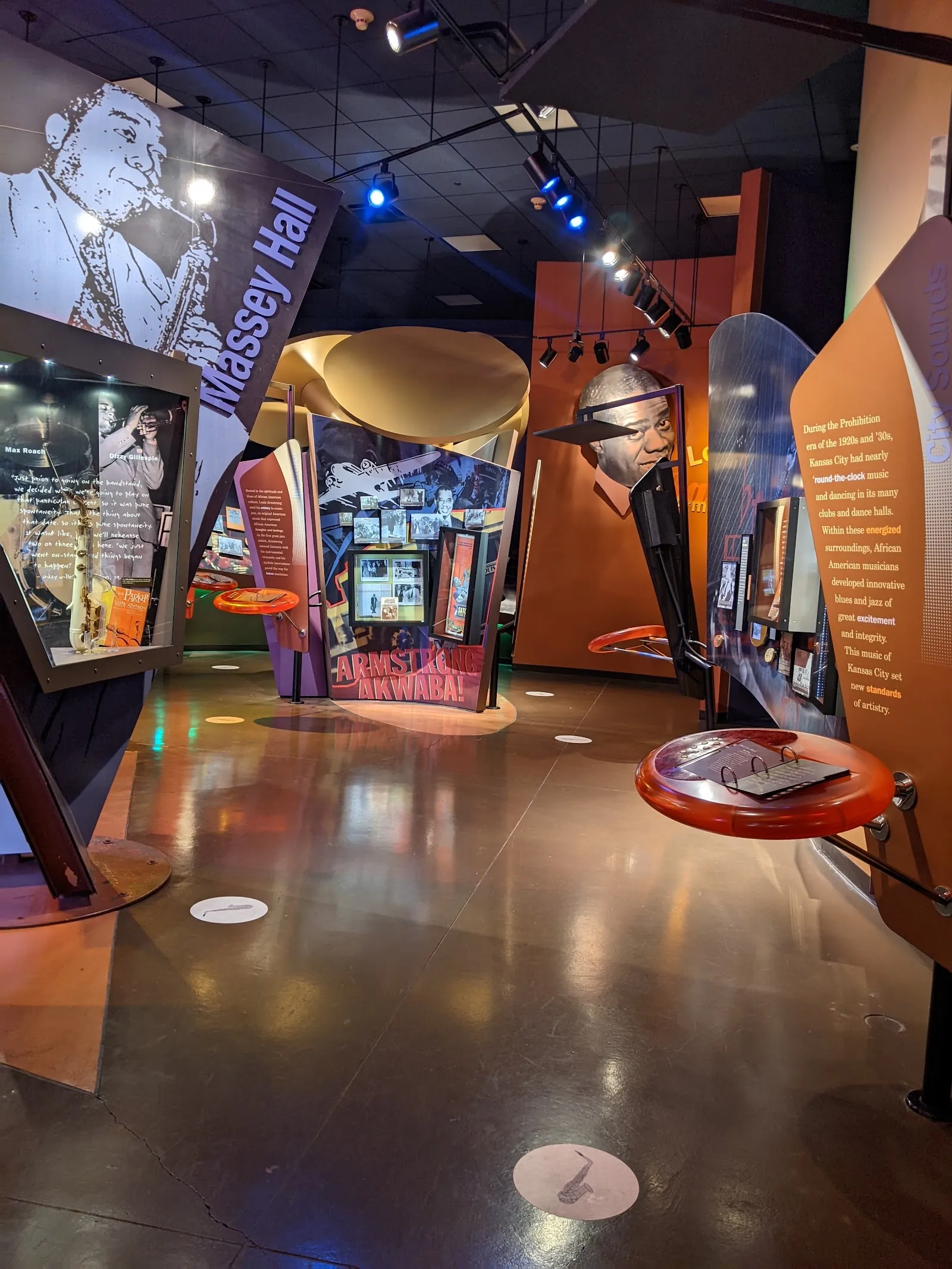
The American Jazz Museum is in Kansas City’s historic 18th & Vine district, an important center of African-American culture and business in the first half of the 20th century. The neighborhood’s clubs helped shape a lively local music scene, with musicians including Charlie Parker, Count Basie and Big Joe Turner connected to the area.
The museum follows jazz through its artists, sounds and objects. Exhibits cover musicians such as Louis Armstrong, Duke Ellington, Ella Fitzgerald and Charlie Parker, alongside material that helps place the music in Kansas City’s history. Photographs, posters, sheet music and personal belongings give the displays a physical link to the performers and their work.
Listen, watch and explore
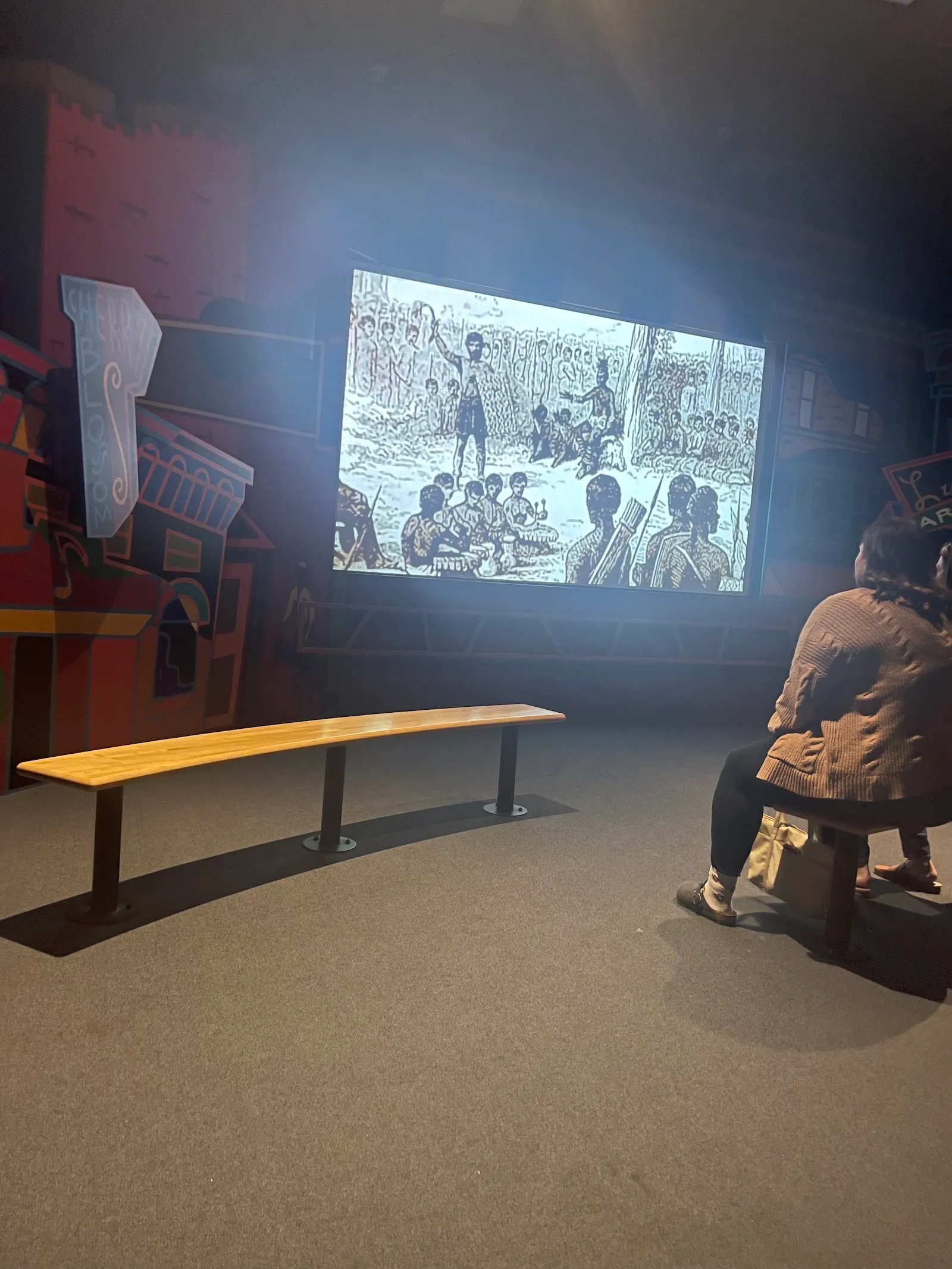
Listening stations let you hear jazz while you move through the exhibits. Interactive screens and audio displays provide more ways to explore the musicians and the music; some stations play recordings related to the material on display. Films and a changing gallery add to the museum’s exhibits.
Look for Charlie Parker’s saxophone and a sequined gown associated with Ella Fitzgerald. The displays also include original photographs, album covers and other memorabilia. In the interactive music-mixing area, you can experiment with combining musical parts. The exhibits are designed for newcomers as well as people who already know the musicians and styles, so there is no need to prepare before visiting.
The Blue Room and live jazz
The Blue Room is a working jazz club inside the museum. Its performances connect the historical exhibits with live music, including sets by local and visiting musicians. Performance schedules vary, so check the club’s calendar if a show is part of your plan.
The museum also hosts educational programs, community events and special exhibitions. If you want to focus on the collections, set aside time for the listening stations and interactive displays. If you would like to hear jazz performed live, plan around a Blue Room event; a museum visit and a club performance are separate parts of the experience.
Planning your visit
The museum is at 1616 E 18th St in the 18th & Vine district. Its exhibits suit a range of visitors, from families and students to solo travelers and music fans. A typical visit takes about one to two hours, with extra time needed if you want to explore the audio displays in depth or attend a performance.
Weekday mornings are a sensible time to visit if you prefer a quieter museum. The area can be affected by construction, so be prepared for parking that may involve walking a couple of blocks. The museum has a wheelchair-accessible entrance, restroom and parking.
Häufige Fragen
How long should I spend at the American Jazz Museum?
Plan for about one to two hours to see the exhibits and use the listening stations. Allow more time if you also plan to attend a Blue Room performance.
Can you hear live jazz at the American Jazz Museum?
Yes. The Blue Room, inside the museum, is a working jazz club that hosts live performances. Check its calendar for the schedule.
What can you see at the American Jazz Museum?
Exhibits cover jazz musicians including Charlie Parker, Ella Fitzgerald, Duke Ellington and Louis Armstrong. Displays include photographs, sheet music and personal objects, as well as interactive listening and music-mixing stations.
Is the American Jazz Museum accessible?
The museum has a wheelchair-accessible entrance, restroom and parking.


