At 1400 S Lake Shore Drive on Chicago’s Museum Campus, the Field Museum brings natural history and cultures from around the world under one roof. Start in Stanley Field Hall, where Máximo the titanosaur rises above the entrance, then find SUE the T. rex in the Evolving Planet galleries. Fossils, Egyptian mummies, gemstones, meteorites and wildlife dioramas reward a longer visit, with interactive displays for curious children and adults. The collection is extensive, so allow at least three hours and choose a few galleries if you have less time.
A museum with roots in the 1893 fair
The Field Museum’s collections began with material assembled for Chicago’s World’s Columbian Exposition in 1893. The museum opened the following year, and its current neoclassical building opened to the public in 1921. Today it sits on the lakefront Museum Campus, at 1400 S Lake Shore Drive.
The museum brings natural history together with anthropology and cultural collections. Its galleries range from fossils and minerals to objects connected with societies across the world. The collection is far larger than what you can see in a single visit, so decide what interests you most before setting out.
Dinosaurs and the story of life
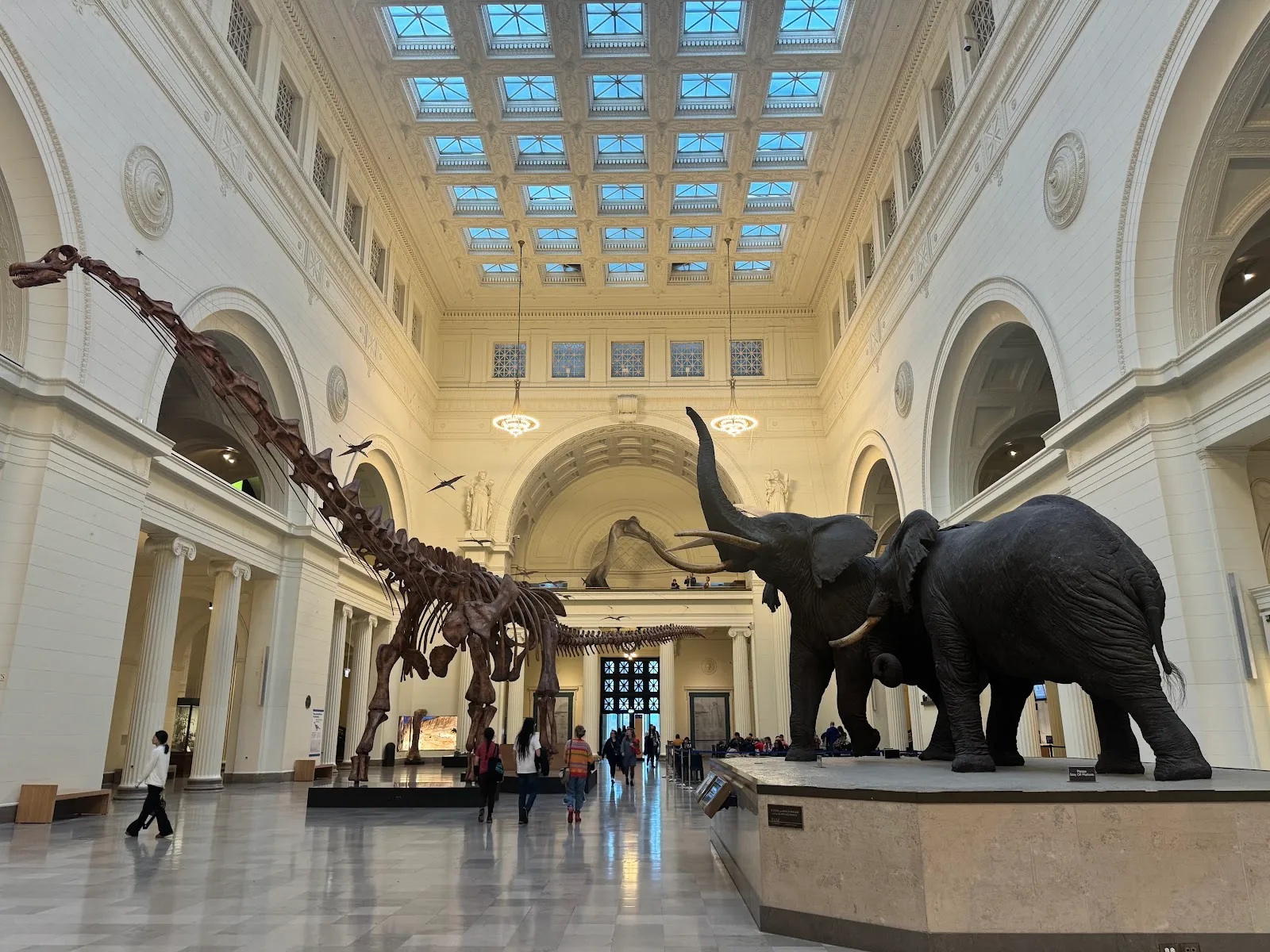
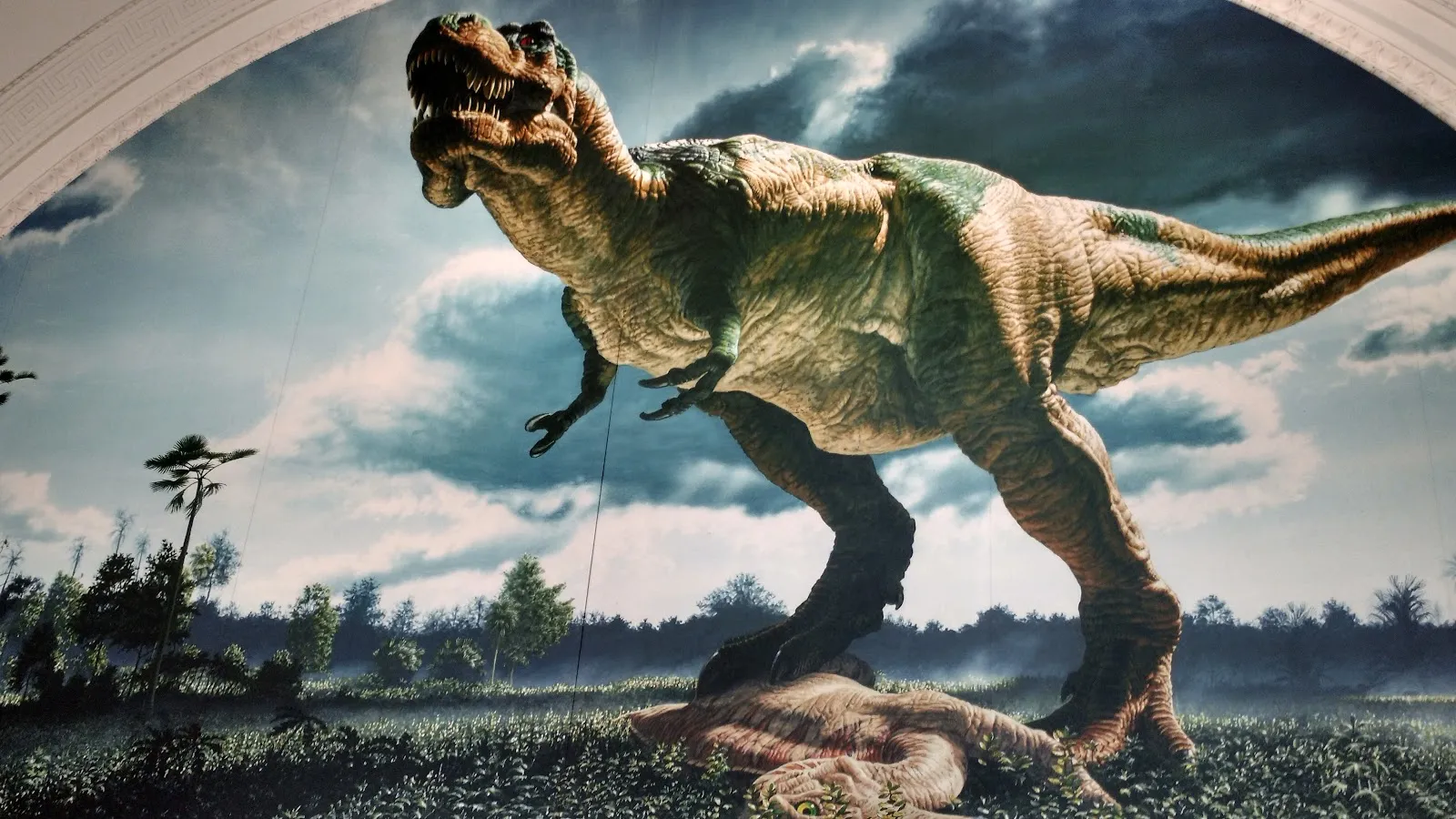
Stanley Field Hall is a natural place to begin: Máximo, a titanosaur skeleton, stands in the entrance hall. For Tyrannosaurus rex, head to the Griffin Halls of Evolving Planet, where SUE is on display. The galleries trace changes in life on Earth through fossils and exhibits about evolution.
There is more to the dinosaur story than the largest skeletons. Interactive displays invite visitors to engage with natural history, and hands-on activities can give children a change of pace between galleries. If dinosaurs are your priority, check the museum’s current exhibit information before visiting, as displays can change.
Egypt, China and other cultural collections
The museum’s collections also cover human history and culture. Inside Ancient Egypt takes visitors into a burial chamber with human and animal mummies, hieroglyphs and a royal boat. The Cyrus Tang Hall of China presents objects including pottery, jades, bronzes, burial items, Buddhist sculptures, textiles and paintings across five galleries.
Other galleries explore cultures from the Ancient Americas, Africa, Tibet and the Pacific Islands. Displays and access can change over time, so check the museum’s website if there is a particular collection you want to see. Treat cultural objects and spaces with care, and follow any guidance provided in the galleries.
Gems, wildlife and planning your visit
The Grainger Hall of Gems brings minerals and gemstones into the museum’s wide-ranging tour of the natural world. Wildlife dioramas recreate habitats from around the globe, while exhibits on meteorites and other specimens offer a different kind of close look at natural history. These galleries make a useful counterpoint to the dinosaur halls and cultural collections.
Plan at least three hours for a focused visit; taking time to read displays can stretch the day considerably. Comfortable walking shoes will help as you move between galleries. The museum recommends buying tickets in advance. It has a cafe, restaurant, gift shop and coat check, and the building has wheelchair-accessible entrances, restrooms and parking.
Häufige Fragen
How long should you spend at the Field Museum?
Allow at least three hours for a focused visit. The museum is large, and seeing its collections at a slower pace can take much of the day.
Where can you see SUE the T. rex?
SUE is in the Griffin Halls of Evolving Planet. Máximo the titanosaur is displayed in Stanley Field Hall.
What can you see in the Field Museum’s ancient Egypt gallery?
Inside Ancient Egypt includes human and animal mummies, hieroglyphs and a royal boat in a burial-chamber setting.
Does the Field Museum recommend booking tickets ahead?
Yes. The museum recommends getting tickets in advance.