On the Tennessee River in downtown Chattanooga, the Tennessee Aquarium takes you from Appalachian waterways to ocean habitats across two buildings, River Journey and Ocean Journey. Follow the freshwater exhibits through river environments, then see sharks, penguins, jellyfish and reef fish in the saltwater galleries. Otters, a butterfly garden and a touch area with rays add variety, with plenty for children to explore. Plan time for both buildings, and consider booking the behind-the-scenes tour if you want a closer look at the aquarium’s work.
Two buildings follow the water
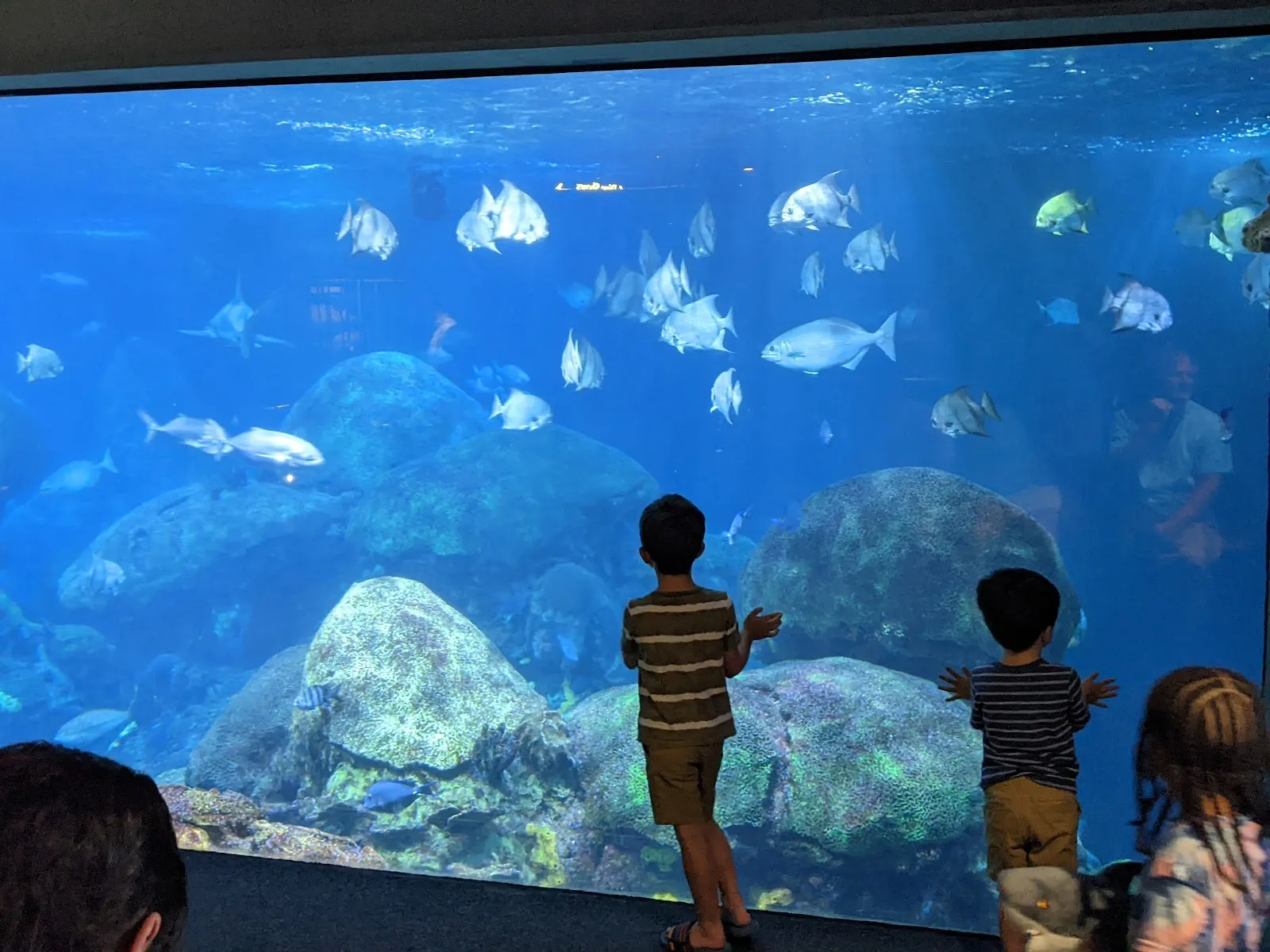
The aquarium opened in 1992 on Chattanooga’s riverfront. Its two buildings tell a connected story: River Journey follows freshwater ecosystems, while Ocean Journey continues the route toward saltwater habitats.
In River Journey, the exhibits move through environments associated with the Tennessee Valley, from Appalachian streams and mountain forests toward valleys, gorges and the Mississippi Delta. The Delta Country gallery recreates bayou habitat, with American alligators and alligator snapping turtles. Look for river otters and visit the seahorse exhibit on the lower level.
Ocean Journey picks up the story as water reaches the Gulf and beyond. Its exhibits include penguins, sharks, jellyfish and reef fish. The Secret Reef tank contains sand tiger sharks, bonnethead sharks and green sea turtles. The Scuttlebutt Reef gallery has exhibits devoted to saltwater species including green moray eels, frogfish, garden eels, comb jellies and a peacock mantis shrimp. Interactive elements invite you to test marine facts, and the living coral reef tank has a wheelchair-accessible viewing area.
Look beyond the large tanks
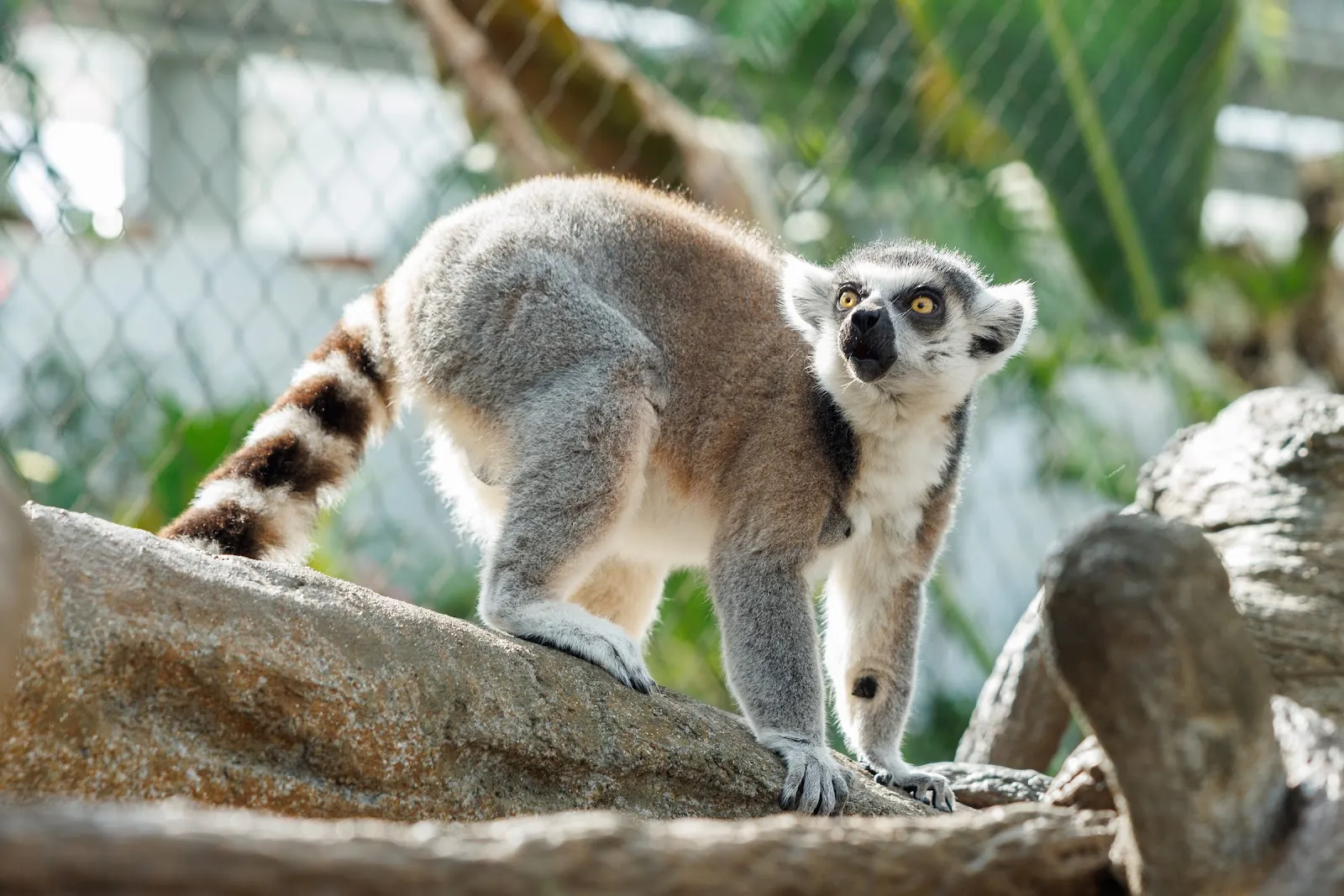
There is more to see than fish. The butterfly garden brings insects into the Ocean Journey experience, while lemurs and other animals add a change of pace. Touch areas let visitors get close to aquatic animals, including rays; follow the aquarium’s instructions when interacting with them.
Families can look for hands-on activities and animal programs. The aquarium also runs workshops and group programs, and its website has details on current offerings. If you want extra context, a behind-the-scenes tour is an option before the aquarium opens. Tour availability and arrangements are best checked directly with the aquarium.
The exhibits are arranged as a continuous journey through different habitats, so give yourself time to explore both buildings rather than trying to rush through one. Some families allow several hours, particularly when children want to stop at the interactive areas or animal exhibits.
Plan a downtown visit
The aquarium is at 1 Broad St, along the Tennessee River in downtown Chattanooga. Its riverfront setting puts it close to the Walnut Street Pedestrian Bridge and other downtown sights. The outdoor riverfront plaza is free to access, with views toward the river and bridge; aquarium admission is separate.
Tickets in advance are recommended. An early arrival or a weekday during the school term may help you avoid the busiest periods. Parking options include paid and free lots and garages, as well as street parking; check current arrangements before setting out. The aquarium has a cafe and gift shop, and its facilities include wheelchair-accessible entrances, restrooms and parking.
Häufige Fragen
How long should you spend at the Tennessee Aquarium?
Allow about 2 to 4 hours for the two buildings. You may want longer if you plan to take your time with the interactive exhibits and animal areas.
What is the difference between River Journey and Ocean Journey?
River Journey focuses on freshwater ecosystems, including habitats along Tennessee waterways. Ocean Journey follows the story into saltwater environments, with exhibits such as sharks, penguins and reef life.
Can you touch animals at the Tennessee Aquarium?
Yes. Touch areas include rays. Follow the aquarium’s instructions at the exhibit.
Is the riverfront plaza free?
The outdoor riverfront plaza is free to access. Aquarium admission is separate.