On Charleston Harbor at 100 Aquarium Wharf, the South Carolina Aquarium follows the state’s habitats from mountain forest to open ocean. Its central Great Ocean Tank holds sharks, rays and Caretta, a loggerhead sea turtle; the Sea Turtle Care Center shows how injured turtles are cared for. You can also see river otters, alligators, birds and reptiles, and get hands-on at the touch tank. The aquarium is compact enough to suit a family outing, though you may finish sooner than at a larger aquarium.
Follow South Carolina’s habitats
The exhibits take you through the state’s environments, from Mountain Forest and Piedmont to the Coastal Plain, salt marsh and Atlantic coast. Along the way, you’ll encounter more than aquatic life: the collection includes birds, reptiles and mammals as well as fish. River otters, alligators, snakes and frogs give the inland habitats their own appeal, while the saltmarsh aviary brings birds into the visit.
This layout makes the aquarium a useful introduction to the range of habitats found across South Carolina. It also gives families different things to look for as they move through the galleries, rather than limiting the visit to tanks of fish.
Spend time at the Great Ocean Tank
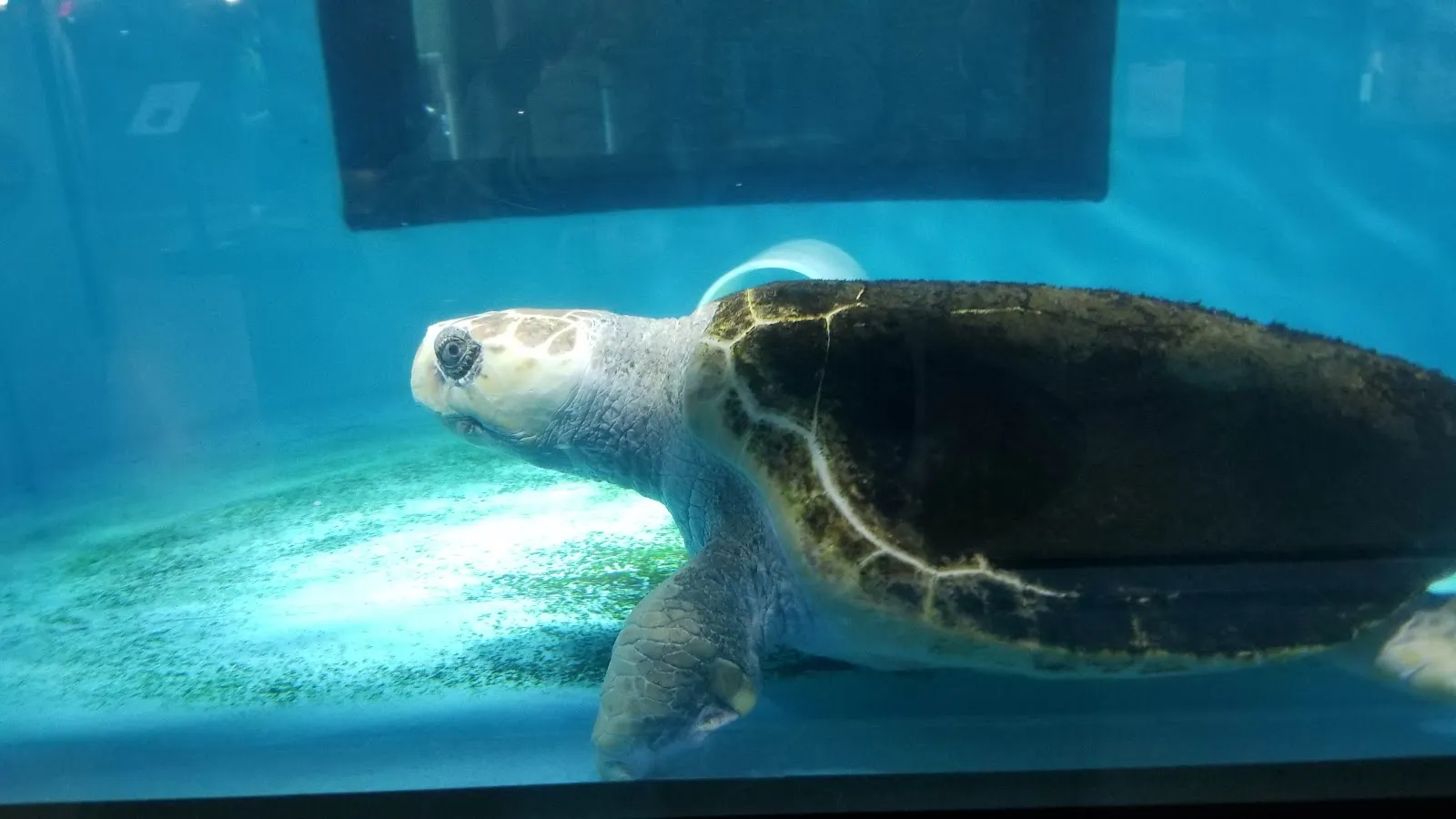
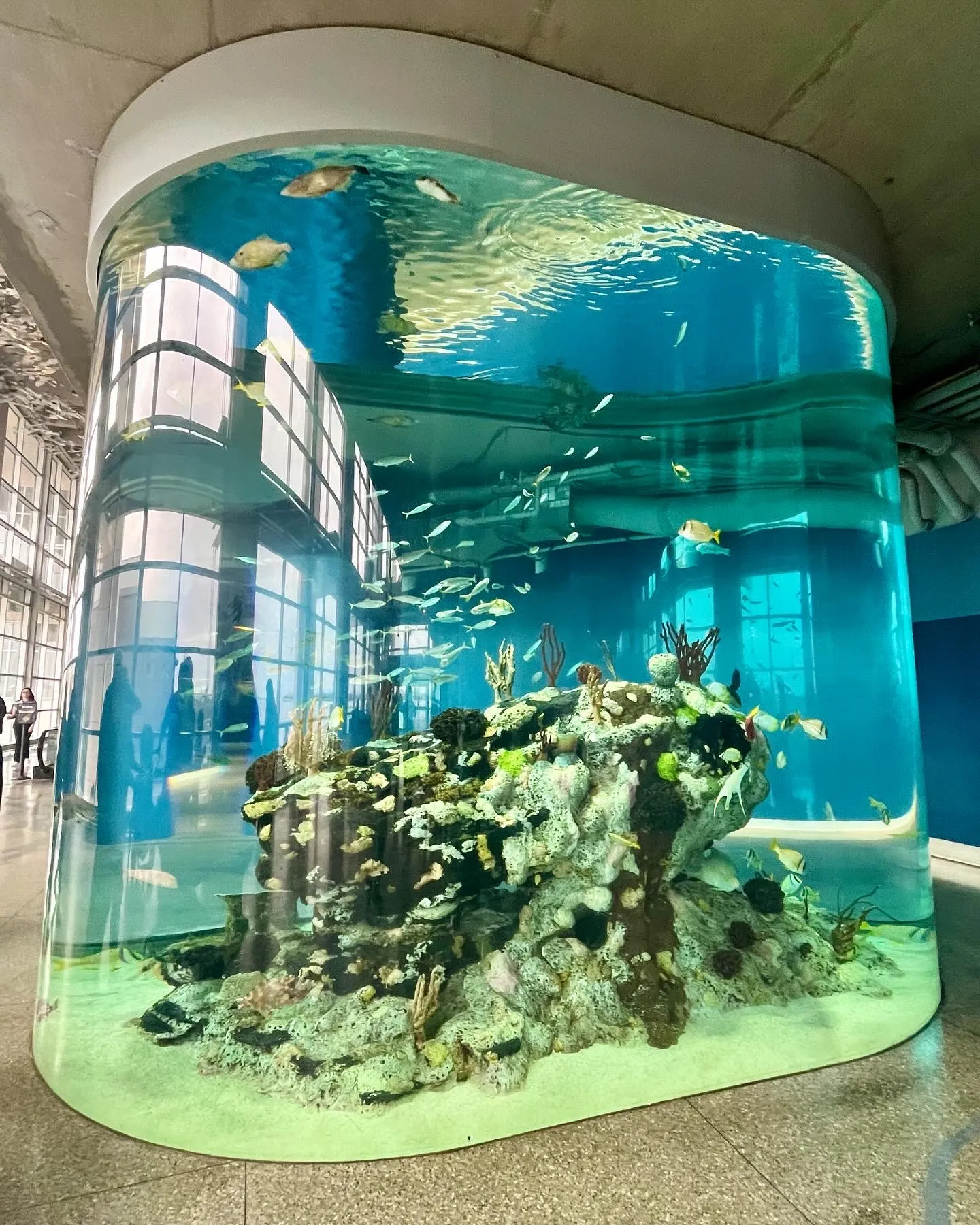
The two-story Great Ocean Tank is the aquarium’s central spectacle, with sharks, rays, fish and loggerhead sea turtles moving through the water. Caretta, a loggerhead, is one of the animals to look out for. The large viewing area makes it easy to pause and watch the tank rather than hurry through it.
Other exhibits bring you closer to smaller marine animals. At the touch tank, visitors can encounter sea life such as stingrays, sea urchins and horseshoe crabs. Ask staff how to interact with the animals gently, and check which hands-on activities are available during your visit.
See the Sea Turtle Care Center
The Sea Turtle Care Center is both an exhibit and a working rehabilitation space for sick or injured sea turtles. It explains the care that turtles receive and their path from rescue and recovery toward release back into the ocean. The center adds a conservation focus to the visit, with a chance to learn about the animals as individuals in care, not only as part of a display.
You may also see feeding or educational programs during your visit. Schedules and activities can differ, so check what is happening on the day if a particular program matters to you.
Plan a family visit
Children have plenty to engage with beyond the main tanks, including interactive exhibits and an indoor play area. The mix of animals, hands-on displays and educational activities can suit different ages, while adults can take their time at the large tank or the turtle center. The aquarium is cleanly laid out and manageable to explore, but it is smaller than some large aquariums; plan for a focused outing rather than a full day.
The harbor setting is another part of the visit. The aquarium looks out toward Charleston Harbor and the Ravenel Bridge, giving you a change of pace from walking the city’s historic streets. Admission and parking are separate, so account for both when planning. Tickets with reserved entry times are recommended, and parking can be challenging; a nearby garage across the street is one option.
Häufige Fragen
How long do you need at the South Carolina Aquarium?
Plan on about 1 to 2 hours. You may want longer if you stop for programs, the play area or the Great Ocean Tank.
What can you see at the South Carolina Aquarium?
Exhibits cover South Carolina habitats from mountain forest to the coast. Animals include otters, alligators, birds, reptiles, sharks, rays and sea turtles.
Does the aquarium have a sea turtle hospital?
Yes. The Sea Turtle Care Center treats sick or injured turtles and explains their recovery and path toward release.
Should I book South Carolina Aquarium tickets ahead?
Advance tickets and a reserved entry time are recommended. Plan for parking separately, since it is not included with admission.