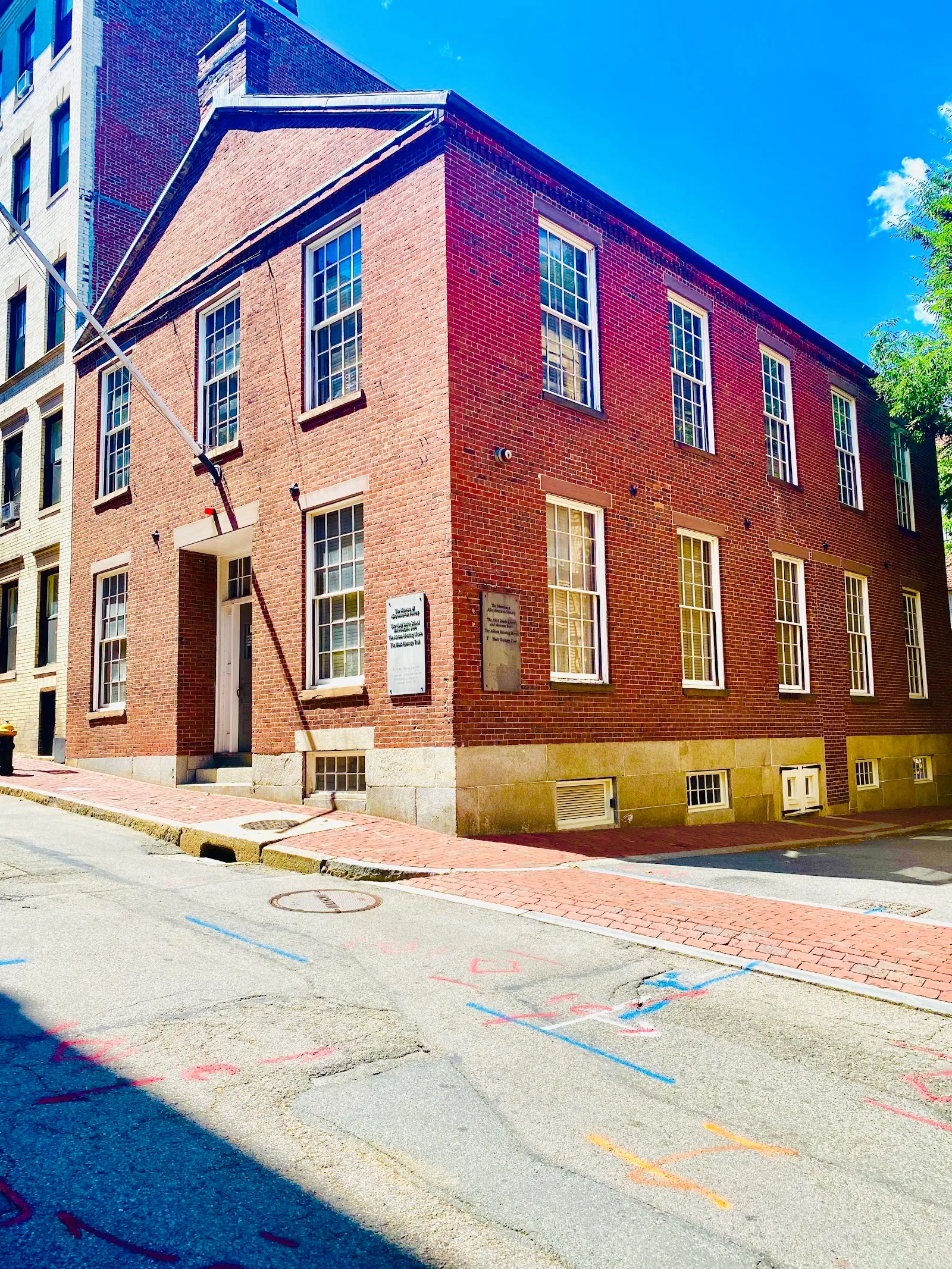
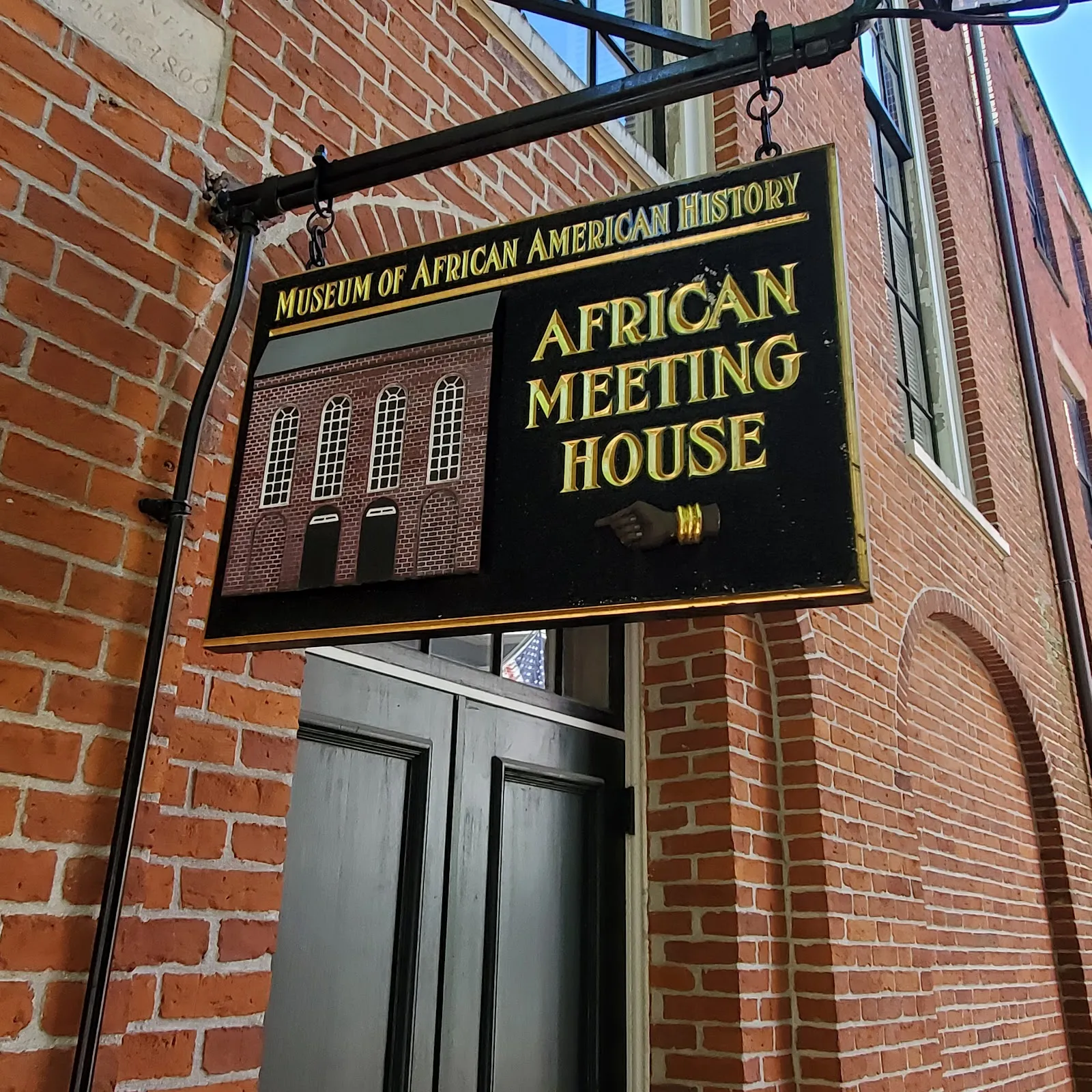
On Beacon Hill at 46 Joy St, the Museum of African American History traces the lives and work of Boston’s Black community, especially on the neighborhood’s north slope in the 19th century. Its exhibits occupy the African Meeting House, the oldest surviving Black church building in the country, and the Abiel Smith School, built as a public school for Black children. Explore the school’s displays and artifacts, then learn about the Meeting House’s role in community life and the abolitionist movement. Guided interpretation adds context to both historic buildings.
The Beacon Hill community
The museum focuses on the lives and work of the African American community that lived on Beacon Hill’s north slope during the 19th century. Its exhibits explore how Black families lived, educated children, worshiped and worked, as well as how community members organized to advance freedom. The collection also covers the creation of art and political activity.
These stories connect local history to the abolitionist and civil rights movements. The museum preserves artifacts and historic buildings associated with the community, bringing attention to the people and institutions that shaped Black life in Boston.
Two historic buildings
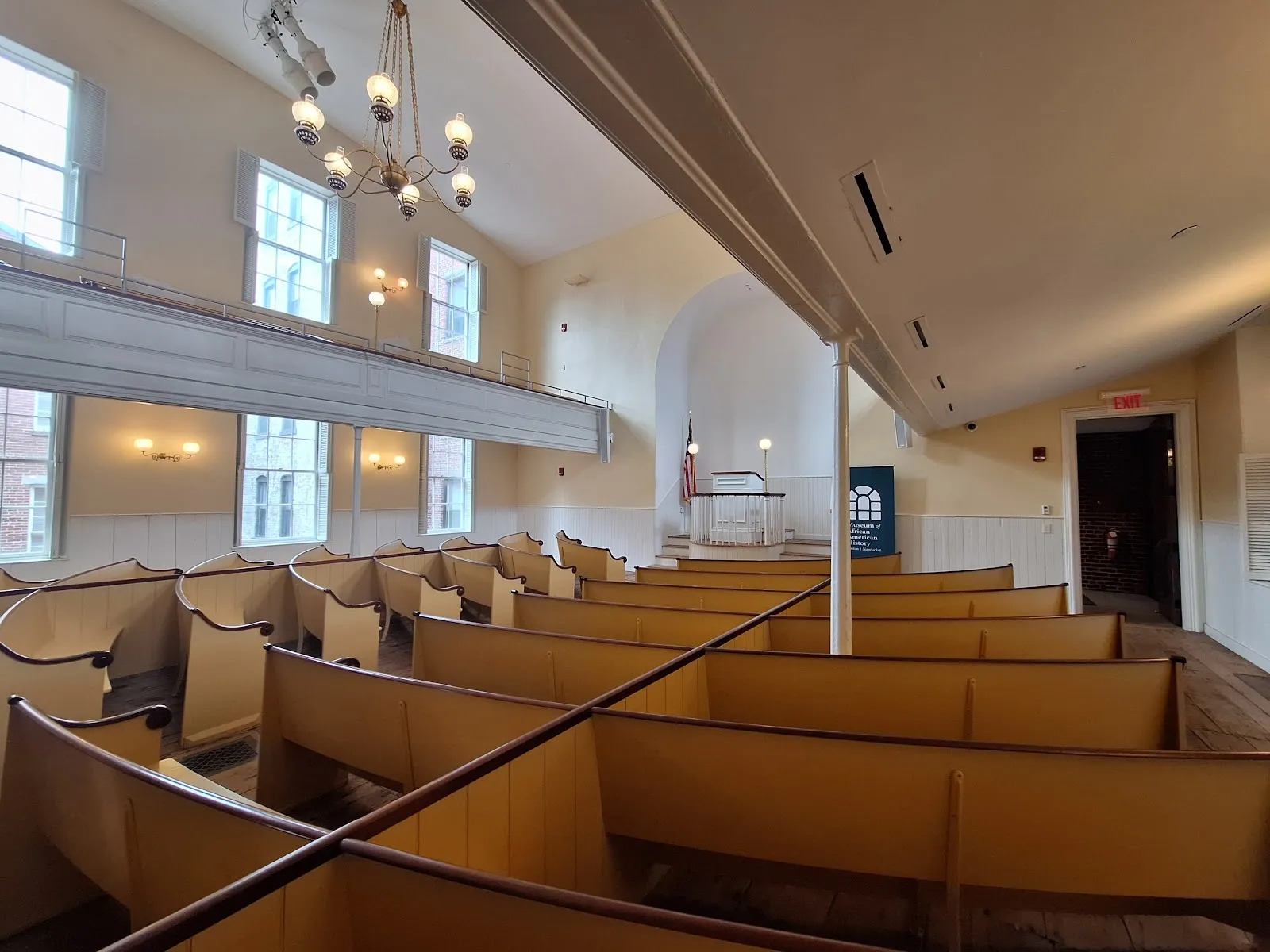
The museum spans the African Meeting House and the Abiel Smith School. The Meeting House is the oldest surviving Black church building in the country. It also served as an important gathering place for the community and a hub for the abolitionist movement.
The Abiel Smith School was built specifically to educate Black children, making it an important part of the history of public education. Together, the buildings give visitors a way to encounter the neighborhood’s history in the places where it unfolded. The Meeting House remains in use as a chapel.
Exhibits and interpretation
Displays in the school explore Beacon Hill’s African American history through notable figures and artifacts, including material related to newspapers and the development of the school itself. Exhibits also address segregated education. The upper floor has included artwork created through a project with local classes.
A visit can combine self-guided time in the school with a talk and walk through the Meeting House. Guides provide historical context for the buildings and the community’s work toward freedom and suffrage in Massachusetts. The Meeting House’s interior includes both original and restored elements; a section of wall reveals layers of plaster above the brick beneath.
Häufige Fragen
What buildings are part of the Museum of African American History?
The Boston museum occupies the African Meeting House and the Abiel Smith School, two historic buildings on Beacon Hill.
What can you see at the museum?
Exhibits cover Black community life on Beacon Hill, education, artifacts and the history of the buildings. A visit can also include a guided talk and walk through the African Meeting House.
When is the museum open?
It is open Thursday through Sunday, 10 a.m. to 4 p.m., and closed Monday through Wednesday.
Does the museum charge admission?
Admission is charged. Check the museum’s website for current ticket details and possible reduced or free-admission days.