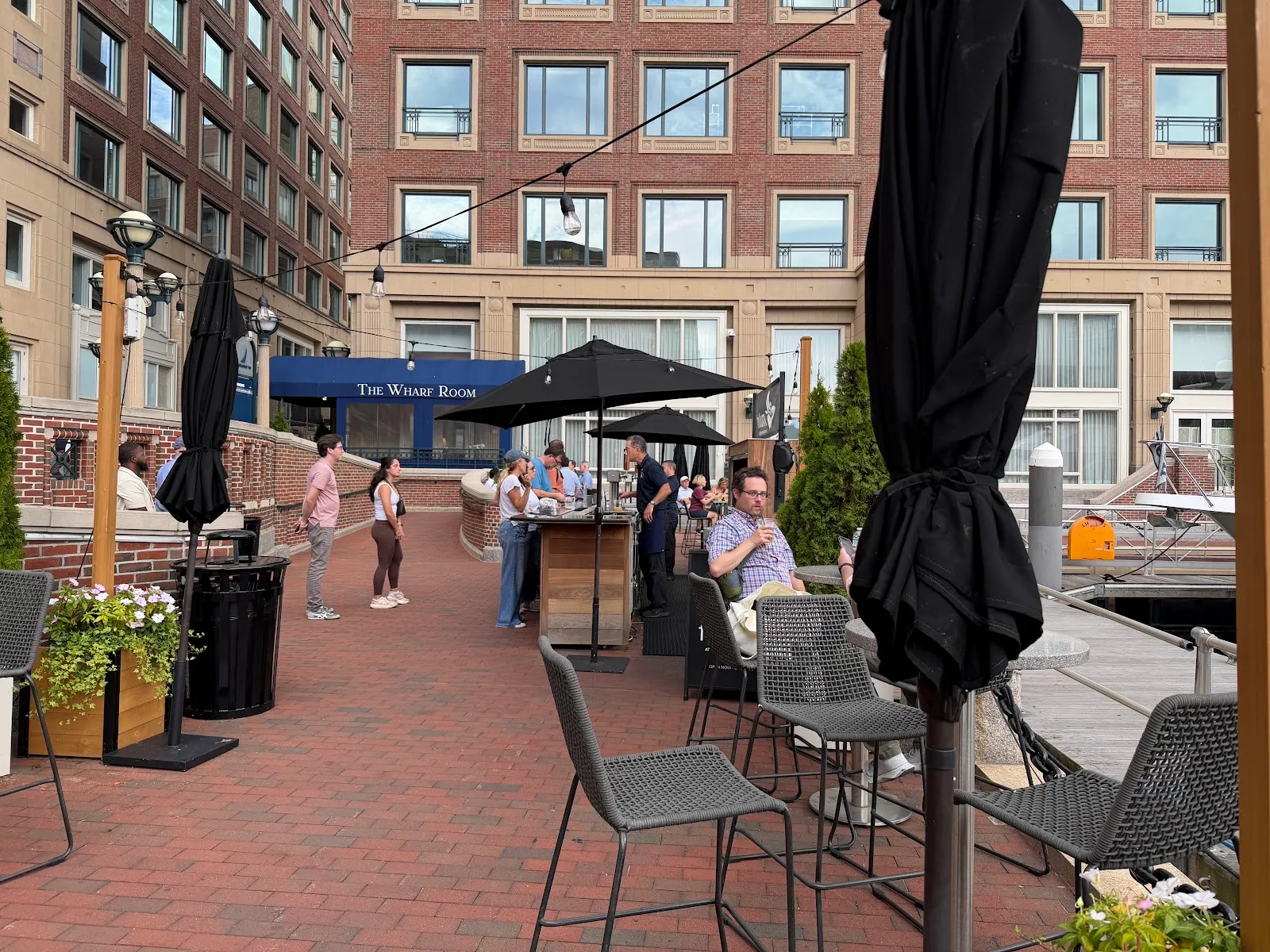
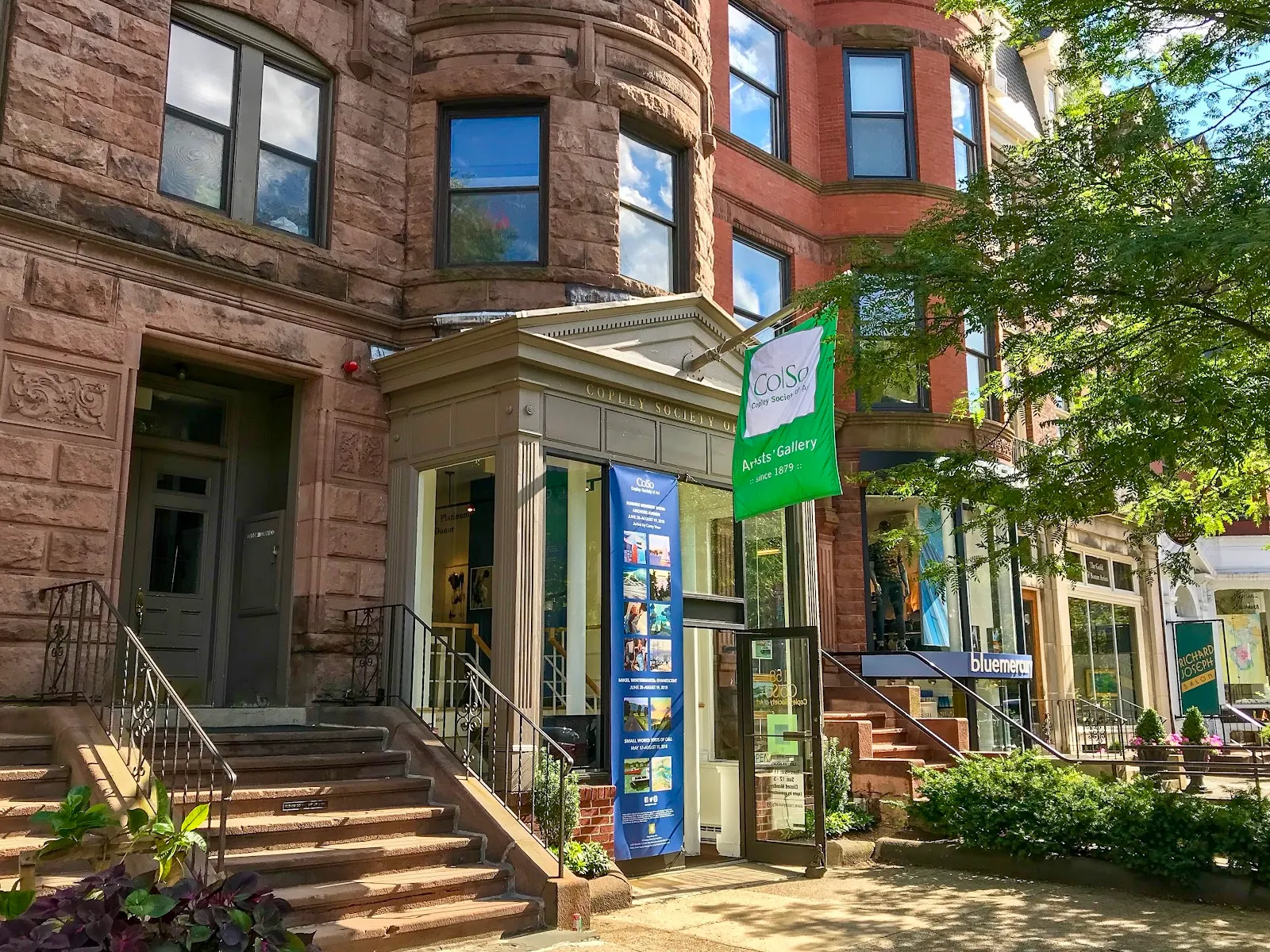
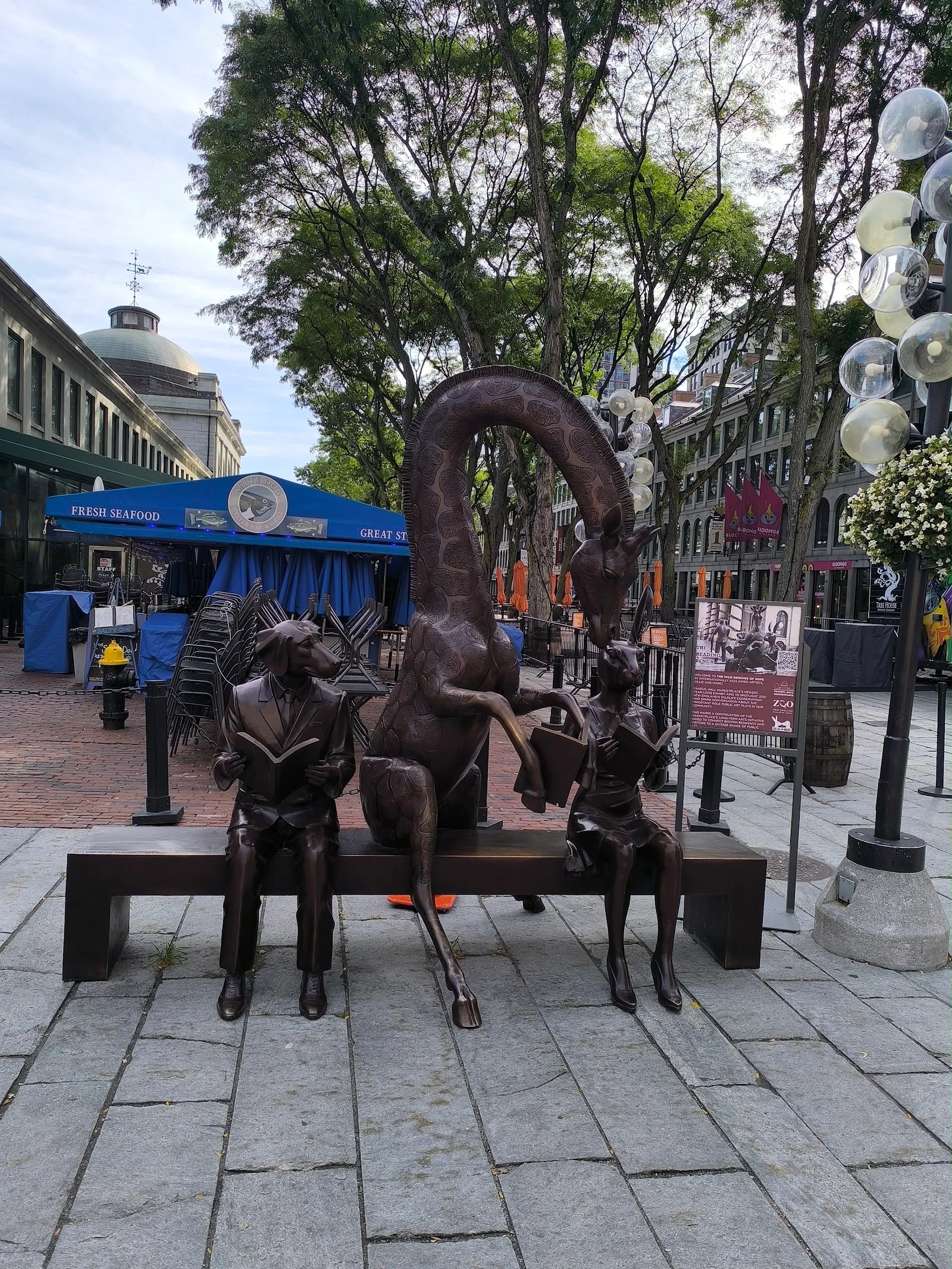
Faneuil Hall Marketplace brings together four historic buildings in downtown Boston: Faneuil Hall, Quincy Market, North Market and South Market. The original hall opened in 1742 as a market and meeting place, and its upper rooms became a forum for colonial-era debate. Today, browse local shops and familiar brands, watch street performers in the plazas, or head to Quincy Market for food stalls serving local and international fare. It is also a useful stop along the Freedom Trail, with Boston history and a meal close together.
The hall and its history
Faneuil Hall was built in 1742 with money from merchant Peter Faneuil, who gave the building to Boston as a public marketplace. The ground floor was intended for trade, while the upper floor provided a meeting room. The building’s role grew beyond commerce: in the years before the American Revolution, speakers including Samuel Adams and James Otis addressed political gatherings here. Its association with public debate earned it the nickname “Cradle of Liberty.”
The hall also became a place for later movements. Boston abolitionists held meetings and rallies there from the late 1830s, and the building continued to host public discussion. Its history includes both commercial use and organized political activity, rather than a single moment in the city’s past.
Four buildings around the marketplace
The name Faneuil Hall Marketplace refers to a group of four buildings: Faneuil Hall, Quincy Market, North Market and South Market. Quincy Market, built in 1826, is the central food destination, while the flanking market buildings contain shops. Outdoor courtyards and cobbled walkways connect the complex, with stores ranging from local specialty businesses to well-known brands.
The layout makes it easy to combine a look around the historic buildings with shopping or a meal. You can browse souvenirs, clothing and locally made goods, then choose from the food stalls inside Quincy Market. The mix of indoor spaces and open plazas also gives you options when you want a break from walking outdoors.
Food and street performances
Quincy Market’s food stalls bring together local favourites and cuisines from beyond New England. Clam chowder and lobster rolls are among the regional dishes associated with the food hall; Boston cream pie is another local speciality to look for. With multiple stalls in one place, it is a practical lunch stop for a group whose members want different kinds of food.
Performers add another reason to linger in the plazas. Music, singing and other street acts take place around the marketplace, especially in warmer seasons when outdoor seating is in use. The marketplace sits on the Freedom Trail, so it also fits naturally into a day spent walking between Boston’s historic sites.
Häufige Fragen
How long should you spend at Faneuil Hall Marketplace?
Plan on about 1 to 3 hours to explore the buildings, browse shops, eat and watch performances.
What is Faneuil Hall Marketplace made up of?
It includes Faneuil Hall, Quincy Market, North Market and South Market.
What can you eat at Quincy Market?
Food stalls serve local and international fare. Clam chowder, lobster rolls and Boston cream pie are among the local dishes associated with the marketplace.
Is Faneuil Hall Marketplace on the Freedom Trail?
Yes. Faneuil Hall is a stop on the Freedom Trail, and the marketplace is a convenient place to pause while exploring Boston’s historic sites.