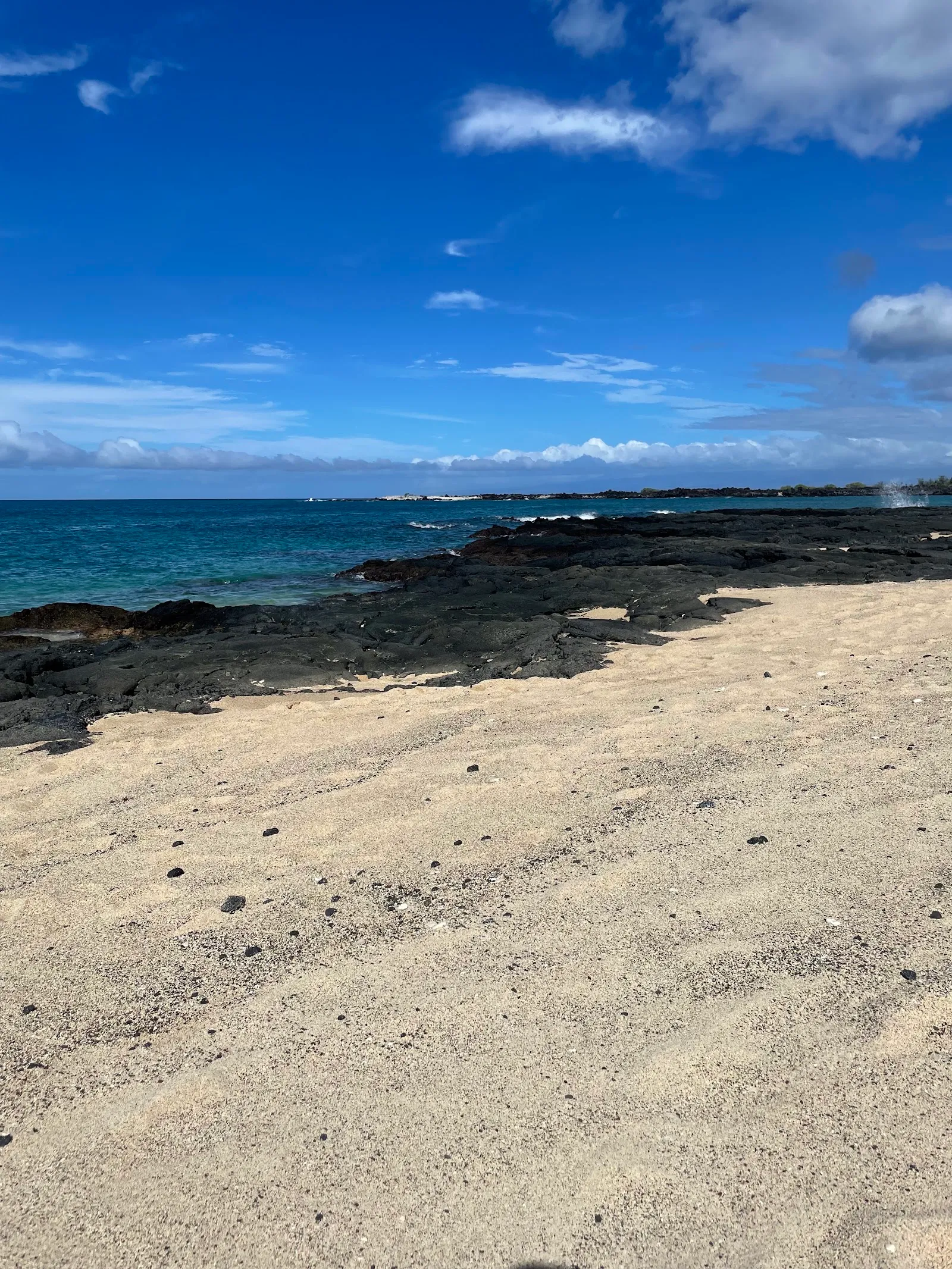
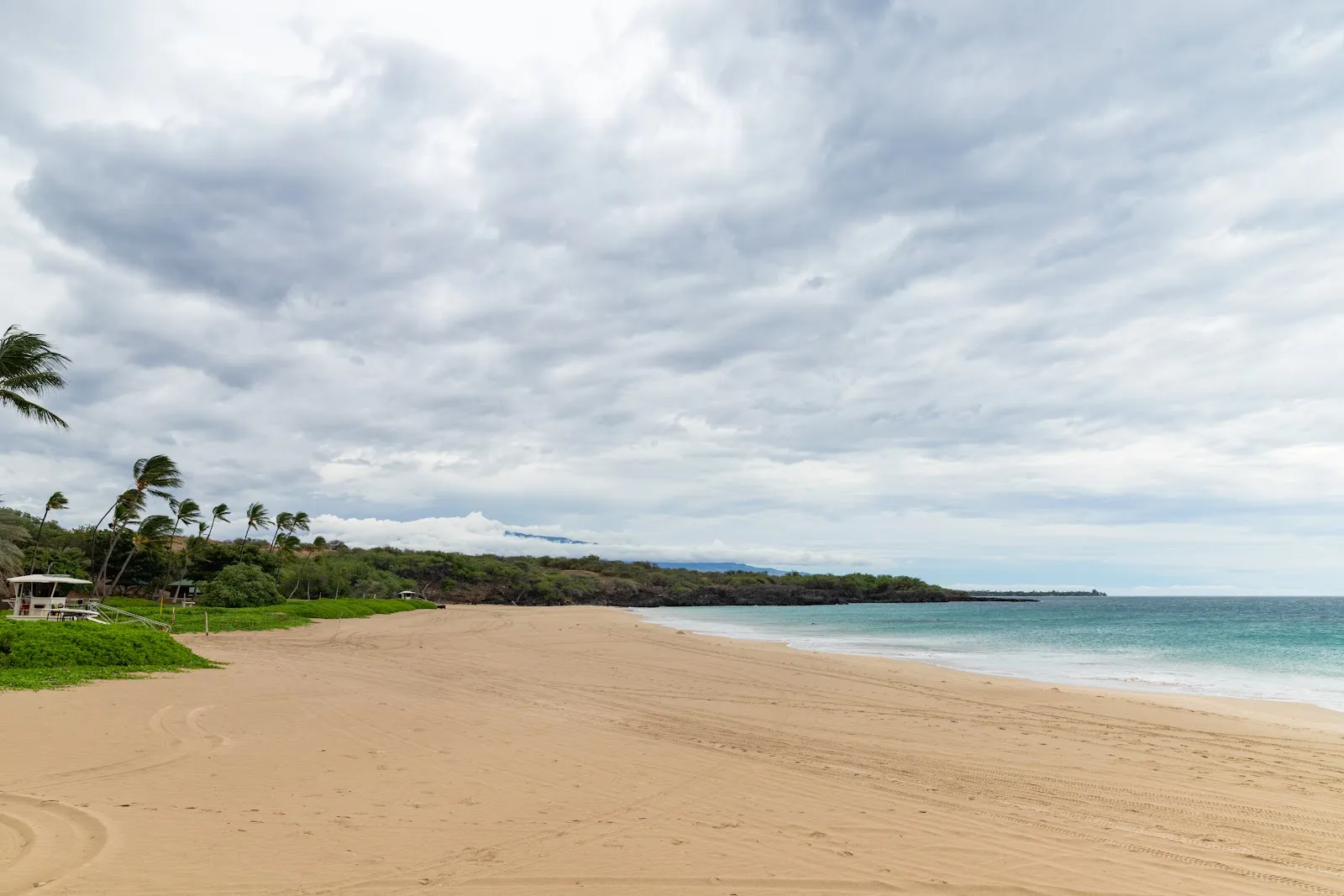
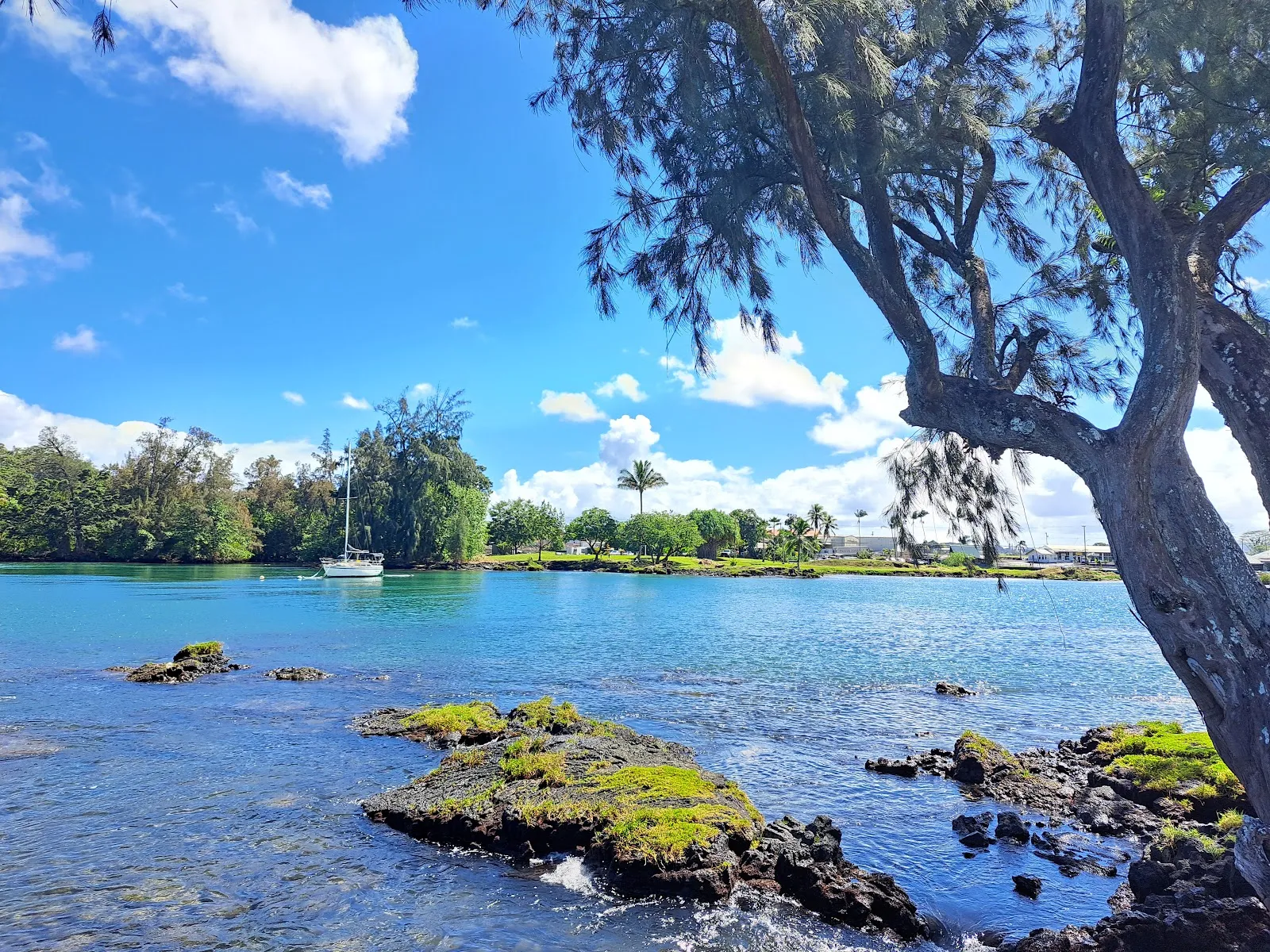
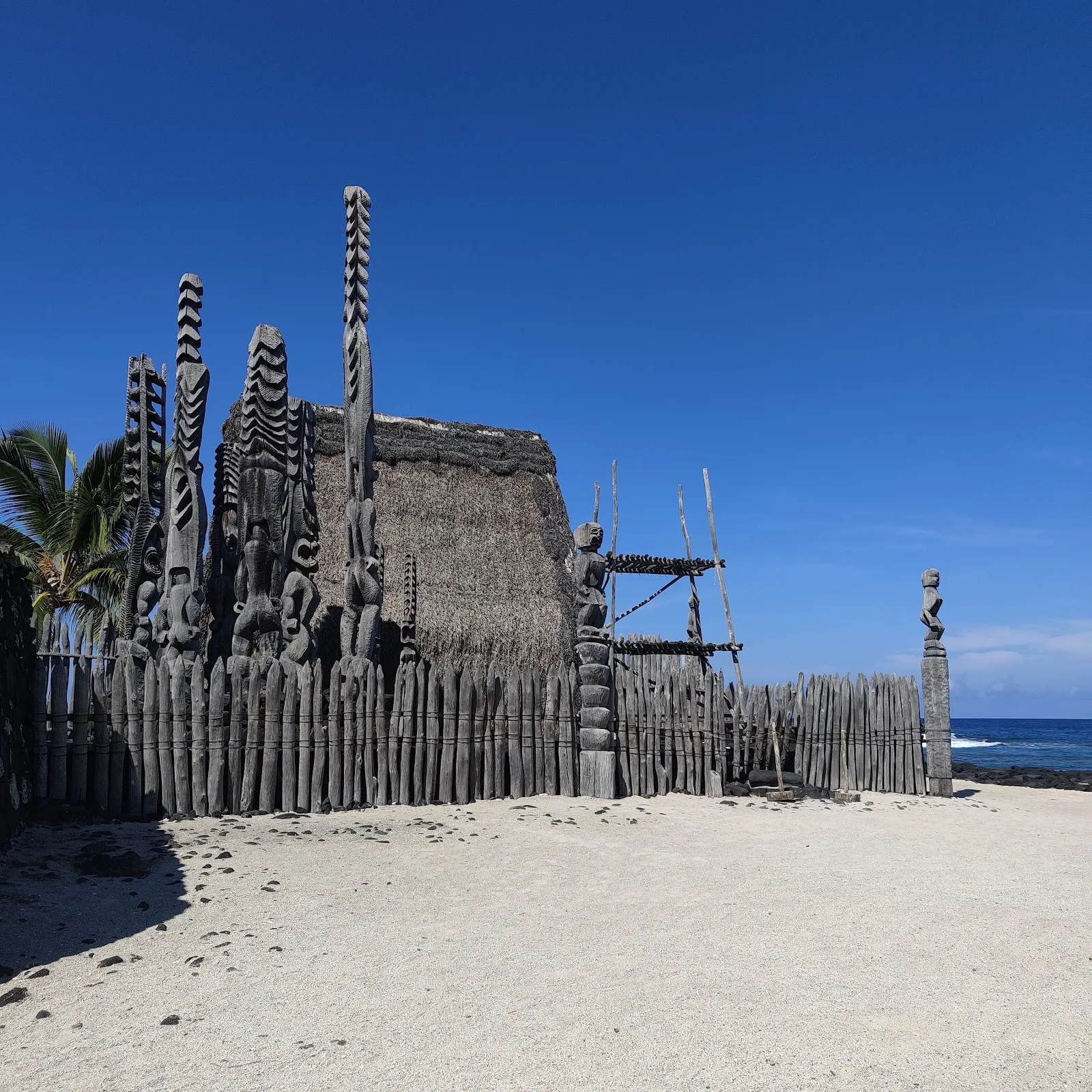
Pu'uhonua o Hōnaunau National Historical Park sits on the Kona coast of the Big Island, at the end of State Highway 160. Its restored royal grounds and former place of refuge offer a clear introduction to ancient Hawaiian customs, including the kapu system. Follow the walking route past the massive lava-rock wall, carved wooden kiʻi and Hale o Keawe Heiau, with the ocean and palm grove alongside. It is a cultural site as well as a coastal walk, so explore quietly and treat the grounds with care.
A place of refuge under kapu
Puʻuhonua means a place of refuge. In ancient Hawaiʻi, kapu were sacred laws governing social life. Breaking one could bring severe punishment, but a person who reached a puʻuhonua could seek protection and absolution. Defeated warriors and others in danger could also find safety there.
Puʻuhonua o Hōnaunau was one such sanctuary, beside grounds used by Hawaiian royalty. The park preserves both parts of this history: the royal grounds, where chiefs and their warriors lived, and the refuge itself. These places are closely connected, but they had distinct roles.
The wall, kiʻi and heiau
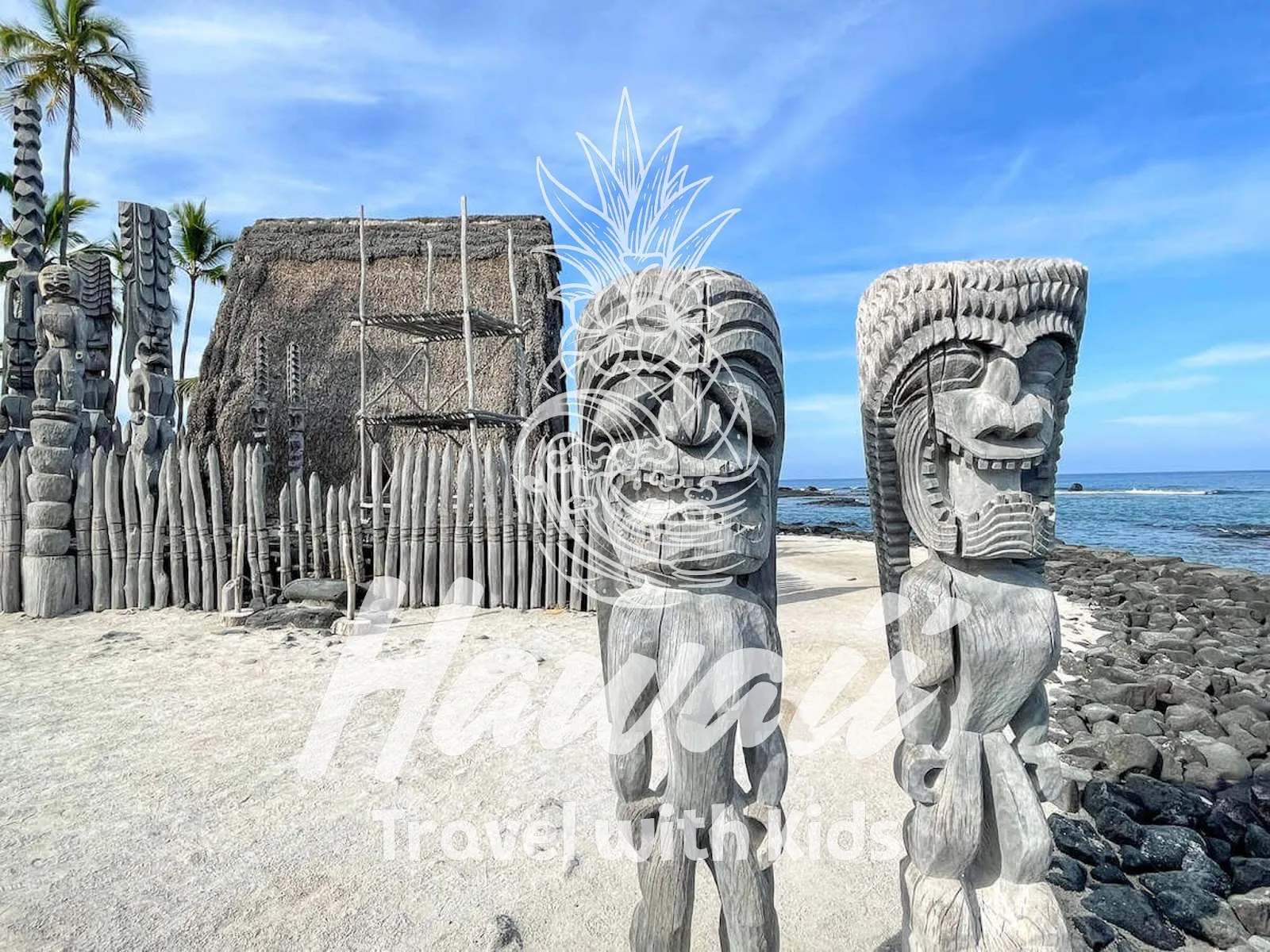
A large wall built from lava rock marks the boundary between the royal grounds and the refuge. The stones were fitted without mortar. The wall is one of the site’s most prominent structures and gives a sense of how the two areas were separated.
Carved wooden kiʻi stand around Hale o Keawe Heiau, a sacred temple. The park also has reconstructed thatched hale and other restored features that help explain how the grounds were used. The structures and carvings are cultural objects, not decorations; give them space and follow posted guidance as you walk.
The setting is part of the visit. The route passes palms and coastal lava rock, with views out to the ocean. A shaded grove near the shore gives you a place to pause and take in the landscape without losing sight of the site’s cultural importance.
Planning your walk
The visitor center has educational displays and a gift shop, and a map can guide you around the main areas on a self-guided walk. Supplied visitor information also describes an introductory video shown in an amphitheater. Park rangers may be available to share context about Hawaiian history and culture.
Allow about an hour to see the main sites at a comfortable pace. The park is on State Highway 160 in Hōnaunau, and parking is available on site. The nearby Two Step snorkeling area can be added to the same outing, but it is outside the historical park. Keep the cultural setting in mind there, too, and respect the surrounding area.
Häufige Fragen
How long does a visit to Pu'uhonua o Hōnaunau take?
About an hour is enough to walk the main route and see the principal sites.
What should I see at Pu'uhonua o Hōnaunau?
Look for the lava-rock boundary wall, carved kiʻi, Hale o Keawe Heiau, reconstructed hale and the royal grounds.
Can you snorkel near Pu'uhonua o Hōnaunau?
Two Step, a nearby snorkeling area, can be paired with a park visit. It is outside the historical park.
Is there parking at the park?
Yes. On-site parking is available.