
Atlanta Botanical Garden occupies 30 acres beside Piedmont Park in Midtown, with themed gardens, indoor plant displays, sculpture and woodland paths. Walk the elevated Canopy Walk through Storza Woods, see the Earth Goddess living sculpture and explore the Fuqua Orchid Center. Seasonal exhibitions and holiday lights change the visit throughout the year. Families can add time in the Lou Glenn Children’s Garden, while shaded paths and places to pause make the grounds appealing if you want a quieter break from the city.
A garden beside Piedmont Park
Atlanta Botanical Garden is in Midtown, next to Piedmont Park. Its 30 acres combine outdoor display gardens, woodland and indoor exhibits, with seasonal installations bringing new details to familiar paths. Pick up a map at the entrance to help plan your route through the grounds.
The garden suits more than dedicated plant enthusiasts. You can take a slow walk among the themed areas, pause by water features and sculptures, or focus on particular collections. Shaded paths offer some relief on hot days, though it is still sensible to carry water and protect yourself from the sun.
Above Storza Woods
The Canopy Walk gives a different view of the garden’s woodland. This suspended path runs for 600 feet and reaches about 40 feet above the ground, looking out over Storza Woods. It is one of the garden’s distinctive walks, so allow time to take in the trees from above rather than treating it as a quick passage between exhibits.
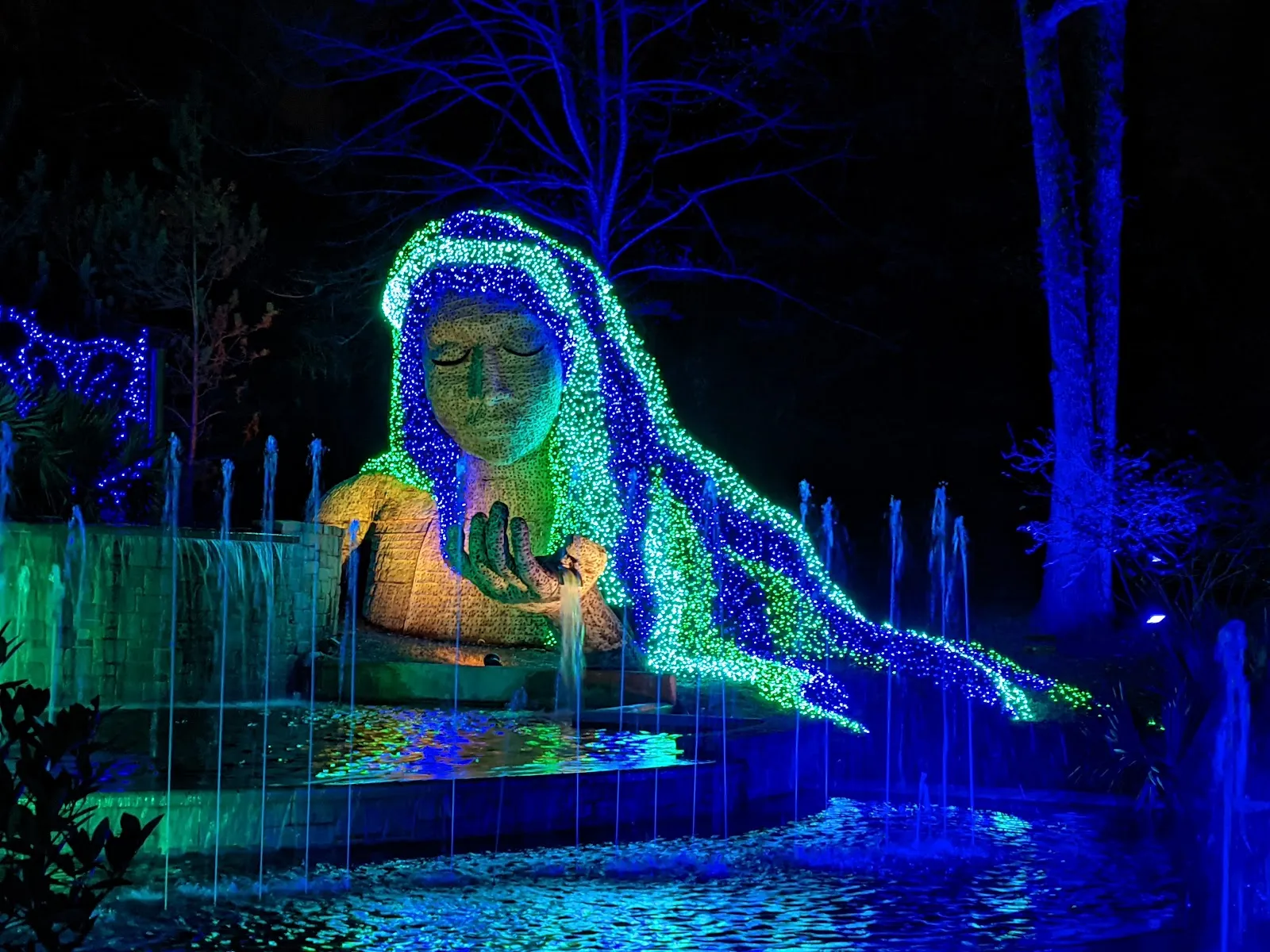
The Earth Goddess is another prominent outdoor work. Its planted form makes it a living sculpture within the garden. Other art appears among the plant displays, including a permanent collection of glass works by Dale Chihuly. The arrangement of plants, water and sculpture gives the garden several different points of interest as you move between sections.
Orchids, conservatory and themed gardens
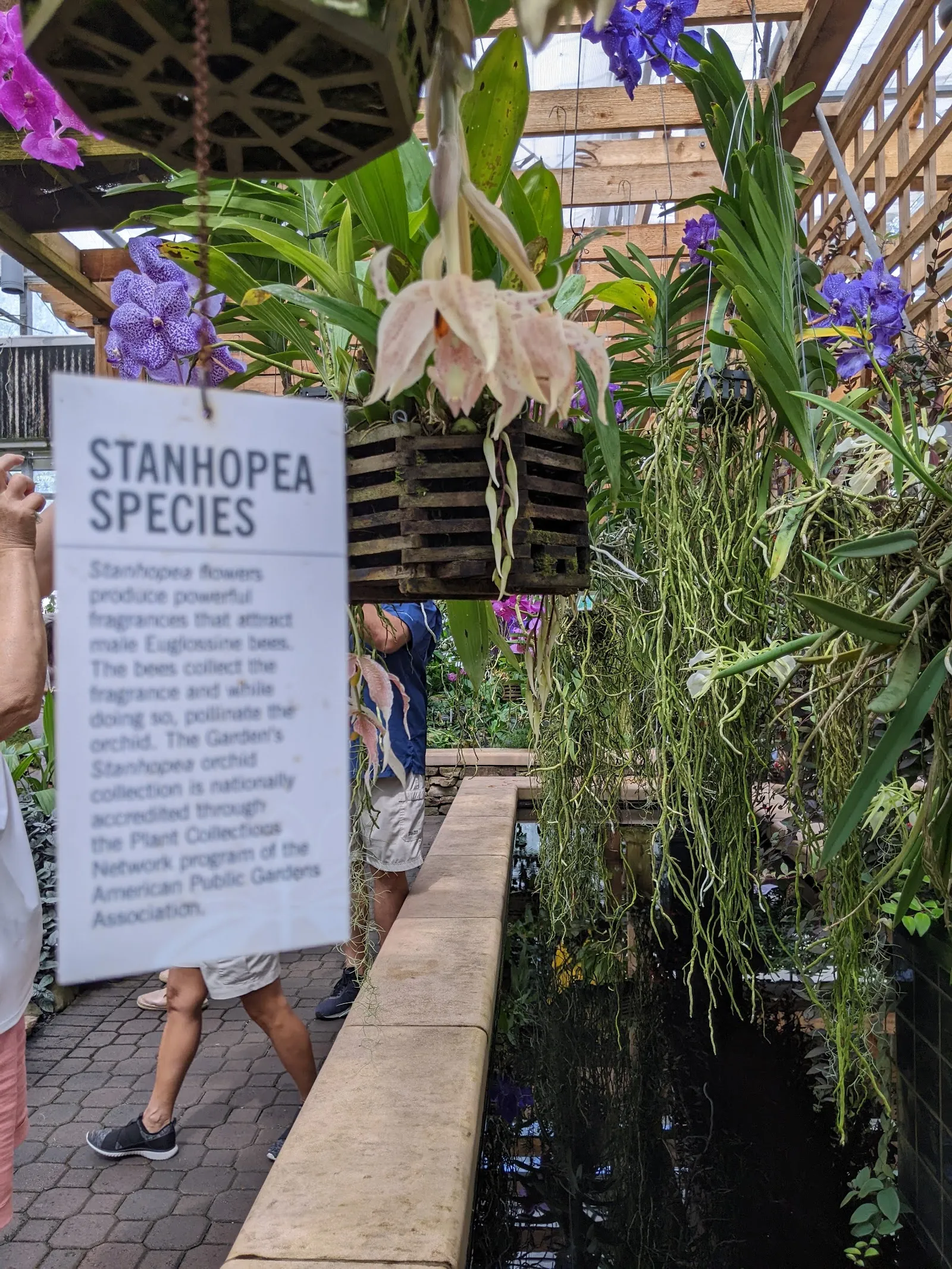
The Fuqua Orchid Center is a highlight for visitors interested in orchids. Its collection includes rare orchids associated with cool, wet mountain habitats in South America, grown in the warm Southeast. The Dorothy Chapman Fuqua Conservatory also presents plants from tropical and desert environments, giving you a change of setting from the outdoor paths.
The grounds include a Japanese Garden, a Rose Garden, the Cascades Garden and the Edible Garden. Each offers a different reason to pause, whether you are looking for formal planting, flowers or a closer look at useful plants. Displays shift with the seasons, so the flowers and temporary installations on view depend on when you visit.
A visit with children
The Lou Glenn Children’s Garden gives younger visitors room to play and learn. Its activities include climbing nets and a treehouse, while garden displays introduce children to plants such as carnivorous species. The Children’s Garden is a useful stop for families planning a longer walk through the grounds.
Docent-led tours add detail about the garden’s layout and plant collections. They run at scheduled times, so check the day’s arrangements if you want to join one. Seasonal events also shape the experience: holiday displays illuminate the grounds, and other exhibitions appear at different times of year. Check the garden’s website for current events and exhibits before choosing your date.
Häufige Fragen
How long should I spend at Atlanta Botanical Garden?
Allow about two to three hours to walk through the garden and see its main areas, including the Canopy Walk and indoor displays.
Is Atlanta Botanical Garden next to Piedmont Park?
Yes. The garden is beside Piedmont Park in Midtown Atlanta, at 1345 Piedmont Ave NE.
Can children visit Atlanta Botanical Garden?
Yes. The Lou Glenn Children’s Garden has activities including climbing nets and a treehouse, along with plant displays for children.
Can I take a guided tour?
Free docent-led tours run at scheduled times. Check the tour schedule for the day of your visit.


