At 625 C St in downtown Anchorage, the Anchorage Museum brings Alaska’s art, history, science and Indigenous cultures together under one roof. Its galleries trace the state’s past through different voices, while the Smithsonian Arctic Studies Center displays more than 600 objects from Alaska Native cultures. Leave time for the hands-on Discovery Center, with science activities for children and adults, and the planetarium. The museum is spacious, with a gift shop and places to pause, so it suits families as well as anyone seeking context for a wider Alaska trip.
A museum that puts Alaska in context
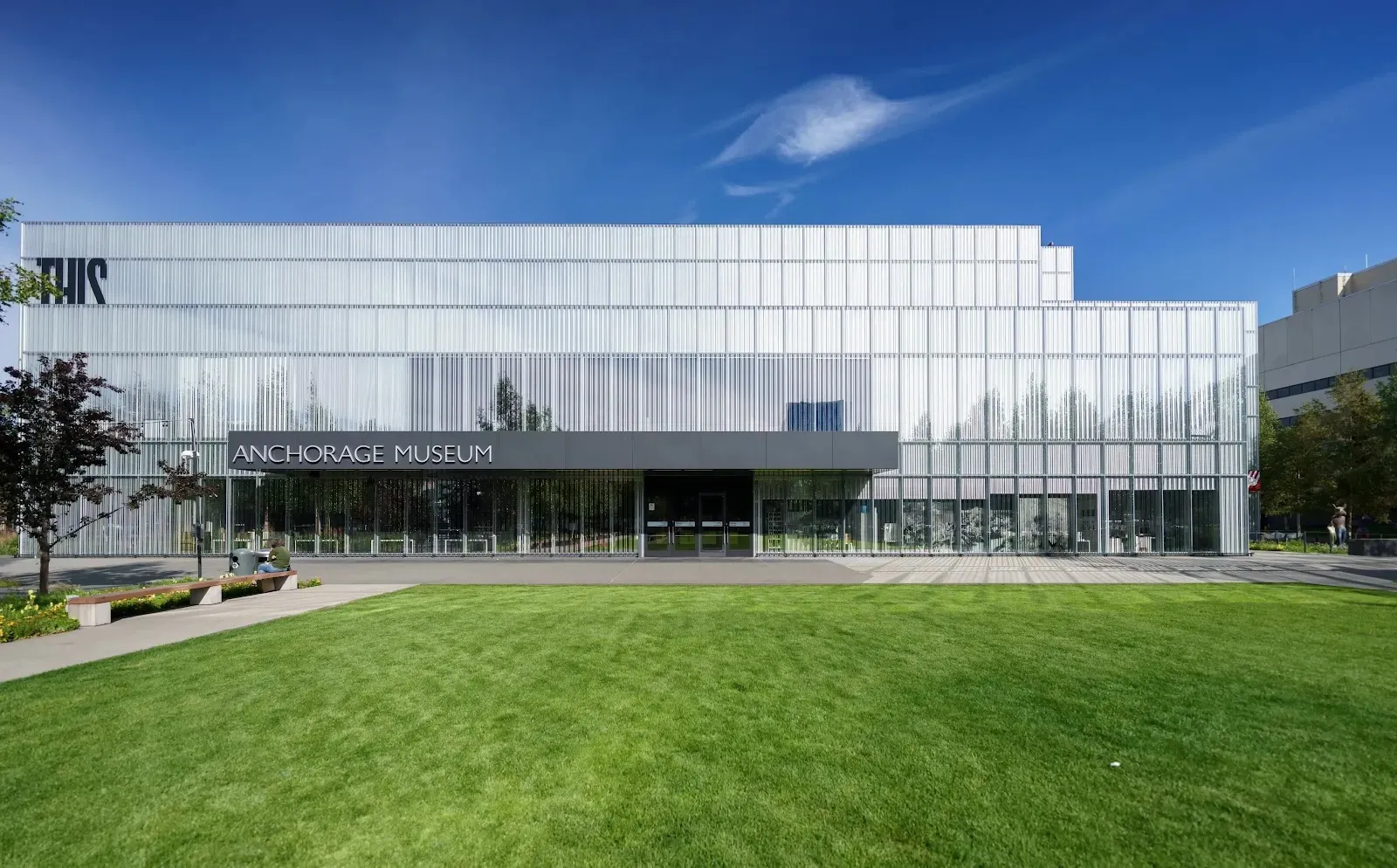
The Anchorage Museum opened in 1968 with an exhibition of paintings from Alaska and objects on loan from a local historical society. It has since grown into a broad museum of art, history, science and culture. Its downtown location makes it a useful stop at the start of a trip, when the state’s landscapes and communities are still new, or near the end, when you want to connect what you have seen.
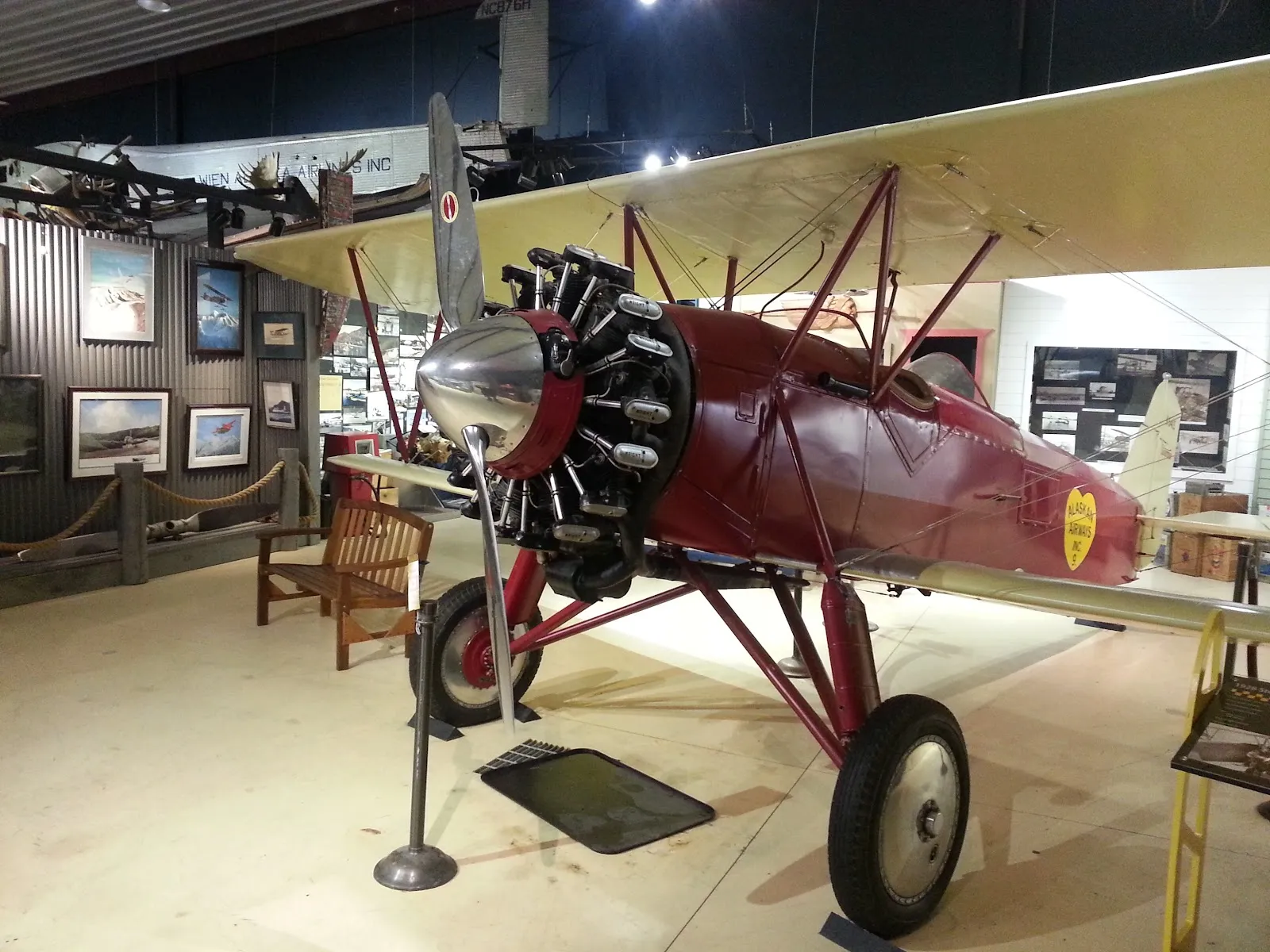
The galleries address Alaska’s past and present through cultural, political, social, scientific and artistic subjects. Exhibits include Indigenous cultures, settlement, the gold rush, and Alaska’s relationship with Russia. Art ranges from traditional and contemporary work to paintings, photographs and sculpture. Some displays also explore the Arctic and the natural systems that shape life in the region.
Alaska Native art and the Arctic Studies Center
The Smithsonian Arctic Studies Center holds more than 600 objects from Alaska Native cultures, including art, tools, masks and household items. The collection spans communities across Alaska and offers a chance to look closely at the skill and purpose embodied in everyday and ceremonial objects. Short films provide perspectives on Native life today.
The museum also presents Alaska Native art and design alongside broader stories about the state. One gallery uses life-size dioramas to trace the region’s history back 10,000 years. Together, these displays offer more than a single account of Alaska: they bring different histories and cultural experiences into the same visit.
Science exhibits and the planetarium
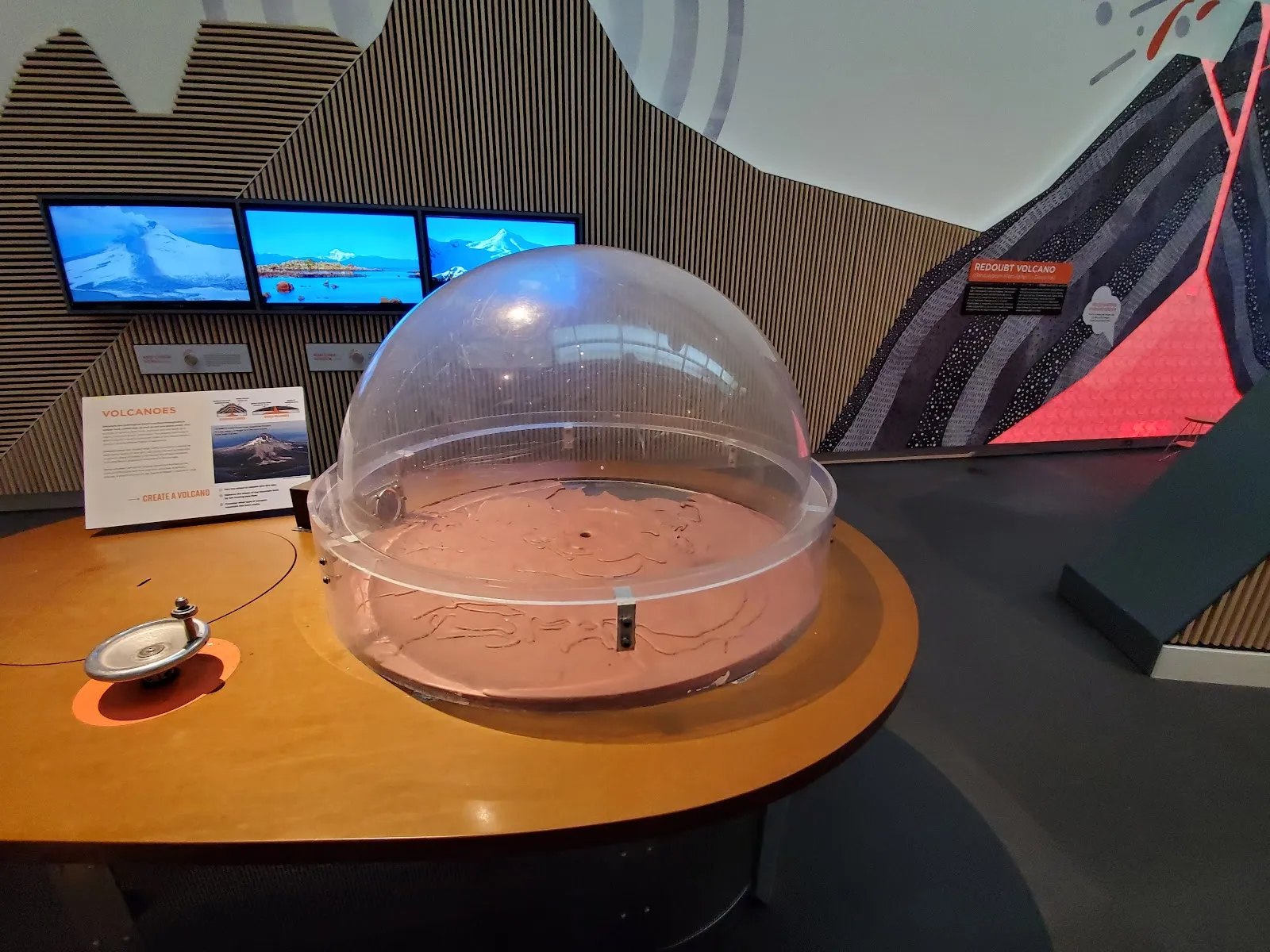
The Discovery Center gives younger visitors hands-on ways to explore science and nature, with activities linked to Alaska. The museum’s science displays touch on subjects such as earthquakes, volcanoes and the weather. Interactive exhibits make this a practical part of the visit for families, especially if children need a change of pace from the galleries.
A planetarium adds another stop to the day, with films, demonstrations, talks and live music among its programs. The museum also has an auditorium for talks and exhibitions, plus a gift shop with Northern-themed design and artist-made items. Since exhibits and programs can change, check the museum’s website before visiting if you have a particular display or event in mind.
Häufige Fragen
Is admission to the Anchorage Museum free?
Admission is free on the first Friday of each month from 10 am to 9 pm. General admission otherwise has a fee; check the museum’s website for current prices.
How long do you need at the Anchorage Museum?
Allow about 2 to 4 hours for the galleries, Discovery Center and planetarium. The museum’s range of art, history and science exhibits can also fill a half-day.
Is the Anchorage Museum suitable for children?
Yes. The Discovery Center has hands-on science activities, and the planetarium adds another option for families.
Is there parking at the Anchorage Museum?
The museum has no parking of its own. Nearby paid parking lots are available.